
TL;DR

Get garden gear delivered free — and shop member deals
- Fast, free delivery on millions of items
- Access to Prime Big Deal Days deals on October 6–7
- Prime Video, Amazon Music and more included
Gardening Know How recommends six October care steps for geraniums: deadhead and lightly trim, stop routine feeding, adjust watering, take cuttings, shelter plants and bring tender Pelargoniums indoors before cold weather. The right approach depends on whether the plant is a tender Pelargonium or a hardy true geranium.
Gardening Know How has published six October care tasks for gardeners hoping to extend geranium blooms and keep tender plants for next year, including reducing fertilizer, adjusting watering, taking cuttings and moving potted plants indoors before cold weather. The advice is aimed mainly at Pelargoniums, which are often called geraniums but are less cold-hardy than true geraniums.
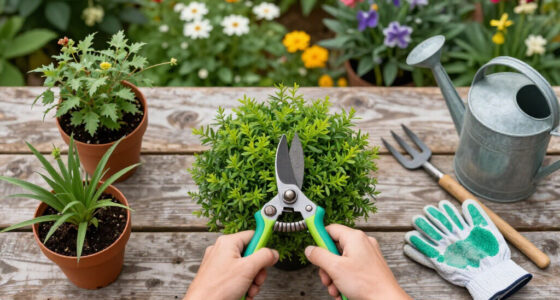
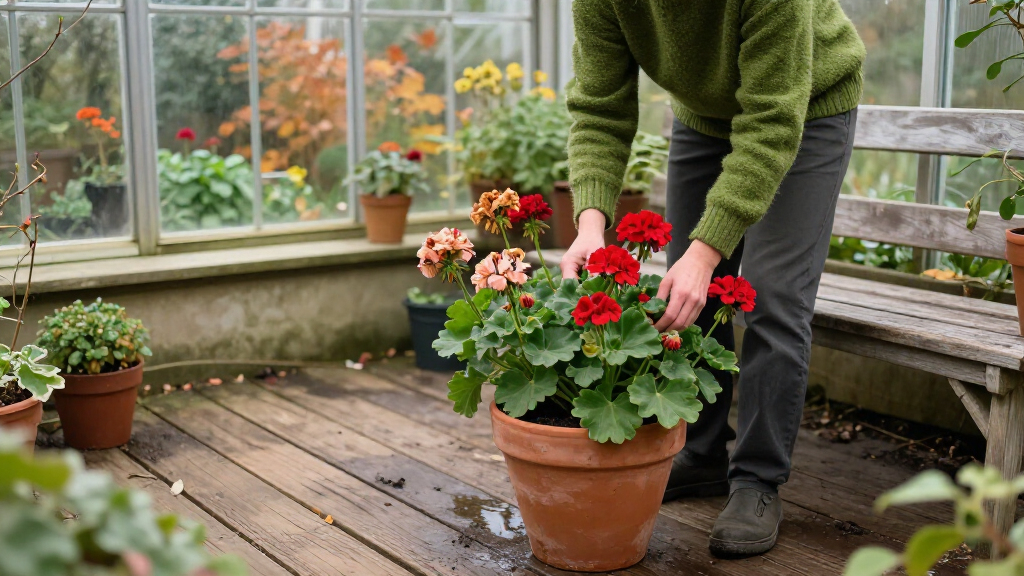
The report advises gardeners to remove faded flower stalks by cutting them back to the main stem and to trim away yellow, damaged or diseased leaves, similar to the cleanup recommended for hellebores in fall. Clean, sharp pruning shears help make tidy cuts. Flowering will naturally slow as temperatures fall; the report says this is normal, and fall care can also help mums produce autumn blooms. Hardy true geraniums may need a light tidy-up, but not the same level of deadheading or trimming.
For tender Pelargoniums, the report recommends stopping routine fertilizer in most areas by October. Continued feeding can encourage fresh growth while the plant should be slowing down for winter. Watering should also become less frequent as cooler weather and shorter days leave soil wet for longer. Gardeners should still check conditions rather than stop watering altogether: the report suggests watering when the top inch (2.5 centimeters) of soil is dry.
Other options include taking four-to-six-inch cuttings from healthy, non-flowering stems and rooting them in potting mix in a warm place with bright, indirect light. Potted plants can be moved to a sheltered or sunnier spot, or covered overnight when temperatures fall. For overwintering indoors, the report says to bring tender plants in before overnight temperatures regularly drop below 45–50°F (7–10°C), or before an earlier first frost. It advises checking for pests and trimming about one-third of the foliage before moving plants inside.
Protecting Tender Plants From Cold
The October checklist gives gardeners a way to decide whether to keep flowering plants outside a little longer or prepare them for winter. Timing matters because Pelargoniums are tender and generally will not survive outdoor winters in most regions. Moving them inside before cold nights or taking cuttings can preserve plants that might otherwise be lost.
The distinction between plant types also affects the work required. Pelargoniums and true geraniums are not the same: the former are commonly grown as seasonal bedding or container plants, while true geraniums, also called cranesbills, are hardy perennials. Treating both groups alike could lead to unnecessary care or leave tender plants exposed to cold.
The guidance is practical rather than a guarantee that every plant will survive. Local weather, growing conditions and the health of an individual plant all affect results. Gardeners can use the checklist to make timely decisions, while adapting watering and protection to the conditions in their own gardens.
As an affiliate, we earn on qualifying purchases.
Pelargoniums Versus Hardy Geraniums
The Gardening Know How report uses “geranium” mainly to refer to Pelargoniums, the tender plants many gardeners grow as annuals. It separately identifies true geraniums as hardy perennials often called cranesbill. According to the source, true geraniums are generally hardy in USDA zones 3 through 8, while Pelargoniums are perennials only in very warm areas, generally zones 10 and higher.
That difference shapes the fall routine. Pelargoniums may need indoor protection in colder regions, while established true geraniums can generally remain outdoors through winter in their hardiness range. The report says true geraniums usually need little fall watering and no fertilizer in fall; they can be propagated by dividing roots, while Pelargoniums are commonly propagated from stem cuttings.
““This adjustment is based on need, not a complete stop to watering.””
— Gardening Know How
As an affiliate, we earn on qualifying purchases.
Local Frost Dates Shape Timing
The report does not set one calendar date for moving plants indoors or covering them outdoors. The appropriate timing depends on local overnight temperatures and the first frost, which vary by region and year. Its 45–50°F (7–10°C) threshold applies to bringing tender potted plants inside when overnight temperatures regularly fall below that range, unless frost is expected sooner.
Whether a plant survives indoors also cannot be guaranteed by the checklist. The source notes that some tender geraniums may not make it through winter even with indoor care. It does not provide a single watering schedule for every home or garden, so gardeners need to monitor soil moisture and plant condition.
As an affiliate, we earn on qualifying purchases.
Watch Temperatures and Plant Health
Gardeners can begin by identifying whether they have Pelargoniums or hardy true geraniums, then check local forecasts as October progresses. Continue deadheading while plants flower, remove unhealthy foliage, and reduce watering and feeding in line with the report’s guidance. Before bringing any plant indoors, inspect stems and the undersides of leaves for pests.
As nights approach the stated cold threshold, gardeners can choose among moving pots indoors, taking cuttings or protecting plants outdoors overnight. The source offers no further scheduled update; the next steps depend on local weather and how the plants respond.
As an affiliate, we earn on qualifying purchases.
Key Questions
Should I stop watering geraniums in October?
No. The report recommends watering less often, not stopping completely. Check the soil and water when the top inch (2.5 centimeters) is dry; cooler weather may mean it stays moist longer.
When should I bring tender geraniums indoors?
Bring potted Pelargoniums inside before overnight temperatures regularly fall below 45–50°F (7–10°C), or before the first frost if it arrives earlier. Check for pests first.
Can I keep geraniums blooming in October?
Deadheading faded flower stalks can help extend flowering while conditions remain suitable. The source says blooms will eventually slow naturally as the weather cools.
How can I keep a geranium for next year?
For tender Pelargoniums, options include overwintering a potted plant indoors or rooting four-to-six-inch stem cuttings. The report says hardy true geraniums can instead be propagated by dividing roots.
Source: rss
Fall yard work Picks
leaf blowers
As an affiliate, we earn on qualifying purchases.