TL;DR
Water-efficient drip irrigation systems send water slowly through emitters near plant roots, which can reduce losses to wind, runoff, and bare soil compared with poorly matched overhead watering. In hot, dry gardens, pair filtration and pressure control with a layout suited to each plant and soil, then adjust run times by checking root-zone moisture. A timer helps with consistency, but inspection is what catches leaks and clogged emitters.
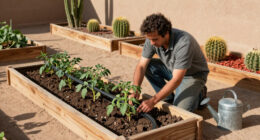
A sprinkler can water the sidewalk beautifully. A drip line can put that same water beside a thirsty tomato root, where the plant can use it. In a desert garden, that difference matters: heat dries exposed soil fast, and wind can carry fine spray far from the bed.

Get garden gear delivered free with Prime
- Fast, free delivery on millions of items
- Prime Video, Amazon Music and more included
- Member-only deals all year
Drip irrigation sends water at a low flow through tubing and emitters, usually close to the roots. This guide walks you through the parts that make a system reliable, how to match it to desert soil and plants, and how to tell whether your schedule is working. You’ll also see where drip lines fall short, because a leaky, clogged, or overlong-running system can waste water just as surely as a sprinkler.
Think of the system as a slow faucet for the root zone, not a set-and-forget shortcut. A few minutes spent checking the soil and emitters can save a thirsty citrus tree—or a surprising amount of water running under an empty bed.
Drip lines place water near roots, but savings depend on what they replace and how you run them.
Use filters and pressure regulation to support consistent flow; match emitter spacing and flow to plants, soil, and slope.
Check moisture at root depth and adjust schedules after heat, wind, rain, or changes in plant growth.
Inspect running lines for leaks and dry spots, and clean filters or flush tubing as product directions recommend.
Choose tubing for long-lived trees and shrubs, drip tape for many seasonal rows, and sprinklers where broad coverage fits better.
How drip irrigation puts water where your plants can use it
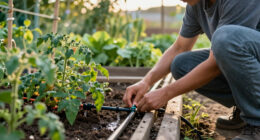
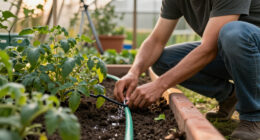
Water-efficient drip irrigation systems carry water through tubing and release it slowly near plant roots, reducing spray on paths and bare ground. An emitter might deliver water drop by drop, or a length of drip tape might wet a crop row. The idea is simple: water slowly and close to the roots, where it can soak into the soil instead of blowing away in a gust. That placement can improve how much of each watering reaches plants, but it does not mean every drop is absorbed: water can still run off compacted soil or drain below shallow roots if flow or run time is too high.
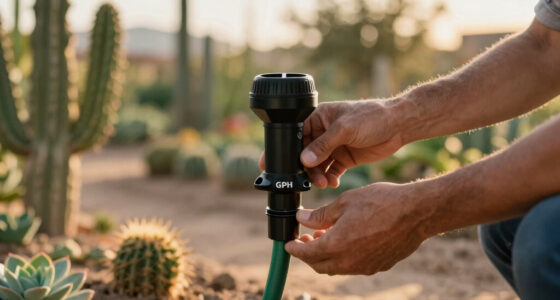
A typical setup starts at a faucet or other water source, then passes through a filter and pressure regulator before reaching the mainline and smaller tubing. The filter catches grit that could block an emitter; the regulator helps keep flow more even across the line. These parts work together: a clogged filter can starve the whole zone, while pressure that is too high can make connections leak or cause uneven output. A timer can start and stop watering, though it cannot tell whether last night’s wind cooled the bed or a heat wave baked it.
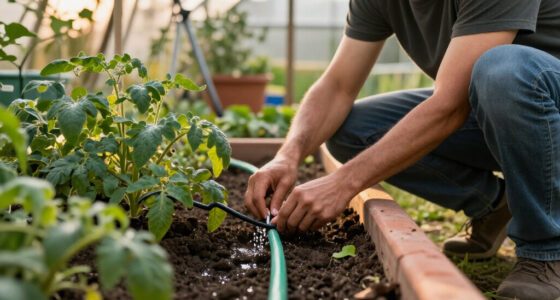
Say you have a raised bed with six tomatoes and a path between it and the house. A sprinkler wets the path along with the bed. A drip line can put emitters beside each tomato, so water goes to the planted row. That does not promise a fixed savings figure: actual savings depend on the previous watering method, local weather, soil, design, and how you operate the system. If the emitters are misplaced or run long enough for water to drain beneath the roots, the apparent precision of the hardware will not translate into efficient watering.
As a garden blogger might put it, drip irrigation delivers water close to the root zone; it doesn’t decide how much your plants need. That call still belongs to you—and to a quick check of the soil.
Popular right now

Roborock Q10 S5+ Robot Vacuum and Mop with Self-Emptying Station

Roborock Qrevo S Pro Robot Vacuum and Mop with 18,500 Pa Suction

De'Longhi Magnifica Evo Automatic Espresso Machine with Milk Frother, Silver
As an affiliate, we earn on qualifying purchases.
Choose tubing and emitters that fit your garden
Match emitter flow and spacing to plant size, spacing, soil, slope, and water pressure. A row of vegetables and a mature shade tree do not need the same layout; forcing them onto one uniform line can leave one too wet while the other wilts. The best first step is to sketch the bed and mark where roots actually need water. The sketch also helps you see where separate zones are useful: plants with different water needs can then receive different schedules instead of making one group the compromise.
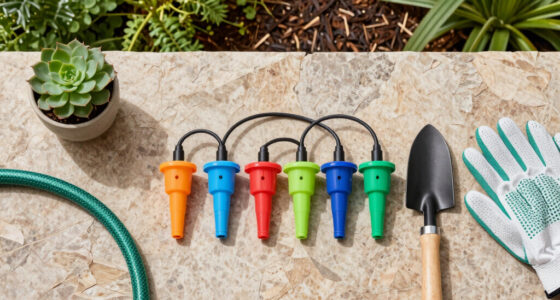
For closely spaced vegetables, drip tape often suits seasonal rows. For a long-lived shrub bed or individual trees, sturdier tubing with separate emitters can be easier to adjust over time. Product designs vary, so check manufacturer flow rates and spacing rather than assuming every tape or emitter behaves alike. Tape’s close emitter spacing can wet a continuous row, but it may be less convenient when planting locations change; individual emitters allow adjustment around established plants, at the cost of more fittings to inspect.
Soil changes the pattern. Sandy soil lets water move downward quickly, so plants may do better with shorter, more frequent runs. Clay absorbs water more slowly; a gentler flow or shorter run can reduce puddling and runoff. These differences matter because the goal is to wet the active root zone without sending water past it. For example, if water forms a shiny pool beside a young citrus tree, pause the system and see whether a lower-flow emitter or shorter cycle lets the soil absorb it. If the surface looks dry, check below it before adding time; moisture may already have reached the roots.
On a slope, pressure and elevation can change how much water different plants receive. Shorter zones or pressure-compensating emitters may help, depending on the site and product. If a garden has long runs or steep grades, careful hydraulic design matters more than simply adding more tubing. Extending a line without accounting for pressure losses can make the far end deliver less water, so plants may receive different amounts despite identical emitters.
- Vegetable rows: consider drip tape suited to seasonal planting.
- Trees and shrubs: place emitters around the active root area, not against the trunk.
- Mixed beds: split plants with very different needs into separate zones.
Set a watering schedule that survives desert heat
Set drip run times by checking root-zone moisture and plant needs, not by copying a neighbor’s timer. Heat, wind, soil, plant age, and growth stage all change how quickly a bed dries out. A timer offers regularity; it does not know whether an afternoon monsoon cooled your garden or whether a newly planted shrub has roots only a few inches deep. A schedule that ignores those differences can waste water below established roots or leave a shallow-rooted transplant dry between long intervals.
Try this simple process when you set up or adjust a zone:
- Run the line briefly and check that every emitter flows and the intended planting area gets wet.
- Wait, then inspect the soil near the roots with a finger or small trowel; look for moisture at the depth your plants need.
- Adjust run time or frequency if the soil stays dry, turns soggy, or water moves below the root zone.
- Recheck after weather shifts, such as a hot spell, strong winds, or meaningful rain.
For instance, a new basil transplant in sandy soil may dry out sooner than a mature desert-adapted shrub in the same yard. Giving both plants the same long watering run could drown the shrub’s root area while still leaving the basil struggling between sessions. Separate zones make it possible to address that mismatch; where separate zones are impractical, prioritize checking the more vulnerable plant and adjust with care.
Soil-moisture sensors and weather-based controllers can help adjust schedules, but their usefulness depends on good placement and reliable setup. Place a sensor near the roots in a representative part of the zone. A sensor in an unusually shaded or wet spot may report conditions that do not reflect the rest of the bed, so its reading should be checked against the soil and plants. Efficient drip irrigation is a partnership between the hardware and your observations; a preset alone can still overwater.
Keep filters and emitters clear before plants show stress
Filtration and pressure regulation help a drip system deliver water consistently, while routine inspection catches leaks and clogs early. Small emitters can block when sediment, minerals, algae, or roots get into the line. A plant may start to droop before you notice that its emitter has stopped flowing. That delay matters in hot weather: a short interruption can quickly affect a shallow-rooted plant, while extending the whole zone’s run time to compensate may overwater plants whose emitters still work.
Check the system while it runs. Look for damp soil where it should be dry, bubbling around a fitting, a split tube, or one dry spot among wet plants. A dry marigold at the end of a row, for example, could point to a clogged emitter or a flow problem farther upstream—not necessarily a need to water the whole bed longer. Comparing flow at the start and end of a line can help distinguish a single blocked emitter from a zone-wide pressure problem.
Clean or replace filters as the product instructions recommend, and flush lines when the system calls for it. The right maintenance depends on your water source: sediment from a well, minerals in hard water, and organic matter in collected rainwater pose different challenges. A filter that works for one source may not suit another. If the filter clogs frequently, that pattern is useful evidence about your water and maintenance needs; cleaning it without investigating can leave the underlying cause unresolved.
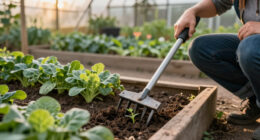
Inspect tubing after gardening, too. A digging fork can nick a line, and pets or wildlife may chew exposed tubing. Sunlight can wear some materials, and freezing conditions can damage equipment where they occur. Repairing a small leak now can prevent a steady trickle from soaking a path or carrying water below the roots.
A timer cannot spot a clogged emitter. Check the line and the soil, especially when a plant wilts while its neighbors look fine.
Know when drip irrigation fits—and when it needs help
Drip irrigation fits garden beds, crop rows, trees, shrubs, orchards, and greenhouses especially well because you can place water near distinct root zones. It can also work on some slopes and in some lawn situations, but layout, pressure control, soil movement, and repair access need more thought. For a conventional lawn, sprinklers may remain a more practical fit. The deciding question is whether the watering pattern can follow the plants’ needs without creating excessive complexity or hidden maintenance.
Consider a small courtyard with a citrus tree, two pots, and a narrow vegetable bed. Separate zones can let the tree receive a different schedule from the vegetables, while a sprinkler would spray the wall and paving as well as the plants. By contrast, a large, uneven site with long lines may need professional hydraulic design to avoid uneven flow. In either case, accessibility matters: a layout that is easy to inspect and repair is more likely to stay efficient over time.
Subsurface drip places lines below the soil surface. It can reduce surface evaporation and keep foliage dry, but buried lines are harder to inspect and repair, and roots can intrude. The reduced visibility is a real tradeoff: a leak or blockage can persist longer because the problem is harder to spot. For a home gardener, surface tubing under mulch may offer a useful middle ground: it shades the soil while keeping the emitters accessible.
Some systems support fertigation, or applying soluble fertilizer through irrigation water. Use compatible equipment, follow fertilizer directions and local rules, and prevent backflow into the water supply. Fertigation can distribute nutrients with irrigation, but it also means errors or equipment problems may affect every connected plant, so accurate dosing and appropriate backflow protection matter. If you use pesticides or herbicides anywhere in the garden, follow the product label and wear the protective equipment it specifies; keep treated plants and products away from children and pets as the label directs.
Use this quick comparison before you buy a system
Drip tubing, drip tape, and sprinklers suit different jobs, so choose by plant layout, durability, and the watering pattern your site needs. Drip systems can reduce water reaching empty spaces, while sprinklers cover a broader area. Neither device guarantees low water use if the schedule or layout is poorly managed. The practical tradeoff is precision and flexibility versus coverage: choose a system whose pattern matches the area, then consider how much inspection and maintenance it will take.
| Option | Often suits | Tradeoff to weigh |
|---|---|---|
| Drip tubing with emitters | Trees, shrubs, and long-term beds | More fittings to inspect; emitters can clog |
| Drip tape | Seasonal vegetable rows | Thinner material may need more protection and replacement |
| Sprinklers | Broad coverage, including many lawns | Wind and spray on paths can reduce useful placement |
Imagine two gardens under the same hot afternoon sun. One has a row of tomatoes beside a gravel path; drip tape can focus water down the row. The other is a small lawn where you need even coverage across the whole green area; sprinklers may fit the job better. In the first garden, the benefit depends on tape spacing reaching the crop roots; in the second, trying to replace broad coverage with many drip lines could add complexity without serving the lawn well.
Before buying, check the water pressure, garden dimensions, available water source, and the manufacturer’s guidance for spacing and flow. Then price in filters, regulators, connectors, and replacement parts, not just tubing. Those components affect both performance and upkeep: a system that fits the budget but is difficult to flush or repair may become less reliable, while accessible parts make regular checks easier. A bargain line that clogs or splits quickly can cost more in repairs and wasted water.
Frequently Asked Questions
How much water can drip irrigation save?
There is no universal savings figure. Savings depend on the method it replaces, local conditions, system design, maintenance, and scheduling. A line that leaks or runs too long can waste water despite using emitters.
Is drip irrigation better than sprinklers?
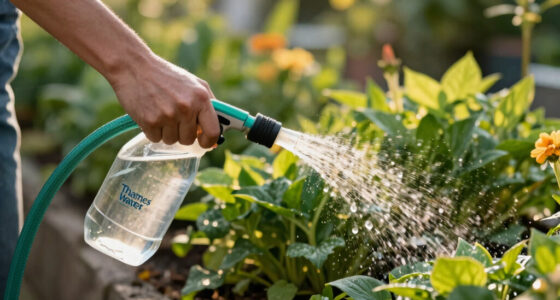
Drip often places water more directly near roots and avoids spraying paths, while sprinklers suit broad coverage such as many lawns. Wind, garden shape, plant type, and installation all affect which works better. Choose for the plants and area you need to water.
How often and how long should I run a drip system?
Base the schedule on plant needs, soil, weather, emitter flow, and root-zone moisture. Check the soil after a run instead of relying only on a timer. Sandy soil may call for shorter, more frequent watering than slowly absorbing clay.
Can I use tap water, well water, or rainwater?
Often, yes, but water quality changes filtration and maintenance needs. Sediment, dissolved minerals, and organic matter can clog emitters, so match the filter and upkeep to your source. Follow the system maker’s guidance for water quality.
How do I know if my drip system is working?
Run the system and look for steady emitter flow, leaks, and moisture near the intended root zone. A dry plant among wet neighbors can signal a clogged emitter, while soggy soil may mean excessive run time or a leak. Check filters and connections when the pattern looks uneven.
Can I install a drip system myself?
Small home garden systems are often manageable as a DIY project if you follow product directions and check pressure, spacing, and flow. Long runs, steep slopes, or large systems can need hydraulic design and professional installation. A simple sketch of the beds and water source helps you plan either way.
Conclusion
Start with the plants and soil, then choose the tubing, emitters, and schedule that fit them. In a desert garden, check the root zone after a run and inspect the line while it flows; those two habits can reveal both thirsty roots and water slipping away unnoticed.
A good drip system is less like a magic button and more like a careful neighbor with a hose: quiet, steady, and paying attention. Let the water land where the roots can find it.