
TL;DR

Get garden gear delivered free with Prime
- Fast, free delivery on millions of items
- Prime Video, Amazon Music and more included
- Member-only deals all year
Frost cloths generally offer more reliable protection for citrus trees during freeze nights, but Christmas lights can serve as a helpful supplement. Combining both methods can maximize your cold-weather defenses.
How Each Method Actually Protects Your Citrus
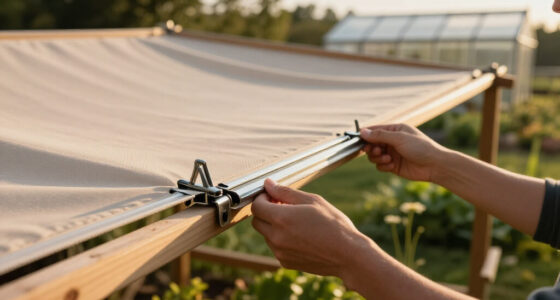
Christmas lights emit a tiny amount of heat when plugged in, raising the temperature around the tree by a few degrees. Think of it like a tiny campfire for your plant—enough to stop frost from settling but not enough for a deep freeze. In contrast, frost cloths trap a layer of warm air close to the foliage, creating a physical barrier against the cold wind and frost.
For example, during a typical cold snap where temperatures drop to 28°F, lights might keep a small young tree safe, but a mature tree needs the insulation of a frost cloth to stay unharmed.
As an affiliate, we earn on qualifying purchases.
Which Protects Better? Christmas Lights or Frost Cloth?
| Feature | Christmas Lights |
|---|---|
| Protection Level | Light, suitable for mild freezes or as a supplement |
| Coverage | Limited, best for small trees or specific areas |
| Ease of Use | Simple for small setups, requires power |
| Durability | Less durable, seasonal use only |
| Cost | Low upfront, ongoing electricity cost |
Frost cloths outperform Christmas lights in severe freezes, covering large trees and trapping more heat. They’re a tough, reusable barrier—if you can manage the setup.
outdoor Christmas lights for plants
As an affiliate, we earn on qualifying purchases.
As an affiliate, we earn on qualifying purchases.
Real-World Example: Protecting Your Citrus During a 25°F Night
Imagine a typical winter night where the forecast drops to 25°F. You have a young lemon tree about 6 feet tall. Wrapping it in frost cloth, you trap a warm air pocket, preventing frost from damaging the buds. Adding string lights beneath the cloth might boost warmth a few degrees more, giving extra security. In this scenario, the frost cloth acts as your main shield, while the lights are a bonus.
This combo might seem like overkill, but it’s a smart move if that cold snap is expected to last several hours.
As an affiliate, we earn on qualifying purchases.
How to Use Frost Cloths Effectively — 5 Easy Steps
- Choose the right size—wrap the entire canopy without touching leaves directly.
- Secure edges with stakes, bricks, or weights to prevent wind from lifting it.
- Cover before sundown, ideally when temperatures start dropping.
- Ensure the cloth doesn’t touch the foliage directly—use spacers if needed.
- Remove in the morning once temperatures rise above freezing.
For a typical 3-foot citrus tree, draping frost cloth over it and anchoring with bricks is fast and effective. Always check the weather forecast—plan your protection before the cold hits.
As an affiliate, we earn on qualifying purchases.
Safety Tips for Using Christmas Lights and Frost Cloths
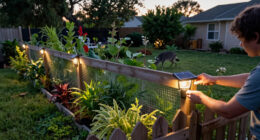
Christmas lights, especially incandescent ones, generate heat but also pose fire risks if not used properly. Always plug into outdoor-rated outlets, avoid overloading circuits, and keep wiring away from water or moisture. For frost cloths, make sure they’re made from breathable, UV-resistant fabric. Never leave them on overnight if they’re wet, as moisture can damage the plant or cause mold.
Safety first—your trees and your home are worth it.
Why Combining Methods Often Works Best
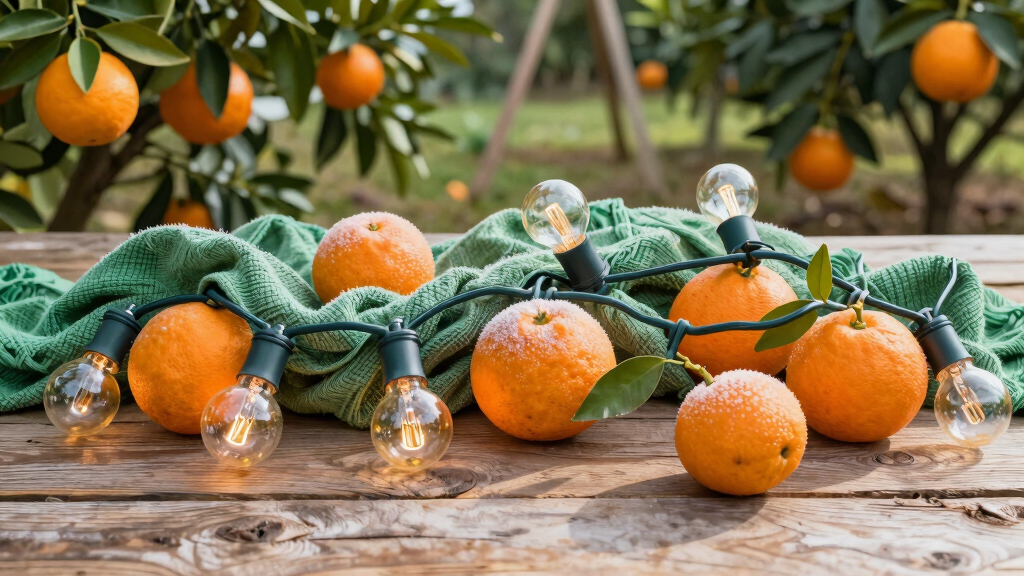
Using frost cloth as your main protector and adding Christmas lights underneath can boost your chances during a serious freeze. Lights add a little extra warmth—sometimes enough to tip the odds in your favor.
For example, during a forecast of 23°F, wrapping a mature orange tree with frost cloth and placing lights underneath can prevent frost damage more reliably than either method alone. It’s like layering a jacket and a blanket—you stay warmer, safer.
Key Takeaways for Protecting Citrus During Cold Snaps
- Frost cloths are more reliable for severe freezes and can be reused year after year.
- Christmas lights help by adding a small amount of heat, best for small trees or as a backup.
- Timing matters—set up before the coldest part of the night and remove in the morning.
- Combine methods for best results in really cold nights.
- Safety: ensure electrical safety when using lights and secure frost cloths properly.
Frequently Asked Questions
Can I leave frost cloth on my citrus trees all winter?
Yes, if it’s made of breathable, UV-resistant fabric and you regularly check for moisture buildup. Remove it during warm days to prevent mold and keep your trees healthy.Are LED Christmas lights safe to use for frost protection?
Absolutely. Use outdoor-rated LED lights, which generate less heat and are safer for prolonged use. Always follow manufacturer safety instructions and avoid overloading circuits.How much warmer does a string of Christmas lights make the air around my tree?
Typically, a string of incandescent lights can raise the temperature by 2-5°F around the tree, depending on the number of bulbs and how close they are placed. It’s a small boost, but sometimes that’s all you need.What happens if I forget to remove frost cloth in the daytime?
If left on in warm weather, frost cloth can trap moisture and cause mold or damage to the foliage. Always remove it once temperatures are safely above freezing.Is there a big difference in cost between these methods?
Frost cloths require a higher upfront investment but last many seasons. Christmas lights are cheaper to buy but add ongoing electricity costs and are less effective during severe freezes.Conclusion
When cold hits, your citrus trees need more than hope—they need protection that works. Frost cloths are your best bet for serious freezes, but a little extra heat from Christmas lights can help fill in the gaps. Think smart, act early, and your trees will thank you come springtime. Remember: it’s not just about surviving the night, but thriving through the season.Halloween Picks
halloween
As an affiliate, we earn on qualifying purchases.