
TL;DR
Open a free Amazon Business account
Business pricing, bulk buying and tax-exempt orders.
Create a free accountAs an affiliate, we earn on qualifying purchases.
Row covers in desert regions protect crops from pests, extreme heat, and frost. They help regulate microclimates and extend growing seasons, making them essential for water-wise, zone-specific gardening.
Imagine your garden thriving despite the blazing sun and sudden cold snaps. That’s the power of row covers in the desert. These simple fabrics are more than just insect barriers—they manage heat, shield against frost, and extend your growing season.
In some of the hottest places, like parts of Arizona or Nevada, a good row cover can make the difference between a bumper crop and a total loss. Today, you’ll learn how these versatile tools work in extreme conditions and how to get the most out of them.
Choose UV-resistant, breathable fabrics designed for high sun exposure to maximize cover longevity.
Use covers to both shade plants during intense heat and trap warmth during cold snaps—adapt your routine seasonally.
Proper installation with stakes or hoops prevents tears and wind damage, extending the life of your covers.
Combine innovative reflective fabrics and automated systems to ease deployment and improve protection.
Regular maintenance and timely removal during peak heat are vital for keeping your plants healthy and your covers working well.
How Row Covers Protect Your Plants from Desert Heat and Cold
Row covers in the desert are all about managing temperature swings. You can use lightweight, UV-resistant fabrics to provide shade during the peak heat—cutting temperatures under the cover by up to 10°F. At night, they trap heat, preventing frost damage during rare cold snaps.
For example, a gardener in Phoenix might lay a spunbond cover over lettuce and herbs during a 100°F afternoon, protecting them from sun scorching. When a cold front drops nighttime temps to the low 40s, the same cover traps enough warmth to keep plants healthy.
**Tip:** Remove covers during the hottest part of the day in peak summer to avoid overheating. Reapply after sunset or on cloudy days to maintain a stable microclimate.
Understanding the significance of temperature management with row covers reveals their impact: they don’t just shield plants; they create a microenvironment that buffers against the desert’s extremes. This can mean the difference between a thriving crop and a failed one, especially for sensitive seedlings or crops that require specific temperature ranges. The tradeoff is that improper use—such as leaving covers on during the hottest hours—can cause overheating, stressing plants or causing damage. Therefore, timely removal and careful monitoring are crucial for optimal results.
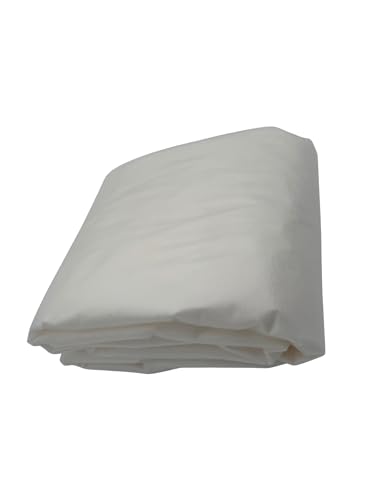
AgGuardPro® Frost Protection Fabric – Plant & Crop Cover for Cold Weather, UV-Resistant, Breathable Garden Row Cover (10' X 50')
- All-Season Plant Protection: Frost, wind, pests, and sun defense
- Breathable Fabric: Allows light, air, and water passage
- Heavy-Duty & Reusable: Durable for multiple seasons
As an affiliate, we earn on qualifying purchases.
As an affiliate, we earn on qualifying purchases.
Choosing the Best Row Cover Material for Desert Conditions
Not all fabrics are created equal in the desert. Look for UV-resistant, breathable mesh or spunbond fabrics designed for high sun exposure. Heavy-duty plastics are rarely needed—lighter, more permeable materials prevent overheating and humidity buildup.
For instance, a gardener might choose a 1.5 oz spunbond cover for vegetables, which filters sunlight while allowing air flow. These fabrics last over 3 years with proper care—twice as long as cheaper, non-UV resistant options.
**Tip:** Check for covers labeled as UV-stable and heat-resistant. Regularly inspect for tears or UV degradation, especially after intense summer months.
Choosing the right material matters because it directly influences plant health, crop yield, and the longevity of your investment. High-quality UV-resistant fabrics withstand the intense desert sun longer, reducing replacement costs and ensuring consistent protection. However, tradeoffs include slightly higher upfront costs and the need for proper maintenance to prevent UV degradation. Selecting the optimal material balances durability, breathability, and cost—key factors in desert gardening success.

HEKIWAY 10 FT x 40 FT Frost Cloth, Plant Covers for Freeze Protection
- Frost Protection Material: 1.5oz/yd² garden fabric
- Multiple Size Options: Fits various garden needs
- Versatile Plant Cover: Suitable for raised beds and potted plants
As an affiliate, we earn on qualifying purchases.
As an affiliate, we earn on qualifying purchases.
Installing and Removing Row Covers Without Hassle
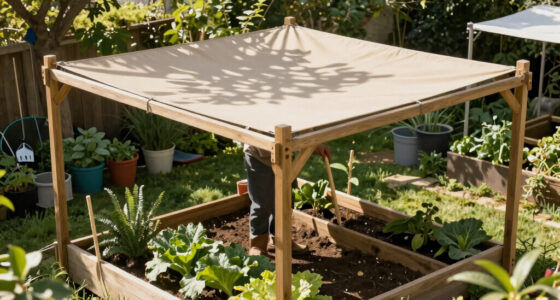
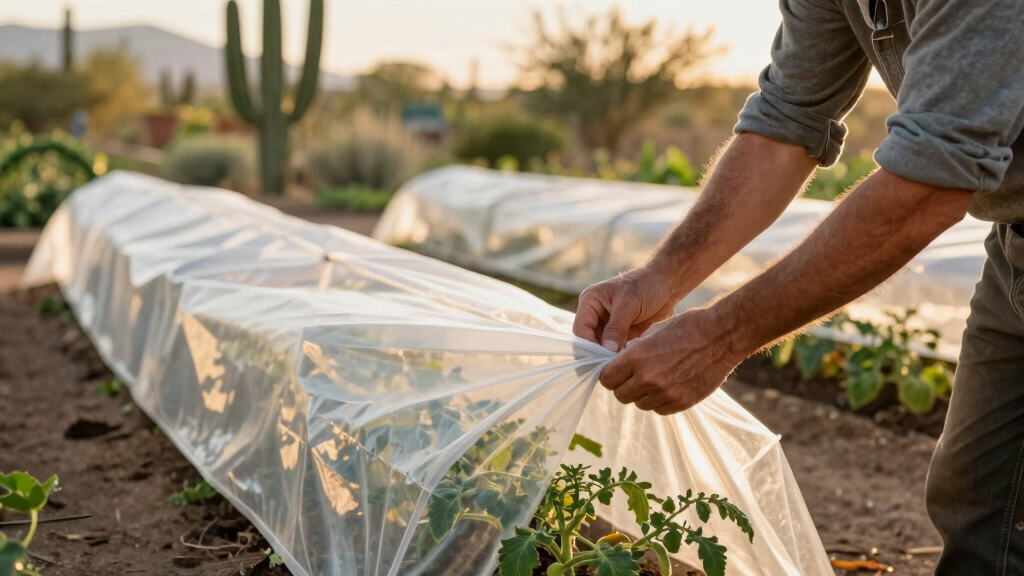
Proper installation saves time and extends fabric life. Use sturdy hoops or stakes to keep covers taut—flapping fabric tears easily in desert winds. In blazing heat, remove covers midday to prevent overheating, then replace at dusk.
Imagine a gardener in southern California quickly draping a cover over tomato plants at sunrise and removing it by noon. This simple routine keeps plants cool and safe.
**Tip:** Keep a toolkit nearby—clips, stakes, and extra fabric—to make quick adjustments. Regularly check for gaps or tears that pests or cold air could exploit.
Efficient installation and removal are vital because they help maintain the microclimate benefits of the covers while preventing damage. Improper setup can lead to tears, wind damage, or overheating, which compromises plant health. The tradeoff is that frequent removal can increase labor, but it’s often necessary in desert conditions to prevent heat stress. Using proper tools and routine checks ensures your covers serve their purpose effectively and last longer.

RIFNY Garden Netting for Raised Beds Garden Protection Plant, 2 Pcs 10x33Ft
- Large Size Pack: Two 10×33 ft garden nets
- Ultra-Fine Mesh: 0.04-inch mesh for plant protection
- Permissive Design: Allows sunlight, air, and rain passage
As an affiliate, we earn on qualifying purchases.
As an affiliate, we earn on qualifying purchases.
Enhancing Row Covers with New Technologies
Recent innovations boost durability and effectiveness. Reflective coatings on fabrics bounce back sunlight, reducing heat absorption. Automated systems with lightweight frames make deploying and removing covers nearly effortless.
In desert research plots, growers use thermal-reflective covers that cut heat gain by 15%, helping seedlings grow faster in summer. Motorized frames mean less manual labor—perfect for large gardens or commercial farms.
**Tip:** Combine covers with integrated pest management techniques for a holistic approach—using biological controls under the cover keeps pests at bay without chemicals.
Understanding these technological advancements is crucial because they directly improve the protective qualities and ease of use of row covers. Reflective coatings mitigate heat stress, which is vital in the intense desert sun, while automation reduces labor and increases efficiency. The tradeoff may include higher initial costs and maintenance, but the benefits—longer-lasting, more effective protection—are often worth it for serious growers seeking reliable results.

85% Aluminet Shade Cloth, 10×12 FT Heat Reflective Tarp for Blocking Sun
- Reinforced Stainless Steel Grommets: 6.3 inch rustproof grommets for durability
- High UV Protection: Blocks 85% of sunlight with reflective surface
- Heat Reflective Material: Silver aluminum foil surface cools spaces
As an affiliate, we earn on qualifying purchases.
As an affiliate, we earn on qualifying purchases.
What You Need to Know Before Using Row Covers in the Desert
Effective use depends on understanding your climate and crops. In desert zones, choose lightweight, UV-protected fabrics, and plan for frequent removal during extreme heat. Regular maintenance prevents tears and UV damage.
For example, a gardener growing peppers might use a cover to extend the season into late fall, but must remove it during summer heatwaves. Proper care ensures your covers last years instead of months.
**Tip:** Keep a maintenance schedule—inspect weekly, especially after storms or high winds. Replace fabrics that show signs of wear.
Understanding your specific environment and crop needs allows you to tailor your cover use effectively. For instance, in extreme heat, overusing covers can trap excessive heat and cause plant stress or damage. Conversely, neglecting maintenance can lead to early fabric failure, reducing protective benefits. The tradeoff involves balancing protection with routine care—regular inspections and timely removal or replacement extend the lifespan and effectiveness of your covers, ensuring consistent crop protection year after year.
Frequently Asked Questions
How do I pick the right row cover for my desert garden?
Look for UV-resistant, breathable fabrics with light to medium weight. They should withstand high sun exposure and last several seasons. Consider your specific crops and climate conditions when choosing thickness and material.Can row covers really help save water in a desert garden?
Yes. Because covers moderate temperature extremes, plants stress less and don’t need as much water to stay healthy. They also reduce evaporation by shading soil, making watering more efficient.What’s the best way to install a row cover without damaging it?
Use sturdy hoops or stakes to keep the fabric taut. Avoid pulling fabric too tight—it can tear. Check regularly for tears or gaps, especially after wind or storms, and repair promptly with UV-resistant patches.How often should I replace my desert row covers?
With proper UV protection and maintenance, many covers last over 3 years. Inspect annually for UV degradation, tears, or holes, and replace when fabric becomes brittle or damaged.Can I use row covers with other gardening techniques?
Absolutely. Combine covers with drip irrigation, organic pest controls, and shade cloths for a holistic approach. This multi-layered protection helps maximize plant health and yield.Conclusion
In the desert, row covers aren’t just a shield—they’re your secret weapon for consistent harvests. With the right materials and routine care, they turn extreme conditions into manageable challenges.
Think of your garden as a small oasis—protected, stable, thriving. When you master the art of using covers wisely, you’ll enjoy fresh greens even when the thermometer soars or dips unexpectedly.
Back to school Picks
back to school
As an affiliate, we earn on qualifying purchases.