
TL;DR

Get garden gear delivered free with Prime
- Fast, free delivery on millions of items
- Prime Video, Amazon Music and more included
- Member-only deals all year
Cacti can get sunburned if suddenly exposed to intense heat or moved into full sun without acclimation. Using 30–50% shade cloth, especially white or aluminized, can prevent damage. Younger or transplanted plants need more protection, and proper setup matters to avoid trapping heat or damaging spines.
Think your desert natives are invincible? Think again. Even the hardiest cacti can fall victim to sunburn, especially during record-breaking heatwaves or after transplanting. A simple piece of shade cloth can be your best line of defense.
In this guide, you’ll learn when and why even native cacti need cover, how to set up shade cloth effectively, and what signs to watch for. Protect your plants from scars, rot, and slow recovery with practical, zone-specific tips.
Even desert natives can suffer sunburn; protection is essential during extreme heat or after transplanting.
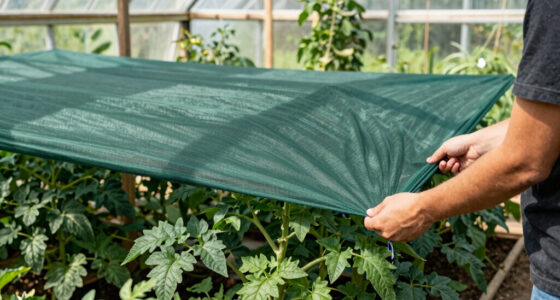
Use 30–50% white or aluminized shade cloth, suspended on a frame, not draped directly on plants.
Gradually acclimate cacti to full sun over 2–3 weeks to prevent damage.
Remove shade cloth once temperatures drop or plants show signs of recovery to avoid etiolation.
Shade cloth also helps buffer against hail and frost, but it’s not a replacement for dedicated cold protection.
Shade Cloth Over Cactus: When Even Natives Need Cover
Cacti are built for sun, but not for abrupt exposure or record-breaking heat. Temporary, well-ventilated shade can prevent irreversible scars, rot and long recoveries—especially after transplanting.
“Native” does not mean invincible.
In habitat, young cacti often establish beneath nurse plants, rocks and filtered light. Nursery-grown, propagated or recently moved plants lack that shelter—and may not have a hardened epidermis.
Greenhouse to full sun
Thin, shade-adapted skin can bleach rapidly when moved directly into intense afternoon light.
Rotated transplant
A formerly north-facing surface can burn when suddenly turned toward the south or west.
Shade removed
Pruning a canopy or removing a structure can expose tissue that never developed full-sun tolerance.
Cuttings and offsets
Fresh growth, seedlings and propagated pieces have less protective tissue and need gentler exposure.
Add a chalk line or durable tag to the north-facing side, then preserve that orientation in the new location.
Read the exposed side.
Sunscald typically starts on the south or southwest side in the Northern Hemisphere. Tissue progresses from bleaching to permanent corky damage; prevention is the only true cure.
White or yellow bleaching on the most exposed surface.
Tan-to-brown tissue becomes dry, corky and callused.
Dead tissue can become an entry point for rot and pathogens.
How heat compounds at the surface
Illustrative temperature progression during a severe low-desert heat event.
Match cloth to plant and heat.
White or aluminized material reflects radiant energy and generally cools better than black cloth. Density should be high enough to interrupt damaging exposure without creating weak, stretched growth.
| Factor | Best cactus choice | Use case | Avoid |
|---|---|---|---|
| Density | ✓30–50% | 30% for hardened plants; 40–50% for transplants and severe heat | Heavy shade left indefinitely |
| Color | ✓White or aluminized | Reflects radiant heat and reduces surface heating | Black cloth placed close to tissue |
| Placement | ✓Raised frame | Hoops or stakes with open sides and western coverage | Draping directly over spines |
| Duration | ✓Temporary | Heatwave, acclimation period or first summer after planting | Permanent cover that causes etiolation |
Build shade that breathes.
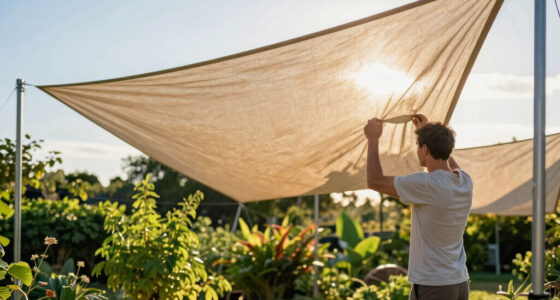
The cloth should intercept intense afternoon rays while air moves freely around the plant. A close, sealed canopy can trap heat and humidity—the opposite of protection.
Measure
Define the plant height, spread and western coverage area.
Select
Choose 30–50% white or aluminized cloth for most plants.
Suspend
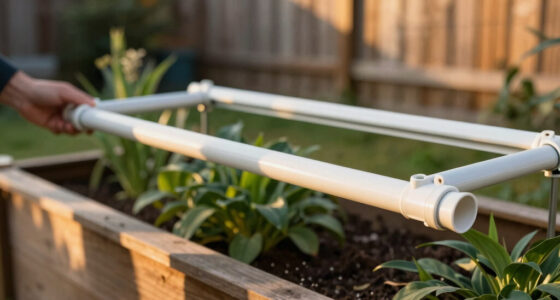
Use hoops, stakes or a frame; keep fabric away from spines.
Vent
Secure the top while leaving sides open for circulation.
Monitor
Check tissue, moisture and weather; adjust or remove promptly.
Let tolerance build gradually.
Acclimation is better than emergency rescue. Begin with gentle morning exposure, add direct sun in stages and watch the plant’s surface before increasing again.
Morning only
Start with one to two hours of early light. Avoid intense afternoon exposure.
Add exposure
Increase direct sun by roughly an hour as long as tissue stays firm and evenly colored.
Test midday
Introduce stronger light while keeping shade ready for unusually hot afternoons.
Transition out
Reduce cover in stages. Pause if bleaching, stretching or softness appears.
Deep, not constant
Water early in the morning and only when soil conditions justify it. Shade reduces evaporation but does not eliminate water needs.
Protect new growth
Scarred tissue will not recover, but the cactus can grow beyond it if rot and infection are prevented.
Watch for stretching
Pale, narrow or elongated growth signals excessive shade. Reduce cover when heat passes and tissue is stable.
From exposure change to resilient growth
Cactus shade cloth FAQ
Can a cactus really get sunburned?
Yes. It begins as white or yellow bleaching and develops into permanent brown, corky scarring. Severe damage can invite rot.
What percentage should I use?
Use 30–50% for most cacti. Choose the upper end for young plants, transplants and intense low-desert heat.
Do established natives need shade?
Usually only during exceptional heat or abrupt exposure changes. Record conditions can stress even mature, long-established specimens.
Does shade cloth stop frost or hail?
It can soften minor frost, wind and hail exposure, but it is not a substitute for dedicated frost fabric or hail netting.
How long should it stay on?
Keep it through the heat event or acclimation period—often two to three weeks—then remove it progressively as conditions improve.
Should I water heavily underneath?
Water deeply but moderately, preferably early in the morning. Check soil moisture instead of following a rigid schedule.
Why Your Tough Desert Cacti Still Need Shade in Extreme Heat
Native cacti evolved to withstand desert conditions, but they’re not immune to sunburn. Intense, sudden heat can damage their skin, especially if they’re young, recently transplanted, or lacking their usual shelter.
Imagine a saguaro in full sun during a July heatwave. Its skin can reach 130°F or higher, causing damage similar to a severe burn. Sunburn leaves white, bleached patches that turn into tough, callused scars—permanent marks that can open the door to rot.
In recent years, scorching temperatures—like Phoenix’s 31 days above 110°F—have pushed even old, established saguaros into distress. That’s when even natives need cover.
Popular right now

De'Longhi Linea Classic Espresso Machine with Adjustable Milk Frother

Samsung 42-Inch S90H OLED 4K Smart TV Bundle

Ninja Luxe Café Premier 3-in-1 Espresso Machine, Drip Coffee & Cold Brew
As an affiliate, we earn on qualifying purchases.
How to Recognize and Prevent Sunscald on Your Cacti
Sunscald shows up first on the most exposed side—usually south or southwest in the Northern Hemisphere. Look for white or yellow patches, then a tan or brown, corky scar. Damaged tissue never heals and can lead to rot or plant death.
Prevention is key. If you notice early signs, act fast. Shade cloth can be a game-changer, especially when a heatwave hits unexpectedly or if you’re transplanting.
For example, a gardener in Tucson noticed her prickly pear developing white patches during a 115°F day. She quickly draped 40% aluminized shade cloth over it. The plant’s damage was minimized, and it continued to thrive.
Choosing the Right Shade Cloth for Cacti: What Really Works
| Factor | Best Choice for Cacti |
|---|---|
| Density | 30–50%; higher for seedlings |
| Color | White or aluminized reflects heat, keeps plants cooler |
| Placement | Suspended on hoops or stakes; don’t drape directly on spines |
| Duration | Temporary; until heat passes or plants acclimate |
Black shade cloth is common but less effective at cooling because it absorbs heat. White or aluminized options bounce rays away, keeping tissue temperatures in check. Proper setup—raised on frames—avoids trapping heat and airflow issues.
For example, a landscaper in Phoenix uses 40% aluminized cloth during summer heatwaves, providing a cool refuge for young barrel cacti without causing etiolation.
Step-by-Step: How to Set Up Shade Cloth for Your Cacti
- Measure your plants and decide coverage area.
- Choose a shade cloth with 30–50% density, preferably aluminized or white.
- Install hoops, stakes, or a frame to suspend the cloth, avoiding direct contact with spines.
- Secure the cloth tightly, leaving sides open for air circulation.
- Check regularly during heat waves—adjust or remove as needed.
For instance, a gardener in California’s desert installed a simple hoop frame over her young prickly pear. She kept the shade on for three weeks during a 112°F spell, then gradually removed it as temperatures cooled.
Remember: the goal is gradual acclimation. Use shade cloth as a temporary shield, not a permanent cover.
When to Use Shade Cloth and How Long to Keep It On
Shade cloth isn’t a permanent fix. Use it during heatwaves or when transplanting. Keep it on until the heat subsides or your plants show signs of recovery—like firm, healthy tissue without white patches.
Typically, this means 2–3 weeks during a hot spell. Watch for signs of etiolation, such as pale, stretched stems, which indicate it’s been on too long.
For example, a gardener in Nevada kept shade cloth over her transplanted cacti for a week during a 108°F day. Once temperatures dropped, she removed it, and her plants continued to grow strong.
Can Shade Cloth Protect Against Frost or Hail? Yes, but with Limits
Shade cloth offers some frost and hail protection, but it’s not a substitute for frost cloth or hail netting. It buffers the extremes, especially in high desert areas with cold winter winds.
In cold months, a light, 30% white shade cloth can reduce wind desiccation and minor frost damage. But for serious cold, use dedicated frost protection fabric.
One Arizona gardener used shade cloth to protect her young cactus from hail, and it broke the impact enough to prevent damage. Just remember: it’s a secondary layer, not a full frost shield.
How to Acclimate New Cacti to Full Sun Without Emergency Shade
Gradual exposure is your best friend. Start with morning sun only, then add an hour or two each day. Over 2–3 weeks, your cactus builds tolerance without risking sunburn.
For example, a gardener in Tucson slowly increased her young prickly pear’s sun exposure, starting with just an hour in early morning. The plant hardened without damage, avoiding costly scars.
Remember: patience pays off. Sudden moves into full sun are a quick route to sunburn.
What Happens When a Cactus Already Has Sun Damage? Will It Heal?
Once a cactus has white patches or brown scars, those spots are permanent. The tissue is dead, and healing isn’t possible. But the plant can still survive and grow past the scars if rot or infection don’t set in.
For example, a homeowner in Phoenix noticed a big saguaro with a dark, sunburned patch. She kept it healthy with good watering and shade during heatwaves. Years later, it grew past the scar, looking robust again.
Don’t panic. Damage is permanent, but your cactus can still thrive.
Should I Water Heavily When Under Shade Cloth?
Yes, but with moderation. Deep watering in the early morning helps cacti regulate temperature and stay hydrated during heat. Shade cloth reduces evaporation but doesn’t eliminate water needs.
For example, during a heatwave, a gardener watered her barrel cactus deeply once a week, even with shade cloth. The plant stayed plump and healthy, avoiding stress-related issues.
Always adjust watering based on weather and soil moisture.
Frequently Asked Questions
Can a cactus really get sunburned?
Yes. Sunburn appears as white or yellow patches, then brown scars. The damage is permanent and can lead to rot if not prevented. Even native cacti are vulnerable during heatwaves or after recent transplanting.
What percentage shade cloth should I use for cacti?
Most gardeners use 30–50% shade cloth. Seedlings and very young plants benefit from the higher end—closer to 50%. Adjust based on your climate and plant response.
Do natives need shade once established?
Established in-ground natives rarely need shade, except during extreme heat. Young or transplanted natives, or those experiencing record heat, should get temporary shade to prevent sunburn.
How long should I keep shade cloth on?
Usually 2–3 weeks during a heatwave or until your plants show no signs of stress. Remove it gradually to prevent etiolation, and always monitor for signs of overexposure or damage.
Will shade cloth protect against frost or hail?
It offers some protection but isn’t a full solution. Use frost cloth or hail netting for serious cold or storm protection. Shade cloth mainly buffers extremes and reduces wind desiccation.
Conclusion
When the desert heat hits record levels, even your tough native cacti need a little help. A simple shade cloth, set up correctly, can save a plant from scars that last for years. Protect now—your landscape’s resilience depends on it.
Think of shade cloth as a temporary shield, not a crutch. With patience and proper setup, your cacti will thank you with years of tough, beautiful growth.