TL;DR
Listen free for 30 days with Audible
Thousands of audiobooks and originals — cancel anytime.
Start your free trialAs an affiliate, we earn on qualifying purchases.
In a heat wave, exterior shading is your best defense. This guide shows you how to rig quick, cheap shade structures using household items, lowering surface temps by up to 45°F and protecting vulnerable household members without power or complex tools.
When the heat hits 110°F and the sun blazes relentlessly, your house can feel like an oven. Power outages, no AC, or just wanting to beat the heat fast — you need a solution that works now. The good news? You can rig a protective shade in a single afternoon, using basic materials you already have.
Blocking the sun before it hits your walls and windows drastically cuts indoor temperatures. This isn’t about fancy equipment. It’s about quick, practical fixes that turn your yard or porch into a cool retreat, even during a brutal heat wave.
Exterior shading blocks most heat gain — use it first in an emergency.
Household items like sheets, foil, and tarps can be turned into quick shade structures.
Secure your shade structures properly — wind can turn them into hazards.
Combine exterior shade with night flushing and wet cloth tricks for maximum cooling.
Always monitor vulnerable people and pets for signs of heat illness, and seek help when needed.
Emergency Shade for a Heat Wave: Rigging Protection in One Afternoon
Shade first. Stop sunlight before it strikes windows and walls, then add airflow and hydration. With sheets, tarps, foil, rope and weighted buckets, you can create meaningful protection without power or complex tools.
Block radiation before it enters the building.
Afternoon sun often produces the most punishing heat.
Choose higher density for stronger solar blocking.
Let trapped hot air escape around the shade.
Stop the heat at the boundary
Indoor blinds slow heat only after sunlight has crossed the glass. An exterior sheet, awning or reflector intercepts that energy earlier, reducing the heat your room must absorb.
Shade first
Cover west- and south-facing windows, walls and outdoor sitting zones. Keep reflective surfaces facing the sun.
Ventilate second
Preserve cross-flow beneath canopies. Flush the home at night only when outdoor air is cooler than indoor air.
Hydrate always
Drink regularly, cool the skin and check infants, older adults, pets and people taking heat-sensitive medications.
Exterior shade prevents heat gain; interior coverings manage what already arrived.
A light-colored sheet stretched outside a sunny window can cut a large share of incoming solar heat. Leave space between shade and glass so warmed air can rise and escape.
Materials that earn their place
Choose the safest material you can deploy quickly. Reflective surfaces reject more radiation; fabric is easier to rig. Stability, airflow and placement matter as much as the material itself.
Reflective tarp
Fast coverage for porches, patios and large windows. Tie through reinforced grommets and pitch away from the building.
White sheets
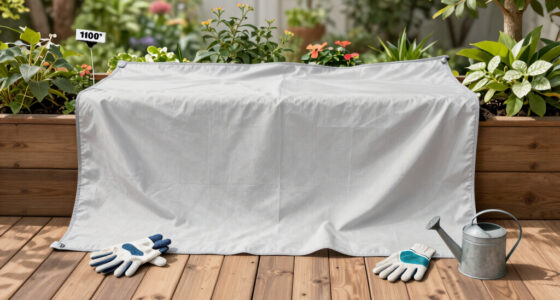
Stretch tightly between secure supports. Double layers improve opacity, but keep enough gap for air movement.
Foil on cardboard
Cut panels to fit windows and face the shiny side outward. Wedge securely without covering vents or exits.
Ladders & furniture
Use only stable, weighted pieces on level ground. Never lean conductive frames near power lines.
| Material | Heat blocking | Fast setup | Best application | Watch for |
|---|---|---|---|---|
| Reflective tarp / Aluminet | Rope or bungees through reinforced points | Porches, walls and outdoor cooling zones | Wind load; sharp or overstressed grommets | |
| White sheet or bed linen | Tie, clip or stretch between supports | Windows and temporary awnings | Rain weight, tearing and flammability | |
| Mylar emergency blanket | Tape to a rigid backing or clamp gently | Small reflectors and window panels | Glare, tearing and electrical hazards | |
| Foil-covered cardboard | Cut, tape and wedge into place | Custom-fit window protection | Moisture damage; blocked emergency exits | |
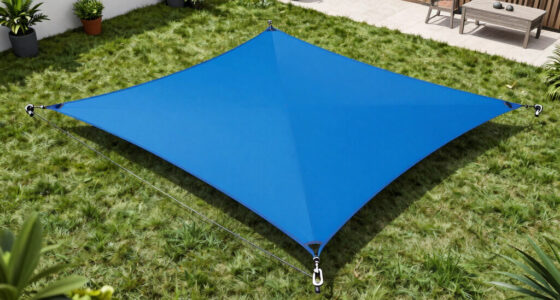
| Shade cloth, 30–90% | Tie to posts, fences or a tensioned line | Durable canopies with good airflow | Select density for the required protection |
Rig protection before the peak
A simple, stable shade is better than an elaborate build left unfinished. Work from the hottest exposure outward, test every anchor and keep all occupied spaces ventilated.
Map the sun
Identify west and south windows, walls and the room used by vulnerable household members.
15 minGather & inspect
Collect shade material, rope, clips, stakes and weighted buckets. Reject torn or unstable pieces.
20–30 minBuild high points
Attach above the target window or between sturdy supports. Avoid gutters, wires and weak branches.
30–45 minPitch outward
Angle fabric away from the wall. Maintain a ventilation gap so rising heat can escape.
20–30 minAnchor & test
Weight every low edge, tension evenly and tug-test each connection before wind arrives.
20 minHigh at the wall, low at the yard
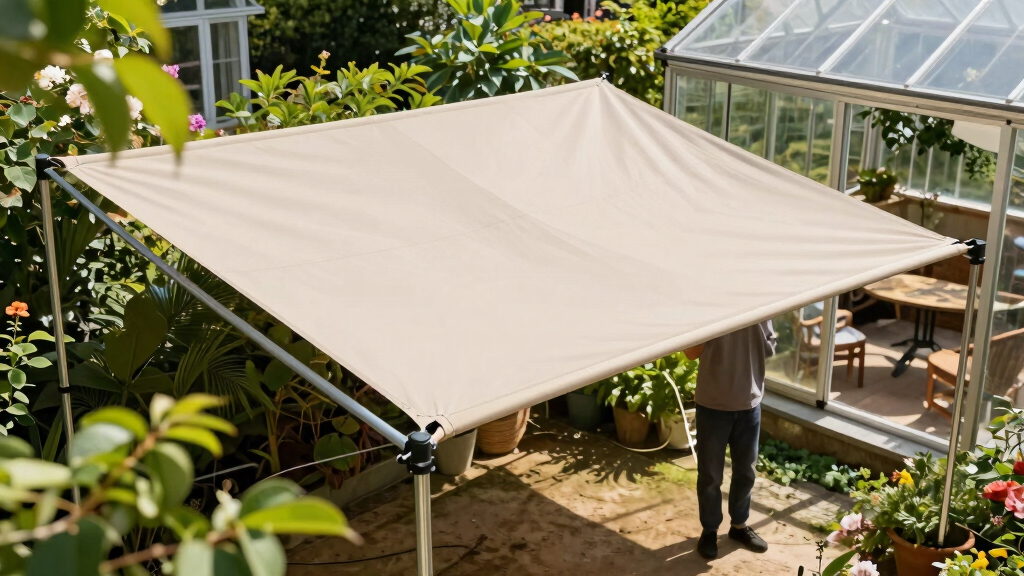
Secure above the window, pull the lower edge outward and anchor it below. This blocks direct sun while maintaining a chimney-like escape path for hot air.
Line, canopy, weighted base
Run a taut line between sound trees or posts, drape the shade across it and anchor all corners. Buckets must be heavy, stable and positioned where they cannot tip.
A tarp can become a sail
Wind, trapped heat, fire and unstable supports can turn a cooling setup into a hazard. Inspect the rig repeatedly, especially when weather changes.
Secure & ventilate
- Tie to structural supports, sound posts or weighted anchors.
- Spread tension across multiple connection points.
- Keep a generous air gap between shade and wall or glass.
- Preserve cross-ventilation on opposite sides of occupied rooms.
- Lower or remove the canopy before severe wind or storms.
Seal, spark or overload
- Never attach materials to power lines, weak branches or hot equipment.
- Never cover exhaust vents, combustion appliances or required exits.
- Keep fabric and reflective film away from grills, flames and sparks.
- Do not create a sealed tarp tent around people or pets.
- Do not assume a temporary shade is safe in gusting wind.
Block solar gain
Shade west and south exposures before direct sun heats the structure.
Move cooler air
Open shaded cross-flow paths; flush at night when outside is cooler.
Cool the body
Hydrate, mist skin, use cool showers and place damp cloths on neck or wrists.
Escalate early
Use a cooling center or emergency care when the setup cannot maintain safety.
Shade is a stopgap—not medical protection
Check people and pets frequently. Infants, older adults, outdoor workers and people with heart, kidney or respiratory conditions may deteriorate quickly. Some medications also impair sweating or temperature regulation.
Heat cramps
Painful muscle spasms, heavy sweating, thirst or fatigue.
Stop activity, move to shade, cool down and sip fluids.Heat exhaustion
Headache, nausea, dizziness, weakness, clammy skin or rapid pulse.
Cool immediately and seek medical guidance if symptoms persist or worsen.Heat stroke
Confusion, collapse, seizure, loss of consciousness or very hot skin.
Call emergency services now and begin rapid cooling while help is coming.Why Exterior Shade Outperforms Indoor Blinds in a Crisis
Exterior shading blocks the sun before it even hits your windows or walls. That means less heat gets inside, keeping your indoor space cooler. For example, a white sheet stretched over a south-facing window can cut heat gain by more than 80%. Interior curtains only slow heat inside once it’s already inside.
Imagine a family in Phoenix during a 115°F day. They drape a tarp over their west-facing porch — the hottest sun hours — and notice their living room stays noticeably cooler, even without AC. That’s the power of exterior shading.
Research from building science shows shading surfaces outside can reduce interior temps by 20–45°F. It’s the simplest first step in any heat emergency. By preventing heat from entering, exterior shading reduces the load on your cooling efforts and can help avoid overheating or heat-related health issues. It’s a proactive measure that can buy you time and comfort, especially when resources are limited.
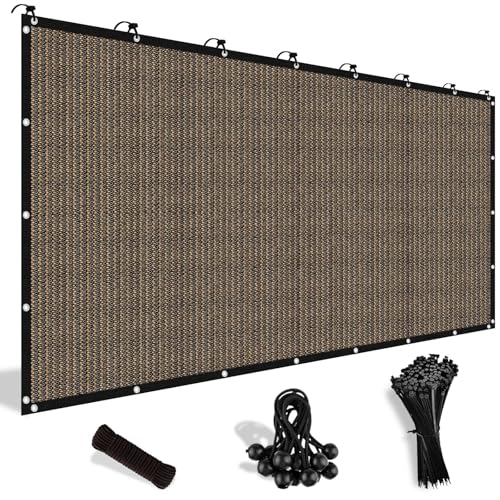
Shade&Beyond 90% Sun Shade Cloth with Grommets, 8' X 12' Pergola Shade Cover Canopy, Mesh Tarp Sun Screens for Patio, Outdoor, Garden, Backyard, Mocha
- UV Protection: Blocks 90% of UV rays and fading
- Durable Material: Made from 200GSM high-density polyethylene
- Easy Installation: Includes grommets and fixing accessories
As an affiliate, we earn on qualifying purchases.
As an affiliate, we earn on qualifying purchases.
What Materials Will Actually Block the Sun (and How to Use Them Fast)
Common household items can turn into quick shading tools. White sheets, aluminum foil, Mylar emergency blankets, or even a reflective tarp can do the job. Think about what’s available: a shower curtain coated in foil, a bed sheet pulled tight over a fence, or cardboard covered with shiny tape.
Here’s a quick rundown:
| Material | Effectiveness | Ease of Use | Best For |
|---|---|---|---|
| Reflective tarp (30–90%) | Very high | Easy to hang with rope or bungee cords | Porches, windows, outdoor shade zones |
| White sheets or bed linens | Moderate to high | Simple to stretch or tie between supports | Side yard shade, makeshift awnings |
| Aluminum foil on cardboard | High | Quick, tape or wedge into window frames | Window reflectors, interior barriers |
| Cardboard with foil | High | Cut to size, tape, wedge | Window protection, wall shields |
Using household materials is about more than just blocking sunlight; it’s about understanding the tradeoffs. For example, foil-backed materials are excellent at reflecting heat but may be less durable or weather-resistant. Sheets and fabrics are easy to deploy but might not reflect as much heat as metallic surfaces. The key is to choose materials that balance effectiveness with ease of setup, especially when time is limited. Properly securing these materials is crucial because a poorly anchored shade can be rendered useless by wind or rain, negating their benefits and potentially causing hazards. The right choice depends on your specific environment, available resources, and urgency. For instance, a quick foil-wrapped window reflector can buy you hours of relief, but it might need reinforcement if storms threaten. Knowing the implications helps you make smarter decisions in the moment, maximizing your limited resources for the greatest cooling effect.
Shade&Beyond 90% Sun Shade Cloth with Grommets, 8' X 12' Pergola Shade Cover Canopy, Mesh Tarp Sun Screens for Patio, Outdoor, Garden, Backyard, Mocha
- UV Protection: Blocks 90% of UV rays and fading
- Durable Material: Made from 200GSM high-density polyethylene
- Easy Installation: Includes grommets and fixing accessories
As an affiliate, we earn on qualifying purchases.
As an affiliate, we earn on qualifying purchases.
Step-by-Step: How to Rig a Shade Structure in Just One Afternoon
- Identify your hottest exposures — west and south walls, windows that get afternoon sun.
- Gather materials: tarps, sheets, foil, rope, stakes, or buckets filled with sand or water.
- Set up a tarp canopy: attach to a sturdy support like a fence, tree, or a set of posts.
- Angles matter: pitch the tarp outward to allow air circulation underneath — avoid sealing tight.
- Create freestanding shades: string a line between two trees or posts, hang a sheet or tarp.
- Cover windows with foil-backed cardboard or foil-covered sheets, wedged into frames or taped in place.
In a typical backyard, you can have a shaded porch or patio ready in just a few hours. Think of it as building a temporary but effective outdoor “roof” for your hottest zones. The key is to focus on strategic placement—target the areas that receive the most intense sunlight—and to set up quickly and securely. Properly pitched shades allow heat to escape and promote airflow, which is essential for effective cooling. Remember, the goal isn’t perfection but rapid deployment—so prioritize simplicity and stability to ensure your shade holds up against wind and weather. While these structures are temporary, their impact on reducing indoor heat and protecting your household from heat-related risks can be significant, especially when time and resources are scarce.

FONUNO Bubble Insulation Sheet, Reflective Insulation Roll, 23.6IN X 10FT
- Premium Material: Reflective aluminum film with bubble cushion
- Enhanced Reflectivity: Round hole design increases reflectivity
- Durable and Scratch-Resistant: Long-lasting construction for outdoor use
As an affiliate, we earn on qualifying purchases.
As an affiliate, we earn on qualifying purchases.
Safety First: How to Anchor and Avoid Common Pitfalls
Secure your shades well. Wind can turn a tarp into a sail, causing damage or hazards. Use ropes tied to sturdy supports or weighted buckets to hold edges down. Always check your setup before a gust hits.
Never block all airflow. Cross-ventilation keeps hot air from building up inside. Keep windows open opposite your shade, and avoid sealing rooms completely.
Be cautious with reflective materials. Keep them away from power lines and heat sources. Never cover vents or exhausts, and avoid fire hazards by keeping flammable fabrics or materials away from grills or sparks.
For example, a neighbor in Palm Desert anchored their tarp with bungee cords and weighted buckets. When a windstorm hit, the tarp stayed put — and they stayed safe. Proper anchoring not only prevents damage but also reduces the risk of accidents caused by flying debris or collapsing structures, which can be especially dangerous during storms or high winds. Ensuring stability and safety in your setup means you can focus on cooling without worrying about unintended hazards or property damage. Taking the time to secure your shade properly is a small investment that pays off by keeping everyone safe and your setup effective for the duration of the heat wave.
As an affiliate, we earn on qualifying purchases.
Additional Tricks to Keep Cool Without Power
Besides the shade, a few simple moves boost cooling. Open windows at night when outdoor temps drop below indoor temperatures. Use damp sheets or towels in front of open windows — just make sure the air isn’t humid or the moisture will make things worse.
Place frozen water bottles in front of fans, or use a spray bottle of water to mist your skin. Cool showers and wet towels on the neck or wrists help when temperatures spike. These low-tech tricks buy precious minutes of relief.
For example, a family in Phoenix kept their kids safe during a 112°F day by draping wet towels over their shoulders and sleeping in a shaded room with the windows open overnight. These methods work because they promote evaporative cooling, which is highly effective when humidity is low. Understanding the science behind these tricks—evaporation absorbing heat from your skin—helps you use them more effectively. They are simple, immediate tactics that can significantly reduce your perceived temperature, prevent heat exhaustion, and extend the time before more advanced cooling measures are needed. When combined with shading, these quick interventions can make a real difference in maintaining safety and comfort during extreme heat events.
Protecting the Vulnerable: Kids, Pets, and Seniors in a Heat Emergency
Heat illness can strike fast. Watch for confusion, dizziness, dry skin, or collapse. Keep water accessible and shaded areas cool. For infants and seniors, add a fan or misting spray if possible.
Pets need shade, ventilation, and constant water. Never leave them in a sealed shaded area without airflow. An outdoor shaded zone with a fan and fresh water can prevent tragedy. Ensuring proper hydration and airflow is crucial because these groups are more susceptible to heat stress. For vulnerable household members, quick cooling with fans, misting, and shaded rest areas can prevent heat-related illnesses. For animals, the risk is similar—lack of proper shade and water can cause rapid dehydration and heatstroke. Creating a shaded, ventilated space with easy access to water is a simple but vital step to keep everyone safe. Remember, early signs of heat stress—such as lethargy, excessive panting, or disorientation—should prompt immediate action, including moving to cooler environments and seeking medical help if necessary. Recognizing these signs and acting swiftly can save lives during extreme heat conditions.
Frequently Asked Questions
What’s the fastest thing I can do right now if I have no AC?
Block west-facing windows with foil-covered cardboard or sheets, open windows opposite to create cross-ventilation, and use damp towels or water bottles in front of fans if air temperatures are below 95°F. Hydrate and stay in the coolest shaded spot.
Should windows be open or closed during a heat wave?
Keep windows closed and shaded during the hottest parts of the day to prevent heat from entering. Open windows at night when outdoor temps drop below indoor temperatures, then close and shade early morning to trap cooler air inside.
Do fans actually help, or do they make it worse?
Fans only help if the indoor air is cooler than your skin — typically below 95°F. When indoor temps rise higher, fans can circulate hot air and make you feel worse. Use damp cloths or mist your skin for cooling instead when it’s very hot.
What can I use if I don’t own a tarp?
Use white sheets, shower curtains, foil-backed cardboard, or even a lightweight blanket. Drape or wedge them into supports, or tape them over windows or porches for immediate shade.
How do I keep my pets safe?
Provide shaded, ventilated outdoor zones with constant water. Never leave pets in sealed shaded areas without airflow. Check regularly for signs of heat stress and bring them indoors or to a cooling spot if symptoms appear.
Conclusion
Fast, effective heat protection is within your reach — even in the middle of a heat wave. With a few hours and some household supplies, you can turn your yard into a shaded refuge. Think of it as giving your home a quick, powerful layer of armor against extreme heat.
In scorching weather, a simple shade rig isn’t just comfort — it’s survival. So grab what you have, set it up, and breathe easier knowing you’ve made a real difference in the fight against the heat.
Labor Day sales Picks
labor day deals
As an affiliate, we earn on qualifying purchases.