TL;DR

Get garden gear delivered free — and shop member deals
- Fast, free delivery on millions of items
- Access to Prime Big Deal Days deals on October 6–7
- Prime Video, Amazon Music and more included
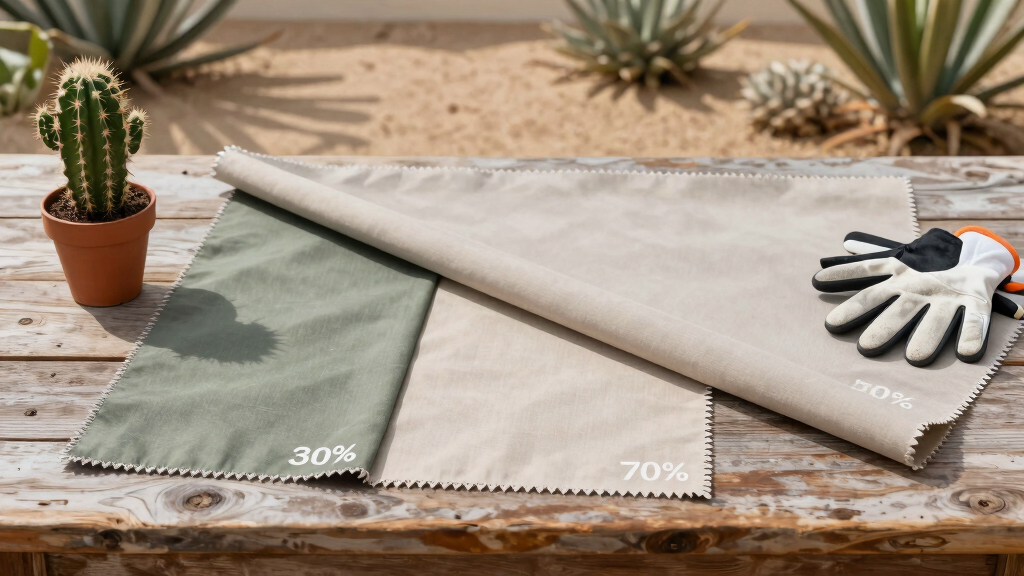
Shade cloth percentages block varying amounts of sunlight—30%, 50%, or 70%. Choosing the right level depends on your plants’ needs and climate, affecting temperature, water use, and plant health. Higher percentages offer more protection but cost more.
Imagine your desert garden during the hottest part of summer. Sun blazes down, heat radiates off the ground, and plants seem to wilt even before noon. You want to protect your plants without turning your outdoor space into a cave.
Knowing how much sunlight a shade cloth blocks—whether 30%, 50%, or 70%—can make all the difference. It’s not just about cooling; it’s about giving your plants the right amount of light to thrive while keeping temperatures manageable.
A 30% shade cloth blocks about 30% of sunlight, letting most of the sun through, suitable for hardy desert plants.
50% shade cloth balances light and heat reduction, ideal for most desert plants and seedlings that need protection from midday scorch.
70% shade cloth significantly reduces sunlight, lowering temperatures and creating microclimates for sensitive plants or shaded seating areas.
Proper installation and positioning maximize shade cloth effectiveness and prolong its lifespan.
Choosing the right shade depends on plant needs, climate, and budget—most desert gardens benefit from around 50% shading.
What does each shade percentage really do for your plants?
Shade percentages tell you how much sunlight the fabric blocks. Think of it as sunglasses for your garden. 30% shade cloth lets in about 70% of sunlight, so it’s like a light pair of sunglasses—good for plants that tolerate sun but need some relief from intense rays.
With 50% shade cloth, you block half the sun—ideal for many desert plants that get scorched during midday but still need some sun to grow. And 70% shade cloth is like turning down the brightness to a shaded patio—perfect for sensitive plants or creating cooler microclimates.
For example, a young aloe vera or a delicate cactus might do well under 50%, while a more sun-hardy prickly pear can handle 30%. Understanding these differences helps you tailor your garden’s microclimate. For instance, over-shading can hinder plant growth by limiting necessary photosynthesis, while under-shading might cause heat stress. Balancing these factors is key to a thriving desert garden.
As an affiliate, we earn on qualifying purchases.
How shade percentage impacts temperature and water use
Higher shade levels don’t just cut sunlight—they also lower surface and air temperatures underneath. This cooling effect is crucial because it directly influences plant health and water conservation. Cooler microclimates mean less evaporation from soil and plant tissues, helping your garden retain moisture longer. This is especially vital in desert environments where water is scarce. For example, a 70% shade cloth can lower surface temperatures by as much as 15°F, significantly reducing heat stress and making your plants more resilient during peak heat. The tradeoff is that excessive shading might limit photosynthesis if overdone, so it’s important to find a balance that protects without starving your plants of necessary light.
During a hot day of 110°F, shaded areas under 70% fabric might stay closer to 95°F, providing a cooler environment for roots and reducing the risk of heat-related damage. This microclimate moderation can be the difference between a thriving garden and one that struggles with stress and water loss. However, too much shading might inhibit flowering or fruiting, so consider your specific plant needs when choosing your shading level.
As an affiliate, we earn on qualifying purchases.
Comparison table: Which shade level fits your desert garden?
| Shade Percentage | Sunlight Blocked | Ideal For | Temperature Reduction | Cost |
|---|---|---|---|---|
| 30% | Blocks 30% | Sun-hardy plants, mature cacti, succulents | Moderate | Lower |
| 50% | Blocks 50% | Most desert plants, young seedlings, sensitive species | Significant | Moderate |
| 70% | Blocks 70% | Very sensitive plants, creating microclimates, shaded seating | High | Higher |
shade cloth for cactus and succulents
As an affiliate, we earn on qualifying purchases.
As an affiliate, we earn on qualifying purchases.
Practical tips for installing and using shade cloth effectively
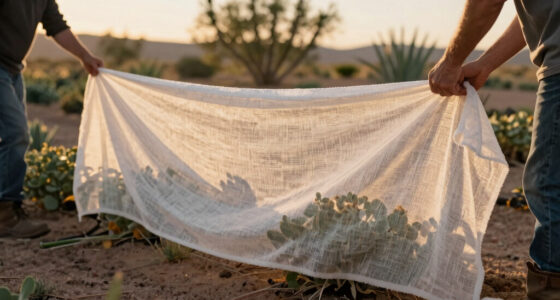
Installing shade cloth isn’t just draping fabric over a frame. It’s about securing it tight and high enough to prevent sagging, which can cause damage or reduce shading. Use sturdy clips or zip ties, and stretch the fabric smoothly.
For example, set up a simple frame using metal pipes or wood, then attach the cloth with clips, ensuring it’s taut. This keeps airflow open and prevents water pooling after rain or watering.
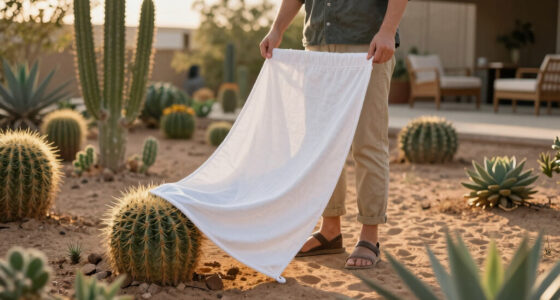
In a desert garden, positioning the cloth so it blocks the harshest midday sun—around 11 am to 3 pm—maximizes its benefit. Remember, you can adjust as seasons change.
outdoor shade cloth for microclimates
As an affiliate, we earn on qualifying purchases.
As an affiliate, we earn on qualifying purchases.
How to pick the right shade cloth for your desert plants
- Identify your plants’ sun tolerance. Are they tough or delicate?
- Assess your climate—how intense is the sun and how long does it last?
- Decide on your goal—cooler microclimate, water savings, or sun protection?
- Choose a shade percentage that balances these needs. For most desert gardens, 50% strikes a nice balance.
- Consider durability and cost—higher percentages tend to last longer but cost more upfront.
For example, if you’re growing young succulents in a high-heat area, a 50% shade cloth offers enough protection without stunting growth. Remember, selecting the appropriate shade level is about understanding your plant’s specific needs and your local climate conditions. Over-shading can hinder growth by limiting essential sunlight, while under-shading risks heat damage. Tailoring your shade choice ensures your garden’s success.
Frequently Asked Questions
Which shade percentage is best for desert gardens?
Most desert gardens do well with 50% shade cloth, offering a good balance of light reduction and heat mitigation. Sensitive plants or microclimates may benefit from 70%, while hardy cacti can often handle 30% with no problem.
Can I leave shade cloth up year-round?
Yes, but consider seasonal needs. During peak summer, shading protects plants and reduces watering. In cooler months, some plants might prefer more sun, so adjust or remove the cloth accordingly.
How do I prevent shade cloth sagging or tearing?
Secure the fabric tightly with sturdy clips or zip ties, and install over a strong frame. Regularly check for loose spots or wear, especially after storms or high winds, to keep your shade effective and long-lasting. Proper tensioning and maintenance are key to avoiding sagging or tearing, which can compromise shading effectiveness and damage the fabric over time.
Will shade cloth affect plant growth?
Proper shading reduces stress and water needs, often improving growth. However, too much shade can limit photosynthesis. Always match the shade level to your specific plants’ light requirements, and monitor their response to adjust as needed.
How long does shade cloth last?
With quality UV-stabilized fabric, expect 5-10 years of effective use, depending on exposure and maintenance. Regular cleaning and avoiding sharp damage extend its lifespan. Investing in durable material and proper installation ensures your shade cloth remains effective longer, saving money in the long run.
Conclusion
Understanding how different shade cloth percentages impact sunlight, temperature, and water use helps you craft a smarter desert garden. It’s not about blocking all the sun but finding the right balance for your plants to thrive.
Next time you set up shade, think of it as tuning a radio—adjust the level until your garden hits the perfect note of heat, light, and growth.
Halloween Picks
halloween
As an affiliate, we earn on qualifying purchases.