TL;DR

Get garden gear delivered free with Prime
- Fast, free delivery on millions of items
- Prime Video, Amazon Music and more included
- Member-only deals all year
Sunburn in agave and prickly pear shows as browning, scarring, or soft spots. Quick action—moving plants to shade, removing damaged tissue, and gradual sun exposure—helps recovery. Prevention through acclimation and shading is key.
Picture your favorite desert plant, basking under the sun. Suddenly, its edges turn crispy, and patches of brown scar the once vibrant leaves. That’s sunburn, and it’s more common than you think, especially if your succulents get hit with sudden, intense rays.
If your agave or prickly pear looks like it’s been scorched, don’t panic. This guide walks you through spotting sunburn, understanding what’s happening, and getting your plants back on their feet. Whether you’re a seasoned desert gardener or just starting out, knowing how to recognize and treat sunburn saves your plants—and your peace of mind.
Identify sunburn early by looking for localized browning, scarring, or crispy patches on your succulents.
Move plants to shade immediately after noticing sun damage; prune away severely damaged tissue to promote healing.
Gradually reintroduce sunlight over weeks to prevent future burns, especially after severe damage.
Choose sun-tolerant cultivars and use reflective mulches or shade during peak heat.
Patience is essential—recovery can take weeks or months depending on damage severity.
Sunburned Agave and Prickly Pear
Diagnosis and recovery begin with the pattern. Localized browning, bleaching, scars, or soft spots—especially on the sun-facing side—point to solar damage. Reduce exposure quickly, protect healthy tissue, and rebuild tolerance gradually.
Sunburn is directional, localized, and often sharply defined
Pale tips and dry edges
Blue-green leaves bleach to tan, then develop rough, crispy patches that may spread inward from exposed tips.
One-sided pad damage
Yellow or dull areas appear on the sun-facing surface before turning brown, corky, sunken, or brittle.
Soft or collapsing tissue
Deep injury can weaken cells and invite rot. Wet, spreading, odorous, or moldy tissue needs closer inspection.
| Diagnostic clue | Sunburn | Pests | Disease or rot | Water stress |
|---|---|---|---|---|
| Localized on sun-facing side | ✓Strong match | ✗Usually scattered | ~Possible | ✗Usually broader |
| Bleached, tan, or corky scar | ✓Typical | ~Sometimes | ~Possible | ✗Less typical |
| Holes, residue, fuzz, or insects | ✗Not typical | ✓Strong match | ~Fuzz possible | ✗Not typical |
| Wet, spreading, or foul tissue | ✗Unless secondary rot | ✗Less typical | ✓Strong match | ~Possible |
| Recent move into stronger light | ✓Key evidence | ✗Unrelated | ✗Not decisive | ~Indirect link |
The culprit is often sudden intensity—not sunlight alone
Agave and prickly pear can thrive in strong sun, but unacclimated tissue is vulnerable to abrupt UV increases, reflective heat, dry wind, and extreme afternoon temperatures.
Relative burn-pressure factors
Protect first. Prune selectively. Rebuild tolerance slowly.
Existing scars may not disappear, but healthy tissue can stabilize and new growth can emerge normally. The goal is to stop repeat damage while avoiding excess moisture and unnecessary cutting.
Shade
Move the plant out of harsh afternoon sun immediately.
Inspect
Check firmness, spread, moisture, odor, and tissue beneath the mark.
Prune
Remove only severely damaged or decaying tissue with sterile tools.
Dry
Let soil dry fully between waterings and maintain drainage.
Acclimate
Restore morning light first, then extend exposure over weeks.
Recovery checklist
- Choose bright shade: keep good ambient light without peak direct rays.
- Cut conservatively: dry cosmetic scars can remain if tissue is firm.
- Sterilize tools: clean blades before and after removing compromised tissue.
- Protect wounds: keep fresh cuts dry and well ventilated while they callus.
- Watch new growth: healthy emerging leaves or pads are the clearest recovery signal.
Expected recovery horizon
Build resilience around light, timing, and microclimate
Prevention is a gradual process. Match the cultivar to the site, reduce reflected heat, protect plants during extremes, and let each increase in direct sun become familiar before adding more.
Acclimate in stages
Begin with short periods of morning sun, increasing duration only when no fresh bleaching appears.
Shade peak hours
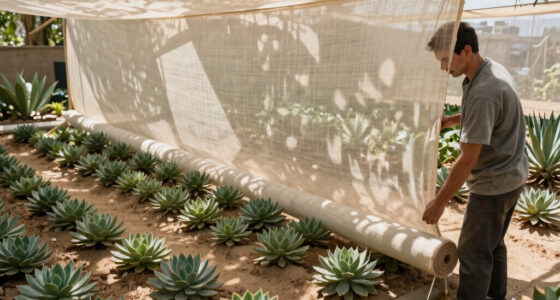
Use shade cloth, taller plants, or temporary barriers during extreme afternoon heat.
Audit reflection
Check nearby walls, glass, concrete, and metal for concentrated light or radiant heat.
Water with restraint
Water deeply but infrequently in well-draining soil; do not keep stressed roots constantly wet.
A practical four-stage sun transition
Read the signal, remove the stress, confirm healthy growth
Each decision should follow visible evidence rather than the scar alone.
How to Spot Sunburn in Your Agave and Prickly Pear
Sunburn in succulents shows up as discoloration—browning, bleaching, or scorch marks on the leaves or pads. Often, these spots start at the tips or edges and spread inward, like a wildfire creeping across dry brush.
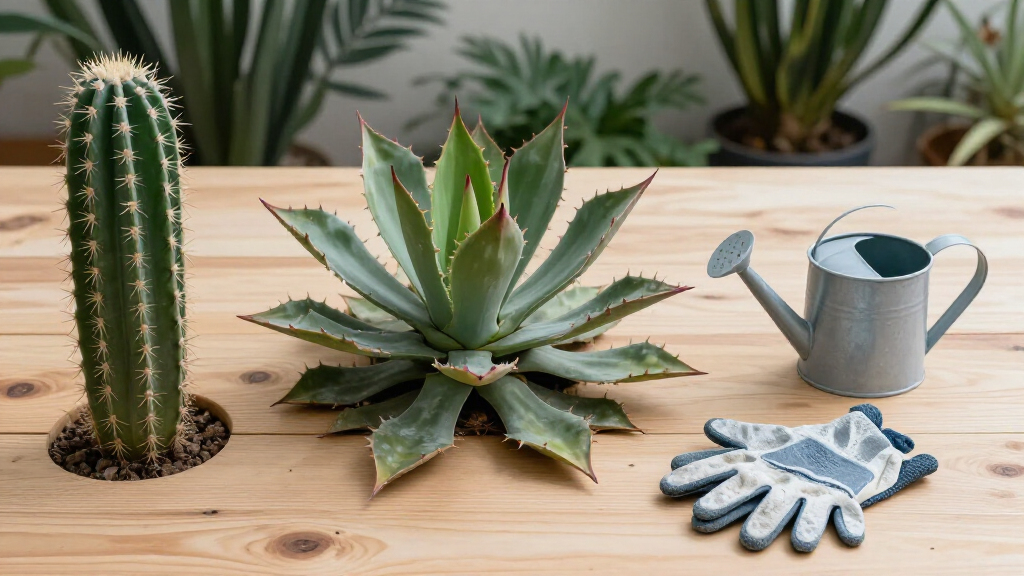
For example, a healthy agave might have deep blue-green leaves with sharp, pointed tips. After a heatwave, you might notice the tips turn pale or tan, with rough, sunken patches. Prickly pear pads can develop dull, yellowish spots that turn crispy and brown, especially on the side facing the sun.
Look for patterns—sunburn damage is usually localized, unlike pests or disease that spread irregularly. A quick visual check can tell you if the damage is due to sun exposure or something else. Recognizing these patterns is crucial because it helps you determine whether the issue stems from environmental stress or other factors, guiding your corrective actions more effectively.
As an affiliate, we earn on qualifying purchases.
What Causes Sunburn in Desert Plants? The Surprising Culprits
Sunburn in agave and prickly pear isn’t just about hours in the sun. It’s often about sudden changes or extremes. Moving a plant from shade to full sun too quickly shocks the tissue, which isn’t used to those intense rays. This abrupt transition can cause cellular damage, leading to the crispy, scarred appearance typical of sunburn.
Hot, reflective surfaces—like concrete patios, metal roofs, or white walls—bounce sunlight onto your plants, intensifying the burn risk. When sunlight reflects off these surfaces, it can increase UV exposure by 30-50%, overwhelming the plant’s natural defenses. Windy days can also dry out tissues faster, weakening cell walls and making plants more vulnerable to sun damage.
Recent studies highlight that plants exposed to UV levels 30% higher than their usual range—like during a heatwave—are 50% more likely to develop sunburned patches. This means climate shifts and urban environments with reflective surfaces are increasing sunburn risks, even for hardy succulents. Understanding these factors allows you to modify your care strategies—like shading or acclimation—to reduce the likelihood and severity of sunburn.
As an affiliate, we earn on qualifying purchases.
Step-by-Step: How to Diagnose Sunburn in Your Succulents
- Inspect the plant closely—look for discoloration, scarring, or sunken patches. Deep, localized damage indicates sunburn, especially if it aligns with the sun’s position.
- Check the pattern—damage is usually localized on the side facing the sun, which helps differentiate sunburn from pests or disease that often appear more irregular or widespread.
- Compare symptoms—pests often cause holes, sticky residue, or fuzzy patches, while disease may show mold, fuzzy growth, or spreading discoloration. Recognizing these differences prevents misdiagnosis.
- Assess recent changes—was the plant moved or exposed to more sun recently? Sudden increases in sun exposure often correlate with new damage, confirming sunburn as the cause.
- Gently scrape a small area—if healthy tissue underneath is green or white, it’s likely sunburn, not rot or pest damage. This simple test helps confirm your diagnosis quickly and accurately.
For example, a prickly pear pad with crispy brown edges on the side that faces south indicates sunburn. If the tissue underneath is still firm and green, the damage is localized and repairable. If everything looks decayed or moldy, you might be dealing with rot or mold instead, which requires different treatment approaches.
As an affiliate, we earn on qualifying purchases.
How to Help Your Sunburned Agave and Prickly Pear Heal Faster
Once you identify sunburn, act quickly. The goal is to prevent further tissue damage and promote healthy regrowth, which can be a delicate balance. Removing damaged tissue reduces the risk of rot and infection, while gradual reintroduction to sunlight allows your plant to build tolerance without suffering additional burns.
- Move the plant into a shaded or semi-shaded spot. Use shade cloth or place it behind taller plants to reduce direct sun exposure during the hottest hours, giving the plant time to recover and strengthen cellular defenses.
- Remove severely damaged tissue—cut away crispy, brown parts with sterile pruning shears. This prevents rot, reduces pathogen entry points, and encourages the growth of healthy new tissue, which is essential for recovery.
- Gradually reintroduce sunlight. Start with morning sun for a few hours, then slowly extend exposure over several weeks. This slow acclimation minimizes shock, allowing cellular repair mechanisms to catch up.
- Adjust watering—let soil dry completely between waterings to prevent rot, especially if tissue is damaged. Overwatering can compound stress, so monitor soil moisture carefully.
- Use reflective mulch or light-colored gravel around the base to reduce reflected heat and UV intensity, creating a buffer zone that moderates the microclimate around your plant.
For example, a homeowner in Phoenix found that moving her agave to a shaded corner for two weeks, then slowly increasing sun exposure, prevented further scorching and helped new leaves emerge healthier. The key is patience and gentle handling, which respects the plant’s recovery process and prevents setbacks.
AmazonAs an affiliate, we earn on qualifying purchases.
Prevent Future Sunburns: Easy Tips to Keep Your Succulents Safe
Prevention beats cure. Here’s how you can keep sunburn at bay by understanding your plant’s needs and environmental factors. Recognizing that sudden exposure or reflection can overwhelm your plant’s natural defenses helps you plan accordingly, reducing stress and potential damage.
- Introduce new plants to full sun gradually—start with a few hours a day and increase exposure over several weeks. This slow process allows cellular structures to adapt, reducing the chance of sunburn.
- Use shade during the hottest part of the day, especially in summer months. Temporary shading can prevent heat stress and cellular damage, preserving plant health during extreme conditions.
- Apply light-colored mulch or reflective materials around the base to deflect intense rays. These materials create a microclimate that reduces reflected UV radiation, decreasing overall stress.
- Water deeply but infrequently—soil needs to dry out between waterings to avoid tissue stress and root rot. Proper watering supports cellular resilience against UV damage.
- Choose plant varieties known for higher sun tolerance, like some Agave americana cultivars. Selecting resilient cultivars is a proactive way to ensure your garden withstands intense sun without damage.
Imagine your plant as a sunbather—start slow, give it some shade, and don’t let it get scorched. This mindful approach helps your succulents develop natural resilience and minimizes the risk of future sunburns.
Comparison Table: Sun Tolerance in Common Succulents
Plant Type Sun Tolerance Best Practices Agave americana High — withstands 6+ hours of direct sun Gradual acclimation, shade during peak hours Prickly Pear (Opuntia) Moderate — 4-6 hours Monitor for sunburn spots & adjust exposure Blue Agave High — very sun-hardy Plant in full sun, avoid sudden changes Some cultivars of Agave parryi Lower — 2-4 hours Provide shade in hot afternoons When to Prune or Remove Sun-Damaged Parts
Pruning sunburned tissue is like trimming a burned finger—removing the dead helps healing and prevents rot. Use sterilized scissors or pruners to cut away crispy, brown parts just above healthy tissue. Doing this not only removes visibly damaged areas but also reduces the risk of infection or fungal growth that could compromise the entire plant. Proper pruning encourages the plant to focus its energy on healthy tissue, promoting faster recovery and reducing stress.
For example, a prickly pear pad with scorched edges can be trimmed back to a healthy, green section. This targeted removal prevents the spread of damage and supports new growth from unaffected areas. It’s a strategic step that balances immediate relief with long-term health.
Don’t over-prune; leave enough healthy tissue to support regrowth. If in doubt, remove only the most damaged parts and wait for new leaves or pads to emerge, giving the plant time to recover without unnecessary stress.
How Long Will It Take for Your Plant to Recover?
Recovery time depends on the extent of damage. Mild sunburn might heal within a few weeks, with new leaves pushing out as the plant recovers. This quick turnaround is possible because the plant’s cellular structures can repair minor injuries efficiently, especially with proper care. Severe burns, especially those causing tissue death, can take months—sometimes even years—to fully heal or regenerate. Such extensive damage often results in scars or permanent loss of some leaves or pads, but with patience, the plant can often recover its overall vigor.
For example, a homeowner in Tucson watched her agave sprout new, healthy leaves in about 6 weeks after proper shade and pruning. Conversely, a more severely sunburned prickly pear took nearly 4 months to show significant recovery, highlighting that patience and consistent care are vital. Recognizing the difference between minor and major damage helps set realistic expectations and guides your ongoing management strategies.
Patience is key. Keep monitoring, and don’t rush to prune too aggressively—sometimes, plants need time to repair their tissues naturally. Over-pruning or rushing recovery can cause further stress, so giving your plants time is an investment in their long-term health.
Frequently Asked Questions
Can my sunburned agave recover completely?
Mild sunburn can heal completely with proper care, but severe tissue damage might leave scars or result in permanent loss of some leaves. Regular monitoring and gentle pruning boost chances of full recovery.How do I prevent my prickly pear from sunburning again?
Introduce it gradually to full sun, provide shade during the hottest hours, and avoid sudden exposure changes. Using light-colored mulch or reflective materials can also help deflect intense rays.Is it safe to prune sunburned parts near children or pets?
Yes, but always wear gloves, eye protection, and sterilized tools. Prune in a well-ventilated area and keep damaged debris away from children and pets to prevent injury or toxicity if the plant is toxic.How do I tell if the damage is from sunburn or pests/disease?
Sunburn damage is usually localized with crispy, brown patches on the side facing the sun. Pests or disease often cause fuzzy, sticky, or widespread discoloration, sometimes with holes or mold.Conclusion
Sunburn in agave and prickly pear isn’t a death sentence—it’s a wake-up call for better care. The key is quick action: move, prune, and slow down exposure. Your resilient desert plants can bounce back if you treat them right.
Remember, a little shade, patience, and smart planning go a long way. In the blazing desert sun, your plants are tough—just like you. Give them the right care, and they’ll keep thriving in the heat.
FALL YARD WORK Fall yard work Picks
leaf blowersleaf blowers
As an affiliate, we earn on qualifying purchases.