TL;DR

Get garden gear delivered free — and shop member deals
- Fast, free delivery on millions of items
- Access to Prime Big Deal Days deals on October 6–7
- Prime Video, Amazon Music and more included
In Phoenix, too much shade can make plants weak, leggy, and prone to pests. The key is balancing shade and sun—using smart techniques to protect plants from heat while providing enough light for healthy growth.
Think shade is always good in the desert? Not quite. In Phoenix’s blistering heat, shade can save your plants from scorching—but too much and you might be starving them of the sunlight they need to survive and thrive.
This guide helps you understand the fine line between protecting your plants from intense heat and giving them enough light to stay healthy. We’ll explore how excess shade can weaken your garden and show you practical ways to strike the perfect balance.
Native desert plants thrive in full sun and often don’t need extra shade, saving water and effort.
Signs of too much shade include leggy growth, pale leaves, and poor flowering; observe your plants regularly.
Use light, breathable shade fabrics or strategically plant deciduous trees to protect from extreme heat without starving plants of light.
Balance is everything—aim to shield plants from the hottest sun while still giving them at least 6 hours of direct light daily.
Tailor your plant choices and shading methods to Phoenix’s intense sun and high temperatures for a resilient, water-smart garden.
Why Too Much Shade Weakens Your Plants in Phoenix
Shade in Phoenix isn’t just about blocking the sun; it’s about what your plants need to stay strong. Native desert plants like agave, yucca, and desert marigold actually love the full sun, soaking up over 300 days of sunshine a year.
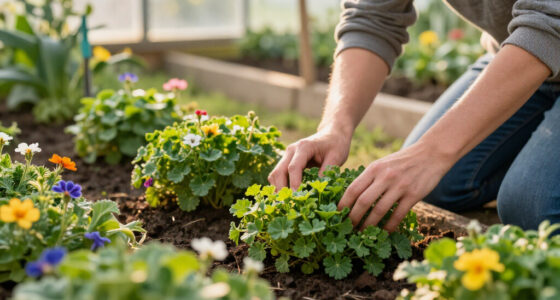
When you cover them with too much shade—say, a dense pergola or heavy fabric—they can become leggy, pale, and less vibrant. Their growth weakens, flowering drops, and they become more vulnerable to pests and diseases because they’re not getting enough light to produce energy.
For example, a gardener once shaded her desert marigolds under a thick tree canopy. Instead of lush, bright blooms, she saw pale, stretched-out flowers and sparse foliage. Too much shade starves plants of the light they crave for photosynthesis.
This demonstrates that shade isn’t just a matter of comfort; it directly influences a plant’s ability to produce the energy necessary for growth, flowering, and resilience. Excessive shade can compromise a plant’s overall health, making it less capable of withstanding environmental stresses like drought or pests. Therefore, understanding the specific light needs of each plant is crucial to maintaining a healthy desert garden.
As an affiliate, we earn on qualifying purchases.
How to Spot if Your Plants Are Getting Too Much Shade
- Leggy Growth: Plants stretch toward the sun, looking spindly and weak. This indicates they are reaching for light, which can lead to unstable, fragile stems and poor structural development.
- Pale or Yellowing Leaves: Insufficient light reduces chlorophyll production, causing leaves to appear washed out or yellow. This diminishes the plant’s ability to photosynthesize, weakening it over time.
- Poor Flowering: When plants don’t receive enough light, their energy is diverted away from flowering and seed production, resulting in fewer blooms or no flowers at all.
- Check Your Shade: Observe how much direct sunlight your plants get during the day. If they’re mostly in shadow for extended periods, it’s a sign they may be under-shaded or in too much dense shade, both of which can hamper growth.
For example, a gardener notices her young desert hibiscus isn’t flowering well. It’s growing tall and spindly—clear signs it’s reaching for more light. Adjusting the shade helped it bloom beautifully. Recognizing these symptoms early allows you to modify shading strategies before plant health declines further, ensuring your garden remains vigorous and productive.
This awareness is critical because the tradeoff between too much and too little shade isn’t always obvious. Regular observation and understanding what healthy growth looks like in your specific plants can prevent long-term health issues caused by improper shading.
As an affiliate, we earn on qualifying purchases.
Smart Ways to Shade Your Phoenix Garden Without Starving Plants
In Phoenix, the goal is to shield plants from the worst of the heat without blocking out all the sun. Here are five practical strategies:
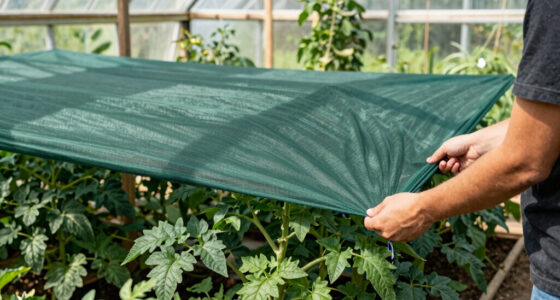
- Use Shade Cloths: Light, breathable fabrics that block 30-50% of sunlight, reducing temperature by up to 20°F. This prevents heat stress while still allowing enough light for photosynthesis.
- Plant Deciduous Trees: Trees like mesquite or palo verde provide summer shade that cools the environment, but they shed leaves in winter to allow sunlight in when temperatures are cooler, preventing over-shading year-round.
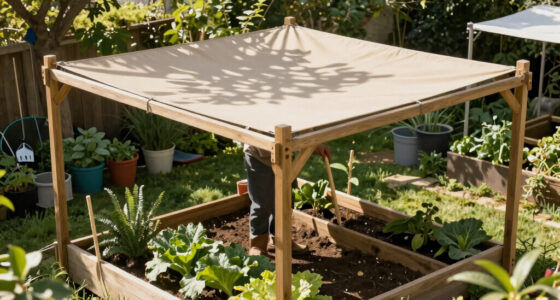
- Adjust Pergolas or Arbors: Cover with shade fabrics or vines that can be moved seasonally. This flexibility helps you fine-tune shading based on seasonal sun angles and weather conditions.
- Leverage Natural Structures: Position plants near walls, fences, or structures that cast manageable shadows during the hottest parts of the day, effectively creating microclimates that reduce heat stress without overly shading the plants.
- Timing and Placement: Plant sun-loving species in spots that get full sun, and place shade-tolerant plants where they’ll be protected from the intense afternoon sun. This strategic placement ensures each plant receives optimal light for its needs.
For example, a gardener shields her succulents with a shade cloth during the peak summer months, then removes it in early fall. This method balances protection from extreme heat with access to enough sunlight, promoting healthy, resilient growth while minimizing stress.
Understanding the tradeoffs—like how too much shade can inhibit growth or how inadequate shading can cause heat damage—is key to creating a resilient garden in Phoenix. The right shading approach enhances plant health, conserves water, and reduces maintenance.
plant shade netting for sun protection
As an affiliate, we earn on qualifying purchases.
As an affiliate, we earn on qualifying purchases.
Choosing the Right Plants for Full Sun and High Heat
Some plants love the desert sun so much, they practically thrive in it. Native species like agave, desert marigold, and yucca are built for Phoenix’s blazing heat and intense sunlight.
If you want a garden that demands less shading, focus on these hardy, drought-tolerant plants. They’re tough, require less water, and can handle the full sun without fuss.
In contrast, non-native plants like ferns or gardenias struggle under the relentless sun unless you give them shade and extra moisture.
Consider mixing native plants with carefully placed shade structures to create a resilient, water-wise garden that stays lush without over-shading.
Choosing plants that are naturally adapted to high heat not only reduces the need for supplemental shading but also ensures your garden remains sustainable and low-maintenance, especially in drought-prone conditions.
This strategic selection of climate-smart plants minimizes the tradeoffs associated with over-shading and maximizes resilience against the desert’s harsh environment.
As an affiliate, we earn on qualifying purchases.
How Shade and Heat Interact — The Balancing Act
Shade reduces heat stress but can deprive plants of needed sunlight. Too much shade and your plants may weaken, too little and they risk scorching.
Think of it like a sunscreen for your skin—just enough to block the burning rays but not so much that you can’t get vitamin D.
In Phoenix, many gardeners use shade to prevent heat damage during the hottest months, but they also ensure plants still receive at least 6 hours of direct sun daily. This is the sweet spot.
For instance, a shaded patio with a pergola covered in climbing vines offers a cool refuge for tender succulents while still providing enough light for hardy desert plants. The key is understanding that the interaction between shade and heat isn’t static; it requires ongoing adjustment based on seasonal changes, plant needs, and weather conditions. Finding this balance is essential for creating a flourishing desert landscape that is both resilient and sustainable.
Frequently Asked Questions
Can plants in Phoenix survive with less sunlight?
Many native plants like agave and yucca thrive in full sun, often needing no shade at all. However, tender or non-native species may need protection from the extreme heat and can benefit from partial shading.
How do I know if my plant is getting too much shade?
Look for signs like leggy growth, pale or yellowing leaves, and poor flowering. Adjust shading if these symptoms appear, especially during the hottest months.
What are the best shading options for a Phoenix garden?
Use light, breathable shade cloths, plant deciduous trees, or create structures with movable shade fabrics. Position shade-providing plants and structures thoughtfully for maximum effect.
How can I protect my plants from the intense heat without depriving them of light?
Combine partial shading, mulching, and watering with strategic placement of shade structures. This approach keeps plants cool and healthy while still allowing enough sunlight for growth.
Are there plants that tolerate both shade and heat in Phoenix?
Yes, native desert plants like agave, yucca, and desert marigold handle full sun and high temperatures without fuss. They’re your best bet for a low-maintenance, drought-tolerant garden.
Conclusion
In Phoenix, the biggest mistake isn’t shading your plants—it’s shading them too much. Finding the right balance makes all the difference between a wilted, leggy garden and one that’s vibrant, healthy, and drought-smart.
Think of shade as a tool, not a blanket. Use it wisely, and watch your desert garden flourish in the intense sun.
Halloween Picks
halloween
As an affiliate, we earn on qualifying purchases.