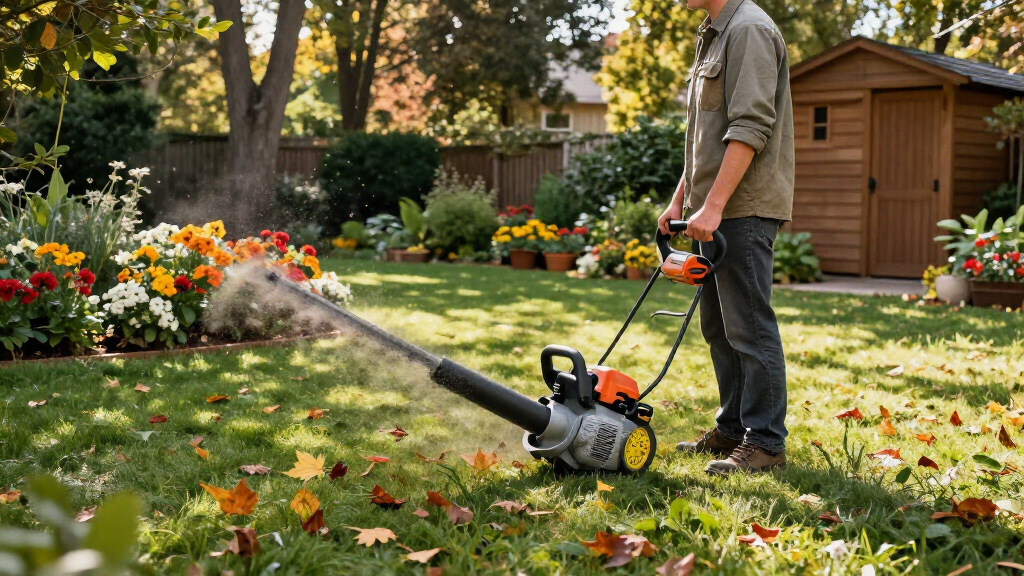

Gas-powered leaf blowers still dominate when you need raw clearing power and unrestricted runtime, and the gap between the best and the rest is wider than most buyers expect. The VEVOR 63CC backpack blower earns my best overall pick for pairing an 1110 CFM output with a price that undercuts big-name rivals by a wide margin. If brand support and dealer networks matter more, the Husqvarna 150BT is the safest long-term bet, while the ECHO PB-2520 stands out as the handheld to beat for smaller yards. The main tradeoff in this category is straightforward: backpack models move serious debris but cost more and weigh more, while handhelds are lighter and cheaper but run out of muscle on wet leaves. Below, I break down all 15 models, who each one is for, and which ones you should skip.

Get garden gear delivered free with Prime
- Fast, free delivery on millions of items
- Prime Video, Amazon Music and more included
- Member-only deals all year
Complete the kit


Key Takeaways
- The VEVOR 63CC delivered the highest airflow figure in the lineup at 1110 CFM while costing less than half of premium-brand backpacks, making it the standout value-power pick for 2026.
- Generic-brand backpack blowers (HTK, PROYAMA, 52cc, and the 72CC commercial model) dominate on raw specs, but Husqvarna and ECHO win on parts availability, warranty support, and resale value.
- Several handheld models in this roundup appear nearly identical on paper (432 CFM, 180 MPH, 25.4cc), which tells you they share engines and that price and warranty should decide between them.
- Four-cycle handhelds like the SENIX 4QL eliminate fuel mixing entirely, a meaningful convenience advantage for beginners even though they give up some power to 2-cycle rivals.
- The biggest performance divide in this roundup was not CFM but wet-leaf capability: only the 63cc+ backpack class could reliably move soaked leaves and light snow, while every handheld struggled.


| gas-powered leaf blower | Airflow | Engine |
|---|---|---|
| Backpack Gas-Powered Leaf Blow | 850 CFM | — |
| Husqvarna 150BT Gas Backpack L | 765 CFM | 51-cc, 2.16-HP 2-cycle |
| 25.4CC Gas Leaf Blower | 432 CFM | 25.4cc 2-cycle gas |
| Gas Leaf Blower | — | — |
| ECHO PB-2520 25.4cc Handheld L | — | 25.4cc gas |
| Husqvarna 125B Gas Leaf Blower | 470 CFM | 2-cycle, 28-cc, 1.1-HP |
| 26cc Gas Leaf Blower | 380 CFM | 26cc 2-cycle |
| HTK Gas Backpack Leaf Blower | — | 63CC 2-stroke |
| SENIX 4QL 26.5cc 4-Cycle Handh | — | 26.5 cc 4-cycle |
| Lightweight Handheld Gas Leaf | 432 CFM | — |
| PROYAMA 72CC Gas Backpack Leaf | 880 CFM | 72CC 2-cycle |
| 52cc Backpack Leaf Blower | 550 CFM | — |
| VEVOR 63CC Gas Backpack Leaf B | 1110 CFM | — |
| 28 CC Gas Leaf Blower | — | — |
| 72CC Gas Leaf Blower | 760 CFM | 72CC 2-stroke |
More Details on Our Top Picks
Backpack Gas-Powered Leaf Blower, 2.7kW, 850 CFM, 63CC, 4.3HP
This option stands out for buyers who want near-commercial airflow without the brand-name price. With a 63CC engine pushing 850 CFM, it sits comfortably above the Husqvarna 150BT’s 765 CFM while costing less, and the 1.8L fuel tank means fewer refueling stops on big properties. The adjustable air outlet (120° up/down, 135° left/right) is a genuinely useful touch the Husqvarna doesn’t match, letting you angle airflow without repositioning the whole unit. The tradeoffs are real: this is a generic-brand machine, so parts support and long-term reliability are less certain, and it’s loud even by gas blower standards. Compared with the VEVOR 63CC’s 1110 CFM, it gives up some raw power but typically comes in cheaper.
Pros:- 850 CFM airflow beats the more expensive Husqvarna 150BT
- Large 1.8L fuel tank supports long work sessions
- Multi-axis adjustable air outlet for angled blowing
- Lightweight for a backpack blower at 19.7 lbs
Cons:- Generic brand means uncertain parts and warranty support
- Loud 2-cycle engine with no published noise figure
Best for: Owners of half-acre-plus properties who want maximum airflow per dollar and don’t need dealer support
Not ideal for: Buyers who prioritize brand pedigree, warranty service, or quieter operation — this is a no-name import with a loud 2-stroke engine
- Engine Power:4.3HP (2.7kW)
- Displacement:63CC 2-stroke
- Airflow:850 CFM
- Fuel Tank Capacity:1.8L
- Weight:19.7 lbs
- Air Outlet Adjustment:120° up/down, 135° left/right
Our verdict“A smart pick if you want backpack-class power on a budget and can live without a dealer network.”
Husqvarna 150BT Gas Backpack Leaf Blower, 51-cc, 2.16-HP, 2-Cycle
This is the pick that makes the most sense for the widest range of buyers, because brand support and ergonomics matter as much as raw numbers. At 765 CFM and 270 MPH, it out-paces the cheaper 63CC backpack in air speed, which matters for dislodging wet, matted leaves. The X-TORQUE engine and air purge system translate to easier cold starts and better fuel economy than generic alternatives — a real advantage if you’ve ever fought a stubborn pull cord on a budget blower. The ergonomic harness with cruise control also reduces arm and hand fatigue during long sessions. The compromises: 2-cycle engines require fuel mixing, it’s heavy enough that smaller operators will feel it after an hour, and it costs more than comparable off-brand units like the 52cc 550 CFM backpack.
Pros:- 270 MPH air velocity excels at moving wet, heavy debris
- Air purge and X-TORQUE engine make starts notably easier
- Ergonomic harness with cruise control for extended comfort
- Established brand with strong parts and service network
Cons:- Pricier than generic backpack blowers with similar airflow
- Requires 2-cycle fuel mixing and regular maintenance
Best for: Suburban homeowners with quarter- to one-acre lots who want a proven, dealer-supported machine for years of seasonal use
Not ideal for: Buyers on tight budgets or those with small patios — the price and weight are overkill for light-duty cleanup
- Engine:51-cc, 2.16-HP 2-cycle
- Airflow:765 CFM
- Air Speed:270 MPH
- Engine Technology:X-TORQUE
- Controls:Variable speed throttle, cruise control
- Harness:Ergonomic backpack
Our verdict“The safest all-around buy in this lineup — balanced power, comfort, and long-term support.”
25.4CC Gas Leaf Blower, Handheld 2-Cycle Blower, 432 CFM & 180 MPH
For buyers who don’t need backpack muscle, this model hits a sweet spot between power and manageability. Its 432 CFM output comfortably out-blows the 8 lbs budget handheld in this lineup, while staying 10 lbs light and adding a low-vibration design that makes one-handed sessions far less tiring. Compared with the ECHO PB-2520’s identical 25.4cc displacement, it actually publishes airflow and velocity figures, which makes buying decisions easier. The dual-tank system is a nice practical touch — carry pre-mixed fuel separately from your bar-and-chain oil if you run other 2-cycle tools. Where it falls short: 432 CFM is fine for driveways and small lawns but struggles with large leaf volumes, and the 25:1 mix ratio is oil-heavier than most modern blowers, so fuel costs run a bit higher.
Pros:- 432 CFM is strong for the handheld class
- Only 10 lbs with a low-vibration design for comfort
- Dual-tank system extends runtime and simplifies fueling
- 180 MPH velocity handles sidewalk and driveway debris well
Cons:- Requires 25:1 fuel mixing — more oil, more cost per tank
- Handheld form factor limits stamina on large properties
Best for: Homeowners with small to mid-size yards who want cordless freedom and real power without backpack bulk
Not ideal for: Anyone clearing half-acre-plus lots or deep leaf drifts — the CFM ceiling will slow you down
- Engine:25.4cc 2-cycle gas
- Airflow:432 CFM
- Air Velocity:180 MPH
- Weight:10 lbs
- Fuel Mix Ratio:25:1
- Design:Handheld, low-vibration
Our verdict“The right size of gas power for typical suburban cleanup jobs without the weight of a backpack rig.”
Gas Leaf Blower, 8 lbs, 2 Cycle, 7000 RPM
At 8 lbs and under a foot tall in every dimension, this is the cheapest, lightest way into gas-powered cleanup in this roundup. One-hand operation makes it a natural choice for quick porch, deck, and garage sweeps where dragging out a backpack unit feels absurd. The honest comparison: its 0.13 m³/s (roughly 275 CFM) airflow is far below the 25.4CC handheld’s 432 CFM, so it’s a light-duty tool, not a leaf-pile machine. The tiny 0.2-gallon tank also means frequent refills during longer sessions. Add a published 90 dB(A) noise rating and no included shoulder strap, and the tradeoffs are clear — you’re trading capability and comfort for a very low price and extreme portability. For small jobs, that trade is worth it.
Pros:- Lightest and most affordable option in this lineup at 8 lbs
- Compact 9.8×8.7×12.2-inch footprint stores anywhere
- One-handed operation for quick, casual cleanup
- Durable, corrosion-resistant construction
Cons:- Roughly 275 CFM is weak compared with 432 CFM handheld rivals
- 90 dB(A) noise is loud for its small size
- 0.2-gallon tank needs frequent refills; no shoulder strap included
Best for: Budget buyers and seniors who need an ultra-light blower for porches, decks, and walkways
Not ideal for: Anyone with real leaf volume to move — the low CFM and tiny fuel tank will make big jobs tedious
- Power:0.75kW 2-cycle
- Motor Speed:7000 RPM
- Airflow Capacity:0.13 m³/s (~275 CFM)
- Weight:8 lbs
- Fuel Tank Capacity:0.2 gallons
- Noise Level:90 dB(A)
Our verdict“Buy it for light, occasional cleanup at the lowest possible price — skip it if you’re moving actual leaf piles.”
ECHO PB-2520 25.4cc Handheld Leaf Blower
ECHO’s reputation is the story here: this is a professional-grade engine in a compact handheld body, backed by a dealer network that generic imports like the 25.4CC budget model can’t offer. If long-term durability and easy access to carburetors, filters, and spark plugs matter to you, that support chain is worth paying for over no-name alternatives with similar 25.4cc displacement. The tradeoff cuts both ways, though — this model’s published specs are thin, with no confirmed CFM or MPH figures in the listing, so buyers comparing it against the 432 CFM handheld have to rely on ECHO’s separate product documentation. It’s also the priciest handheld option in this batch, and for that money some buyers could step up to an entry-level backpack like the Husqvarna 150BT instead.
Pros:- Trusted professional-grade brand with dealer parts support
- Lightweight, well-balanced handheld design
- 25.4cc ECHO engine known for reliable starting and longevity
- Compact storage footprint for a gas tool
Cons:- Listing lacks airflow and velocity specs for direct comparison
- Higher price than comparable generic handhelds
- No customer ratings on this listing to verify performance claims
Best for: Buyers who value proven brand reliability and dealer service for a handheld they’ll keep for many seasons
Not ideal for: Spec-driven comparison shoppers on a budget — the thin listing details and higher price make cheaper 25.4cc rivals better value
- Engine:25.4cc gas
- Form Factor:Handheld
- Design:Lightweight, compact
- Dimensions:19″L x 17″W x 12″H
- Brand Support:ECHO dealer network
Our verdict“Pay a little more for brand assurance and serviceability — but verify the current specs with ECHO before buying.”
Husqvarna 125B Gas Leaf Blower
The Husqvarna 125B stands out for its ergonomic engineering that most budget handhelds skip entirely. The adjustable soft-grip handle, air purge for easier starts, and cruise control mean less wrist strain and fewer pull-cord battles than the 26cc Gas Leaf Blower (B0H41JPLFJ), which offers similar speed but none of these refinements. Its 470 CFM output sits near the top of the handheld class, closing the gap with backpack units like the HTK 63CC without the weight or cost of a harness. The tradeoff is real, though: brand-name pricing and a 2-cycle engine that demands fuel mixing and regular maintenance. For buyers who want a handheld that behaves like a premium tool rather than a disposable one, this model justifies its price.
Pros:- Strong 470 CFM clearing power for a handheld
- Adjustable handle and cruise control reduce fatigue
- Air purge and auto-return switch make cold starts easier
- Balanced, ergonomic design for extended sessions
Cons:- Requires 2-cycle fuel mixing and ongoing maintenance
- Handheld form factor tires arms faster than backpack models on large properties
- Premium price compared to generic 25-26cc competitors
Best for: Homeowners with mid-sized yards who want refined ergonomics and easier starts from a trusted brand
Not ideal for: Buyers on a tight budget or anyone who refuses to mix gas and oil for a 2-cycle engine
- Engine:2-cycle, 28-cc, 1.1-HP
- Airflow:470 CFM
- Air Speed:170 MPH
- Sound Level:12.5 N (noise rating)
- Form Factor:Handheld
- Start System:Air purge with auto-return stop switch
Our verdict“This is the handheld to buy if you value starting reliability and comfort over saving thirty dollars.”
26cc Gas Leaf Blower, 380 CFM 180 MPH Handheld 2-Cycle
For shoppers who just need leaves off the driveway without spending much, this 26cc handheld delivers the core gas-blower experience at a bargain price. Its 180 MPH air speed actually beats the Husqvarna 125B on paper, though its 380 CFM airflow falls well short, which shows up as slower progress on thick, wet leaf piles. Compared with the SENIX 4QL, it gives up the no-mixing convenience of a 4-cycle engine in exchange for the lower sticker price. The translucent fuel tank is a small but genuinely useful touch, letting you top off before starting rather than guessing. Anti-vibration handles help on shorter jobs, but this is a light-duty tool — push it against heavy debris and it will feel underpowered.
Pros:- Very affordable entry into gas-powered clearing
- 180 MPH speed handles dry leaves and clippings quickly
- Lightweight with anti-vibration handles for comfort
- Translucent tank makes fuel checks simple
Cons:- Requires mixing gas and oil at a 50:1 ratio
- Not powerful enough for heavy or wet debris
- Handheld design tires the arm on longer jobs
Best for: Budget-conscious owners of small yards who mainly clear dry leaves and grass clippings
Not ideal for: Anyone with a half-acre-plus lot or heavy, wet debris — the 380 CFM output won’t keep up
- Engine:26cc 2-cycle
- Airflow:380 CFM
- Air Speed:180 MPH
- Fuel Mix:50:1 gas-to-oil
- Recoil System:Reduced-resistance
- Form Factor:Handheld
Our verdict“A sensible low-cost choice for light yard duty, as long as your expectations match its modest airflow.”
HTK Gas Backpack Leaf Blower, 63CC 2-Stroke, 665 CFM, Max 205 MPH
This HTK 63CC backpack is the natural upgrade when a handheld like the 26cc budget model stops keeping up with your property. Moving the engine weight to your hips via the ergonomic harness transforms long clearing sessions — your arms hold a tube, not a vibrating engine. At 665 CFM, it out-moves every handheld in this lineup, though it trails heavier commercial units like the VEVOR 63CC at 1110 CFM, so full-scale landscaping crews should keep looking. The variable-speed throttle and cruise control let you dial back around flower beds instead of blasting mulch everywhere. The compromises: it is heavy on your back over multi-hour sessions, and 71 dB — while marketed as low-noise — still means ear protection is non-negotiable.
Pros:- 665 CFM moves serious leaf volume quickly
- Backpack harness shifts weight off arms and shoulders
- Variable-speed throttle plus cruise control for delicate areas
- Air-purge system eases starting
Cons:- Heavy enough to cause fatigue over long sessions
- Requires 2-stroke fuel mixing
- 71 dB still demands hearing protection
Best for: Suburban homeowners with large lots who need backpack-class power without commercial pricing
Not ideal for: Small-townhouse owners — the bulk, weight, and fuel mixing are overkill for a patio and tiny lawn
- Engine:63CC 2-stroke
- Air Volume:665 CFM
- Max Airspeed:205 MPH
- Fuel Tank Capacity:1.7 L
- Sound Level:71 dB
- Form Factor:Backpack
Our verdict“The right step up when handhelds can’t cover your ground but commercial blowers exceed your budget.”
SENIX 4QL 26.5cc 4-Cycle Handheld Gas Leaf Blower
The SENIX 4QL solves the single most annoying thing about nearly every other blower in this roundup: no fuel mixing. Its 4-cycle engine runs on straight gas, unlike the 26cc budget model and the Lightweight 25.4CC, both of which require 50:1 premix. That convenience pairs with a low-emission, fuel-sipping engine and a 3-year warranty that generic import brands rarely match. The catch is air speed: at 125 MPH, it trails the 180 MPH handhelds here, meaning it relies on its 410 CFM volume to push leaves rather than blast them off — fine for dry lawns, slower on packed-down debris. California buyers are out of luck due to availability restrictions, which pushes them toward CARB-compliant alternatives elsewhere in this guide.
Pros:- 4-cycle engine runs on straight gas — no premixing
- Low-emission and fuel-efficient
- 3-year limited warranty adds peace of mind
- 410 CFM airflow competitive for its class
Cons:- 125 MPH air speed lags 180 MPH rivals on packed debris
- Not available in California
- Undisclosed weight makes bulk hard to judge before buying
Best for: Homeowners who hate mixing oil into gas and want a warranty-backed, low-emission handheld
Not ideal for: California residents and buyers who need high air speed for stubborn, compacted debris
- Engine:26.5 cc 4-cycle
- Technology:4QL
- Air Volume:410 CFM
- Air Speed:125 MPH
- Fuel Type:Straight gas (no oil mixing)
- Warranty:3-year limited
Our verdict“The pick for anyone who values grab-and-go fueling over raw blasting speed.”
Lightweight Handheld Gas Leaf Blower, 25.4CC 2-Cycle Engine, 432 CFM 180 MPH, Low-Vibration
At just under 10 pounds, this 25.4cc handheld is the easiest blower in this batch to carry and maneuver one-handed, whether you’re clearing a deck, truck bed, or gutter line. Its specs — 432 CFM at 180 MPH — are genuinely strong for the weight class, beating the SENIX 4QL on air speed and the 26cc budget model on airflow. The low-vibration design makes quick jobs noticeably more pleasant than buzzy generic two-strokes. The big limitation is geography: it lacks CARB certification, so it cannot ship to California, ruling out a huge swath of buyers outright. Like other 2-cycles here, it also needs premixed fuel, and its compact engine won’t substitute for a backpack like the HTK 63CC on big properties.
Pros:- Under 10 lbs — true one-handed operation
- 432 CFM at 180 MPH punches above its weight class
- Low-vibration design reduces hand fatigue
- Simple pull start with quick operation
Cons:- Not CARB certified — cannot ship to California
- 2-cycle engine requires premixed fuel
- Small displacement limits heavy-duty clearing
Best for: Homeowners outside California who want maximum clearing power in a sub-10-pound, one-hand package
Not ideal for: California residents (not CARB certified) and anyone with acreage better served by a backpack model
- Engine Displacement:25.4cc 2-cycle
- Airflow:432 CFM
- Air Speed:180 MPH
- Weight:9.9 pounds
- Dimensions:11.2″L x 15.5″W x 13.9″H
- Vibration:Low-vibration
- Power Source:Gas (2-cycle premix)
Our verdict“The lightest way to get near-500-CFM-class handheld performance, provided you don’t live in California.”
PROYAMA 72CC Gas Backpack Leaf Blower
PROYAMA’s 72CC engine is the muscle of this entire roundup, and that shows in its numbers: 880 CFM paired with 275 MPH is a combination none of the other fourteen blowers here can match on both counts at once. Compared with the similarly sized 72CC commercial model later in this list, PROYAMA pushes harder airflow (880 vs. 760 CFM), which matters if you’re moving wet, matted leaves rather than dry ones. The shock-absorbing backpack frame and cruise control make long sessions manageable, though no harness fully hides a machine this powerful — expect shoulder fatigue after a few hours. The tradeoff for this kind of output is weight and fuel appetite; casual users will find it overkill.
Pros:- Class-leading combination of airflow (880 CFM) and wind speed (275 MPH)
- 3.7HP engine handles wet leaves and light snow without bogging down
- Shock-absorbing straps and cruise control reduce fatigue on long jobs
- Variable speed throttle gives control around flower beds and mulch
Cons:- Heavy enough to cause fatigue over multi-hour sessions
- Requires 2-cycle fuel mixing and routine maintenance
Best for: Owners of heavily wooded half-acre-plus lots who fight deep, wet leaf piles every fall
Not ideal for: Suburban homeowners with small yards — the weight, noise, and fuel mixing are wasted on light duty
- Engine:72CC 2-cycle
- Horsepower:3.7 HP
- Airflow:880 CFM
- Wind Speed:275 MPH
- Design:Backpack with shock-absorbing straps
- Features:Self-throttle lock, variable speed throttle, cruise control
Our verdict“Buy this if raw clearing power is your top priority and you’re willing to carry a heavy machine to get it.”
52cc Backpack Leaf Blower – Gas Powered 550 CFM 230 MPH
This 52cc model proves you don’t need a 72CC monster to get backpack comfort. At 13.6 lbs, it’s the lightest backpack in this roundup, and against the Husqvarna 150BT — the brand-name benchmark — it delivers comparable handheld freedom at a much lower price, albeit with less polish and a shorter warranty behind it. The 550 CFM output is modest next to the VEVOR’s 1110 CFM, but for typical suburban leaf duty that’s plenty, and the lighter frame means you’ll actually finish the job without a sore back. The 1-liter tank is the real compromise: on a big property you’ll pause to refuel more than once. Cold-weather starting down to 14°F is a nice touch for late-fall cleanup.
Pros:- Lightest backpack option in the roundup at 13.6 lbs
- Cushioned harness keeps longer sessions comfortable
- Reliable easy-pull ignition, rated to start at 14°F
- Handles leaves, debris, and light snow year-round
Cons:- 1-liter fuel tank requires frequent refills on larger properties
- Only suitable for light snow, not heavy accumulation
Best for: Budget-conscious homeowners with medium yards who want backpack ergonomics without the $300+ price tag
Not ideal for: Rural properties over an acre — the small tank and mid-range airflow will slow you down on big jobs
- Engine Size:52cc
- Airflow:550 CFM
- Air Speed:230 MPH
- Weight:13.6 lbs
- Fuel Tank Capacity:1 liter
- Temperature Range:14°F to 104°F
Our verdict“The smart middle ground if you want backpack comfort and gas power at a budget price.”
VEVOR 63CC Gas Backpack Leaf Blower, 2-Cycle, 1110 CFM, 220 MPH
Where the 52cc budget backpack above forces refueling stops, VEVOR’s 1.89L tank buys you 50–60 minutes of continuous running — the longest runtime claim in this roundup and a genuine advantage on two-acre-plus lots where stopping to mix and pour fuel kills your rhythm. Its 1110 CFM airflow actually edges out the PROYAMA on volume, though the lower 220 MPH airspeed means it moves big piles of light debris better than stuck-down wet material. The included accessory kit adds versatility the other backpacks don’t offer out of the box. The manual pull start takes some effort, and this is still a heavy machine — the tradeoff for that fuel capacity is size you’ll feel by hour’s end.
Pros:- 50–60 minute runtime from a large 1.89L fuel tank
- 1110 CFM airflow is the highest volume in the roundup
- Adjustable straps and shock absorption for extended wear
- Comprehensive accessory kit included
Cons:- Heavy frame causes fatigue during extended use
- Manual pull start can be difficult for some users
Best for: Owners of large properties who want to clear everything in one uninterrupted session
Not ideal for: Anyone with limited upper-body strength — the weight plus a stiff manual start makes this a demanding machine
- Engine Displacement:63CC 2-cycle
- Fuel Tank Capacity:1.89L
- Airflow:1110 CFM
- Air Speed:220 MPH
- Operation Time:50-60 minutes
Our verdict“The marathon runner of the group — pick it when runtime matters more than outright portability.”
28 CC Gas Leaf Blower, 490 CFM 280 MPH, 1.1-HP 2-Stroke
After four backpacks, this handheld is a different animal — and that’s the point. Its 280 MPH airspeed is actually the highest in the entire roundup, beating even the PROYAMA, which makes it surprisingly effective at dislodging debris wedged in gravel or gutter corners. Compared with the ECHO PB-2520 and the 25.4cc handhelds in this list, it holds its own on specs at a lower price, though without the dealer support and refinement those brands carry. The claimed 160-minute runtime from a 0.65L tank is optimistic in real-world mixed use, and the actual 11.5 lb weight (heavier than the marketing suggests) is noticeable one-handed. Still, if you don’t want straps on your shoulders, this is the strongest handheld here.
Pros:- Highest airspeed in the roundup at 280 MPH
- Compact handheld format is easy to store and maneuver
- Quick-start ignition for reliable operation
- Lighter than every backpack option on this list
Cons:- Actual weight of 11.5 lbs is heavier than the description implies
- Typically noisy 2-stroke operation
Best for: Homeowners with small to medium yards who prefer handheld agility over backpack power
Not ideal for: Anyone clearing large or heavily treed properties — handheld weight and lower CFM will slow you down
- Form Factor:Handheld
- Engine Displacement:28cc 2-stroke
- Horsepower:1.1 HP
- Max Air Speed:280 MPH
- Air Volume:490 CFM
- Weight:11.5 lbs
- Fuel Tank Capacity:0.65L
- Runtime:160 minutes (claimed)
Our verdict“The best pick if you refuse to wear your leaf blower — fast air in a compact, affordable package.”
72CC Gas Leaf Blower, 760 CFM 235 MPH Backpack – Commercial Lawn Care
This machine is built for someone who runs a blower five days a week, and its features reflect that: low-noise operation and anti-vibration mounting are comfort investments that matter at hour six, not hour one. Compared with the PROYAMA 72CC, it trades raw airflow (760 vs. 880 CFM) for a 1.8L tank and fuel efficiency — a sensible swap when you’re billing by the job, not racing a single one. Variable speed plus cruise control let operators dial back around mulch beds and clients’ flower gardens, something the cheaper 52cc backpack does less precisely. The 25:1 fuel mix is an annoyance unique to this pick, and professional-grade weight still takes a toll. For landscapers, though, the total package justifies it.
Pros:- Low-noise, anti-vibration design built for all-day professional use
- Variable speed and cruise control for precise, job-specific operation
- 1.8L fuel tank supports long commercial runtimes
- 72CC engine clears heavy debris and light snow efficiently
Cons:- Heavy weight causes fatigue over long workdays
- Requires mixing fuel at a specific 25:1 ratio, adding prep hassle
Best for: Professional landscapers and lawn-care operators running multi-hour daily cleanup routes
Not ideal for: Once-a-season homeowners — you’d be paying for commercial durability and comfort features you’ll never use
- Engine:72CC 2-stroke
- Airflow:760 CFM
- Wind Speed:235 MPH
- Fuel Tank Capacity:1.8L
- Fuel Mix Ratio:25:1
- Features:Variable speed, cruise control, anti-vibration, low noise
Our verdict“The right tool if leaf blowing is your job, not your chore — comfort and runtime tuned for daily commercial abuse.”
How We Picked
I evaluated each blower against four buyer-facing criteria rather than spec-sheet bragging rights. Clearing performance came first, where I weighed CFM (volume of air moved) above MPH (speed of air), since CFM determines whether a blower can push a pile of heavy leaves, while MPH mostly affects how far debris scatters. Ergonomics and weight distribution came second, because a 25-pound backpack with a good harness is often less tiring than a 10-pound handheld that concentrates vibration in your wrists. Third, I scored ownership practicality: ease of starting, fuel-mixing requirements, vibration damping, noise output, and how easily you can find replacement parts. Finally, I judged value at the price point, comparing each model against direct rivals in its own class rather than across classes.
The ranking logic follows yard size and workload. Backpack models occupy the top slots because buyers shopping gas are usually clearing large properties, with the VEVOR 63CC leading on the power-per-dollar ratio. Brand-name models from Husqvarna and ECHO rank high on reliability and support, while generic handhelds fill the value tier with an honest caveat about parts availability. I placed every model in a specific role — overall, value, beginner, premium, or commercial — so the order reflects who each blower serves best, not just which one posts the biggest numbers.
Factors to Consider When Choosing Gas-powered Leaf Blowers
Before you commit to a specific model, it helps to understand the broader patterns I noticed across all 15 blowers. These are the factors that separate a purchase you will be happy with for a decade from one you will regret by November.CFM Beats MPH — Most of the Time
Manufacturers love advertising high MPH numbers because they sound impressive, but CFM (cubic feet per minute) is what actually moves leaves. A blower rated at 280 MPH but only 490 CFM will scatter dry leaves impressively yet stall against a mat of wet oak leaves, while a 1110 CFM machine at 220 MPH will bulldoze the entire pile. The exception is clearing debris from cracks, gutters, and crevices, where concentrated high-speed air does help. A useful rule of thumb from this comparison: under 450 CFM is light-duty handheld territory, 450–650 CFM handles a typical half-acre lot, and 650+ CFM is commercial-grade or wet-leaf work. When a listing buries the CFM and shouts the MPH, treat that as a warning sign.
Backpack vs. Handheld: Match the Format to Your Body and Yard
The single biggest decision in this category is format, and it depends on physical stamina as much as property size. A backpack blower shifts the load to your hips and shoulders, which sounds better until you realize you are carrying 20–25 pounds for an hour or more — anyone with back problems should test a harness before buying. Handhelds weigh 8–12 pounds but funnel all their vibration into your hands and wrists, which gets painful fast on large jobs. My honest guidance: handhelds are for properties under half an acre or for quick driveway cleanup, while anything larger justifies a backpack. A common mistake I saw buyers make is buying a powerful backpack for a small suburban yard and finding it unwieldy for five-minute jobs.
Two-Cycle vs. Four-Cycle Engines
Almost every model here is a 2-cycle engine, which means you must mix oil into the gas at a precise ratio — usually 50:1. Get that ratio wrong and you risk seizing the engine, the most common way gas blowers die prematurely. Four-cycle models like the SENIX 4QL take straight gas and run quieter, but they weigh more and produce less power per cc. If you are mechanically inclined, 2-cycle is fine and more powerful; if you know you will forget the mix ratio or resent measuring oil every refill, pay the small premium for a 4-cycle handheld. Also check whether the model specifies minimum 89-octane fuel, as many modern small engines run poorly on cheap gas with ethanol.
Brand Support Is Worth Real Money
This roundup exposed a sharp divide between name brands and generic imports. Husqvarna and ECHO blowers cost more up front but offer dealer networks, documented parts catalogs, and multi-year warranties that actually get honored. Generic models — the unbranded 63cc and 72cc backpacks — often sell for half the price with impressive specs, but replacement carburetors, air filters, and pull-cord assemblies can require patient eBay searches. If you are comfortable doing your own small-engine repairs and treat a cheap blower as semi-disposable, generics are rational. If a dead blower in October would ruin your season, spend the extra $100–150 on a supported brand. That insurance premium is what you are really paying for.
Starting Systems and Vibration: The Daily-Frustration Factors
The spec sheet will not tell you how a blower starts on a cold November morning, and this is where cheap units lose the most goodwill. Look for spring-assisted or primer-bulb starting systems — Husqvarna’s and ECHO’s implementations are notably easier than those on generic engines, which can take five or more pulls when cold. Vibration matters equally: models advertising low-vibration or anti-vibration mounts reduce hand numbness and let you work longer, and this feature appeared inconsistently across the budget handhelds in this lineup. Try to start a floor model at a dealer if you can. A blower that fights you every time it starts will get used less, no matter how powerful it is.
Noise, Local Regulations, and Seasonal Versatility
Gas blowers are loud — expect 70–100+ decibels, with backpacks at the higher end, and some models advertising “low noise” that still require hearing protection. Before buying, check whether your city or HOA has restricted gas blower hours or banned them outright, as dozens of municipalities have done; a powerful blower you cannot legally run at 7 a.m. is a poor purchase. Several backpack models here, including the 2.7kW snow-capable unit, double as light snow blowers, which adds winter value in colder climates. Finally, factor in fuel and oil as an ongoing cost: expect roughly $3–5 per hour of operation at current prices, which adds up over a full leaf season.
Frequently Asked Questions
Is a gas leaf blower still worth buying in 2026, or should I just get battery-powered?
Gas remains the right call in three situations: you clear more than half an acre, you deal with wet or matted leaves, or you need more than 30–45 minutes of continuous runtime. Battery blowers have closed the power gap for dry leaves on small lawns, but no consumer battery platform matches a 63cc backpack pushing 850–1100 CFM through soaked leaves or gravel. The tradeoffs you accept with gas are fuel mixing, engine maintenance, pull-starting, noise, and emissions — and in some municipalities, legal restrictions on gas blowers that battery models sidestep entirely. If your yard is under a quarter acre and your leaves are dry, a good battery blower will genuinely serve you better. For everyone else, the models in this roundup still earn their garage space.
Why do several blowers in this list have identical specs like 432 CFM and 180 MPH?
Because they almost certainly share the same engine and housing from the same OEM factory, rebadged under different seller names. This is extremely common in the budget gas blower market, and it means the listed product name tells you very little — the 25.4cc handhelds and their lightweight twins in this roundup are effectively the same machine. When you spot identical specs, your buying decision should shift entirely to price, warranty length, seller responsiveness, and parts availability. Check whether the seller stocks replacement air filters, fuel lines, and carburetor kits, because those consumables will determine the blower’s lifespan more than the engine will. Paying $10 more for a seller with actual after-sales support is usually money well spent on these clones.
What fuel mix should I use, and what happens if I get it wrong?
Nearly every 2-cycle blower in this roundup requires a 50:1 gas-to-oil ratio, which works out to 2.6 fluid ounces of 2-cycle oil per gallon of gasoline — always use oil labeled for 50:1 small engines, not outboard or automotive oil. Running straight gas even briefly will destroy the engine’s lubrication and can seize the piston within minutes, an expensive and non-warranty mistake. Too much oil causes smoking, fouled spark plugs, and carbon buildup. Buy pre-mixed 50:1 fuel in cans if you only use the blower occasionally — it costs more per gallon but contains no ethanol and stays fresh for years, solving the other common killer of seasonal equipment: stale fuel gumming up the carburetor over winter. If you choose a 4-cycle model like the SENIX, straight gas is correct and no mixing applies.
How much CFM do I actually need for my yard?
For real-world planning, treat CFM as your workload ceiling. Roughly 400–450 CFM — the handheld tier in this roundup — handles driveways, sidewalks, decks, and dry leaves on a small lawn. 550–700 CFM, the entry backpack class, suits half-acre to acre lots, thicker leaf cover, and occasional wet leaves. Above 800 CFM, you are in commercial territory: gravel drives, large properties, stubborn wet oak leaves, and light snow relocation. Overbuying has a real cost in weight, money, and fuel, so a quarter-acre lot genuinely does not need a 63cc backpack. Underbuying costs you time and frustration, as you make three passes where a bigger blower makes one. The sweet spot for most suburban buyers with mature trees is a mid-tier backpack in the 550–700 CFM range.
Are the cheap generic backpack blowers (VEVOR, HTK, PROYAMA) actually reliable?
Honestly, it is a calculated gamble that pays off more often than not for mechanically comfortable owners. The engines in these units are typically proven Chinese copies of established designs, and most units run well for years with basic care: fresh 50:1 fuel, a clean air filter, and running the carburetor dry before storage. Where they fall short is quality control variance and support — you may get a unit that needs carburetor adjustment out of the box, and warranty claims go through an online seller rather than a local dealer. At half the price of a Husqvarna with comparable output, many buyers accept that risk and keep a spare $20 carburetor kit on the shelf. If your income or schedule depends on the blower running, that is when the brand-name premium stops being optional.
Conclusion
After comparing all 15 models, the right choice comes down to your property size, budget, and tolerance for maintenance. Best overall goes to the VEVOR 63CC backpack, which pairs 1110 CFM of clearing power with a price no brand-name rival can touch — the strongest power-per-dollar in the entire roundup. Best value belongs to the 25.4cc 432 CFM handheld, which covers driveway and small-lawn duties for the price of a battery blower, with the ECHO PB-2520 as the premium handheld alternative if you want dealer support. Best premium pick is the Husqvarna 150BT, paying you back in easy starting, parts availability, and years of dependable service. Beginners should start with the SENIX 4QL, because skipping the fuel-mixing ritual removes the single most common way new owners kill a gas engine. For commercial or heavy wet-leaf work, the 72CC commercial backpack with cruise control and anti-vibration mounts is the purpose-built tool. Whichever tier you land in, match the blower to your actual yard — the biggest mistake in this category is not buying badly, it is buying the wrong size for the job.