TL;DR
Prime for Young Adults — start your free trial
Fast free delivery, streaming and member deals for eligible 18–24 year olds.
Try it freeAs an affiliate, we earn on qualifying purchases.
Potting mix turns hydrophobic in dry heat because organic materials decompose into water-repelling compounds. You can rewet it with wetting agents, deep watering, and organic mulches, preventing stress on your plants.
Organic matter in potting mix decomposes into waxy, oily substances under dry, hot conditions, causing hydrophobicity.
Applying soil wetting agents and organic mulches can restore water penetration and keep plants healthy.
Deep, slow watering and soaking containers in water with wetting agents quickly rehydrate stubborn, water-repelling soil.
Preventative measures like organic amendments and avoiding letting soil dry out completely help maintain moisture.
Choosing or creating mixes with water-retentive ingredients reduces the risk of hydrophobic conditions during heatwaves.
What Makes Potting Mix Go Water-Repelling in Hot Weather?
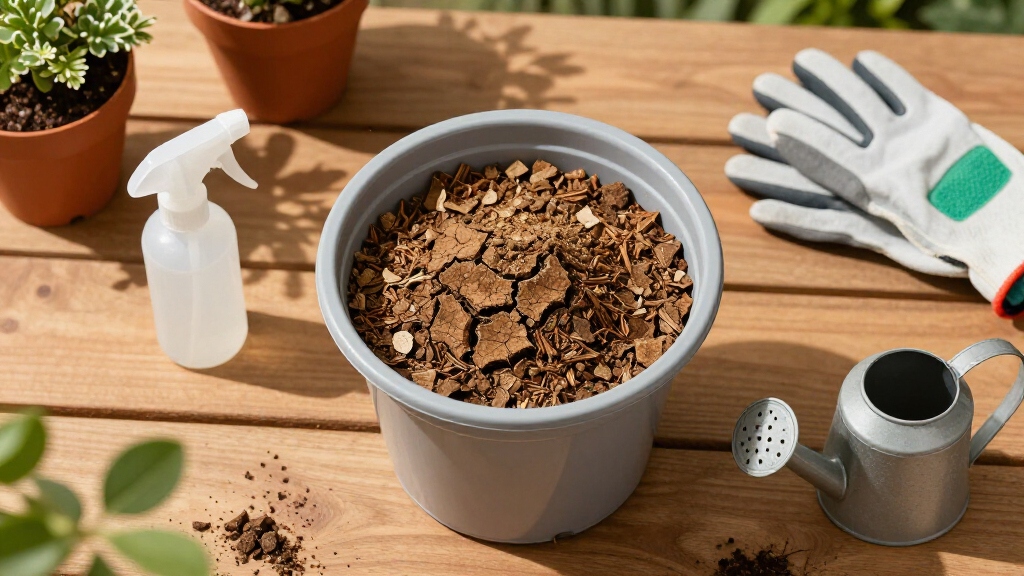
Potting mix becomes hydrophobic because organic ingredients like peat moss, bark, or compost break down into waxy, oily coatings under intense heat. These substances form a water-repelling layer on the soil surface, making it hard for water to penetrate. Imagine trying to pour syrup on a greasy pan—water just beads up and slides off.
High temperatures and low humidity speed up organic decomposition, turning organic matter into hydrophobic substances faster. For example, if you forget to water your container during a drought, the dry, hot conditions can cause the organic bits to oxidize and develop a waxy barrier. Over time, this layer prevents water from reaching roots, stressing plants and stunting growth.
Sometimes, overwatering followed by dry spells compacts the soil and encourages this water-repelling coating to form, especially if your mix contains peat or bark. These ingredients are prone to hydrophobicity because they naturally tend to decompose into oily substances when dried out and heated.
horticultural wetting agents for soil
As an affiliate, we earn on qualifying purchases.
As an affiliate, we earn on qualifying purchases.
Latest Tricks and Tools to Keep Your Soil Moist and Hydrophobic-Free
New solutions are making it easier to prevent and combat hydrophobic potting mix. Soil wetting agents—also called surfactants—are designed to break down the waxy coatings and help water soak in. For example, applying a commercial wetting agent diluted in water can turn beads into a steady trickle, restoring hydration.
Organic amendments like coconut coir, composted bark, or water-retentive gels can boost your mix’s ability to hold onto moisture and resist drying out completely. Many growers now incorporate these ingredients from the start, especially in containers exposed to full sun and dry heat.
Manufacturers are also developing smarter potting mixes that include synthetic or treated organic components resistant to hydrophobicity. These mixes aim to keep your plants healthy longer, even during heatwaves. Plus, eco-friendly wetting agents made from natural ingredients are growing in popularity, reducing environmental impact.
As an affiliate, we earn on qualifying purchases.
How to Rewet and Rescue Your Hydrophobic Soil in 5 Simple Steps
- Apply a wetting agent: Mix a few drops of horticultural surfactant into water and drench your soil. This breaks the oily coating and allows water to soak in.
- Deep water slowly: Use a slow-drip method or water evenly over the soil surface, giving it time to absorb without runoff.
- Add organic mulch: Cover the soil with straw, bark, or compost to lock in moisture and prevent the surface from drying out again.
- Gently aerate or mix: Loosen the soil surface with a fork or small tool to break up crusts and improve water infiltration.
- Rehydrate in a soak: For severely hydrophobic containers, submerge the pot in a shallow basin of water mixed with a wetting agent for 15-30 minutes. Let it drain before replanting or watering normally.
Imagine your container, once cracked and bead-y, now drinking up water like a sponge. That’s the goal—restoring life to your soil and keeping your plants thriving through dry spells.
As an affiliate, we earn on qualifying purchases.
Questions Gardeners Usually Ask About Hydrophobic Soil
- Why does my potting mix become hydrophobic after dry weather? Organic components decompose under heat, forming a waxy, water-repelling layer that blocks moisture.
- How can I tell if my soil is hydrophobic? Water beads on the surface instead of soaking in, or water runs off without penetrating deeply.
- How do I prevent my soil from turning hydrophobic? Use moisture-retentive amendments, avoid letting soil dry out completely, and apply wetting agents proactively before problems develop.
- What is the best way to rewet my soil? Use commercial wetting agents combined with slow, deep watering or soaking the container in water with a wetting agent.
- Is hydrophobic soil harmful to my plants? Yes, because it prevents roots from accessing water, causing stress, wilting, and potential plant death if left untreated.
soil hydrophobic treatment for containers
As an affiliate, we earn on qualifying purchases.
As an affiliate, we earn on qualifying purchases.
Conclusion
In dry heat, your potting mix’s struggle to absorb water is a chemical and physical reaction of organic materials breaking down. The best defense is to stay proactive: keep soil moist, use wetting agents, and incorporate organic mulches. Think of your container as a sponge—keep it hydrated, and your plants will thank you with lush, vibrant growth, even in the hottest days. Don’t let dry heat fool you; with a little know-how, you can keep your soil thirsty and your garden thriving.Fall yard work Picks
leaf blowers
As an affiliate, we earn on qualifying purchases.