TL;DR

Get garden gear delivered free — and shop member deals
- Fast, free delivery on millions of items
- Access to Prime Big Deal Days deals on October 6–7
- Prime Video, Amazon Music and more included
Cinder blocks absorb heat, moderating soil temperatures, but can raise soil pH over time due to lime leaching. Regular testing and amendments help keep soil balanced and plants happy.
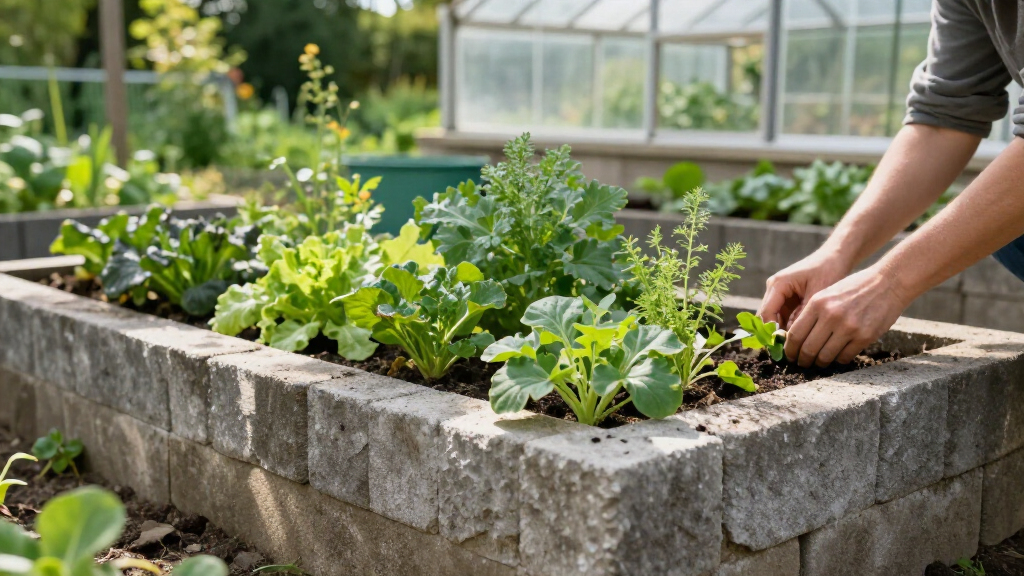
Cinder block raised beds are a staple in desert gardening — sturdy, affordable, and durable. But they do more than just hold soil; they influence heat levels and soil chemistry in ways that can make or break your garden’s success.
Understanding how these blocks store heat and alter pH can help you tweak your methods, protect your plants, and extend your growing season. Let’s break down what every desert gardener needs to know about cinder blocks and how to fix common issues as they come up.
Cinder blocks absorb heat during the day and release it at night, helping extend your growing season.
Lime in cinder blocks can raise soil pH by up to 1.0 within a year, impacting nutrient uptake.
Regular soil testing and amendments like sulfur or peat moss are crucial to keep pH in check.
Sealing the inside of your cinder blocks with a liner can prevent lime leaching and pH shifts.
Choosing plants that tolerate higher pH levels can save you effort if pH becomes a persistent issue.
How Cinder Blocks Keep Your Soil Warm — and Why It Matters
Cinder blocks are like tiny thermal batteries. Their high thermal mass means they absorb heat during the day and release it slowly at night. This process helps create a more stable soil temperature, which is crucial in desert environments where temperature swings can be extreme. By buffering these fluctuations, cinder blocks reduce stress on plant roots, leading to healthier growth and potentially higher yields.
This heat moderation extends your growing window, allowing plants to thrive even during cooler desert nights. However, it’s essential to recognize that this heat retention can also cause soil temperatures to rise excessively if not managed, stressing roots or encouraging evaporation. The tradeoff is a more consistent environment versus the risk of overheating, so gardeners should consider shading or mulching to optimize conditions.
For example, a gardener in Phoenix observed that their tomatoes ripened 2 weeks earlier after switching to cinder block beds. The thermal properties of the blocks kept the soil warmer during cool nights, accelerating fruit development. This illustrates how thermal mass can be a strategic advantage, but it requires awareness of local climate nuances to prevent heat stress.
As an affiliate, we earn on qualifying purchases.
Why Cinder Blocks Might Change Your Soil’s pH — And What to Do About It
Cinder blocks are often made from concrete or contain lime, which leaches into the soil over time. This leaching process is not just a minor chemical change; it has significant implications for your garden’s health. As lime dissolves, it releases calcium carbonate, which raises the soil’s pH, making it more alkaline. Over months or a year, this shift can alter the availability of vital nutrients, especially micronutrients like iron, manganese, and phosphorus, which tend to become less accessible in higher pH soils.
This means that plants sensitive to alkalinity, such as blueberries or azaleas, may struggle to absorb nutrients, leading to deficiencies that show up as yellowing leaves or poor growth. The increase in pH can also affect microbial activity in the soil, disrupting nutrient cycling and further stressing plants. Recognizing this effect allows gardeners to anticipate and mitigate issues before they become severe, ensuring healthier plants and more productive gardens.
For instance, a Tucson gardener noticed her peppers produced fewer flowers after 8 months in a cinder block bed. Soil tests revealed the pH had climbed from 6.5 to 7.8, confirming how lime leaching impacts soil chemistry. Understanding this process helps you decide whether to take action or select more pH-tolerant crops.
As an affiliate, we earn on qualifying purchases.
Simple Fixes to Keep Your Soil Healthy and Balanced
If your soil becomes too alkaline, don’t panic. Managing pH is about understanding the chemistry and making strategic amendments. Regular testing is vital; it provides a clear picture of your soil’s current state, allowing you to make informed decisions. Using sulfur or peat moss to acidify soil is effective because these amendments chemically react with alkaline components, neutralizing excess lime and restoring a more neutral pH. Sealing the inside of your cinder blocks with a non-reactive liner can physically prevent lime leaching, maintaining soil stability over time. Organic matter like compost or aged manure acts as a buffer, helping to stabilize pH fluctuations and improve overall soil health.
Choosing plants that tolerate higher pH levels, such as sweet potatoes or certain herbs, can be a practical strategy if amendments are not feasible or if pH shifts are slow and predictable. This approach reduces the need for constant testing and amendments, making gardening easier and more sustainable.
For example, lining a cinder block bed with heavy-duty landscape fabric created a barrier that minimized lime leaching, keeping pH stable even in hot, alkaline desert conditions. Regular testing and timely amendments ensure your soil remains within the optimal range for your chosen crops, leading to healthier plants and better yields.
garden soil amendments for pH adjustment
As an affiliate, we earn on qualifying purchases.
As an affiliate, we earn on qualifying purchases.
Frequently Asked Questions
Do cinder blocks really raise soil pH enough to harm my plants?
Yes, especially in the first year, cinder blocks can raise soil pH by about 0.5 to 1.0 due to lime leaching. Most plants tolerate slight alkalinity, but sensitive ones may need pH adjustments.How quickly does the pH change in a cinder block bed?
The most noticeable pH increase happens within the first 6 to 12 months. After that, it tends to stabilize unless you add more lime or amendments.Can I grow acid-loving plants in cinder block beds?
It’s possible, but you’ll need to regularly test and amend your soil with sulfur or peat moss. Otherwise, plants like blueberries or azaleas might struggle in higher pH soils.Are cinder blocks safe for my garden and environment?
Most are safe, but some contain fly ash or industrial byproducts. Look for blocks made from recycled materials or those labeled as environmentally friendly.What’s the best way to prevent heat overheating in cinder block beds?
Use mulch, plant shade-tolerant crops, or add shading structures. These steps protect roots from extreme heat and help maintain steady soil temperatures.garden bed liner for cinder blocks
As an affiliate, we earn on qualifying purchases.
As an affiliate, we earn on qualifying purchases.
Conclusion
Cinder block raised beds are a tough, practical choice for desert gardens. Their ability to store heat can give your plants a boost, but be aware of their impact on soil chemistry. Regular testing, amendments, and simple fixes let you harness their benefits without the downsides.
Think of your cinder blocks as silent partners—helping your garden thrive, if you keep an eye on pH and temperature. With some tweaks, they become a powerful tool in your desert gardening arsenal.
Fall Picks
fall essentials
As an affiliate, we earn on qualifying purchases.