
TL;DR
Play games included with Prime
Start a Prime free trial and play with Amazon Luna on your devices.
Start playingAs an affiliate, we earn on qualifying purchases.
Interest in using food scraps for soil enrichment is rising, driven by gardening trends and sustainability. Experts confirm six common kitchen scraps can improve soil quality, though full benefits depend on proper composting.
Gardeners and sustainability advocates are increasingly using common food scraps to improve soil health, with six surprising items gaining popularity for their nutrient-boosting properties. This trend reflects a growing interest in natural, cost-effective ways to enhance garden productivity while reducing waste.
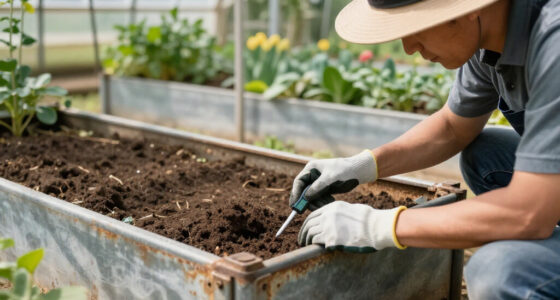
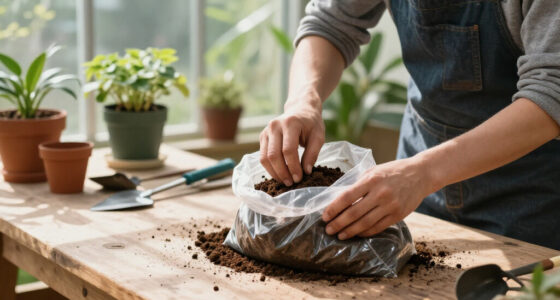
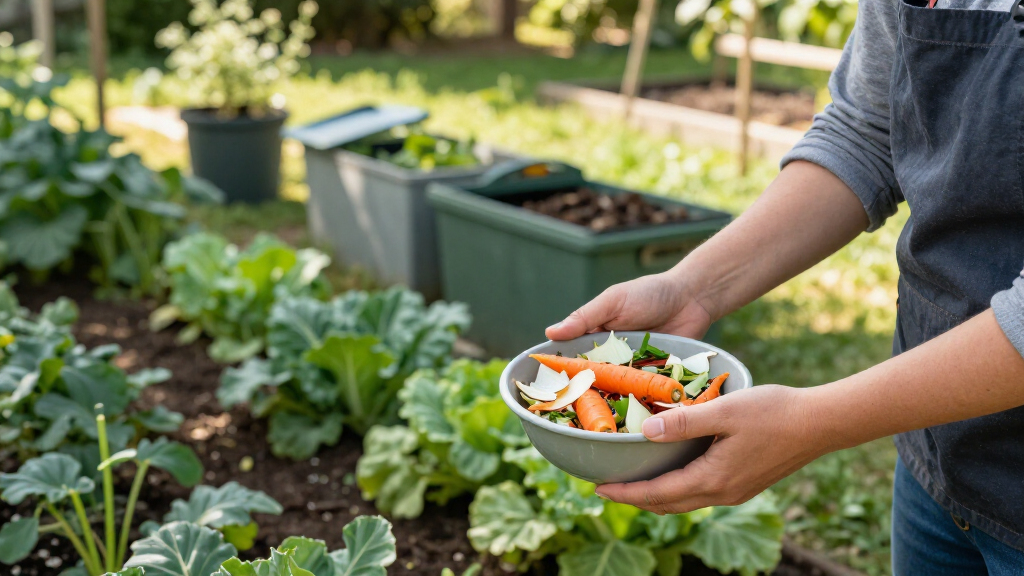
Recent coverage indicates that food scraps such as coffee grounds, banana peels, eggshells, vegetable stems, fruit rinds, and tea leaves are being recognized for their potential to enrich garden soil. Experts note that when properly composted or used directly, these scraps can add vital nutrients, improve soil structure, and support plant growth.
According to horticultural sources, coffee grounds are rich in nitrogen, which is essential for leafy growth. Banana peels provide potassium and calcium, supporting overall plant health. Eggshells are a source of calcium carbonate, which can help prevent blossom-end rot in tomatoes and peppers. Vegetable stems and fruit rinds contain organic matter that, when decomposed, improve soil aeration and moisture retention. Tea leaves, like coffee grounds, offer nitrogen and other trace minerals beneficial for soil microbes.
While the trend is gaining traction, experts caution that improper use or over-reliance on food scraps without proper composting can lead to issues like mold, pests, or nutrient imbalance. Ongoing research and anecdotal reports suggest these scraps can be effective, but full benefits depend on correct application and composting practices.
Why Using Food Scraps for Soil Matters
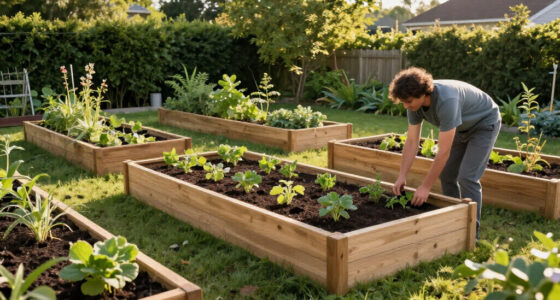
This trend matters because it offers gardeners a sustainable, low-cost method to improve soil health, reducing reliance on commercial fertilizers. It aligns with broader environmental goals of waste reduction and circular resource use. Improved soil quality can lead to healthier plants, increased yields, and more resilient gardens, especially in urban or limited-space settings.
Moreover, this approach encourages household waste diversion, helping reduce landfill contributions and greenhouse gas emissions associated with organic waste decomposition. As interest grows, it could influence gardening practices and waste management policies, promoting more sustainable urban agriculture.
garden compost bin for kitchen scraps
As an affiliate, we earn on qualifying purchases.
As an affiliate, we earn on qualifying purchases.
Background and Growing Interest in Food Waste Recycling
The use of food scraps in gardening is not new, but recent media coverage and social media trends have amplified interest. As sustainability awareness increases, more gardeners seek eco-friendly ways to manage kitchen waste. The practice of composting itself has seen a resurgence, with specific attention to how kitchen scraps can be directly applied or composted for soil improvement.
While some of these food scraps have long been known to gardeners, the current trend emphasizes their immediate use and the potential for simple, accessible soil amendments. The trigger for this spike in interest appears to be a combination of environmental concerns, rising food waste awareness, and a desire for cost-effective gardening solutions, though the exact origin of this specific trend remains unconfirmed.
organic soil enhancer with coffee grounds
As an affiliate, we earn on qualifying purchases.
As an affiliate, we earn on qualifying purchases.
Unconfirmed Trends and Practical Limitations
While interest in using food scraps for soil enrichment is rising, it is not yet clear how widespread or long-lasting this trend will be. There is limited scientific data quantifying the exact benefits or potential risks of using specific scraps directly in garden beds without composting. Additionally, some experts warn that improper use could attract pests or lead to nutrient imbalances. The full impact of this practice remains under study, and gardeners are advised to proceed with caution.
potting soil with banana peel nutrients
As an affiliate, we earn on qualifying purchases.
As an affiliate, we earn on qualifying purchases.
Next Steps for Gardeners and Researchers
Further research is expected to clarify the effectiveness and best practices for using these food scraps. Gardeners are encouraged to experiment cautiously, focusing on proper composting or targeted application. Industry groups and environmental organizations may soon develop guidelines or best practices to maximize benefits and minimize risks. Monitoring trends and scientific findings over the coming months will help determine whether this becomes a mainstream gardening method.
calcium carbonate eggshells for plants
As an affiliate, we earn on qualifying purchases.
As an affiliate, we earn on qualifying purchases.
Key Questions
Can I use food scraps directly in my garden beds?
Yes, some scraps like eggshells and vegetable stems can be used directly if they are chopped or broken down, but composting is generally recommended to avoid pests and odors.
Which food scraps are best for soil enrichment?
According to experts, coffee grounds, banana peels, eggshells, vegetable stems, fruit rinds, and tea leaves are among the most effective and widely recommended.
Are there any risks associated with using food scraps in the garden?
Improper use can attract pests, cause mold, or lead to nutrient imbalances. Proper composting and application techniques are advised to mitigate these risks.
How soon can I see benefits from using food scraps?
Results depend on application method and composting process, but visible improvements in soil health and plant growth may take several weeks to months.
Is this trend suitable for all types of gardens?
While suitable for many home gardens, urban or small-space gardens should follow best practices to avoid attracting pests or creating odor issues.
Source: rss
NFL season / tailgating Picks
team gear
As an affiliate, we earn on qualifying purchases.