TL;DR

Get garden gear delivered free — and shop member deals
- Fast, free delivery on millions of items
- Access to Prime Big Deal Days deals on October 6–7
- Prime Video, Amazon Music and more included
Certain desert trees shed minimal litter, making gravel landscapes easier to maintain. Key choices include mulga, mastic, and desert ironwood, which produce little debris and handle tough conditions. Proper selection and placement save time and effort.
Choose evergreen or low-shedding trees like mulga, mastic, or desert ironwood for minimal gravel litter.
Avoid trees with heavy seed pods or large flowers, such as mesquite or desert willow, if you want a tidy yard.
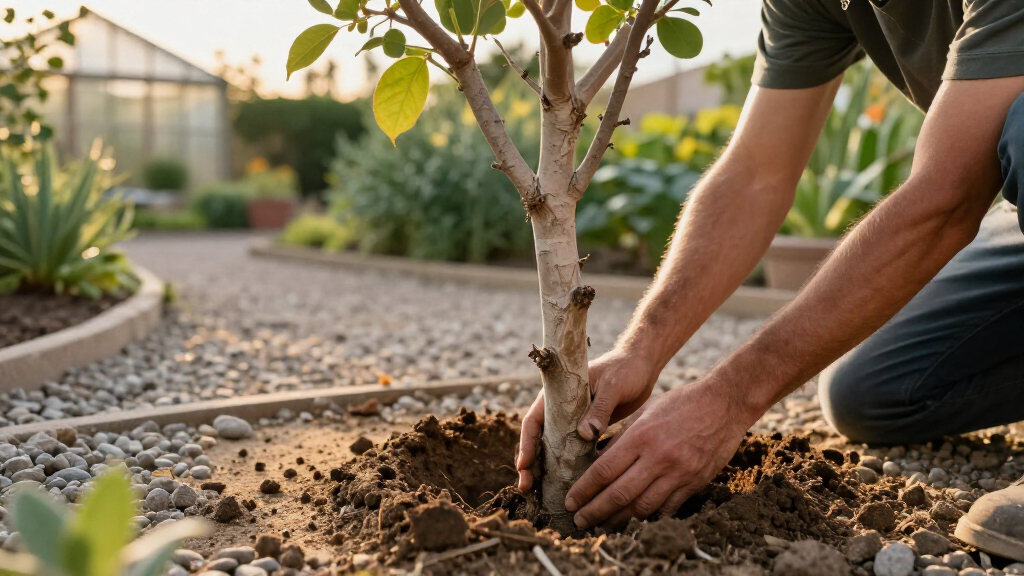
Plant low-litter trees closest to high-visibility areas; place flowering trees farther away to reduce cleanup.
Regular pod removal and proper watering help keep your gravel clean with less effort.
Always ask nurseries for detailed info on the plant’s flowering, seed, and litter habits before buying.
Desert Trees That Will Not Bury Your Gravel in Litter
A clean desert garden begins above the gravel. Choose trees that shed gradually, produce limited fruit and pods, and match your tolerance for seasonal cleanup.
Small releases are easier to manage than one heavy drop.
The recommended palette spans compact accents to shade trees.
Plus hopseed bush as a trainable small-tree alternative.
Limited fruit, modest pods, and dispersed leaf fall.
Seven trees worth putting above gravel
Each option balances litter control with heat tolerance, drought performance, shade, or visual character. “Low-litter” still allows for occasional flowers, pods, and leaves.
Mulga
Acacia aneuraNearly evergreen with fine gray-green foliage, modest flower and pod drop, and exceptional tolerance for reflected heat and poor soil.
Mastic Tree
Pistacia lentiscusDense evergreen foliage sheds gradually. Choose a male or nonfruiting plant near pale gravel to avoid small fruit and staining.
Texas Mountain Laurel
Dermatophyllum secundiflorumGlossy evergreen foliage and fragrant purple flowers pair with limited routine leaf drop. Flowers and large pods still require some cleanup.
Texas Ebony
Ebenopsis ebanoSlow, drought-hardy growth and limited routine shedding make it useful in extreme heat. Woody pods are occasional; thorns affect placement.
Fruitless Olive
Olea europaea cultivarsA long-lived gray-green evergreen with manageable year-round leaf drop. Buy a named, verified fruitless cultivar to reduce olives and stains.
Desert Museum Palo Verde
Parkinsonia hybridFast growth, green bark, filtered shade, and fewer pods than many palo verdes—but its spectacular spring bloom briefly carpets gravel yellow.
Desert Ironwood
Olneya tesotaExtremely slow growing, long-lived, and adapted to severe desert conditions. Seasonal flowers and pods accumulate modestly over time.
Hopseed Bush
Dodonaea viscosaThis evergreen large shrub can be trained into a multi-trunk tree. It handles heat, drought, and screening duties with manageable litter. Female plants produce papery seed capsules, so male or low-fruiting selections are cleaner.
Cleanliness is a spectrum
Routine leaf drop is only one variable. Flowers, pods, fruit, thorns, growth rate, and placement can matter just as much.
| Tree | Routine litter | Seasonal event | Water after establishment | Best use | Watch for |
|---|---|---|---|---|---|
| Mulga | ✓ Low | Modest flowers and pods | ✓ Low | Hot exposed sites | Fine debris in gravel gaps |
| Mastic Tree | ✓ Low | Possible small fruit | ✓ Low | Patios and formal zones | Female plants may fruit |
| Texas Mountain Laurel | ✓ Low | Flowers and large pods | ✓ Low | Accent planting | Poisonous red seeds |
| Texas Ebony | ✓ Low | Occasional woody pods | ✓ Low | Dense shade | Thorns and narrow paths |
| Fruitless Olive | ~ Moderate | Dispersed leaf fall | ✓ Low | Evergreen structure | Cultivar verification |
| Desert Museum Palo Verde | ~ Moderate | Heavy spring flowers | ✓ Very low | Filtered shade and color | Short, visible bloom cleanup |
| Desert Ironwood | ✓ Low | Flowers and pods | ✓ Minimal | Native desert landscapes | Slow growth and legal sourcing |
| Mesquite / Desert Willow | ✗ Higher | Pods, flowers, or leaflets | ✓ Low | Shade or flowering impact | Frequent visible debris |
✓ favorable ~ manageable tradeoff ✗ usually unsuitable for pristine high-visibility gravel
What lands on the gravel matters
These editorial scores compare likely maintenance pressure rather than providing measured biological rates. Local climate, pruning, irrigation, and individual cultivars can change the outcome.
Ask four questions before buying
A nursery label rarely tells the whole litter story. Confirm the exact cultivar, sex, seasonal behavior, and mature dimensions.
Is it evergreen?
Favor gradual foliage replacement when a concentrated seasonal drop would overwhelm the gravel.
Does it fruit?
Ask whether the exact plant is male, fruitless, low-fruiting, or likely to produce pods.
How does it flower?
Determine whether bloom litter is light and dispersed or heavy during a short seasonal event.
Will it fit?
Check mature width, height, thorns, root space, and clearance from paths, pools, and doors.
Put the cleanest trees where every leaf shows
Placement converts a good species list into a low-maintenance plan. Keep seasonal flower and pod producers away from the most visible gravel.
Patios, entries and pale gravel
Use the most predictable, low-fruiting selections where debris, stains, and windblown fragments are immediately noticeable.
- Mulga with adequate canopy clearance
- Male or nonfruiting mastic tree
- Verified fruitless olive where locally appropriate
- Routine light blowing before debris settles
Perimeters and informal gravel
Reserve room for trees whose flowers, pods, wildlife value, or dense shade justify an occasional cleanup session.
- Desert Museum palo verde for spring color
- Texas mountain laurel as a protected accent
- Texas ebony away from narrow walks and play areas
- Desert ironwood from legally propagated stock
From tree choice to cleaner gravel
The maintenance advantage is cumulative: a suitable tree, placed intelligently and cared for correctly, produces less visible buildup over time.
Why Some Desert Trees Stay Cleaner Than Others
Not all desert trees create a mess. The key lies in their shedding habits, fruit and seed production, and leaf size. Evergreen trees typically shed small amounts of foliage throughout the year, which tends to decompose slowly and settle between gravel pieces, making cleanup easier and less frequent. Deciduous trees, on the other hand, drop all their leaves at once, creating a thick layer of organic material that can smother the gravel and promote weed growth if not promptly removed. Trees like mulga and mastic produce tiny, fine leaflets or small leaves that settle gently, minimizing disturbance and making maintenance straightforward. Conversely, trees such as mesquite or desert willow shed large pods or flowers, which can quickly cover gravel in a thick, messy organic layer, requiring more effort to clear.
Understanding these differences matters because it directly impacts how much time and effort you’ll need to maintain your landscape. Choosing a tree with a shedding habit that matches your cleanup capacity and aesthetic goals can significantly reduce your workload. For instance, if your priority is a tidy yard with minimal upkeep, selecting trees that shed gradually and produce small debris will keep your gravel looking pristine longer, allowing you to enjoy your landscape without constant attention.
low litter desert trees for gravel landscape
As an affiliate, we earn on qualifying purchases.
As an affiliate, we earn on qualifying purchases.
Top 7 Desert Trees That Keep Gravel Clean
Here’s a quick list of desert trees that shed little to no litter—perfect for gravel landscapes—and why they excel in this respect:
- Mulga (Acacia aneura): Nearly evergreen with tiny leaf-like structures that decompose slowly, reducing the frequency of cleanup. Its minimal shedding means it remains tidy year-round, making it ideal for low-maintenance landscapes.
- Mastic Tree (Pistacia lentiscus): An evergreen with small, dense leaves that shed gradually. Its dense foliage provides good shade without creating large debris piles, and its slow shedding minimizes organic buildup.
- Texas Mountain Laurel (Dermatophyllum secundiflorum): Slow-growing with fragrant purple flowers and small leaves, which drop minimally. This trait makes it suitable for areas where cleanliness is a priority, and its drought tolerance adds to its appeal.
- Texas Ebony (Ebenopsis ebano): Dense, slow-growing, and drought-hardy with small leaves that decompose slowly. Its minimal litter production, combined with its dense canopy, makes it an excellent choice for reducing maintenance.
- Fruitless Olive Cultivars (Olea europaea): Evergreen and drought-tolerant, with leaf drop that is infrequent and manageable. Choosing fruitless or male cultivars reduces the organic debris that can clutter your gravel.
- Desert Museum Palo Verde (Parkinsonia hybrid): Known for its vibrant spring blooms, it produces fewer seed pods than other palo verdes, which means less organic debris falling into your gravel. Its fast growth and drought resilience make it practical for many landscapes.
- Desert Ironwood (Olneya tesota): An extremely slow-growing, long-lived tree with dense wood and minimal litter. Its native adaptation to desert conditions means it sheds little and requires less maintenance, helping keep your gravel pristine over many years.
Each of these trees offers a different balance of size, appearance, and litter control. Selecting the right one depends on your specific landscape needs, aesthetic preferences, and maintenance capacity. Understanding the implications of each choice allows you to create a low-maintenance, visually appealing desert yard that stays clean with less effort.
drought tolerant trees with minimal seed pods
As an affiliate, we earn on qualifying purchases.
As an affiliate, we earn on qualifying purchases.
Why Some Trees Turn Your Gravel Into a Mess
Not all desert trees are equally tidy, and understanding why some produce more litter can help you make smarter choices. Trees like mesquite, desert willow, and eucalyptus are known for their heavy shedding of leaves, flowers, and seedpods. These organic materials fall in large quantities and decompose quickly, creating a layer of debris that can quickly smother your gravel and foster weed growth. For example, mesquite produces leaflets, pods, and sometimes small branches, which can pile up after each season, requiring frequent cleanup to maintain a clean appearance.
Choosing trees that shed heavily often involves a tradeoff: they may provide more shade or flowering benefits but at the cost of increased maintenance. If your goal is a neat, low-effort landscape, avoiding these heavy-shedding species is advisable. Instead, opt for trees with small, slow-shedding foliage or those that produce less reproductive debris. Recognizing these differences helps you plan your landscape to balance visual appeal with the effort needed to keep your gravel tidy. Making informed choices means less time raking or removing organic matter and more time enjoying your outdoor space.
evergreen desert trees for xeriscape
As an affiliate, we earn on qualifying purchases.
As an affiliate, we earn on qualifying purchases.
Picking the Right Tree: What Really Matters
When selecting a desert tree for a gravel yard, understanding which traits influence litter production is essential. Evergreen versus deciduous: Evergreens shed small amounts of foliage year-round, which decomposes slowly and is easier to manage, while deciduous trees drop all their leaves at once, creating a larger, more concentrated mess that requires more effort to clear. Fruit and seed production: Trees that produce large seedpods, berries, or fleshy fruit tend to leave behind more organic debris, which can stain gravel and attract wildlife. Choosing cultivars labeled as fruitless or male often reduces this type of litter, but verifying this trait is important. Debris size and type: Fine leaflets or small flowers tend to settle between gravel cracks, but they may require more frequent cleaning. Larger leaves or pods are easier to rake or blow away, but they also create more visible debris when they fall.
Additionally, consider flowering patterns: trees that bloom briefly but prolifically might produce a significant amount of litter during that period. Your tolerance for this short-term mess should influence your choice. Finally, evaluate the mature size and shape of the tree—pruning can help control litter, but selecting a species that naturally fits your space reduces the need for constant trimming and prevents future clutter.
Understanding these traits allows you to select trees that align with your maintenance preferences, ensuring your landscape remains clean and attractive with less effort over time.
As an affiliate, we earn on qualifying purchases.
Frequently Asked Questions
Is there a completely litter-free desert tree?
No tree is entirely litter-free. All shed some leaves or reproductive debris over time. The goal is to pick trees that shed gradually and manageably, keeping your gravel clean without constant fuss.What is the cleanest tree for a hot gravel yard?
Mulga and mastic are often the best bets—they shed tiny leaflets or limited foliage, making cleanup easier. The perfect choice depends on your winter lows, soil, and space constraints.Is Desert Museum palo verde messy?
It does produce a flash of yellow flowers in spring and some seedpods afterward. It’s cleaner than many palo verdes but still not totally litter-free. Regular pod removal helps keep it tidy.Are fruitless olive trees really fruitless?
Most named cultivars are designed to produce little or no fruit, but occasional fruiting can still happen—especially if mislabeled or grown from seed. Confirm the cultivar before planting.Which trees should I avoid near my pool?
Avoid trees that shed fine leaves, flowers, or fruit—like mesquite, desert willow, or eucalyptus. These can increase pool maintenance and leave organic debris in your water.Conclusion
A clean gravel landscape doesn’t happen by accident. It’s about choosing the right trees, planting them thoughtfully, and doing a little routine maintenance. With the right picks, your yard can stay sharp without constant sweeping or raking. Think of your landscape as a living sculpture—simple, neat, and resilient. Make smart choices today, and enjoy a hassle-free desert oasis tomorrow.Halloween Picks
halloween
As an affiliate, we earn on qualifying purchases.