
TL;DR

Get garden gear delivered free with Prime
- Fast, free delivery on millions of items
- Prime Video, Amazon Music and more included
- Member-only deals all year
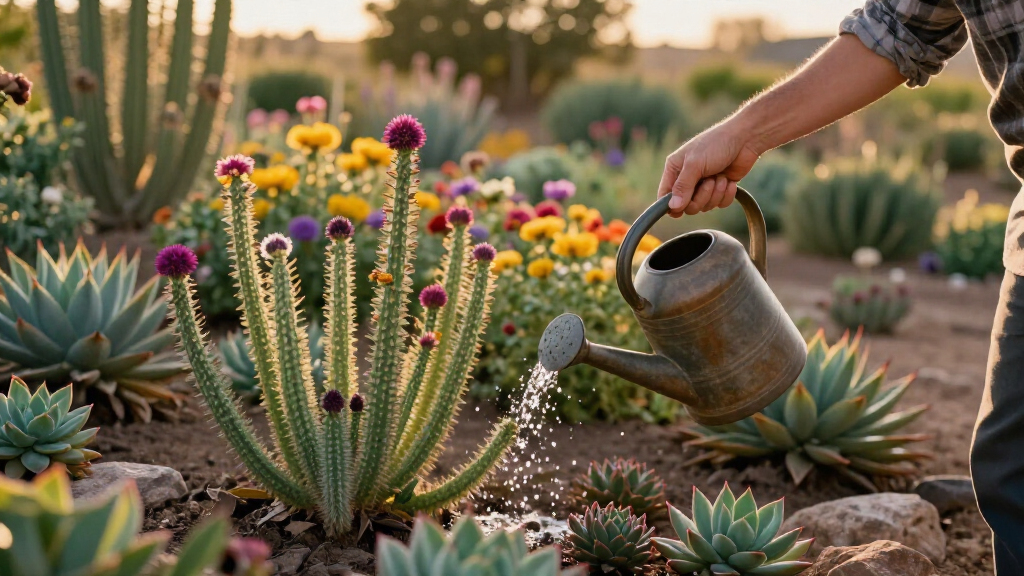
A pollinator xeriscape with staggered bloom times offers continuous nectar, pollen, and shelter. Using native plants and smart planning, you can support local pollinators year-round while conserving water.
Design your xeriscape with overlapping bloom periods to provide continuous forage.
Choose native plants suited to your climate for resilience and pollinator support.
Include habitat features like bare soil, hollow stems, and leaf litter to support nesting.
Water deeply and strategically, focusing on efficient, targeted irrigation after establishment.
Avoid broad-spectrum pesticides during bloom; promote integrated pest management.
A Pollinator Xeriscape With Staggered Desert Bloom Times
Design a landscape where desert blooms cascade from late winter to late fall—overlapping bloom periods keep bees, butterflies, hummingbirds, and bats fed all year while dramatically cutting water use.
Five Moves That Make It Work
Overlapping bloom periods reduce the risk of pollinator food gaps—common in deserts where plants bloom briefly and unpredictably. If one species underperforms, others fill the gap.
Plan overlapping bloom periods so forage never runs dry.
Choose natives matched to your desert’s winter lows, heat, and rainfall.
Add nesting habitat: bare soil, hollow stems, leaf litter.
Water deeply and strategically with targeted drip irrigation.
Skip broad-spectrum pesticides during bloom—use IPM instead.
Staggered Windows, Season by Season
Treat this as a flexible planning tool, not a fixed timetable—actual bloom dates shift with elevation, rainfall, temperature, and irrigation.
Desert marigold & brittlebush open late winter → globemallow & desert willow carry spring → fairy duster & cactus flowers fuel early summer → agastache rides the monsoon → rabbitbrush, goldenrod & asters close the season.
Match Flower Shapes to Pollinator Guilds
Plant clusters of the same species rather than isolated specimens—larger patches are easier for pollinators to detect and forage efficiently.
Desert marigold and brittlebush offer accessible landing zones and easy nectar access.
Desert willow and tubular natives are hummingbird magnets throughout spring and summer.
Penstemon and agastache reward specialists that other pollinators can’t reach.
Composite clusters like rabbitbrush, asters, and sunflowers provide landing platforms.
Pale, evening-scented flowers extend your habitat’s service hours after dark.
Native milkweeds and bunchgrasses feed larvae—no host plants, no butterflies.
Build a Complete Pollinator Home
Flowers are just one piece. Layer nesting and shelter features to support the full lifecycle—most native bees nest in the ground, so avoid sealing every surface with rock, fabric, or dense mulch.
Bare Soil
Well-drained patches for ground-nesting bees.
Hollow Stems
Pithy branches as nesting cavities for solitary insects.
Leaf Litter
Woody debris and undisturbed corners for overwintering.
Bunchgrasses
Shelter, microhabitats, and standing winter seed heads.
Shallow Water
Reliable water with safe landing surfaces for drinkers.
Water Deeply, Rarely, Strategically
Xeriscaping isn’t zero watering—it’s efficient use. New plants need regular establishment watering even when mature specimens are highly drought tolerant.
Group by Water Need
Cluster desert marigold and brittlebush together on one drip zone so roots stay moist without waste.
Drip at the Root Zone
Keep emitters away from crowns prone to rot; deliver water where it’s used, not to bare soil.
Water Early, Deeply, Less Often
Morning irrigation cuts evaporation; deep soakings drive roots down and build drought resilience.
Adjust to Rain & Season
Scale back after rainfall and during dormancy. A little supplemental water in dry spells can extend flowering.
Protect Pollinators While Managing Pests
Avoid routine insecticide use, especially while plants are blooming. Integrated pest management emphasizes identification and tolerance before intervention.
| Practice | During Bloom | Pollinator Impact | Recommendation |
|---|---|---|---|
| Broad-spectrum sprays | ✗ Never | Kills pests and beneficial insects alike | Eliminate entirely |
| Systemic insecticides | ✗ Avoid | Contaminates pollen and nectar | Do not use on bloom plants |
| Hose-off / hand removal | ✓ Safe | Targeted, no residues | First line of defense |
| Pest identification first | ✓ Always | Prevents unnecessary treatment | Core IPM step |
| Tolerating minor damage | ~ Sensible | Feeds beneficial insect populations | Accept some feeding |
| Early-morning spot treatment | ~ Last resort | Lowest pollinator activity window | Only when necessary |
Why Matching Plants to Your Desert Matters for Pollinators
Desert landscapes are diverse, and so are their native plants and pollinators. Choosing plants suited to your specific desert climate ensures they thrive and provide reliable resources. For example, a plant that survives in the Sonoran might struggle in a colder high-desert zone. Match plants to your area’s winter lows, summer heat, rainfall patterns, and soil type. Native species are your best bet because local pollinators have evolved alongside them, creating a natural, resilient food web.
In one yard, planting desert marigold and brittlebush in late winter provided early nectar, while desert willow and milkweeds bloomed mid-spring, supporting bees and hummingbirds. Proper selection keeps your garden alive with activity throughout the season.
Understanding why this matters goes beyond aesthetics: selecting climate-appropriate native plants minimizes maintenance needs and reduces the risk of plant stress or failure, which can lead to gaps in food resources. When plants are well-suited, they are more resilient to drought, pests, and disease, ensuring a stable and reliable food source for pollinators over time. This approach also fosters a healthier ecosystem, as native plants and pollinators have co-evolved, supporting complex food webs and biodiversity.
native desert plants for xeriscape
As an affiliate, we earn on qualifying purchases.
As an affiliate, we earn on qualifying purchases.
How to Plan Overlapping Bloom Periods for Constant Pollinator Food
To keep pollinators fed, you need plants that bloom at different times. Aim for at least three species flowering during each major season. This creates a continuous flow of nectar and pollen, no matter how unpredictable the weather. For example, late winter might feature brittlebush, bladderpod, and desert marigold. Spring brings globemallow, desert willow, and indigo bush. Summer is filled with agastache, fairy duster, and cactus flowers. Fall offers rabbitbrush, asters, and goldenrods.
Think of your landscape as a layered calendar. Use this flexible table as a guide:
Note: While planning, consider that some plants may overlap or extend their bloom periods, creating a more seamless food supply. Also, be aware that some plants may have variable bloom times depending on local conditions, so observe your yard over time to refine your plant choices and timing.
Creating this overlapping bloom schedule is crucial because it addresses the tradeoff between diversity and timing. If you only plant a few species that bloom briefly, pollinators might experience food shortages during gaps, especially in unpredictable desert climates. By intentionally selecting and staggering plants, you reduce these gaps, supporting pollinator populations that depend on consistent resources for survival, reproduction, and migration. This strategy also enhances resilience—if one species underperforms due to weather fluctuations, others can fill the gap, maintaining habitat stability.
As an affiliate, we earn on qualifying purchases.
Choosing a Variety of Flowers That Different Pollinators Love
Pollinators come in all shapes and sizes, and each prefers different flower types. Small native bees thrive in open, shallow flowers. Hummingbirds go for tubular, red, or orange blooms. Long-tongued bees and some butterflies prefer deep, tubular flowers. Butterflies and beetles land on flat clusters. Night-blooming, fragrant flowers support moths and bats.
In your yard, plant clusters of the same species for better foraging efficiency. For example, a patch of desert marigold attracts small bees, while a group of desert willow draws hummingbirds. A diverse mix ensures every pollinator has a resource.
Understanding these preferences is essential because it maximizes pollination efficiency and supports a broader range of species. When plants are tailored to specific pollinator needs, they attract more visitors, resulting in better pollination of your garden and neighboring ecosystems. This specialization also encourages the coexistence of multiple pollinator species, which can reduce competition and promote a healthier, more resilient pollinator community.
As an affiliate, we earn on qualifying purchases.
Habitat Elements Beyond Flowers: Building a Complete Pollinator Home
Flowers are just one piece of the puzzle. Pollinators need more than nectar—they require shelter and nesting sites. Bare, well-drained soil supports ground-nesting bees. Hollow stems or pith-filled branches offer nesting cavities. Leaf litter and woody debris create hiding spots. Native bunchgrasses and shrubs provide shelter and microhabitats.
For example, leaving some seed heads standing in winter offers refuge for cavity-nesting bees and butterflies. Avoid covering every open space with plastic or dense mulch—native bees often dig their nests in the soil nearby.
This layered habitat approach is vital because it addresses the full lifecycle needs of pollinators. Providing nesting sites and shelter ensures their survival beyond just food availability. For instance, ground-nesting bees are sensitive to soil disturbance, so maintaining patches of bare soil is crucial. Similarly, hollow stems and woody debris serve as safe places for overwintering or raising young. By creating these microhabitats, you support pollinator diversity and resilience, especially as climate variability impacts their natural nesting sites.
As an affiliate, we earn on qualifying purchases.
How to Water Smartly Without Wasting It
Water efficiency in xeriscape doesn’t mean zero watering—it’s about smart, targeted use. Group plants with similar water needs. Use drip irrigation at the root zone, watering deeply but less often. Water early in the morning to reduce evaporation. After plants are established, adjust watering based on rainfall and season. A little supplemental water during dry spells can extend flowering, but too much can weaken plants or cause root rot.
For instance, watering desert marigold and brittlebush together with drip lines keeps their roots moist without waste. Remember, healthy plants are drought-tolerant but need a good start.
Overwatering can lead to shallow roots, making plants more vulnerable during droughts and increasing susceptibility to pests and diseases. Conversely, underwatering may cause stress, reducing flowering and nectar production, which directly impacts pollinator food sources. Striking the right balance is key—monitor your soil moisture and adjust accordingly to ensure plants remain healthy and productive, supporting pollinator activity without waste.
Keep Pests at Bay Without Harming Your Pollinators
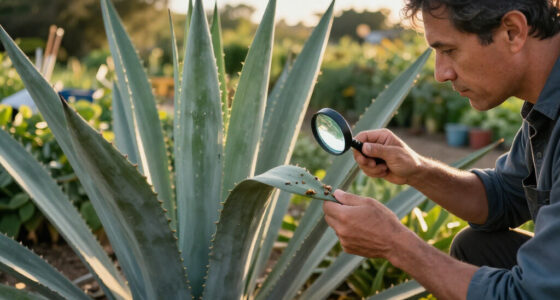
Minimize pesticide use, especially during bloom. Broad-spectrum sprays kill beneficial insects along with pests. Instead, identify pests early and use physical controls like hand-picking or targeted treatments. Choose resistant plant varieties and encourage natural predators—like ladybugs and lacewings—to manage aphids.
If necessary, select products labeled for use on pollinator-friendly plants and apply them in the evening when pollinators are less active. Always wear protective gear—gloves, masks, and eye protection—when handling chemicals.
Implementing integrated pest management (IPM) practices is essential because it balances pest control with pollinator safety. Overreliance on chemical controls can decimate beneficial insect populations, disrupting pollination and plant health. By understanding pest life cycles and habitats, you can target interventions more precisely, reducing collateral damage and maintaining a healthy, pollinator-friendly environment.
Design Tips to Maximize Bloom Overlap and Habitat Diversity
Start with structural plants—native shrubs, small trees, grasses, and succulents—that set the framework. Add perennials that bloom reliably each season. Use annual wildflowers to fill temporary gaps. Repeat key species in different parts of the yard for visual rhythm and habitat consistency.
Leave some seed heads and stems standing through winter. They provide shelter and food for insects. Mix sunny and partially shaded areas to accommodate different plants and pollinators. When planting, consider their growth habits—some become large, others stay small—and choose plants that complement each other visually and ecologically.
Creating this layered approach enhances habitat complexity, which is critical because diverse habitats support a wider array of pollinators and other beneficial insects. This diversity also buffers the ecosystem against climate variability, pests, and diseases, ensuring your xeriscape remains resilient and vibrant across seasons.
Assigning Roles to Your Plants for Year-Round Support
Think of your plant choices as fulfilling specific functions: early food, summer nectar, late-season forage, host plants for caterpillars, hummingbird feeders, or nesting cover. For example, penstemons and brittlebush start the season with early nectar. Desert willow and fairy duster flower during summer. Rabbitbrush and asters come late in fall. Incorporate native milkweeds to support monarch caterpillars.
Matching plants to these roles creates a continuous, layered resource for pollinators. This thoughtful approach makes your xeriscape a vital habitat, not just a collection of pretty plants.
Strategically assigning these functional roles helps balance your landscape’s ecological needs with aesthetic appeal. It ensures that each season offers something valuable for pollinators, increasing their survival chances and promoting biodiversity. Moreover, this layered approach can help mitigate the impacts of climate change, as a diverse, functionally layered landscape is more adaptable to shifting conditions.
Emerging Practices and Future Trends in Pollinator-Friendly Desert Gardening
Designers now plan for climate resilience—wider temperature swings and variable rainfall—by selecting plants with diverse root depths and bloom times. Native bees and other pollinators are gaining more attention, with emphasis on habitat features like bare soil and nesting sites, not just flowers.
Pollinator corridors are growing in popularity—connecting small yards, parks, and roadside plantings to larger preserves. Using locally sourced, climate-adapted plants supports regional ecology and prepares your garden for future droughts. Avoid sterile or double-flowered hybrids that lack accessible nectar or pollen; native species often outperform these for supporting wild pollinators.
These innovative practices are crucial because they anticipate climate change impacts and aim to create resilient ecosystems. By integrating habitat connectivity, diverse planting strategies, and native species, you foster landscapes that can adapt and sustain pollinators amid environmental uncertainties, ensuring the longevity and health of your garden’s ecological community.
Frequently Asked Questions
How many plant species do I need for a good pollinator habitat?
Start with at least three flowering species during each major season, plus shrubs, grasses, and host plants. More diversity increases resilience and food availability for pollinators year-round.Can a small yard or balcony make a difference?
Absolutely. Containers with nectar-rich flowers grouped in clusters can support hummingbirds, butterflies, and native bees. Even a balcony can provide crucial resources, especially during bloom gaps.Do I need to water my desert plants regularly?
In the beginning, yes—watering regularly until they establish. Once mature, most desert plants are drought-tolerant, requiring only occasional deep watering during extreme drought or prolonged heat.Are cactus flowers enough for pollinators?
Cactus blooms are beautiful but brief. Combining them with other perennials, shrubs, and annuals that bloom at different times offers a more continuous food source.Should I install a bee hotel?
Bee hotels can help some cavity-nesting bees, but many native bees nest underground or in stems. Focus on providing bare soil, hollow stems, and native plants instead for better habitat support.Conclusion
A desert landscape that blooms year-round isn’t just pretty—it’s a vital refuge for native pollinators. By selecting the right plants, planning bloom overlaps, and providing shelter, you turn a simple xeriscape into a thriving ecosystem. Your yard becomes a living, buzzing testament to resilience and biodiversity. Think of it as planting hope—one flower at a time—supporting pollinators that keep your desert alive and vibrant.Columbus Day / Indigenous Peoples' Day Picks
long weekend sales
As an affiliate, we earn on qualifying purchases.