TL;DR

Get garden gear delivered free with Prime
- Fast, free delivery on millions of items
- Prime Video, Amazon Music and more included
- Member-only deals all year
Plant desert wildflower seeds in late fall to early winter, just before the rains arrive. Use native seed mixes, prepare well-draining soil, and water lightly to set the stage for a colorful spring display. Recent seed technology and climate insights boost your chances of success.
Imagine a yard bursting with color—vivid yellows, fiery reds, and soft purples—after a winter rain. That’s the magic of desert wildflowers. But if you want those spring blooms, timing and technique matter. You’re not planting just any seed; you’re coaxing resilient natives to bloom in the harshest of landscapes.
In this guide, I’ll walk you through exactly when to seed, how to prepare your soil, and what to expect along the way. Whether you’re a seasoned xeriscaper or just dipping your toes into low-water gardening, these tips will help your wildflower patch flourish.
Plant desert wildflower seeds in late fall to align with winter rains and maximize germination.
Use native seed mixes suited to your desert climate—avoid invasive species for ecological health.
Prepare the soil by clearing weeds, loosening the top layer, and mixing seeds with sand for even spread.
Light watering during germination helps seeds sprout in dry years, but rely primarily on natural rainfall.
Advances like seed coatings and climate-adapted mixes improve success rates in tough desert soils.
Desert Wildflowers: When & How to Seed
For a yard alive with vivid yellows, fiery reds and soft purples, sow resilient native seeds before winter moisture arrives. Good timing, open soil and a light touch with water set the stage for spring color.
Plant before the winter rains
Late fall to early winter is the most dependable window. Seeds settle into cooler soil, receive seasonal moisture and germinate without facing the desert’s punishing summer heat.
The desert color calendar
Sow in late November
Seeds can settle before typical December and January moisture. If winter rain is sparse, use a gentle spray to keep the surface lightly moist—not saturated. Early spring is a fallback, not the first choice.
Four simple steps to a stronger bloom
Desert wildflowers do not need rich garden soil. They need open ground, even seed contact, light exposure and enough moisture to begin.
Prepare
Clear weeds and debris. Loosen the top 2–3 inches while preserving the fast drainage of sandy or gravelly soil.
Avoid heavy compost and soggy bedsMix
Combine seed with dry sand or fine gravel. The added volume makes tiny seeds easier to see and distribute evenly.
Think seasoning, not handfulsScatter
Broadcast across the prepared patch. Press gently into the surface; many desert species require light for germination.
Do not bury seed deeplyWater lightly
Use a fine spray every few days when natural moisture is absent. Keep the surface damp without creating runoff.
Moist, never waterloggedBuild color with region-specific natives
Native mixes are adapted to local rainfall, soil organisms, pollinators and temperature extremes. Confirm that every species belongs in your desert region before sowing.
Desert marigold
A resilient, bright-flowering choice for sunny, well-drained sites and low-water landscapes.
Native poppies
Fast spring color when cool-season moisture, surface light and seed-to-soil contact align.
Evening primrose
Pale blooms add tonal range while supporting a broader community of local pollinators.
Native, traceable, regional mixes
Look to local nurseries, seed suppliers and native plant societies for mixes matched to your elevation and rainfall pattern.
Generic or invasive mixtures
Quick color can come at an ecological cost. Non-native species may displace local flora and reduce habitat value over time.
Match the method to desert conditions
The strongest combination is fall sowing, native seed, well-draining ground and rainfall-led care.
| Choice | Recommended | Conditional | Avoid |
|---|---|---|---|
| Planting time | ✓ October–December | ~ Early spring after poor winter rain | ✗ Summer heat |
| Seed source | ✓ Regional native mix | ~ Verified single species | ✗ Unlabeled generic mix |
| Soil | ✓ Sandy or gravelly drainage | ~ Gentle contouring for runoff | ✗ Compacted or saturated ground |
| Seed depth | ✓ Surface-sown and pressed | ~ Very light soil cover | ✗ Deep burial |
| Water | ✓ Natural rain plus light support | ~ Fine spray in dry spells | ✗ Heavy irrigation |
✓ Strong fit ~ Use when conditions require ✗ High-risk practice
Better preparation meets smarter seed
Coatings, climate-adapted mixtures and improved bloom forecasting can help seeds survive erratic moisture. They enhance—but do not replace—sound timing and site preparation.
When timing and preparation align
Native seed, seasonal moisture, firm surface contact and weed-free soil create the most reliable starting conditions.
Solve the four common failure points
Early intervention protects young plants when water and nutrients are limited.
Support, do not soak
Sow early enough to catch winter weather. During dry spells, mist lightly and consistently until seedlings establish.
Remove competition early
Hand-pull invasive weeds before they crowd seedlings. Use careful mulch placement without smothering the seed zone.
Keep seed on the slope
Rake gentle mounds or shallow contours to slow water and reduce the risk of seeds washing downhill in heavy rain.
Protect desert roots
Use a fine spray and stop before water pools. After establishment, taper irrigation and rely mainly on natural rainfall.
The chain from seed choice to spring color
Each decision supports the next. Skip one link and the whole patch becomes less reliable.
Before you scatter the first seed
Can wildflowers grow in containers?
Yes. Choose a sunny container with excellent drainage, use compact regional natives and maintain light moisture during germination.
How long until they bloom?
Many desert wildflowers bloom within six months to a year, depending on species, sowing time, rainfall and temperature.
Should the soil be enriched?
Usually not heavily. Desert natives favor lean, fast-draining soil. Focus on weed removal and surface preparation instead.
What happens after flowering?
Allow seed heads to mature and drop where appropriate. This supports natural reseeding and a more resilient future display.
When’s the Best Time to Plant Wildflower Seeds for Spring Color?
The ideal window to seed desert wildflowers is during late fall to early winter, typically October through December. This timing aligns with the natural rainy season, giving seeds a head start before the intense heat of summer. Think of it like planting a garden in spring—except for desert natives, it’s about catching the winter rains.
For example, if you live in Phoenix, planting in late November means your seeds get to settle into the soil as the winter rains arrive—usually December and January—giving them the moisture they need to sprout. In drier years, a light watering can help mimic nature, nudging seeds toward germination.
Some gardeners also seed in early spring if winter rains are sparse, but the best, most reliable results come from fall planting. It’s all about timing your seed to catch the moisture and avoid the scorching summer sun during germination.
As an affiliate, we earn on qualifying purchases.
How Exactly Do You Seed Desert Wildflowers? Follow These 4 Simple Steps
- Prep your soil. Clear weeds and loosen the top 2-3 inches of soil. Desert soils are often sandy or gravelly, so good drainage is key.
- Mix your seeds. Combine wildflower seeds with sand or fine gravel to distribute them evenly. Think of it as sprinkling seasoning over a dish.
- Scatter the seeds. Spread the mixture across your prepared patch. Lightly press them into the soil or just leave on the surface—many wildflower seeds need light to germinate.
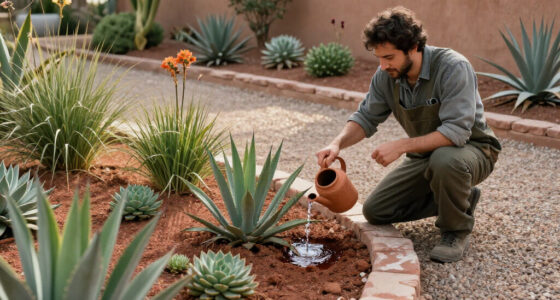
- Water lightly. Keep the soil moist but not soaked. A gentle spray every few days mimics winter rains and encourages germination, especially if natural moisture is scarce.
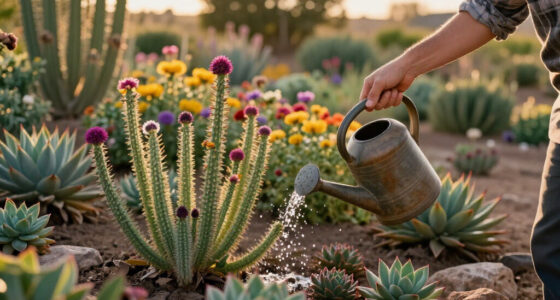
For example, I once seeded a small patch in December, scattering seeds over a bare, sandy bed. With a light spray every few days, by early spring I had a vibrant splash of poppies and desert marigolds sprouting—proof that simple steps pay off.
As an affiliate, we earn on qualifying purchases.
Choosing the Right Seeds: Native Mixes or Invasive Risks?
Picking the right seed mix is crucial. Native desert wildflower seeds are adapted to your region’s climate, soil, and rainfall. They’re more likely to thrive and support local pollinators. For example, a mix of desert marigold, evening primrose, and poppies can fill a patch with color and resilience.
Avoid non-native or invasive species, which can outcompete natives and disrupt local ecosystems. Always look for seed mixes labeled specifically for your desert region. Local nurseries or native plant societies often offer the best options.
Using region-specific native seeds isn’t just about increasing germination success; it’s a vital step toward preserving the natural balance of your local ecosystem. Native plants have evolved alongside local pollinators and soil microbes, making them more resilient to drought and pests. Conversely, invasive species might seem appealing for quick color, but they can quickly dominate and displace native flora, reducing biodiversity and harming wildlife that depends on indigenous plants. Choosing native seeds supports long-term ecological health and reduces the need for chemical interventions, aligning your garden with the desert’s natural rhythm.
As an affiliate, we earn on qualifying purchases.
How to Keep Your Wildflowers Happy After They Sprout
Once your wildflowers start sprouting, they need minimal fuss. In desert settings, natural rainfall usually does the trick. Keep an eye on soil moisture—if rain is sparse, a light watering every couple of weeks helps seedlings develop strong roots.
Control invasive weeds that can choke out your wildflowers—pull or mulch around the plants to shade out competition. Let the plants grow undisturbed to build resilience; wildflowers are tough but need time to establish.
For example, I once left my early spring wildflowers undisturbed, and by late April, they carpeted the yard in yellows and purples—a simple, water-wise celebration of desert life.
As an affiliate, we earn on qualifying purchases.
What Recent Advances Make Wildflower Seeding More Successful?
New seed coatings and delivery methods have boosted germination rates. Some coatings contain moisture-retaining gels or nutrients, helping seeds survive the dry desert conditions. According to Gardener AZ, seed coatings can improve germination by up to 30%.
Climate-smart seed mixes are also emerging, bred to withstand changing rainfall patterns. Additionally, local restoration projects now use remote sensing data to predict bloom periods, helping gardeners time their sowing for maximum impact.
This means your chances of success are higher than ever, even in a landscape that’s notoriously tough on new growth.
What Are the Biggest Challenges in Wildflower Seeding and How to Overcome Them?
Inconsistent rainfall is the biggest hurdle. To counter this, seed early, and be ready to supplement with watering during dry spells. Weeds—both invasive and native—can also choke out your new blooms. Mulch and hand-pull weeds regularly. These challenges matter because they directly influence the success and sustainability of your wildflower patch. Without proper management, seeds may wash away or fail to sprout, leading to disappointment and wasted effort. Weeds can outcompete young plants for nutrients and water, especially in a desert environment where resources are limited. Addressing these issues early ensures a healthier, more resilient wildflower community that can withstand droughts and pest pressures, ultimately supporting the ecological balance you aim to restore.
Poor soil prep can cause seeds to wash away or fail to sprout. Make sure to loosen and clear the ground well before sowing. Also, avoid overwatering—desert plants hate soggy roots.
For example, I once lost a batch of wildflowers to a heavy rain that washed seeds downhill. The fix? Raking soil into gentle mounds to keep seeds in place and reduce runoff.
Frequently Asked Questions
Can I seed desert wildflowers in a small garden or container?
Yes, with well-draining soil and a sunny spot, containers can support desert wildflowers. Use native seeds suited for small spaces, and keep soil lightly moist during germination. This is a great way to enjoy wildflowers even in limited space.
How long does it take for desert wildflowers to bloom after planting?
Most wildflowers bloom within 6 months to a year. Some fast growers like desert marigolds pop up early, while others like desert lilies might take longer. Patience pays off with a splash of color after the wait.
Are there risks of planting invasive wildflowers, and how to avoid them?
Yes, non-native species can become invasive and harm local ecosystems. Always choose seed mixes labeled native or region-specific, and avoid plants known to spread aggressively. Local nurseries or native plant societies are good sources for safe seeds.
Do I need to water my wildflower seeds after planting?
Light, consistent watering during the germination phase helps seeds sprout. Once established, desert wildflowers rely mostly on natural rains. Overwatering can be harmful, so keep soil moist but not soggy.
Conclusion
Getting wildflowers to bloom in your desert yard isn’t magic—it’s about timing, preparation, and giving nature the chance to do its thing. When you seed in the right season and follow simple steps, you can turn a patch of dirt into a living canvas of color every spring.
Think of it as planting hope—hope that comes back year after year, in the form of resilient, water-wise blooms that celebrate the desert’s quiet strength.
Columbus Day / Indigenous Peoples' Day Picks
long weekend sales
As an affiliate, we earn on qualifying purchases.