
TL;DR

Get garden gear delivered free — and shop member deals
- Fast, free delivery on millions of items
- Access to Prime Big Deal Days deals on October 6–7
- Prime Video, Amazon Music and more included
This article outlines eight proven, humane methods to prevent squirrels from damaging your property. These include strategic feeder placement, natural repellents, and planting deterrent plants. The goal is to keep squirrels away without harming them.
Homeowners seeking humane, effective ways to keep squirrels away from their property can now access a detailed list of eight proven methods, according to recent expert advice. These strategies aim to prevent damage to gardens, bird feeders, and homes without harming the animals, making them suitable for those committed to humane pest control.
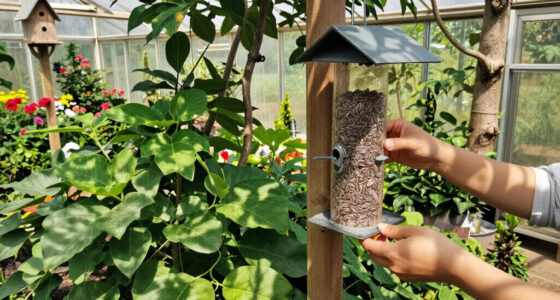
The eight methods include modifying bird feeder placement and design to make access difficult for squirrels, using aromatic repellents like peppermint or citrus oils, and sprinkling capsaicin-based powders around plants and feeders. Experts recommend planting strong-scented plants such as garlic and marigolds, which naturally deter squirrels. Additionally, installing large baffles around tree trunks and feeders can physically block squirrels from climbing or jumping onto targeted areas.
According to Sean Neiswenter, Ph.D., associate professor at the University of Nevada Las Vegas, squirrels dislike strong scents and loud noises, which can be used as humane deterrents. He also emphasizes that using predator urine sprays can be effective, though these should be used with caution considering their strong odor and potential impact on other wildlife. The use of dogs as natural predators is also mentioned as a quick but less practical solution for many homeowners.
Why Homeowners Need Humane Squirrel Deterrents
Effective, humane methods to deter squirrels are important because these animals can cause significant damage to gardens, bird feeders, and even homes by gnawing on wood, wiring, and insulation. Using non-lethal techniques aligns with ethical wildlife management and can prevent costly repairs while maintaining a healthy ecosystem. Understanding these methods helps homeowners address nuisance squirrels responsibly without resorting to harmful traps or poisons.
As an affiliate, we earn on qualifying purchases.
Recent Expert Advice on Squirrel Deterrence Techniques
Squirrels are resourceful animals capable of jumping, climbing, and chewing through various materials. Recent advice from wildlife experts, including Sean Neiswenter, emphasizes that humane deterrents—such as strategic placement of feeders, natural repellents, and planting choices—are effective ways to manage squirrel activity. The concern over property damage and the desire for cruelty-free solutions have driven homeowners to seek these proven tactics.
“Most scents used as repellents are limited in how long they last, so reapplication is necessary. Also, some scents can impact other wildlife, so caution is advised.”
— Sean Neiswenter, Ph.D., UNLV
natural squirrel repellents peppermint citrus
As an affiliate, we earn on qualifying purchases.
As an affiliate, we earn on qualifying purchases.
Remaining Questions About Long-Term Effectiveness
It is not yet clear how long natural repellents remain effective in varying weather conditions or how squirrels might adapt over time to these deterrents. Further research is needed to determine the durability and consistency of these humane methods in different environments.squirrel deterrent plants garlic marigolds
As an affiliate, we earn on qualifying purchases.
As an affiliate, we earn on qualifying purchases.
Next Steps for Homeowners and Researchers
Homeowners are encouraged to experiment with combining physical barriers, planting deterrent species, and using scent repellents for best results. Researchers may focus on developing longer-lasting, eco-friendly deterrents and studying squirrel adaptation patterns. Monitoring the effectiveness of these methods over seasons will help refine best practices.
large tree trunk baffle for squirrels
As an affiliate, we earn on qualifying purchases.
As an affiliate, we earn on qualifying purchases.
Key Questions
Are these methods safe for other wildlife and pets?
Most methods, such as planting strong-scented plants and installing physical barriers, are safe for other wildlife and pets. However, scent repellents and predator urine should be used carefully, following instructions to avoid unintended effects.
Can I use these techniques around my vegetable garden?
Yes, many of these methods—like placing baffles, using hot pepper sprays, and planting deterrent plants—are suitable for protecting vegetable gardens from squirrels.
How often do I need to reapply scent repellents?
Reapplication frequency depends on weather conditions and the specific product used. Generally, scent repellents should be reapplied after rain or heavy wind, typically every few days to maintain effectiveness.
Will these methods work on all squirrel species?
Most humane deterrents are effective against common squirrel species, but results can vary based on local squirrel behavior and environment. Combining multiple methods increases success chances.
Source: Bob Vila
Fall yard work Picks
leaf blowers
As an affiliate, we earn on qualifying purchases.