TL;DR

Get garden gear delivered free — and shop member deals
- Fast, free delivery on millions of items
- Access to Prime Big Deal Days deals on October 6–7
- Prime Video, Amazon Music and more included
Smart irrigation controllers adjust watering based on local weather, sensors, and AI, reducing waste by up to 50%. They are vital for sustainable landscaping in Arizona’s desert climate, especially during monsoon season or drought restrictions.
Smart controllers adjust watering schedules in real-time using local weather data and sensors, saving water and preventing waste.
In Arizona, evapotranspiration (ET) data helps fine-tune watering, especially during extreme heat or drought conditions.
Soil moisture and rain sensors are essential tools to prevent overwatering during sudden storms or residual moisture.
Modern controllers can automatically respond to weather swings like monsoons or heatwaves, keeping landscapes healthy without waste.
Investing in a smart irrigation system is a smart move—your plants, wallet, and water resources will thank you.
How Do Smart Controllers Keep Up With Arizona’s Crazy Weather?
Smart controllers are like having a weather expert in your backyard. They use local weather data—either from nearby weather stations, the internet, or on-site sensors—to tweak watering schedules in real time. For example, if a sudden rainstorm hits Phoenix, your smart controller might skip the next watering cycle automatically, preventing runoff and water waste.
Take a homeowner in Tucson, who installed a weather-based system. During a heatwave, her controller increases watering slightly, making sure her desert plants don’t wilt. When monsoon clouds roll in unexpectedly, it pauses watering altogether. This flexibility is a game-changer in Arizona’s volatile climate.
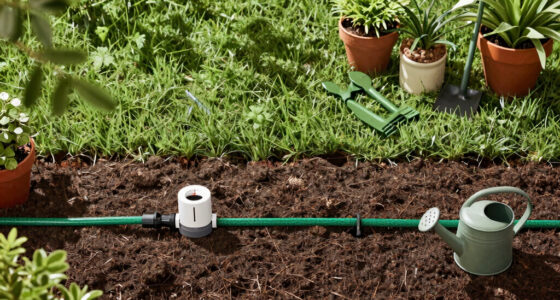
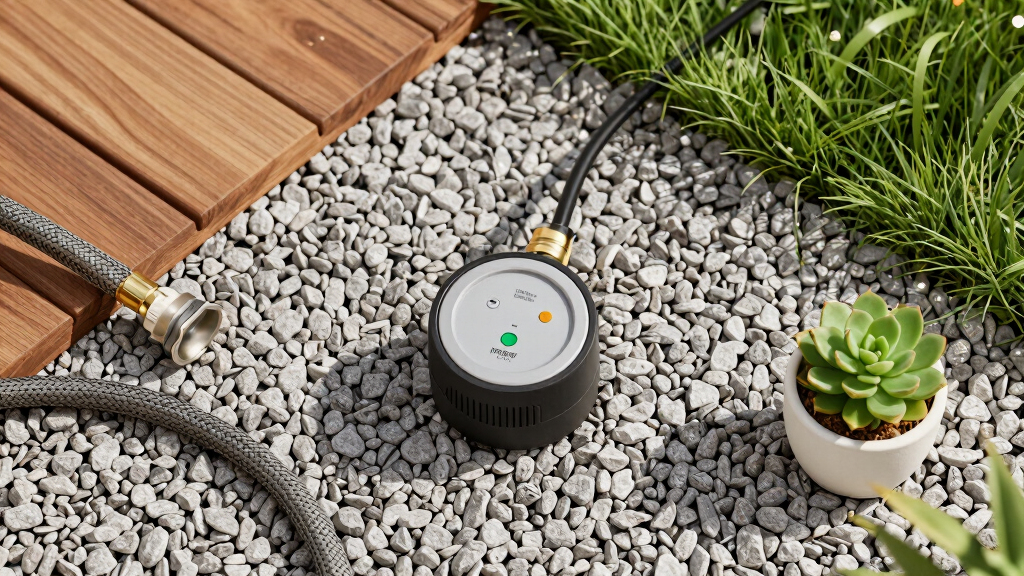
smart irrigation controller with weather sensors
As an affiliate, we earn on qualifying purchases.
As an affiliate, we earn on qualifying purchases.
Why Evapotranspiration (ET) Data Is Your Garden’s Secret Weapon
ET data estimates how much water your plants lose through evaporation and transpiration. This combined measure reflects how much water the plants actually need to stay healthy, considering factors like temperature, humidity, wind, and sunlight. Without understanding ET, you risk overwatering—wasting precious water and potentially harming your plants—or under-watering, which can stress or kill your landscape.
Smart controllers use this data to optimize watering schedules precisely. For example, during a scorching Arizona summer, ET might indicate your garden needs more frequent watering, whereas during cooler months, it suggests less. This dynamic adjustment helps conserve water while maintaining healthy plants. The tradeoff is that ET-based systems require accurate local data; if sensors or data sources are unreliable, your watering might be miscalibrated, leading to waste or stress on your landscape.
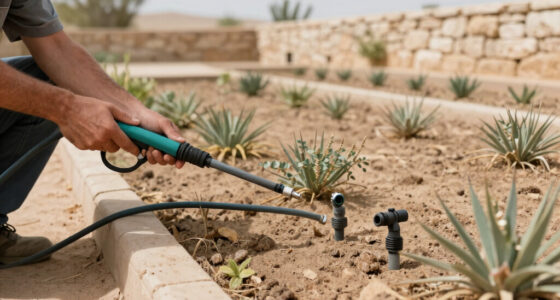
weather-based garden watering system
As an affiliate, we earn on qualifying purchases.
As an affiliate, we earn on qualifying purchases.
The Top 3 Sensors That Make Arizona Gardens Thrive
- Soil Moisture Sensors: Measure how wet or dry your soil really is. In Arizona, they prevent watering when the soil is still damp from last night’s rain, which is crucial because overwatering can lead to runoff, erosion, or root rot in desert plants. Proper soil moisture data ensures your plants get just the right amount of water, promoting healthy growth without waste.
- Rain Sensors: Detect actual rainfall, stopping watering during storms. During monsoon season, these sensors prevent your system from running when it’s already raining—saving water and avoiding waterlogging, which can damage roots and promote fungal diseases. The tradeoff is that if sensors are not properly calibrated or fail, they might miss rain events, leading to unnecessary watering.
- Temperature Sensors: Track air and soil temps, helping your controller decide if plants need extra water during a heatwave or can wait when it cools down. In extreme heat, these sensors trigger longer or more frequent watering cycles, which is vital for desert plants to prevent dehydration. However, inaccurate temperature readings can cause over- or under-watering, so sensor placement and calibration are critical for optimal performance.
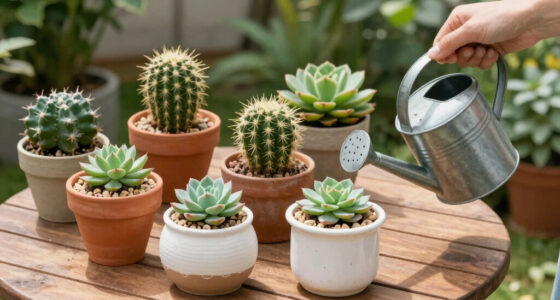
evapotranspiration irrigation controller
As an affiliate, we earn on qualifying purchases.
As an affiliate, we earn on qualifying purchases.
Comparing Traditional Timers vs. Smart Controllers in Arizona
| Feature | Traditional Timer | Smart Controller |
|---|---|---|
| Weather Adjustment | None | Yes, via weather data and sensors |
| Water Savings | Up to 10-20% | Up to 50% |
| Ease of Use | Manual adjustments needed | Remote control via app |
| Handling Rain/Storms | No | Yes, pauses watering automatically |
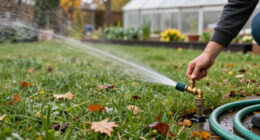
soil moisture sensor for irrigation
As an affiliate, we earn on qualifying purchases.
As an affiliate, we earn on qualifying purchases.
How a Typical Smart System Adapts in a Day’s Wild Weather Swings
- Morning: The system checks local weather data and soil moisture levels.
- Midday: A sudden thunderstorm dumps rain. The controller detects this and halts watering.
- Afternoon: The heat intensifies. The system increases watering duration to compensate for increased evaporation.
- Evening: It reassesses and adjusts for overnight cooling and residual moisture.
The Latest Tech Making Arizona Gardens Smarter
Newer controllers now use hyper-local weather data, sometimes from on-site weather stations or high-res APIs. AI algorithms learn from past weather patterns, fine-tuning watering schedules over time. Some models even sync with drought alerts, automatically reducing water use during restrictions.
Solar-powered models are gaining ground, cutting energy costs and boosting sustainability. Integration with smart home systems like Google Home or Alexa adds voice control, making watering adjustments as easy as asking your assistant. These innovations mean your irrigation system is not only smarter but more adaptable to Arizona’s changing conditions, ensuring efficient water use and healthier landscapes. The tradeoff is increased complexity and cost, which may not be suitable for all budgets or DIYers.
What You Should Know Before Installing a Smart Controller in Arizona
- Match your system with your climate zone—look for models with weather-based features approved for Arizona.
- Ensure compatibility with local sensors for soil moisture and rain detection.
- Consider professional installation if your irrigation system is complex.
- Set up alerts for drought or water restrictions—many controllers handle this automatically.
- Factor in your budget—smart controllers often cost more upfront but save water and money over time.
Handling Arizona’s Droughts and Monsoons Like a Pro
Smart controllers shine during droughts and monsoons. They automatically reduce watering during water restrictions and pause during unexpected storms. This targeted approach not only conserves water but also reduces runoff and erosion, which are common issues in arid landscapes during heavy storms. For example, a Mesa homeowner’s system paused watering during a sudden monsoon, saving hundreds of gallons and preventing potential landscape damage. The key is selecting a controller with reliable real-time weather updates and sensors—these features ensure your landscape gets what it needs without waste, even during extreme weather events. The tradeoff is the initial investment and the need for proper calibration to avoid misjudging water needs during these critical periods.
Frequently Asked Questions
How do smart irrigation controllers handle sudden rainstorms in Arizona?
They use rain sensors or real-time weather data to detect rain and pause watering automatically. This prevents overwatering and runoff, especially during unpredictable monsoons.Are smart controllers worth the extra cost in a desert climate?
Absolutely. They can cut water use by up to 50%, save you money on water bills, and reduce the hassle of manual adjustments—making them a smart investment for water-wise desert gardening.Can I install a smart controller myself, or do I need a pro?
Many homeowners find DIY installation straightforward, especially with plug-and-play models. But if your system is complex or you want perfect setup, a professional can ensure everything works seamlessly.What sensors are best for Arizona’s climate?
Soil moisture sensors and rain sensors are most effective, as they provide real-time data on current conditions—crucial for managing water during monsoon season or drought.How do smart controllers adapt to Arizona’s extreme heat?
They increase watering durations during heatwaves based on temperature data and ET calculations, helping plants stay hydrated without overwatering during cooler days.Conclusion
Arizona’s wild weather demands smarter watering. With weather-aware controllers, you’re not just watering your yard—you’re managing water wisely. Think of it as giving your garden a brain—one that reacts instantly to the desert’s mood swings. That’s the future of desert gardening.Halloween Picks
halloween
As an affiliate, we earn on qualifying purchases.