
TL;DR

Get garden gear delivered free with Prime
- Fast, free delivery on millions of items
- Prime Video, Amazon Music and more included
- Member-only deals all year
You can convert your front lawn to xeriscape without HOA fights by understanding rules, planning carefully, and communicating clearly. Implementing drought-tolerant plants and efficient irrigation can save water and boost curb appeal without trouble.
Changing your front yard into a water-wise xeriscape might seem like a battle waiting to happen, especially with HOA rules looming. But it doesn’t have to be a fight. With a smart plan, clear communication, and a little patience, you can create a stunning, drought-tolerant landscape that fits your community.
The trick is knowing how to work within the rules and how to present your ideas so they see the benefits, not just the changes. This guide walks you through the steps—what to do, what to say, and how to design a yard that’s both beautiful and compliant.
Review and understand your HOA’s landscaping rules thoroughly before planning your xeriscape project.
Present a detailed, visually appealing plan emphasizing community standards, environmental benefits, and local incentives to gain approval.
Choose native, drought-tolerant plants suited to your microclimate to ensure sustainability and ease of maintenance.
Communicate openly with neighbors and HOA officials early, sharing your goals and design ideas to foster support and avoid conflicts.
Stay informed about local laws, rebates, and regulations—being proactive helps you create a water-wise landscape smoothly.
Converting a Front Lawn to Xeriscape Without an HOA Fight
Treating your conversion as an architectural-change project — not just planting — is the single safest path to a drought-tolerant yard that passes board review, respects community rules, and saves water and money.
The trick isn’t just planting the right plants — it’s planning, approval, and design.
Key InsightKnow the Rules Before You Dig
Many covenants focus on appearance, materials, and maintenance — not outright bans. Review every governing document before removing a single blade of turf. Drought laws and rebate programs do not automatically cancel architectural-review requirements.
| Document | What It Controls | Why It Matters | Status |
|---|---|---|---|
| HOA Declaration & Covenants | Lawn appearance, materials, maintenance standards | Replacing turf with natives or gravel may still need permission | ✓ Read first |
| Architectural / Landscape Guidelines | Design review process, submission requirements | Defines what a compliant xeriscape looks like | ✓ Read first |
| Approved Plant & Material Lists | Permitted species and ground covers | Your palette must come from this list or be justified | ✓ Read first |
| Municipal Ordinances | Weed control, landscaping codes | Some jurisdictions bar turf removal without approval | ~ Varies |
| State Water-Efficiency Laws | Protection for water-wise landscaping | May prevent outright bans — but not aesthetic rules | ~ Varies |
| Utility Rebate Requirements | Eligibility for turf-removal rebates | Rebates often require specific plant coverage | ~ Optional |
Get It in Writing: The Approval Package
A thorough, well-prepared application is your best defense. Verbal approval from a board member, manager, or landscaper may not protect you later — keep copies of all correspondence.
Plans & Photos
Scaled site plan, current-yard photographs, and renderings of the proposed xeriscape. Professional-looking visuals demonstrate seriousness.
Plant & Material Detail
Plant names with mature sizes and spacing, mulch and ground-cover specs, hardscape locations, and irrigation and drainage plans.
Schedule & Documentation
Installation timeline, maintenance plan, plus any applicable law, municipal guidance, or rebate documentation supporting the proposal.
Local Definitions Guide Your Design
“Xeriscape,” “drought-tolerant,” “native,” and “water-wise” are not always legally interchangeable. Local rules define eligible landscaping through measurable criteria — and how each factor typically weighs in approval decisions:
Relative emphasis of common approval criteria, based on typical statute and HOA definitions. Misinterpreting them can lead to rejection or fines — so base your proposal on the exact language used in your governing documents.
Design a Yard, Not a Field of Gravel
The most defensible designs retain visible structure and substantial living vegetation. Large expanses of gravel reflect heat, encourage weeds, compact soil, and create runoff — some jurisdictions restrict rock-heavy “zeroscapes.”
Clear Entrance Path
An obvious, welcoming route to the front door signals intention.
Layered Planting Beds
Varied heights in defined beds create depth and structure.
Repeated Groupings
Repetition of plant clusters produces visual harmony.
Focal Points
A decorative boulder or seasonally blooming native shrub anchors the eye.
Mulch & Accents
Mulch complements the house; stone is purposeful, not total.
The Seven Principles of Xeriscaping
Xeriscaping isn’t about zero water — it’s about smart water use. Note: “native” does not automatically mean drought-tolerant in every site condition. Match each plant to rainfall, soil, sun, drainage, and winter temperatures.
Planning & Zoning
Design with your microclimate in mind to select plants that thrive with less water.
Soil Improvement
Amend poor soils for drainage and plant health — prevents rot and erosion violations.
Climate-Adapted Plants
Choose natives or drought-tolerant species suited to your region and legal definitions.
Efficient Irrigation
Drip emitters and zone watering minimize waste, runoff, and dispute-triggering drainage issues.
Appropriate Mulch
Organic or inorganic mulch cuts evaporation and weeds — and looks intentional.
Limited Turf
Small, strategic patches only where function demands them. Keeps you water-compliant.
Maintenance
Regular weeding, pruning, and irrigation checks prevent “neglected lot” complaints.
A Proven Cluster
Lavender + agave + native desert marigolds over organic bark mulch: lush, water-wise, seamless.
Address HOA Concerns Before They Knock
Most objections boil down to appearance and upkeep — not water savings. Build these assurances directly into your proposal:
- Look intentional from the street and complement the home’s style and the neighborhood.
- Contain weeds and invasive plants with a stated maintenance plan.
- Preserve drainage routes — no runoff onto neighboring lots.
- Avoid blocking sidewalks, sight lines, utility equipment, or windows.
- Prevent loose rock from entering streets or adjacent yards.
- Remain attractive across seasons — not just when plants are in bloom.
Understand Your HOA Rules Before You Start
The first step is pulling out your community’s covenants, deed restrictions, and landscaping guidelines. This isn’t just busywork—it’s your foundation. Many HOAs have specific rules about front yard appearances, plant choices, and even the use of mulch or rock.
For example, if your HOA mandates traditional grass lawns, replacing it with rocks or native plants might seem off-limits. But most covenants are written to preserve aesthetic standards, not to block sustainable choices. Reading your rules carefully helps you identify where you have wiggle room.
It’s also wise to check if your HOA has any restrictions on water-efficient landscaping. Some communities are increasingly embracing xeriscape as part of their eco-friendly initiatives. If you find that rules are vague or restrictive, don’t hesitate to reach out to the HOA board for clarification or to propose modifications.
Pro tip: Keep a record of your communications and any official guidelines. Having documentation can come in handy if disputes arise later.
As an affiliate, we earn on qualifying purchases.
Build a Solid Case: Show How Xeriscaping Benefits Everyone
When you approach your HOA, you need more than just a vague idea. Present a well-thought-out plan that highlights benefits—cost savings, water conservation, and curb appeal. Showing how xeriscaping can enhance the community’s aesthetics while reducing ongoing maintenance costs can make your proposal more compelling.
For example, a neighbor in a nearby desert town replaced their lush, high-maintenance lawn with native, drought-tolerant plants and mulch. Their water bill dropped by over 50%, and the yard looked vibrant year-round. This real-world success demonstrates that xeriscaping can be both beautiful and practical, addressing community concerns about water use and upkeep.
Include a detailed sketch or professional landscape plan if possible. Emphasize how your design meets community standards—using native plants that blend with existing landscaping and incorporating mulch or rocks for a tidy appearance. Mention local laws or city incentives that support xeriscaping, adding weight to your proposal.
Remember: framing xeriscaping as an environmentally responsible choice can sway even skeptical HOA members and highlight the long-term benefits for the community’s sustainability goals.
drought-tolerant plants for xeriscape
As an affiliate, we earn on qualifying purchases.
As an affiliate, we earn on qualifying purchases.
Choose the Right Drought-Tolerant Plants for Your Area
Not all plants are created equal when it comes to xeriscaping. Your goal is to pick native, drought-tolerant species that thrive with minimal water. Choosing plants that are well-adapted to your local climate not only ensures their survival but also minimizes maintenance and water costs over time. This decision can have significant implications—plants that aren’t suited to your environment may require additional watering, fertilizers, or pest control, which can offset water savings and create community concerns about sustainability and aesthetics.
For example, in Arizona, agave, desert spoon, and red yucca bring striking color and texture without demanding much irrigation, but selecting non-native plants might lead to higher water use or invasive issues. In California, California poppies, ceanothus, and manzanita are tough, beautiful ground covers or shrubs that resist drought, but their success depends on matching plant choices to your microclimate, soil type, and exposure. Consulting with local extension offices or native plant societies provides insights that help you avoid costly mistakes and ensure your xeriscape aligns with community standards for appearance and environmental responsibility.
When choosing plants, consider their mature size, seasonal interest, and compatibility with existing landscaping. Proper selection reduces the need for supplemental watering, fertilizers, and pest control, which can be viewed as tradeoffs—balancing initial planting costs against long-term water and maintenance savings. This careful selection process not only supports sustainability but also helps maintain community standards by preventing overgrown or inappropriate plantings that might otherwise detract from neighborhood aesthetics or cause conflicts over maintenance responsibilities.
As an affiliate, we earn on qualifying purchases.
Design Your Xeriscape to Win HOA Approval
Designing a yard that pleases the HOA and saves water takes some finesse. Use a simple, clean layout with defined curves and zones. Incorporate mulch and rocks alongside drought-tolerant plants to create visual harmony and reduce weed growth, which can be a concern for maintaining community standards. Thoughtful design can also help address potential aesthetic objections—by mimicking natural desert scenery or native landscapes, you align with community preferences and environmental goals.
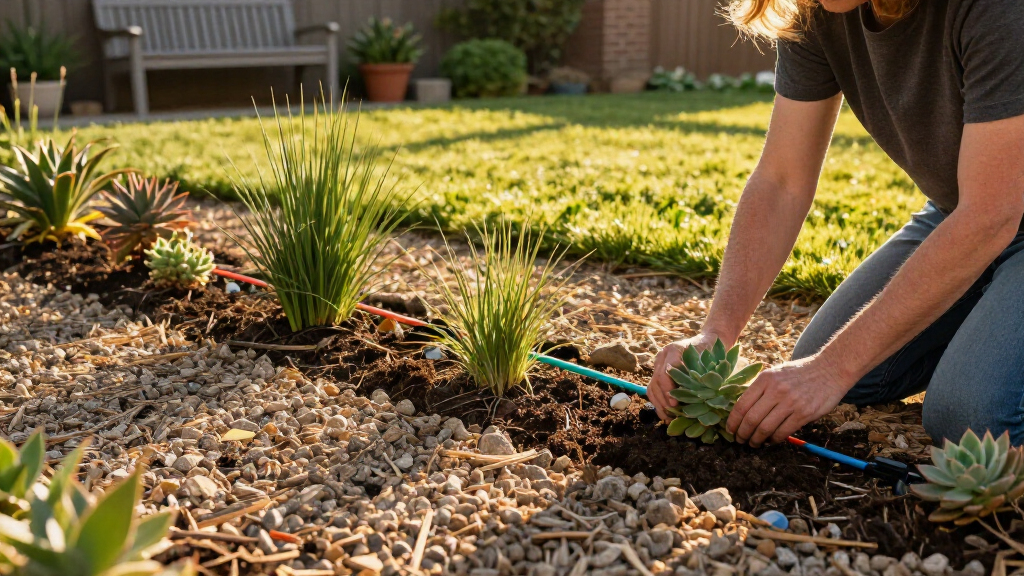
For example, a homeowner in Phoenix designed a front yard with a gravel pathway, a border of native lavender, and a cluster of agave and red yucca. Their plan mimicked natural desert scenery, which many HOAs find appealing and aligns with local environmental themes.
Here’s a quick step-by-step:
- Sketch your layout, noting plant placement and hardscape features, ensuring it looks cohesive and balanced.
- Include a variety of textures and colors for visual interest, but avoid clutter or overly exotic plants that might raise concerns.
- Use mulch or rock to unify the look and suppress weeds, which supports community standards for tidiness.
- Prepare a list of plant species with photos and descriptions to clearly communicate your choices.
- Draft a brief narrative explaining how your design aligns with community standards and environmental goals.
- Present your plan to the HOA with confidence, emphasizing compliance and sustainability, and be willing to listen and adapt to feedback.
Remember, flexibility is key. Showing good-faith effort and respect for community standards often wins the day, and demonstrating your willingness to make adjustments can foster cooperation and approval.
As an affiliate, we earn on qualifying purchases.
Smart Strategies to Avoid HOA Conflicts and Keep Peace
Avoiding HOA disputes isn’t about sneaking around; it’s about transparency and collaboration. Keep neighbors and HOA members in the loop early. Share your plans at community meetings or informal gatherings. When people see your goal is to beautify and conserve, they’re more likely to support you, especially if you explain how your xeriscaping aligns with community values and sustainability efforts.
For example, a homeowner in a HOA-heavy neighborhood scheduled a quick presentation with sketches and plant samples. They explained their water-saving goals and how the design would fit existing standards. This proactive approach fostered understanding and led to a smooth approval process, avoiding potential conflicts before they arise.
Also, document everything: emails, meeting notes, sketches, and approvals. If conflicts emerge, you’ll have a paper trail showing your good-faith effort. This transparency can be crucial in resolving disagreements and demonstrating your commitment to community standards.
Lastly, keep your design flexible. If the HOA raises concerns about plant choices or aesthetics, be willing to adjust—sometimes a few rock accents or native grasses are enough to satisfy everyone. Showing your openness to compromise demonstrates respect for community standards and can turn potential conflicts into collaborative solutions.
Stay Ahead: Know Local Laws and Incentives
Many municipalities support xeriscaping through rebates, grants, or water-efficient landscaping laws. Checking with your city’s water department or local government websites can reveal opportunities to offset costs and support sustainable landscaping. These incentives often come with specific requirements—such as using certain native plants or adhering to particular design standards—that you should understand thoroughly. Being aware of these details ensures your project remains compliant and maximizes potential benefits.
For example, in parts of California, residents can get rebates covering up to 50% of the cost of xeriscape upgrades, but these programs often require documentation and adherence to specific guidelines. Understanding these incentives allows you to plan a cost-effective transformation while aligning with community and environmental goals.
Also, be aware of local ordinances—some cities have restrictions on gravel, artificial turf, or plant types. Overlooking these rules can lead to delays or fines, so consulting with local experts or landscape professionals familiar with regulations helps you avoid costly mistakes and ensures your xeriscape project is both compliant and sustainable.
Proactively researching and understanding local laws and incentives can save you time, money, and potential conflicts, making your transition to xeriscaping smoother and more rewarding.
Frequently Asked Questions
Is xeriscaping allowed in my HOA community?
Most HOAs have rules about front yard appearance, but many are open to drought-tolerant landscaping if you follow their guidelines. Review your covenants carefully and communicate clearly with the HOA board about your plans.
How can I convince my HOA to approve xeriscaping?
Present a detailed, professional plan showing how your xeriscape meets aesthetic standards, benefits the community, and complies with any regulations. Emphasize water savings and environmental benefits to make your case compelling.
What native plants work best for xeriscaping in my region?
Check with local extension offices or native plant societies. For example, in Arizona, plants like agave, desert spoon, and red yucca thrive with minimal water. Using regional native plants ensures success and community approval.
Will xeriscaping affect my property value?
Not at all. When designed well, xeriscapes boost curb appeal and are especially attractive in drought-prone areas, often increasing property value by reducing maintenance costs and water bills.
How much does it cost to convert a lawn to xeriscape?
Costs vary based on yard size and design complexity but often compare favorably to maintaining a lush lawn. Many find that the long-term savings on water and upkeep outweigh initial expenses.
Conclusion
Transforming your front yard into xeriscape isn’t just about saving water; it’s about working smart with your community. Clear rules, good communication, and a solid plan turn potential disputes into collaboration.
Imagine a yard that’s vibrant, sustainable, and admired—without the hassle. With patience and preparation, your drought-tolerant oasis can become a proud part of your neighborhood’s landscape—and your best-kept secret.
Halloween Picks
halloween
As an affiliate, we earn on qualifying purchases.