
TL;DR

Get garden gear delivered free with Prime
- Fast, free delivery on millions of items
- Prime Video, Amazon Music and more included
- Member-only deals all year
Shearing Texas sage damages its natural form and reduces bloom. Instead, prune selectively, focusing on removing dead or problematic branches, to keep the plant healthy, attractive, and flowering generously.
Imagine a vibrant, silvery shrub bursting with waves of purple, pink, or white flowers after a summer rain. That’s Texas sage—an easy, drought-tolerant favorite in desert landscapes. Yet many gardeners turn this graceful plant into a stiff, boxy shape with frequent shearing.
If you want a healthy, blooming Texas sage, ignoring the shearing craze is your best move. This guide shows you how to prune for a natural shape and vibrant bloom, saving you time and boosting your landscape’s beauty.
Stop shearing Texas sage; it damages the plant’s natural, graceful form and reduces flowering.
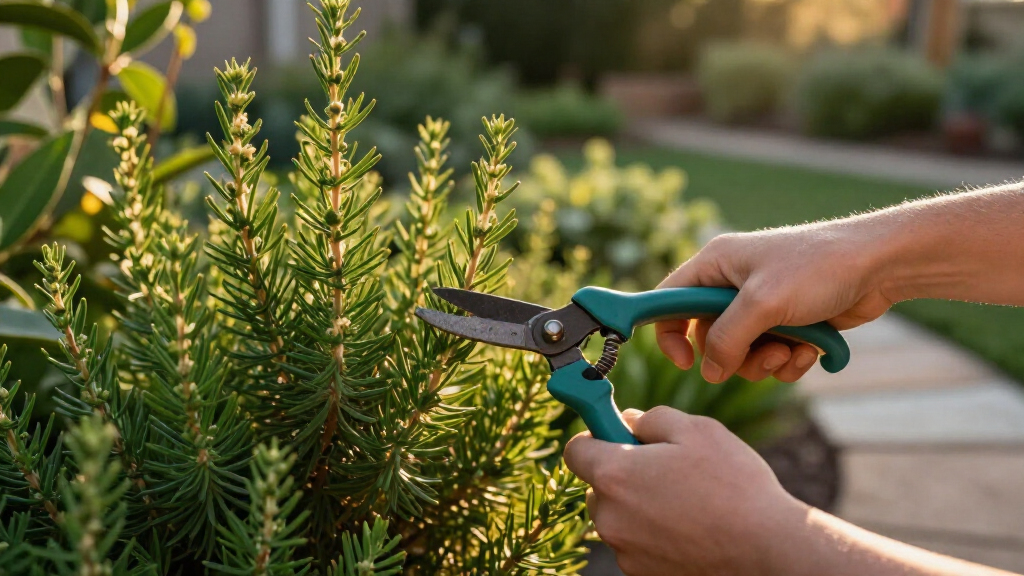
Prune selectively with hand tools, removing dead or damaged branches and thinning throughout the shrub.
Prune in late winter or early spring for best structural results and to preserve bloom potential.
Gradually restore overgrown or badly sheared plants by removing old stems and encouraging new growth over several seasons.
Choose smaller cultivars and appropriate locations to keep maintenance minimal and the plant healthy.
Stop Shearing Texas Sage
Prune for natural shape and bloom. Texas sage is built to become a loose, silvery shrub—not a rigid box or ball. Selective cuts protect its graceful structure, reduce maintenance, and preserve the flowering tips that erupt after humid weather and summer rain.
Why shearing works against the plant
Hedge trimmers treat every branch alike. They remove flower-bearing tips, trigger clusters of shallow shoots, and progressively hide the airy structure that gives Leucophyllum frutescens its distinctive desert character.
Flower buds disappear
Indiscriminate cuts remove tender stem tips—including developing buds—before they can produce purple, pink, or white flowers.
A twiggy shell forms
Each cut stimulates multiple shoots near the surface. The dense exterior shades the shrub’s interior and weakens its layered form.
The center turns bare
Reduced light and airflow leave older inner branches woody and leafless, making later correction slower and less predictable.
Grace becomes geometry
Tight boxes and balls conceal the silver foliage, irregular branching, and softly rounded outline that suit desert landscapes.
Every cut creates more cuts
Repeated trimming encourages more shoots, shortening the interval before the shrub looks untidy again and creating extra yard waste.
Stress replaces strength
Excessive pruning can weaken stems, reduce vigor, and leave the plant less prepared to recover from drought, heat, pests, or cold.
Shearing versus selective pruning
Selective pruning takes more attention during the session, but it is needed far less often. The result is a healthier shrub with visible structure, better airflow, and more flowering potential.
| Outcome | Routine shearing | Selective pruning | Best practice |
|---|---|---|---|
| Natural silhouette | ✕Replaced by a box or ball | ✓Loose and softly rounded | Keep branches at varied heights |
| Flowering tips | ✕Frequently removed | ✓Largely preserved | Cut only where correction is needed |
| Interior health | ✕Shaded by dense growth | ✓Opened with careful thinning | Remove selected stems throughout |
| Maintenance | ✕Frequent and repetitive | ✓Occasional and purposeful | Choose a cultivar that fits the site |
| Corrective value | ✕Hides structural problems | ~Gradually improves structure | Renovate over two or three seasons |
Prune from the inside out
Use sharp hand tools and make deliberate cuts at branch junctions or healthy lateral branches. Step back between cuts; the goal is balance, not perfect symmetry.
Inspect the whole shrub
Find dead, broken, rubbing, diseased, or badly placed branches before shaping anything.
Remove problem wood
Cut damaged branches back to their point of origin or to a healthy lateral branch.
Thin selected stems
Work throughout the canopy instead of clipping only the outer layer.
Vary the cut heights
Preserve irregular, layered branching; never shorten every stem to one level.
Pause at one-third
Stop before removing more than about one-third of the living canopy in one session.
Hand pruners for smaller stems; loppers for thicker branches. Keep blades sharp, and sterilize them when disease is suspected.
No hedge shearsProtect the next bloom cycle
Texas sage flowers in flushes associated with rain, humidity, and atmospheric changes—hence “barometer bush.” Pruning does not trigger this weather-driven cycle, but poor timing can remove the buds that would respond to it.
A seasonal pruning map
Local climate matters. In colder parts of the plant’s range, wait until the danger of severe frost has largely passed.
The one-third ceiling
Routine pruning should refine the plant, not rebuild it in one afternoon. Removing too much living growth increases stress and suppresses flowering.
Stop here. If more correction is needed, continue during a later season after the shrub has recovered.
Restore a sheared shrub gradually
A stiff, bare-centered Texas sage may recover, but age, cultivar, climate, and overall health affect the result. Gradual renovation is safer than removing most of the canopy at once.
The low-maintenance chain
The best pruning strategy begins before the first cut: match the mature plant to the site, then let its natural biology do most of the work.
Let Texas sage look like Texas sage.
Stop routine shearing. It damages the natural silhouette and removes flowering tips.
Use hand tools. Remove dead, damaged, rubbing, or badly placed branches first.
Prune at the right time. Late winter or early spring is generally best for structural work.
Renovate patiently. Correct a woody, overgrown shrub across two or three seasons.
Plant for mature size. The right cultivar eliminates most demands for containment pruning.
Why Shearing Texas Sage Ruins Its Natural Beauty
Shearing might seem quick and tidy, but it strips away the plant’s personality. When you cut indiscriminately with hedge trimmers, you remove the tender tips that hold flower buds. Over time, this encourages dense, twiggy growth on the surface, shading the inside of the shrub.
This process creates a hollow shell of foliage—no more graceful, layered branches or shimmering silver leaves. It’s like forcing a once-loose, flowing river into a straight, concrete canal. Plus, shearing stimulates more shoots, leading to constant, time-consuming trimming.
As Gardener AZ explains, repeatedly shearing a Texas sage turns it into a woody, unattractive block that blooms less and demands more work. The plant survives, but its health, beauty, and flowering potential suffer. This tradeoff impacts not just aesthetics but also the plant’s vitality, as excessive shearing can weaken stems and reduce resilience against pests and drought stress. Over time, the plant’s ability to recover and produce abundant flowers diminishes, leading to a cycle of more pruning and less natural beauty.
As an affiliate, we earn on qualifying purchases.
How Texas Sage Grows Naturally — Embrace Its Easy, Loose Form
Texas sage’s natural shape is a soft, rounded shrub with irregular, layered branches. Depending on the cultivar, it can reach 3 to 8 feet tall and wide, with some larger selections. Its silver foliage shimmers in the sun, and its flowers follow rain and humidity—hence the nickname “barometer bush.”
When left alone, it develops a loose, flowing canopy that looks both elegant and natural. It’s like a desert sculpture—breezy and unforced. Cutting it back hard can wipe out its bloom cycle, as flowers form on the newest growth. So, understanding its growth habits is key to pruning wisely.
For example, imagine a mature Texas sage in full bloom after a summer rain. If you prune it harshly in late winter, you cut off the new growth that would have produced flowers in the upcoming season. Respecting its natural, relaxed form means allowing it to develop the layered, airy look it’s inherently designed for. This approach not only maintains its aesthetic appeal but also ensures that energy is directed toward healthy growth and abundant flowering. Over-pruning, like trimming it into a formal hedge, forces the plant into an unnatural shape, stressing it and reducing its ability to recover quickly after drought or heat stress. Thus, understanding and respecting its natural growth pattern is crucial for long-term health and beauty.
drought-tolerant shrub pruning tools
As an affiliate, we earn on qualifying purchases.
As an affiliate, we earn on qualifying purchases.
How to Prune Texas Sage for a Beautiful, Natural Look
- Use hand tools—pruners or loppers—rather than hedge shears. They give you control and avoid damaging the plant.
- Start by removing dead, broken, or rubbing branches. Focus on clearing out the interior and shaping the plant gently.
- Thin selected stems throughout the shrub, not just the outer layer. Step back often to check your work.
- Make cuts at branch junctions, not flush with the trunk. Keep some unevenness to preserve its natural flow.
- Limit removal to about one-third of the canopy at a time. Over-pruning stresses the plant and reduces bloom.
- Disinfect tools if you see signs of disease, and keep blades sharp for clean cuts.
This method takes a bit more time but results in a healthier, more attractive shrub that blooms better and needs less frequent trimming. Think of it as sculpting a piece of driftwood—careful, gradual, and respectful of its natural lines. For example, imagine pruning a wild-looking Texas sage that has become leggy and overgrown. Instead of shearing it into a box, you selectively remove the oldest, most awkward branches, encouraging new lateral growth that fills in gaps and maintains a natural, flowing shape. This approach not only preserves its resilience but also enhances its ability to produce abundant flowers, especially after seasonal rains. Over time, this gentle pruning creates a more balanced, vibrant plant that fits seamlessly into your landscape, reducing the need for constant maintenance.
As an affiliate, we earn on qualifying purchases.
When and How to Prune Texas Sage Without Killing Its Bloom
The best time to prune is late winter or early spring—before the plant bursts into new growth. This allows you to shape it without sacrificing buds or flowers. Light corrective pruning can also be done after a bloom flush, but avoid heavy cuts during the growing season.
In hot climates, avoid pruning during the heat of summer or right before a freeze. Young or recently transplanted plants need time to settle in before being cut back.
For overgrown or badly sheared plants, a gradual renovation over two or three seasons works best. Remove dead wood, then cut back old stems at their base. Shorten selected branches at different heights to encourage new growth. Patience pays off—this approach preserves health and bloom potential.
Remember: heavy pruning during bloom season can cut off the flowers you want to enjoy. Plan your cuts carefully so the plant’s energy goes into developing new, flowering branches later. For instance, if you prune a Texas sage in early spring, you stimulate growth that will produce flowers in late summer or fall, aligning with its natural blooming cycle. Conversely, heavy pruning during summer can remove the current season’s buds, resulting in a sparse or absent bloom. Recognizing these timing nuances is critical; it’s like timing a garden dance—prune too early or too late, and you miss the performance. Proper timing ensures the plant’s energy is directed toward producing a vibrant, seasonally appropriate display, while also maintaining its health in the face of environmental stresses.
As an affiliate, we earn on qualifying purchases.
Fixing a Sheared Texas Sage: Step-by-Step Recovery
If your Texas sage looks like a stiff, bare ball, don’t despair. Recovery is possible, but patience is key. Start by removing any dead or severely damaged branches. Then, selectively thin out the oldest, most awkward stems at their base.
Next, shorten some remaining branches to lateral growth points at different heights. This encourages the plant to fill in uneven patches and regain a natural, layered shape.
For example, imagine a Texas sage that was sheared into a boxy shape, with few flowers and a dense, woody shell. By gradually removing the overgrown, dead, or woody stems over a couple of seasons, you allow new, healthy shoots to emerge from the base and along the branches. Like sculpting a rough block of stone into a graceful sculpture, you’re gently carving back the plant’s excess to reveal its natural, flowing form. This process might involve cutting back some branches hard, but only at specific points, and always leaving enough to encourage new growth. Patience is essential: over-pruning all at once can shock the plant and inhibit recovery. Over time, this careful, incremental approach restores the plant’s natural beauty, encourages flowering, and improves resilience—much like restoring an old, neglected garden sculpture back to its original grace.
Choose the Right Spot and Size for Texas Sage to Avoid Shearing Nightmares
Many pruning issues start before planting—by choosing the wrong size for the space. Always check the mature size of your cultivar. A dwarf Texas sage in a small garden bed will need less trimming than a full-size one in a tight corner.
Plant in full sun with excellent drainage. Avoid shade, overwatering, or high nitrogen fertilizer, which encourage lanky, green growth. Instead, give your sage room to spread naturally—this means plenty of space for its loose, rounded form to develop.
For example, imagine planting a small cultivar near a walkway. If you choose a larger, full-size Texas sage without considering its mature size, you might find yourself constantly trimming it to keep it contained—sometimes even shearing it into a formal hedge, which contradicts its natural form. Conversely, selecting a smaller cultivar and placing it in a spacious spot allows it to grow freely and maintain its natural, relaxed shape without frequent intervention. This not only reduces maintenance but also enhances its aesthetic appeal, making your landscape more sustainable and less labor-intensive.
Why Blooming Is More About Weather Than Pruning
In Texas sage, flowering depends more on rain and humidity than on pruning. Heavy pruning during bloom season can cut off buds and reduce flowers. Instead, rely on natural weather triggers for a spectacular show.
Flowers appear in flushes, often after summer storms or increased humidity. Cutting back at the right time—late winter or early spring—ensures you don’t miss out on these displays. Recognizing that environmental factors like moisture and temperature primarily influence bloom cycles helps gardeners understand that consistent, gentle care yields better results than aggressive pruning.
For example, if a gardener prunes their Texas sage in early fall, expecting it to bloom for the holidays, they might be disappointed. Instead, understanding that rains and humidity trigger flowering helps them time their pruning to late winter, encouraging a lush display in late summer. This approach is like tuning into nature’s rhythm—by observing and respecting it, you can enhance your plant’s natural performance, supporting pollinators and creating a more vibrant landscape. Over-pruning or pruning at the wrong time can hinder this natural cycle, reducing both the visual impact and ecological benefits of your plant.
The Big Trend: Moving Away from Formal Hedges to Natural Shapes
Today’s landscape design favors native, regionally adapted plants in relaxed, natural forms. Formal, clipped hedges are giving way to plants like Texas sage that look good left to their own devices. This shift reduces maintenance and benefits local pollinators.
Designers now focus on “right plant, right place,” giving plants room to grow and express their natural character. Smaller cultivars, with their compact, rounded shape, fit better in tight spaces and require less trimming.
This trend isn’t just about aesthetics—it’s about creating landscapes that are easier to care for and more ecologically friendly. Embracing natural forms reflects a deeper understanding that plants are healthiest when allowed to grow in their native or adapted shapes, which reduces stress, conserves resources, and supports local ecosystems.
For instance, replacing a formal hedge with a cluster of native Texas sages creates a more dynamic and resilient border. This approach allows the plants to grow in their natural, unforced shapes, providing habitat for pollinators and reducing the need for frequent shearing. It’s like switching from a manicured lawn to a wildflower meadow—more sustainable, more beautiful, and more in tune with the environment.
Frequently Asked Questions
Will Texas sage grow back after hard pruning?
In many cases, yes. A healthy Texas sage can produce new shoots after severe pruning, especially in warm climates. However, recovery isn’t guaranteed from every old, bare branch. Gradual renewal over a couple of seasons is safer than a one-time brutal cut.
How far can I cut it back without losing bloom?
Remove no more than about one-third of the living canopy at a time. Make cuts at branch junctions and avoid cutting into bare wood. Pruning during late winter or early spring helps preserve flower buds for the upcoming season.
Can I use hedge trimmers once a year?
Hedge trimmers are tempting for quick shaping, but they tend to remove flower buds and create a stiff, unnatural look. Hand pruning a few selected branches promotes a more natural shape and better flowering, especially if done annually or as needed.
When should I prune to avoid losing flowers?
Prune in late winter or early spring before new growth begins. Light pruning after a bloom flush is okay, but avoid heavy cuts during the growing season to preserve your flowers.
Why isn’t my Texas sage blooming?
Common reasons include too much shade, overwatering, excessive nitrogen fertilizer, or pruning at the wrong time. Ensure it’s in full sun, well-drained soil, and avoid over-pruning or fertilizing with high nitrogen. Patience is key—weather and season also influence blooms.
Conclusion
Resist the urge to shear your Texas sage into a stiff, unnatural shape. Instead, embrace its natural, flowing form with selective pruning that promotes health and vibrant bloom. Your landscape will thank you with less work and more spectacular flowers.
In the end, the secret is simple: give this native beauty room to grow, prune thoughtfully, and enjoy the seasonally changing display. It’s a plant that rewards patience and respect with its wild, silver charm.
Halloween Picks
halloween
As an affiliate, we earn on qualifying purchases.