
TL;DR
Prime for Young Adults — start your free trial
Fast free delivery, streaming and member deals for eligible 18–24 year olds.
Try it freeAs an affiliate, we earn on qualifying purchases.
Nurseries in Buenos Aires are actively continuing preventive monitoring for the Red Palm Weevil, a pest threatening local palms. Authorities emphasize ongoing efforts to prevent infestation, though no confirmed cases have been reported yet. The situation remains under close observation, with further developments awaited.
Nurseries across Buenos Aires are maintaining active preventive monitoring for the Red Palm Weevil, a pest that threatens palm trees and could cause significant ecological and economic damage if it spreads. Authorities confirmed that no new infestations have been detected so far, but ongoing surveillance underscores the importance of early detection efforts.
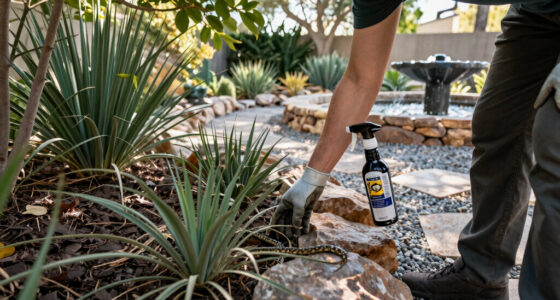
The Buenos Aires local government and agricultural authorities are conducting regular inspections at nurseries to identify potential signs of Red Palm Weevil infestation. This pest, known for damaging palm trees, has become a concern due to its rapid spread in other regions and its potential to harm local urban and ornamental palms. As part of the preventive measures, nursery staff are using traps, visual inspections, and monitoring protocols recommended by entomological experts.
According to officials from Argentina’s Ministry of Agriculture, no confirmed cases of the pest have been reported in Buenos Aires to date. However, they stressed that the monitoring is a precautionary measure driven by the pest’s presence in neighboring countries and the risk it poses to local palm populations. The ongoing efforts involve collaboration with pest control specialists and adherence to international best practices for early detection.
The initiative also includes public awareness campaigns aimed at nursery operators and landscapers, emphasizing the importance of reporting any unusual signs on palms. Experts note that early detection is critical to prevent the establishment of the pest, which can cause severe damage to affected palms and lead to costly eradication measures.
Implications of Continued Monitoring for Local Palm Health
The ongoing preventive monitoring in Buenos Aires is vital to protect the city’s urban greenery and economic interests tied to ornamental palms. The Red Palm Weevil is considered one of the most destructive pests of palms worldwide, capable of killing trees within months of infestation. If detected early, control measures can be implemented to prevent widespread damage, but an established infestation could lead to significant ecological disruption and financial costs for city authorities and nursery businesses.
This effort reflects a proactive approach to pest management, aligning with international standards for invasive species prevention. The absence of confirmed cases so far indicates that the current measures may be effective, but the situation remains delicate, requiring sustained vigilance.
The broader significance lies in Buenos Aires’s commitment to safeguarding its urban forests and ornamental palms, which are integral to the city’s landscape and tourism appeal. Preventing the spread of the pest also helps avoid potential quarantine restrictions and trade disruptions related to affected plants.
As an affiliate, we earn on qualifying purchases.
Background and Regional Spread of the Red Palm Weevil
The Red Palm Weevil (Rhynchophorus ferrugineus) is native to Southeast Asia but has become an invasive pest in many parts of the Middle East, Europe, and North Africa. It was first reported in South America in recent years, with isolated sightings in neighboring countries before reaching Argentina. The pest’s primary host is the date palm, but it also infests other ornamental palms commonly used in urban landscaping.
In regions where it has established, the weevil causes extensive damage, often leading to the death of affected palms within a few months. Its detection is challenging because initial signs are subtle, such as wilting or holes in the trunk, which can be mistaken for other issues. As a result, early monitoring and public awareness are critical components of pest management strategies.
The Argentine authorities have been monitoring the situation closely, especially given the pest’s history of rapid spread once introduced to new areas. Neighboring countries have reported infestations, heightening concerns about potential entry into Buenos Aires, which has numerous ornamental palms in parks, streets, and private gardens.
While no confirmed cases have been reported in Buenos Aires, the ongoing surveillance reflects a precautionary stance aligned with regional and international efforts to prevent establishment.
pest monitoring kits for palm trees
As an affiliate, we earn on qualifying purchases.
As an affiliate, we earn on qualifying purchases.
Unconfirmed Status of Pest Presence in Buenos Aires
While authorities report no confirmed cases of the Red Palm Weevil in Buenos Aires, the pest’s presence in neighboring regions and the subtlety of early signs mean that the situation remains under close watch. It is not yet clear whether the pest has been introduced but undetected or if it will arrive in the near future.
Further monitoring data and inspections are needed to confirm the pest’s status definitively. The effectiveness of current surveillance measures and potential for early detection remain key points of uncertainty.
As an affiliate, we earn on qualifying purchases.
Next Steps in Monitoring and Prevention Efforts
Authorities plan to continue regular inspections across nurseries and urban palms, with increased public awareness campaigns to encourage reporting of suspicious signs. They also intend to review and possibly enhance monitoring protocols based on evolving regional intelligence.
Further regional cooperation and information sharing are expected to strengthen early detection efforts, especially as neighboring countries report new infestations. The authorities will likely update the public and stakeholders as new information becomes available or if any cases are confirmed.
As an affiliate, we earn on qualifying purchases.
Key Questions
What is the Red Palm Weevil and why is it a concern?
The Red Palm Weevil is an invasive pest that infests and kills palm trees, posing ecological and economic risks, especially in urban landscapes and ornamental plantings.
Are there confirmed cases of the pest in Buenos Aires?
No, authorities have reported no confirmed cases so far, but ongoing monitoring continues as a precaution.
What measures are being taken to prevent its spread?
Authorities are conducting inspections, using traps, increasing public awareness, and collaborating with pest control experts to detect early signs of infestation.
Could the pest arrive in Buenos Aires soon?
It remains uncertain; regional reports of infestations in neighboring countries mean there is a potential risk, but no confirmed presence in Buenos Aires yet.
What should nursery operators and the public do?
They should report any unusual signs on palms and follow recommended inspection protocols to aid early detection efforts.
Source: local
Flea & tick season Picks
flea and tick prevention
As an affiliate, we earn on qualifying purchases.