TL;DR
July in the low desert demands careful watering, native drought-tolerant plants, and shade. With these strategies, you can keep your garden alive and thriving despite the heat.
Deep, infrequent watering early in the morning encourages healthy root growth and reduces heat stress.
Choose native or drought-tolerant plants that are naturally suited to survive July’s extreme heat.
Mulch heavily with organic or gravel materials to keep roots cool and soil moisture steady.
Provide shade during the hottest hours to prevent sunburn and heat damage, especially for young or tender plants.
Regularly monitor your plants for early signs of stress, and act quickly to prevent loss.
July in the Low Desert: Keeping Plants Alive Is the Whole Job
Your garden bakes under 110-degree sunshine with air shimmering above dry soil. Survival isn’t magic — it’s knowing exactly how to answer relentless sun with deep watering, native plants, mulch, and shade. Here is the practical, no-nonsense playbook that turns the most brutal month into a test your garden can pass.
Reduction in plant stress from deep watering + mulch in peak desert heat
Typical July daytime highs in low desert regions
Recommended deep-watering frequency during extreme heat
Five Moves That Keep a Desert Garden Alive
Deep, infrequent watering combined with mulch can reduce plant stress by 30–50% during peak summer heat. These are the five habits that matter most.
Water deeply, early in the morning
Deep, infrequent morning watering encourages healthy root growth and reduces heat stress.
Choose native and drought-tolerant plants
Species adapted to desert extremes survive July naturally — with far less water and effort.
Mulch heavily, 2–3 inches deep
Organic or gravel mulch keeps roots cool and soil moisture steady through scorching days.
Shade plants during the hottest hours
Prevent sunburn and heat damage, especially on young or tender plants.
Monitor for early signs of stress
Wilting, yellowing leaves, sunburn spots, or dieback — act quickly to prevent loss.
Why Watering Is the Single Most Important Job in July
Deep, infrequent watering pushes roots downward; shallow watering strands them at the surface where drought and temperature swings hit hardest. Water early — soil soaks overnight, evaporation stays low, and plants carry a moisture reserve into peak heat. Overwatering invites root rot; under-watering invites wilting. Sensors and soil probes help you hit the mark.
Native Plants That Were Built for This
Native desert species evolved thick waxy leaves that minimize transpiration and deep roots that reach moisture shallow-rooted plants can’t touch. Less watering, less maintenance, more pollinators.
Agave
Thick, water-storing leaves with a waxy coating that slashes evaporation. Practically immune to July’s worst.
Yucca
Deep roots tap underground moisture during prolonged dry spells, keeping foliage firm through heat waves.
Desert Marigold
Bright, heat-loving perennial that attracts native pollinators and beneficial insects while shrugging off drought.
Desert Willow
Drought-tolerant tree that casts welcome natural shade for smaller, more sensitive plantings.
Hydrozoning
Group plants with similar water needs together so thirsty and drought-tolerant species each get exactly what they need.
“Native” or “Drought-Tolerant”
Select plants marked native to your specific zone — resilience is regional, not universal.
The Daily Heat Curve — and When to Intervene
Sunburn isn’t just a human problem. Direct midday sun causes cellular damage in leaves, leading to tissue death, browning, early drop, and greater vulnerability to pests. A lightweight shade cloth over potted plants can cut ground temperatures by 10–15°F.
Mulch: Your Garden’s Insulation Layer
Soil in July needs to be insulated like a house. A Phoenix gardener layered shredded bark around her cacti and kept soil 12°F cooler while cutting watering needs by nearly 20%. Spread 2–3 inches deep — but keep mulch a few inches from stems to prevent rot.
| Mulch Type | Cools Soil | Retains Moisture | Adds Nutrients | Best For |
|---|---|---|---|---|
| Shredded bark | ✓ Up to −12°F | ✓ Excellent | ✓ Decomposes | Cacti, succulents, beds — cut watering ~20% |
| Wood chips | ✓ Strong | ✓ Excellent | ✓ Decomposes | Shrubs, trees, ornamental beds |
| Gravel | ~ Moderate | ~ Moderate | ✗ None | Desert landscapes — durable, reflects heat away |
| Organic compost | ~ Moderate | ✓ Good | ✓ Rich | Improving water retention in arid soil |
| Bare soil | ✗ None | ✗ Rapid evaporation | ✗ None | Never, in July — roots fry, weeds win |
Where the Water Goes — and Where You Save It
A homeowner with drip irrigation, a timer, and a moisture sensor watered twice weekly in July and saved 30% versus hand watering — while succulents and desert wildflowers thrived. Every technique below stacks the savings.
Your July Desert Garden Survival Plan
One morning routine, repeated weekly, is the difference between a survival story and a casualty list.
💧 Deep water at dawn
Deliver 1–2 inches of moisture per session with a slow drip.
🌿 Check native plantings
Inspect agave, yucca, and marigold for early stress signs.
🌤 Deploy shade before 11am
Cloths and umbrellas up before the peak-heat window.
🪵 Top up mulch
Keep a 2–3 inch layer, clear of stems, around every plant.
🔍 Evening inspection
Watch for wilting, yellowing, sunburn spots — act fast.
Why Watering Is the Single Most Important Job in July
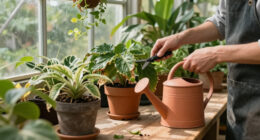
In the high desert, water is your best friend — and your biggest challenge. Proper watering in July isn’t just about quenching thirst; it’s about deepening roots and preventing heat stress. Deep, infrequent watering encourages roots to grow downward, giving plants a better shot at surviving scorching days. Shallow watering causes roots to stay near the surface, making plants more vulnerable to drought and temperature swings. Early morning watering is best — it lets the soil soak overnight and reduces evaporation during the hottest hours, ensuring plants have a reserve of moisture to draw on during peak heat. For example, watering once or twice a week with a slow drip can deliver 1-2 inches of moisture, enough to keep roots happy without drowning them. This balance is crucial: overwatering can lead to root rot, while under-watering causes stress and wilting. By understanding this, you minimize plant stress, promote resilience, and reduce the need for frequent watering, which conserves precious water resources. Using moisture sensors or soil probes helps fine-tune your watering schedule, avoiding waste and ensuring your plants get what they need. Remember, the goal isn’t just to wet the surface but to hydrate the root zone deeply, fostering drought tolerance and resilience to the heat. This approach reduces plant stress, improves growth, and ultimately extends the life of your garden during the scorching summer months.
drought-tolerant native desert plants
As an affiliate, we earn on qualifying purchases.
As an affiliate, we earn on qualifying purchases.
Choosing Native and Drought-Tolerant Plants That Can Survive July
July’s heat demands plants that can handle the relentless sun and dryness. Native desert plants are your best allies — they’ve evolved to survive these extremes. Think of agave, yucca, desert marigold, and desert willow. These plants have thick, waxy leaves, deep roots, and other adaptations that reduce water loss and withstand high temperatures. Their evolutionary adaptations are not just superficial; they are vital survival mechanisms. For instance, the waxy coating on leaves minimizes transpiration, which is the plant’s way of losing water through evaporation. Deep roots allow plants to access underground moisture that isn’t available to shallow-rooted species, giving them an advantage during prolonged dry spells. These adaptations mean less watering and maintenance, but the implications are significant: native plants are inherently more resilient to the stresses of July’s heat, reducing the risk of plant failure. They also support local ecosystems, attracting native pollinators and beneficial insects. When selecting plants, look for those labeled as drought-tolerant or native to your specific zone. Incorporating these species into your garden creates a more sustainable, low-maintenance landscape that can withstand the summer’s brutal conditions with less intervention, helping you conserve water and effort while maintaining a vibrant garden.
As an affiliate, we earn on qualifying purchases.
How to Protect Plants from Sunburn and Heat Stress
Sunburn isn’t just a human problem — plants get it too. Leaves can scorch, turn brown, and drop early, which weakens the plant’s overall health and productivity. To prevent this, provide shade during the hottest part of the day, typically 11 am to 3 pm. You can use shade cloths, umbrellas, or even strategically plant taller shrubs or trees to cast natural shade. The timing is critical: during peak heat, direct sunlight can cause cellular damage in leaves, leading to tissue death and increased vulnerability to pests and diseases. A simple trick: place sensitive plants like young succulents or tender annuals in spots that get morning sun but are protected during peak heat hours. For example, setting up a lightweight shade cloth over your potted plants can cut ground temperatures by 10-15 degrees, dramatically reducing stress on those vulnerable leaves. This physical barrier not only prevents sunburn but also moderates soil temperatures, helping roots stay cooler and more hydrated. The key is to create a microclimate that shields plants from the most intense rays, ensuring they maintain their vigor and avoid premature decline. Effective shading strategies can mean the difference between a thriving garden and a scorched, dying landscape in July’s extreme heat.
garden shade cloth for sun protection
As an affiliate, we earn on qualifying purchases.
As an affiliate, we earn on qualifying purchases.
Soil and Mulch Tips to Keep Roots Cool and Moist
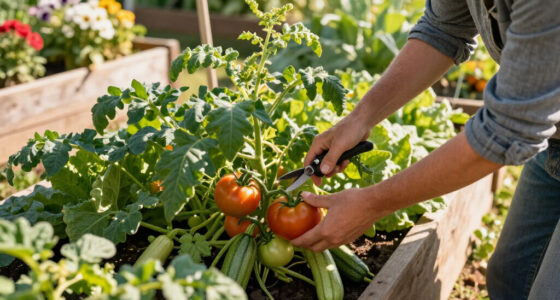
In July, soil is your garden’s sweatpants — it needs to be insulated from the heat. Mulching is a game-changer because it creates a barrier that moderates soil temperature and reduces evaporation. Organic options like bark or wood chips, or even gravel for desert landscapes, slow evaporation and keep roots from frying. Spread mulch 2-3 inches deep around your plants, but keep it a few inches away from stems to prevent rot. The choice of mulch influences not just moisture retention but also soil health: organic mulches decompose over time, adding nutrients, while inorganic options like gravel provide durability and reflect heat away. For instance, a gardener in Phoenix layered shredded bark around her cacti and succulents, which kept soil temperatures 12 degrees cooler and reduced watering needs by nearly 20%. Mulch also suppresses weeds, which compete for scarce moisture during July’s dry spell. The tradeoff is that mulch needs periodic replenishment—organic mulches decompose and can harbor pests if not maintained—so understanding your garden’s specific needs helps optimize this technique for long-term resilience and plant health.
As an affiliate, we earn on qualifying purchases.
Water-Saving Tricks That Keep Your Garden Healthy
In the desert, water is precious. Drip irrigation coupled with timers ensures plants get steady moisture without waste. Adding soil moisture sensors helps prevent over- or under-watering. You can also group plants with similar water needs together, so you don’t waste time and water on thirsty versus drought-tolerant plants. This approach not only conserves water but also ensures each plant receives the appropriate amount of moisture, reducing stress and improving overall plant health. For example, a homeowner installed a drip system with a timer and a moisture sensor. During July, she watered twice a week, saving 30% of water compared to hand watering, while keeping her succulents and desert wildflowers thriving. The tradeoff is that these systems require initial investment and regular maintenance to ensure proper function, but the long-term savings and plant health benefits outweigh these costs. The key is to tailor your system to your garden’s specific needs, using sensors and timers to deliver just the right amount of water, minimizing waste and maximizing resilience during the hottest months.
Watch for Signs Your Plants Are Struggling — Act Fast!
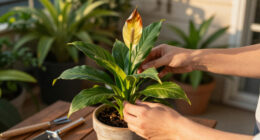
Heat stress shows up quickly. Wilting leaves, yellowing, or brown patches are signs your plants are under attack. If you spot these early, give your plants some relief: move potted plants into shade, increase watering frequency slightly, or spray with water during the hottest parts of the day. Recognizing these signs early is vital because prolonged heat stress can lead to permanent damage or plant death. Wilting indicates that the plant’s water uptake cannot keep pace with transpiration, a process accelerated by high temperatures and intense sunlight. Yellowing and browning patches often signal cellular damage or nutrient deficiencies exacerbated by heat. Acting swiftly—by shading vulnerable parts, watering more frequently, or misting—can help plants recover before damage becomes irreversible. This proactive approach minimizes plant loss and supports quicker recovery, ensuring your garden remains vibrant despite the relentless July sun. The key is to stay vigilant and respond at the first signs of stress, turning potential losses into opportunities for resilience and growth.
Step-by-Step: Your July Desert Garden Survival Plan
- Water deeply early in the morning, providing 1-2 inches of moisture per session.
- Apply a 2-3 inch layer of mulch around plants for insulation and moisture retention.
- Plant or relocate sensitive plants to shaded areas or use shade cloths during peak hours.
- Choose native, drought-tolerant plants that can handle July’s heat without fuss.
- Use drip irrigation and moisture sensors to optimize water use.
- Monitor plants daily for signs of stress and respond promptly.
Comparison Table: Native Plants vs. Non-Natives in July
| Feature | Native Plants | Non-Natives |
|---|---|---|
| Water Needs | Low, adapted to dry conditions | Higher, often need extra watering |
| Sun Tolerance | Excellent, evolved for intense sun | Variable, some may scorch |
| Maintenance | Minimal, drought-resistant | More effort, more water |
| Survival Rate in July | High, naturally adapted | Lower, prone to stress |