TL;DR

Get garden gear delivered free — and shop member deals
- Fast, free delivery on millions of items
- Access to Prime Big Deal Days deals on October 6–7
- Prime Video, Amazon Music and more included
Sunburn on cactus and agave shows as discolored, scorched patches and necrosis. It’s mainly caused by sudden or excessive direct sunlight. Prevent it by gradually acclimating plants, providing shade during peak hours, and monitoring environmental stress. Recent advances in protective coatings and plant breeding are making plants more resilient.
If you’ve ever seen a cactus or agave with patches of bleached or browning tissue, you’ve witnessed sunburn in action. It’s a common issue in desert gardening, especially when a plant suddenly faces the blazing sun after a shady spell or indoor life. Sunburn isn’t just about looks; it weakens your plant’s defenses, opening the door for pests and disease.
In this guide, you’ll discover how to recognize the signs of sunburn, what causes it, and simple steps to prevent it from turning your favorite succulents into scorched wrecks. Whether you’re new to desert plants or a seasoned grower, understanding these basics keeps your garden healthy and vibrant.
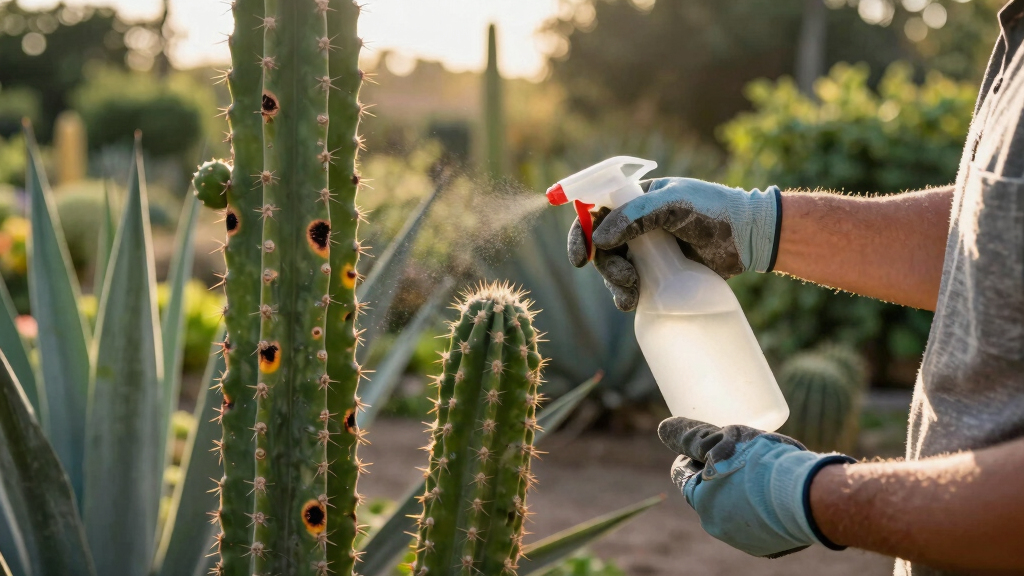
Sunburn on cactus and agave presents as white, brown, or scorched patches and can lead to tissue necrosis.
Sudden exposure after shade or indoor life is the main cause; gradual acclimatization prevents damage.
Providing some shade during peak sunlight hours and monitoring environmental conditions are simple, effective prevention steps.
New UV-protective coatings and breeding for sun tolerance are making plants more resilient.
Early detection and action prevent secondary infections and long-term damage.
How to Spot Sunburn on Your Cactus or Agave — Signs You Can’t Miss
Sunburn on cactus and agave manifests as patches of discoloration that are often starkly different from the plant’s natural hue. These patches—white, brown, or bleached—are more than just superficial blemishes; they indicate underlying tissue damage caused by excessive heat and radiation. Recognizing these signs early is crucial because once the tissue is damaged, it can lead to necrosis and secondary infections, which threaten the plant’s overall health. The affected areas may feel dry and crispy, and over time, the damaged tissue can peel or slough off, exposing the vulnerable inner layers. This progression can compromise the plant’s structural integrity and make it more susceptible to pests and diseases. For instance, a gardener once noticed her agave’s pale patches after a heatwave, which, if ignored, could have led to more severe tissue death and potential plant decline. Early detection allows for prompt intervention, such as shading or adjusting watering, to prevent further deterioration and preserve the plant’s vitality.
As an affiliate, we earn on qualifying purchases.
Why Does Sunburn Happen on Plants That Love the Sun?
Sunburn occurs on desert plants like cacti and agave primarily because of a mismatch between their natural adaptations and sudden environmental changes. While these plants are inherently built to withstand high temperatures and intense sunlight, they rely heavily on gradual acclimatization to develop protective mechanisms such as thicker cuticles, waxy coatings, and chloroplast arrangements that help dissipate heat. When exposed abruptly to full sun—especially after a period of shade or indoor growth—their defenses are overwhelmed, leading to tissue damage. This sudden exposure causes cellular stress, dehydration, and heat necrosis, which manifests as sunburn. The implications are significant: if not managed, sunburn can weaken the plant’s overall resilience, making it more vulnerable to pests and diseases. The tradeoff here is that while these plants are hardy, they still require careful transition periods to optimize their defenses. For example, a nursery plant exposed suddenly to harsh afternoon sun might develop permanent scars that compromise its growth potential, highlighting the importance of gradual sun exposure to maintain long-term health and vigor.
As an affiliate, we earn on qualifying purchases.
How to Prevent Sunburn on Your Cacti and Agave — Easy Steps To Keep Them Safe
- Gradually introduce sunlight. Start with a few hours of morning sun, then slowly increase exposure over a couple of weeks. This process allows the plant to develop its protective features gradually, reducing stress and preventing sunburn. Rushing this transition often leads to irreversible tissue damage, which can stunt growth or kill the plant.
- Provide partial shade during peak hours. Using shade cloth, umbrellas, or positioning plants where they receive some relief from the intense midday sun helps prevent thermal stress. This not only shields the plant from immediate damage but also mimics natural conditions, allowing it to develop resilience without being overwhelmed. For young or transplanted plants, this step is especially vital because their protective mechanisms are still developing.
- Monitor environmental conditions. Employing light meters or temperature sensors provides insights into the intensity of sunlight and heat that your plants are exposed to. This data helps you make informed decisions about when to provide shade or move plants to safer locations, especially during heatwaves or unseasonably hot days. Understanding these thresholds is key to maintaining plant health over the long term.
- Water properly, but don’t overdo it. Adequate watering helps plants cope with environmental stress by maintaining cellular turgor and reducing dehydration risk. However, overwatering can lead to root rot, especially in containers, which further weakens the plant’s ability to withstand sun exposure. Striking the right balance is crucial for resilience.
- Choose the right location. Positioning your plants in naturally shaded areas or where they receive filtered sunlight ensures they’re less prone to sunburn. For transplanting or new plants, selecting a site with some natural protection allows them to adapt gradually, reducing the likelihood of sun damage. This strategic placement supports their growth and long-term health, especially in regions with extreme temperatures or intense sunlight.
For example, a gardener moved her prickly pear behind a lattice for the first month, gradually exposing it to more sun. This intentional transition allowed the plant to build its defenses, resulting in a robust, sun-hardened cactus that could tolerate full sun without burning. Such stepwise acclimatization is a simple yet effective way to prevent damage and promote healthy growth.
As an affiliate, we earn on qualifying purchases.
New Tech and Tricks to Protect Your Plants from Sun Damage
Recent advancements have significantly enhanced our ability to shield plants from sunburn, especially in extreme climates. UV-protective coatings and high-tech shade fabrics are now designed not only to block harmful rays but also to optimize light transmission, ensuring that plants still receive enough sunlight for photosynthesis. These innovations help maintain plant health while reducing stress and damage. Additionally, the use of light sensors and temperature monitors allows gardeners to receive real-time alerts when conditions threaten plant safety, enabling proactive adjustments. Breeding efforts are also making strides; new cultivars are developed with enhanced protective traits, such as thicker cuticles or increased pigment production, which confer greater tolerance to intense sunlight. For instance, some nurseries now apply UV coatings on sensitive succulents, drastically reducing sunscorch incidents during peak summer months, which is a game-changer for gardeners in harsh environments. These tools and techniques collectively empower growers to protect their plants more effectively, extending their lifespan and vitality even under extreme sun exposure.
As an affiliate, we earn on qualifying purchases.
What Happens if I Ignore Sunburn? Risks and Warnings
If you ignore early signs of sunburn, the damage can escalate rapidly, with serious consequences for your plant’s health. The initial tissue death exposes internal structures, creating open wounds that serve as entry points for pathogens such as fungi, bacteria, and pests. This secondary invasion can lead to infections that compromise the plant’s immune response, making it more susceptible to further damage. Over time, these infections weaken the plant’s structural integrity, causing dieback, stunted growth, or even death in severe cases. For example, a cactus with a large necrotic patch may initially seem recoverable, but if left untreated, the necrosis can spread inward, leading to decay and potential loss of the entire plant. The implications extend beyond aesthetics; neglecting sunburn can result in long-term health decline, increased maintenance costs, and reduced garden productivity. Therefore, early intervention—such as removing dead tissue, providing shade, and adjusting environmental conditions—is essential for preserving your plants’ vitality and ensuring they remain resilient in the face of harsh sun exposure.
Frequently Asked Questions
How can I tell if my cactus or agave has a sunburn?
Look for discolored patches—white, brown, or bleached areas—especially on the side facing the sun. The tissue might feel dry, sunken, or necrotic. Early signs include peeling or a scorched appearance, which indicate sunburn damage. Recognizing these signs early is vital because it allows you to implement protective measures before the damage becomes irreversible, ensuring the plant’s long-term health and vigor.
What’s the best way to prevent sunburn on my succulents?
Start by gradually introducing them to more sun—think of it as building up tolerance. Provide partial shade during the hottest hours, especially for young or newly transplanted plants. Proper watering and choosing shaded or filtered locations help reduce environmental stress. These practices allow plants to develop their natural defenses, minimizing the risk of irreversible damage, and promoting healthy, resilient growth over time.
Can sunburn heal on its own, or do I need to do something?
Minor sunburn may improve if caught early, but dead tissue won’t recover. Removing severely damaged parts and protecting the plant from further exposure helps prevent the spread of necrosis. Acting promptly can often save the plant or at least prevent further decline, but in cases of extensive damage, intervention and environmental adjustments are necessary to support recovery.
Is it safe to prune or cut away sun-damaged tissue?
Yes, pruning dead or necrotic tissue helps prevent infection and promotes healthy regrowth. Use clean, sharp tools and wear gloves to avoid injury or introducing pathogens. Be cautious not to over-prune; only remove visibly damaged parts to avoid stressing the plant further. Proper pruning not only removes infected tissue but also stimulates the plant’s natural healing process, ultimately aiding in recovery and resilience.
How do I safely acclimate a new cactus or agave to full sun?
Introduce sunlight gradually over a couple of weeks. Start with morning sun, then increase exposure by a few hours each day, observing the plant for signs of stress. If you notice wilting, discoloration, or shriveling, provide temporary shade or reduce exposure until the plant adjusts. This slow transition allows the plant’s protective mechanisms to develop, reducing the risk of sunburn and ensuring a healthier, more resilient plant in the long run.
Conclusion
Your desert plants aren’t invincible—overexposure can catch them off guard and cause real harm. But with a little attention, you can keep sunburn at bay. Think of it as giving your plants a gentle training session—gradually increasing their sun tolerance.
Remember, a healthy cactus or agave is a happy plant, thriving under the harsh sun without scars. Keep an eye out for signs of distress, and don’t be afraid to give them a bit of shade during the hottest hours. Your garden will thank you with vibrant, resilient plants that stand tall in the heat.
Fall yard work Picks
leaf blowers
As an affiliate, we earn on qualifying purchases.