
TL;DR

Get garden gear delivered free — and shop member deals
- Fast, free delivery on millions of items
- Access to Prime Big Deal Days deals on October 6–7
- Prime Video, Amazon Music and more included
December nights can sometimes bring cold enough to harm citrus, but not all cold snaps pose a real threat. Monitoring forecasts and understanding temperature thresholds allow you to take timely protective steps, especially during late-night hours below 28°F. Recent weather tech and climate shifts make staying vigilant more important than ever.
Think December nights can’t threaten your citrus? Think again. Cold snaps, sometimes unexpected, can cause real damage to fruit if you’re not paying attention. The difference between a harmless chilly night and one that ruins your harvest hinges on a few key details.
In this guide, you’ll learn which nights actually pose a threat, how recent climate shifts complicate predictions, and what simple steps you can take to protect your fruit. No fancy science—just straightforward tips for keeping your citrus safe during the coldest nights.
Citrus damage occurs mainly below 28°F for several hours—monitor forecasts carefully.
Recent climate variability means unexpected cold snaps in December are more common, demanding vigilance.
Modern weather tech, like remote sensors, can give early alerts to protect your fruit effectively.
Protective measures such as frost cloths, sprinklers, and wind machines can save your crop during critical nights.
Choose cold-hardy citrus varieties if you live in an area prone to unpredictable December cold spells.
Freeze Watch for Citrus: Which December Nights Actually Threaten Fruit
Not every chilly night ruins a harvest. The real danger begins when temperatures fall below 28°F for several hours—especially in the late-night and early-morning window. Here is how to read the forecast, understand cold thresholds, and act before damage occurs. No fancy science—just straightforward protection for your citrus.
What Makes December Nights Dangerous for Citrus?
Citrus is surprisingly hardy—until it isn’t. The critical temperature for fruit damage sits around 28°F. Below that, especially for several hours, you risk skin blemishes, internal damage, or fruit drop. A brief dip to 27°F can harm fruit if cold persists; a 29°F night is usually harmless unless it lingers or hits tender varieties.
| Scenario (December Night) | Temperature | Duration | Risk Level | Recommended Action |
|---|---|---|---|---|
| Mild clear night, fruit immature | 31°F | 1–2 hrs | ✓ Low | No action; routine monitoring |
| Brief dip during sensitive stage | 29°F | 1 hr | ✓ Low | Check forecast again at midnight |
| Lingering cold, ripe or near-harvest fruit | 29°F | 4+ hrs | ~ Marginal | Cover vulnerable trees as precaution |
| Typical damaging event at 3 AM | 27°F | 3–5 hrs | ✗ High | Full protection: cloths, sprinklers, fans |
| Severe snap (like Dec 2022 front) | 26°F | 4+ hrs | ✗ Severe | All measures immediately; expect some loss |
It’s Not Just How Cold—It’s How Long
Prolonged exposure amplifies the risk. Even a night that briefly touches 27°F causes limited harm if cold is fleeting and fruit is immature—but sustained hours below the threshold lead to severe damage. Relative damage risk by exposure duration below 28°F:
Timing matters: the coldest hours typically arrive between 2 AM and sunrise. A 27°F reading at 3 AM is the kind of cold that can punch holes in fruit skin and degrade flavor—while the same temperature at 10 PM, warming afterward, rarely causes lasting harm.
Unpredictable Climate, Smarter Tools
Climate shifts mean cold nights are less predictable than they used to be. A December 2022 cold front dropped temperatures to 26°F for hours in normally mild regions, catching growers off guard. Advanced forecasting tools now alert growers days in advance—reducing frost damage by up to 30% when protection is activated early.
Remote Frost Monitors
Orchard sensors send phone alerts the moment temperatures approach critical levels—no 3 AM garden patrols required.
Real-Time Weather Stations
On-site stations and predictive models outperform regional averages, which can miss sudden localized temperature drops.
Early-Warning Activation
Days of lead time let growers deploy sprinklers, wind machines, and frost cloths before damage occurs—not after.
The takeaway: relying solely on seasonal averages or historical patterns is risky. Continuous monitoring and flexible response plans are essential—even when a freeze watch seems unlikely.
Protecting Your Citrus: 5 Steps for Cold Nights
The tradeoff with protective measures is cost and labor—but the potential savings in fruit quality and yield almost always outweigh the effort. One California gardener used frost cloths during a surprise snap and saved her oranges from blemishes that would have spoiled the harvest.
Monitor Forecasts Daily
Use weather apps with frost alerts and check multiple sources—never assume a cold night isn’t coming.
Cover Vulnerable Trees
Frost cloths or blankets add a few degrees of warmth. Cover in late afternoon, before the coldest hours.
Run Wind Machines
Frost fans keep air moving, preventing cold pockets from settling around trees.
Sprinkle Water
Freezing water releases heat, buying crucial extra hours of protection just below 32°F.
Plan Ahead
Have coverings and equipment staged by mid-December to cut response time when a snap hits.
Not All Citrus Is Equally Vulnerable
If you live where December cold is unpredictable, choose cold-hardy varieties. Some citrus withstands colder temperatures far better than tender types.
Certain Blood Oranges & Mandarins
Withstand colder temperatures better than most; good choices for regions prone to unpredictable December cold spells.
Limes, Lemons & Tender Varieties
More sensitive to cold; a lingering 29°F night can damage these when hardier varieties shrug it off.
Blemished Skin
Cold punches visible holes and discoloration into fruit skin, downgrading market quality.
Fruit Drop
Severe or prolonged cold causes the tree to shed damaged fruit days after the event.
Internal Damage
Discoloration and flavor loss may not be immediately visible—inspect fruit days later.
What makes December nights dangerous for citrus? The cold thresholds you need to know
In desert regions, citrus is surprisingly hardy—until it isn’t. The critical temperature for fruit damage is around 28°F. When temperatures dip below that, especially for several hours, you risk skin blemishes, internal damage, or even fruit drop. Recognizing this threshold is vital because it’s not just about a single dip in temperature; prolonged exposure amplifies the risk, leading to more severe damage. This means that even a night that briefly hits 27°F can cause harm if the cold persists or occurs during a sensitive stage of fruit maturity.
Imagine a typical December night where the thermometer hits 27°F at 3 a.m. That’s the kind of cold that could punch holes in your citrus’s skin and mess with flavor. But a 29°F night? Usually harmless unless it lingers or hits extremely tender varieties. This understanding helps growers decide when to activate protective measures—if the cold is brief and the fruit is immature, the risk is lower. But if the cold persists or the fruit is ripe, the potential for damage increases significantly. Knowing how long cold temperatures last and how close they are to the critical threshold informs your response, allowing for targeted protection rather than blanket coverage.
Recent weather data shows that even a few hours below 28°F can cause damage, especially if your fruit is ripe or nearing harvest. This highlights the importance of real-time monitoring and understanding that the implications of cold events are not uniform—they depend on duration, timing, and fruit stage. Recognizing and interpreting these factors can mean the difference between a healthy harvest and a costly loss.
frost protection frost cloth for citrus
As an affiliate, we earn on qualifying purchases.
As an affiliate, we earn on qualifying purchases.
How recent weather trends make December cold snaps more unpredictable
Climate shifts mean cold nights are less predictable than they used to be. An average winter might have seen a handful of frost nights, but now, unexpected cold snaps can occur even in December. According to Gardener AZ, recent years have seen more erratic weather patterns, with sudden dips below freezing in regions that usually stay mild. These unpredictable cold events can catch growers unprepared, especially when they occur outside of typical frost seasons or when forecasts seem mild.
For instance, a December cold front in 2022 caught many growers off guard, with temperatures plummeting to 26°F in some parts for several hours. Such unexpected drops can cause severe damage if growers are not vigilant or do not have protective measures in place. Advanced forecasting tools now alert growers days in advance, but the inherent variability still demands vigilance because forecasts can sometimes underestimate or miss sudden temperature drops. This unpredictability means that relying solely on seasonal averages or historical patterns is risky; instead, continuous monitoring and flexible response plans are essential.
This unpredictability underscores the importance of staying updated with weather forecasts and having protective plans ready, even if a freeze watch seems unlikely. Recognizing that climate variability can lead to atypical cold events is crucial for risk management, ensuring that growers do not become complacent during seemingly mild forecast periods.
digital weather sensor for frost monitoring
As an affiliate, we earn on qualifying purchases.
As an affiliate, we earn on qualifying purchases.
The latest tech helping you predict and prepare for cold nights
Modern weather technology is a game-changer. Remote sensors, real-time weather stations, and predictive models mean you can see exactly when a cold snap might threaten your citrus. For example, some growers install frost monitors that send alerts directly to their phones if temperatures drop near critical levels. These tools provide real-time data that can be crucial for timely interventions, allowing you to activate protective measures before damage occurs.
Gardener AZ reports that using these tools reduces frost damage by up to 30%, because you can activate protection early. Sprinkler systems, wind machines, or frost cloths can be deployed proactively, saving your fruit from irreversible damage. The key is not just having the technology but understanding how to interpret the data and act swiftly. The ability to receive early warnings means you can implement targeted actions—covering trees, activating fans, or watering—at the optimal moments, minimizing damage and preserving fruit quality.
Investing in simple weather stations or subscribing to local forecast alerts can make all the difference in a cold night emergency. The integration of technology into orchard management enhances your capacity to respond to cold events, turning what was once a gamble into a strategic advantage.
garden frost protection sprinkler system
As an affiliate, we earn on qualifying purchases.
As an affiliate, we earn on qualifying purchases.
Protecting your citrus: 5 quick tips for cold nights in December
- Monitor forecasts daily: Never assume a cold night isn’t coming. Use weather apps with frost alerts and check multiple sources for the most accurate predictions. Recognizing the early signs of a cold snap allows you to act preemptively, reducing the likelihood of damage.
- Cover vulnerable trees: Frost cloths or old blankets can add a few degrees of warmth, but the key is proper placement and coverage. Covering during the late afternoon or early evening ensures insulation before the coldest hours.
- Use wind machines or frost fans: These keep air moving, preventing cold pockets from settling around your trees. Proper placement and operation are essential for maximum effectiveness, especially during nights with high wind potential.
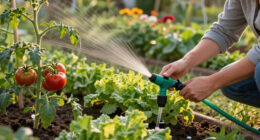
- Sprinkle water if needed: A thin layer of water can release heat as it freezes, providing a temporary buffer against colder temperatures. This method is most effective when temperatures are just below freezing and can buy you crucial extra hours of protection.
- Plan ahead: Have your coverings and equipment ready by mid-December, so you’re prepared for unexpected cold snaps. Preparing in advance reduces response time, which is critical during sudden temperature drops.
For example, one gardener in California used frost cloths during a surprise cold snap and saved her oranges from blemishes that would have otherwise spoiled the harvest. The tradeoff with protective measures is cost and labor, but the potential savings in fruit quality and yield often outweigh these efforts. Proactive planning and quick action are your best defenses against the unpredictable December cold nights.
As an affiliate, we earn on qualifying purchases.
Which citrus varieties can handle colder December nights? Know your fruit’s toughness
Not all citrus is created equal when it comes to cold. Some varieties are tougher and can withstand brief dips below 28°F better than tender ones. For example, Blood oranges and Mandarins often endure colder snaps than delicate Navel oranges. These hardy varieties typically have thicker skin and more resilient cellular structures, allowing them to better withstand sudden temperature drops without internal damage.
In fact, Gardener AZ notes that some varieties can handle temperatures down to 26°F without serious damage if exposure is brief. Conversely, lemons like Meyer or Eureka tend to suffer at 28°F or below, especially if the cold lasts several hours. The tradeoff is that more cold-tolerant varieties may have different flavor profiles or harvest times, so choosing the right type involves balancing cold resilience with desired fruit qualities. If you live in a region prone to December cold snaps, selecting hardy varieties or planning protective measures for tender ones can ensure a more consistent harvest without damage. This strategic selection minimizes the need for extensive protection, saving time and resources while maintaining crop quality.
Understanding each variety’s specific cold tolerance helps you make informed decisions about planting and management, especially in unpredictable climates. The goal is to match your orchard’s resilience with your local weather patterns, reducing risk and ensuring a successful harvest despite cold spells.
Frequently Asked Questions
How can I tell if a December night will be cold enough to hurt my citrus?
Check local weather forecasts daily, focusing on nighttime lows below 28°F. Use apps with frost alerts and consider installing a weather station for real-time updates. If temperatures are forecasted to dip below that threshold for several hours, protect your trees accordingly.
What’s the best way to protect citrus during unexpected cold snaps?
Use frost cloths or blankets to insulate trees, activate frost fans or wind machines if available, and in a pinch, sprinkle water to release heat. Covering trees early is key — don’t wait until the cold hits.
Are there specific citrus varieties that are more cold-tolerant in December?
Yes, blood oranges and certain mandarins tend to handle colder temperatures better—down to about 26°F for short periods. Tender varieties like Navel oranges or lemons are more vulnerable and should be protected during cold nights below 28°F.
How does climate change affect December cold events?
While overall warming trends exist, increased climate variability means cold snaps can happen unexpectedly and even in regions that rarely saw frost. Staying alert and prepared is more important than ever.
What are the signs of cold damage on citrus fruits?
Look for skin blemishes, soft spots, or fruit drop days after a cold night. Internal damage can cause discoloration or a sour taste. Early protection helps prevent these issues from developing.
Conclusion
December nights can surprise you — cold enough to damage your citrus even when the forecast looks mild. Staying vigilant, using technology, and acting early make all the difference in protecting your fruit.
Remember, a simple frost cloth or a quick water spray might save your harvest. When the weather turns chilly, don’t wait — be ready. Your citrus will thank you with a bountiful, blemish-free harvest.
Fall yard work Picks
leaf blowers
As an affiliate, we earn on qualifying purchases.