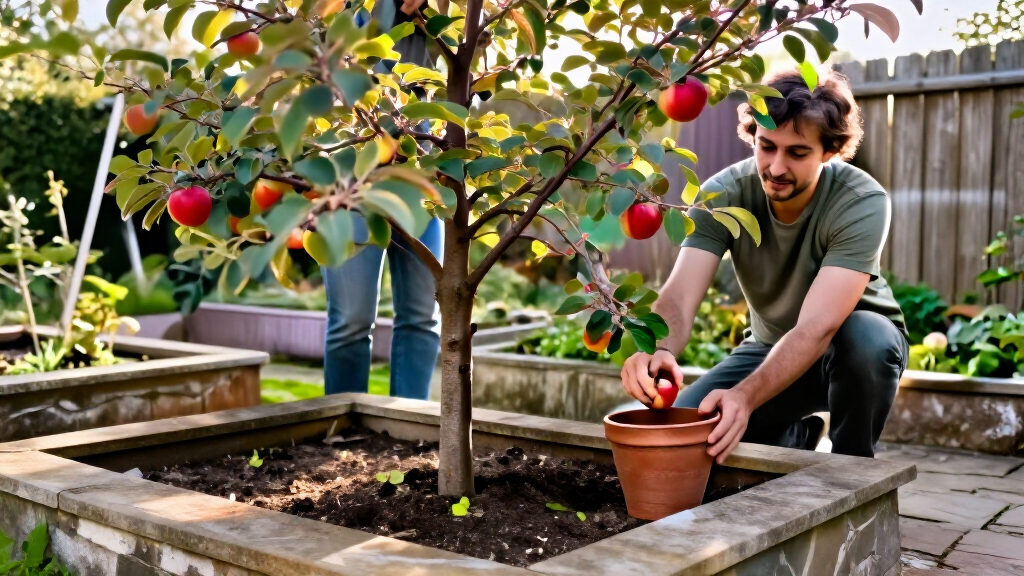
The best fruit trees for small gardens are compact, manageable plants suited to your climate and available sunlight. My best overall pick is the Little Ruby dwarf fig, which has a space-conscious growth habit; the Meyer lemon is a standout for sunny patios where it can be protected from cold, while the Chicago Hardy fig is a better match for gardeners who need more cold tolerance. The main tradeoffs are mature size, winter care, pollination needs, and whether you want a live plant or guidance for planning and pruning. Read on for the full comparison, including pomegranates, mulberries, and a mixed starter pack.

Get garden gear delivered free with Prime
- Fast, free delivery on millions of items
- Prime Video, Amazon Music and more included
- Member-only deals all year
Complete the kit


Key Takeaways
- Little Ruby dwarf fig is the clearest fit when limited space is the main concern, while the Chicago Hardy fig suits gardeners who place more weight on cold tolerance.
- The two Russian pomegranate listings offer a direct size-and-starting-point choice: a 1-gallon plant for a smaller initial purchase and a 3-gallon plant for buyers who prefer a larger nursery-grown specimen.
- The Meyer lemon is a patio-friendly option only where sunlight and winter protection are workable; it is less suitable for gardeners seeking a plant that can stay outdoors through hard freezes.
- Multi-plant bundles broaden variety but ask the buyer to manage different needs: the four-plant pomegranate pack and the fig-blueberry-pineapple-pomegranate pack are less focused than choosing one tree for a specific site.
- The three gardening books fill a different role from the live plants: pruning and small-space planning advice can help prevent crowding, but a book does not provide a ready-to-grow fruiting plant.
| Meyer Lemon Tree Live Plant in 1-Gallon Pot |  | Best for Indoor-Outdoor Flexibility | Container size: 1 gallon | Plant type: Citrus tree | Indoor/outdoor use: Indoor and outdoor | VIEW LATEST PRICE | See Our Full Breakdown |
| Grow Your Own Mini Fruit Garden: Planting and Tending Small Fruit Trees and Berries in Gardens and Containers | 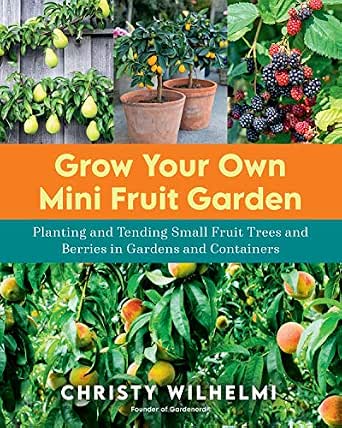 | Best for Small-Space Planning | Format: Gardening book | Subject: Small fruit trees and berries | Growing settings covered: Garden beds and containers | VIEW LATEST PRICE | See Our Full Breakdown |
| Perfect Plants Russian Pomegranate Tree, 1 Gallon |  | Best for a Sunny Outdoor Garden | Plant type: Live pomegranate tree | Container size: 1 gallon | Pollination: Self-pollinating | VIEW LATEST PRICE | See Our Full Breakdown |
| Wonderful Pomegranate Live Plants, 4-Pack |  | Best for Growing Several Starts | Plant type: Pomegranate fruit plants | Quantity: 4 plants | Pot size: Conflicting listing details: 2 inches in title; 1 inch in description | VIEW LATEST PRICE | See Our Full Breakdown |
| Perfect Plants Chicago Hardy Fig Tree, 1 Gallon Live Plant |  | Best for Cold-Tolerant Fig Growing | Plant type: Fruit tree | Container size: 1 gallon | Pollination: Self-pollinating | VIEW LATEST PRICE | See Our Full Breakdown |
| Dwarf Everbearing Mulberry Plants, 4 Pack |  | Best for a Longer Harvest | Plant type: Dwarf everbearing mulberry | Quantity: 4 plants | Mature height: 6–10 feet | VIEW LATEST PRICE | See Our Full Breakdown |
| Ficus carica ‘Little Ruby’ Dwarf Fig Tree |  | Best Compact Fig | Plant type: Live, compact deciduous fig tree | Fruit: Edible amber-mauve figs with strawberry-pink centers | Crops: Breba and fall crops | VIEW LATEST PRICE | See Our Full Breakdown |
| Grow a Little Fruit Tree: Simple Pruning Techniques for Small-Space, Easy-Harvest Fruit Trees |  | Best for Learning Size-Control Pruning | Format: Book | Focus: Pruning fruit trees for small spaces | Stated approach: Simple pruning techniques | VIEW LATEST PRICE | See Our Full Breakdown |
| Fruit Trees in Small Spaces: Abundant Harvests from Your Own Backyard |  | Best Small-Space Growing Overview | Format: Book | Focus: Fruit trees in small spaces | Setting: Backyard | VIEW LATEST PRICE | See Our Full Breakdown |
| Perfect Plants Russian Pomegranate Tree, 3 Gallon Live Plant |  | Best for a Sunny, Spacious Garden | Plant type: Fruit tree; may grow as a shrub or be trained as a small tree | Container size: 3 gallons | Pollination: Self-pollinating | VIEW LATEST PRICE | See Our Full Breakdown |
| Patio Fruit Plant Variety Pack, 4 Live Starter Plants: Fig, Blueberry, Pineapple, and Pomegranate |  | Best for Patio Variety | Quantity: 4 live starter plants | Plants included: Fig, blueberry, pineapple, and pomegranate | Variety selection: Grower’s choice based on health, appearance, and seasonal availability | VIEW LATEST PRICE | See Our Full Breakdown |
| fruit trees for small garden | Plant type | Sunlight |
|---|---|---|
| Meyer Lemon Tree Live Plant in | Citrus tree | Partial shade to full sun |
| Grow Your Own Mini Fruit Garde | — | — |
| Perfect Plants Russian Pomegra | Live pomegranate tree | Full sun to partial shade |
| Wonderful Pomegranate Live Pla | Pomegranate fruit plants | Full sun |
| Perfect Plants Chicago Hardy F | Fruit tree | Full sun |
| Dwarf Everbearing Mulberry Pla | Dwarf everbearing mulberry | Partial sun |
| Ficus carica ‘Little Ruby’ Dwa | Live, compact deciduous fig tree | Full sun |
| Grow a Little Fruit Tree: Simp | — | — |
| Fruit Trees in Small Spaces: A | — | — |
| Perfect Plants Russian Pomegra | Fruit tree; may grow as a shrub or be trained as a small tree | — |
| Patio Fruit Plant Variety Pack | — | — |
More Details on Our Top Picks
Meyer Lemon Tree Live Plant in 1-Gallon Pot
For a small garden that also has a bright indoor spot, this Meyer lemon tree offers more placement flexibility than the outdoor-only Perfect Plants Russian Pomegranate Tree, 1 Gallon. It is self-pollinating, so a single container can set fruit without a second tree, and it may produce lemons within its first year. The 1-gallon pot is a manageable starting size for a patio or sunny room, though the listed mature height of 8–10 feet means it will need pruning or a larger home over time. The main tradeoff is climate management: outdoor planting is suited to zones 8–11, while colder areas require patio or indoor growing. It also needs regular watering during establishment and cannot ship to five listed states.
Pros:- Self-pollinating, so one tree can produce fruit without a pollination partner
- Can grow indoors or outdoors, offering more climate flexibility than the outdoor-only pomegranate options
- May produce fruit within its first year
- Suitable for container growing
Cons:- Mature height of 8–10 feet can outgrow a small space without pruning
- Needs regular watering during its first three months after planting
- Outdoor hardiness is limited to USDA zones 8–11, and shipping excludes five states
Best for: Gardeners in cooler climates with a sunny indoor or patio location who want one self-pollinating citrus tree.
Not ideal for: Buyers seeking a permanently compact, low-care outdoor tree, or residents of Florida, Arizona, California, Texas, or Louisiana where shipping is unavailable.
- Container size:1 gallon
- Plant type:Citrus tree
- Indoor/outdoor use:Indoor and outdoor
- USDA hardiness:Zones 8–11 outdoors; zones 4–11 on patios or indoors
- Sunlight:Partial shade to full sun
- Mature height:8–10 feet
- Watering:Moderate; allow soil to dry between waterings
- Shipping restrictions:Cannot ship to Florida, Arizona, California, Texas, or Louisiana
Our verdict“Choose this lemon tree if you can provide a sunny indoor or patio position and want a single citrus plant with potential for early fruit.”
Grow Your Own Mini Fruit Garden: Planting and Tending Small Fruit Trees and Berries in Gardens and Containers
This book is the planning pick rather than a fruit-bearing plant: it covers small fruit trees and berries in both garden beds and containers. That makes it a useful counterpoint to choosing a single tree such as the Meyer Lemon Tree Live Plant in 1-Gallon Pot, particularly if you are still deciding how to use limited ground or patio space. Its focus on planting and care may help readers think beyond the purchase and compare trees with berry plants as part of a compact garden. The tradeoff is straightforward: the listing provides no details on specific techniques, included illustrations, or plant varieties, so I cannot judge how much depth it offers. It also will not supply fruit, and it cannot replace a species-specific care guide for a tree already in hand.
Pros:- Covers both small fruit trees and berry plants
- Addresses growing in garden beds as well as containers
- Can support planning before committing limited garden space to one tree
Cons:- Does not include a live plant or produce fruit
- Product information does not specify particular varieties or care methods covered
- May be too general for someone seeking instructions for a specific tree such as the Meyer lemon
Best for: New small-space gardeners who want general guidance before choosing among fruit trees, berries, beds, and containers.
Not ideal for: Shoppers who need a live tree, detailed information about a particular species, or verified book-format and content details before buying.
- Format:Gardening book
- Subject:Small fruit trees and berries
- Growing settings covered:Garden beds and containers
- Care topics:Planting and tending
- Product type:Book; no live plant included
- Title:Grow Your Own Mini Fruit Garden: Planting and Tending Small Fruit Trees and Berries in Gardens and Containers
Our verdict“Pick this book if you want broad small-garden fruit-growing guidance before choosing a plant, rather than a tree to grow now.”
Perfect Plants Russian Pomegranate Tree, 1 Gallon
This Russian pomegranate suits a small garden best when there is a sunny outdoor spot and room to manage a tree that can reach 10 feet tall and wide. Its self-pollinating habit avoids the need to fit a second pomegranate into the garden, while spring’s orange-red flowers add ornamental interest before fruit is expected, typically after about two years. Compared with the four-plant Wonderful Pomegranate Live Plants, 4-Pack, this single 1-gallon tree is a more direct choice for buyers who want one established starter rather than several tiny plants. The tradeoff is the footprint: it is not a naturally compact option, and unlike the Meyer lemon it is not suited to indoor growing. It also requires full sun for best results and cannot ship to California, Arizona, or Hawaii.
Pros:- Self-pollinating, so a second tree is not required
- Produces edible pomegranates and spring orange-red flowers
- Listed for USDA zones 6–9
- Single 1-gallon starter is a more direct planting choice than the Wonderful four-pack
Cons:- Mature size is listed at 10 feet tall and 10 feet wide, which can crowd a small garden
- Outdoor-only, unlike the Meyer lemon that can be grown indoors
- Fruit is expected after about two years, and shipping excludes California, Arizona, and Hawaii
Best for: Gardeners in zones 6–9 with a sunny outdoor bed and enough room for a roughly 10-foot pomegranate.
Not ideal for: Apartment growers, gardeners without full-sun outdoor space, or anyone needing a tree that stays compact without pruning.
- Plant type:Live pomegranate tree
- Container size:1 gallon
- Pollination:Self-pollinating
- Mature size:10 feet tall by 10 feet wide
- USDA hardiness:Zones 6–9
- Sunlight:Full sun to partial shade
- Expected fruiting:Approximately two years
- Shipping restrictions:Cannot ship to California, Arizona, or Hawaii
Our verdict“Choose this pomegranate if you have a sunny outdoor space with room for a medium-sized tree and prefer one self-pollinating starter.”
Wonderful Pomegranate Live Plants, 4-Pack
The main appeal here is quantity: four pomegranate starter plants let a gardener try several positions or keep more than one plant, unlike the single Perfect Plants Russian Pomegranate Tree, 1 Gallon. That is useful if you are planning a sunny outdoor planting and are comfortable raising small starts toward future ornamental growth or fruit. But this is not the more space-efficient choice simply because the plants arrive small. They are listed at only 3–7 inches tall, with an expected height of 12 feet, so a small garden still needs a plan for their eventual size. The listing also conflicts on pot size, describing 2-inch pots in the title and 1-inch pots in the description. Full sun, regular watering until established, and possible early frost protection add work compared with a single larger starter.
Pros:- Four plants provide multiple starts rather than a single tree
- Suitable for ornamental growing and future fruit production
- Watering can become infrequent after plants are established
- Listed for outdoor growing in USDA zones 7–11
Cons:- Conflicting pot-size information: 2 inches in the title and 1 inch in the description
- Starts are only 3–7 inches tall and are listed to reach 12 feet
- Needs full sun, regular watering while establishing, and may need frost protection when young
Best for: Gardeners with several sunny outdoor planting spots who want multiple pomegranate starts and can manage their establishment.
Not ideal for: Small-space growers looking for one clearly sized, ready-to-place tree or buyers who cannot provide full sun and early frost protection.
- Plant type:Pomegranate fruit plants
- Quantity:4 plants
- Pot size:Conflicting listing details: 2 inches in title; 1 inch in description
- Plant height:3–7 inches
- Expected plant height:12 feet
- USDA hardiness:Zones 7–11
- Sunlight:Full sun
- Watering:Regular until established; infrequently afterward
Our verdict“Choose the four-pack if you want several pomegranate starts and have the sun, space, and patience to raise them.”
Perfect Plants Chicago Hardy Fig Tree, 1 Gallon Live Plant
This Chicago Hardy fig is the cold-tolerance pick, with a self-pollinating habit and a listed ability to withstand below-freezing temperatures. It can grow in the landscape or in a patio container, giving it more placement flexibility than the outdoor-only Perfect Plants Russian Pomegranate Tree, 1 Gallon. The included fig food and care guide also give a new owner some starting support. The key small-garden caveat is its stated mature size: 15–30 feet tall and 15–35 feet wide is far beyond a compact tree unless you are prepared to prune it heavily or grow it in a container. It needs full sun and moderate watering, and the listing’s cold tolerance does not make it a dwarf variety. Shipping is also unavailable to Arizona and California.
Pros:- Self-pollinating, so it does not need a second fig tree
- Tolerates below-freezing temperatures
- Can be grown in a landscape or patio container
- Includes fig food and a care guide
Cons:- Listed mature size of 15–30 feet tall and 15–35 feet wide is substantial for a small garden
- Requires full sun and moderate watering
- Cannot ship to Arizona or California
Best for: Gardeners in colder regions who want a self-pollinating fig and can contain its size through pruning or patio-container growing.
Not ideal for: Buyers who want a naturally compact tree, cannot provide full sun, or live in Arizona or California.
- Plant type:Fruit tree
- Container size:1 gallon
- Pollination:Self-pollinating
- Mature size:15–30 feet tall by 15–35 feet wide
- Sunlight:Full sun
- Watering:Moderate
- Fruit:Deep purple with maroon tones
- Included:Fig food and care guide
- Shipping restrictions:Cannot ship to Arizona or California
Our verdict“Choose this fig if cold tolerance matters most and you can control its large potential size with pruning or container growing.”
Dwarf Everbearing Mulberry Plants, 4 Pack
For a small garden where picking fruit over an extended season matters more than keeping a single tree tiny, this four-plant mulberry pack offers a distinctive option. The plants are self-pollinating and described as producing fruit from late spring through summer, so you do not need a second variety to set fruit. Compared with the single Ficus carica ‘Little Ruby’, the pack gives you several plants rather than one, but its 6–10-foot mature height can take more room and calls for pruning or container management. The stated suitability for containers helps, though four plants still need space, light, and care. Partial sun is listed, and the care notes recommend easing them into full sun gradually. I would choose this for a gardener willing to manage several plants, not someone seeking one compact patio specimen.
Pros:- Four plants provide more planting flexibility than a single-tree option.
- Self-pollinating, so another mulberry is not required for fruit set.
- Described as producing fruit from late spring through summer.
- Listed for gardens and container planting across USDA zones 5–10.
Cons:- A mature height of 6–10 feet may be difficult to manage in a confined space.
- Four plants require more room and ongoing care than the single Little Ruby fig.
- Plants need gradual exposure when being introduced to full sun.
Best for: Gardeners with room for several containers or a small garden bed who want a self-pollinating fruit plant with a long stated harvest period.
Not ideal for: People with a very small balcony or limited indoor space, since four plants can become 6–10 feet tall and need room to grow.
- Plant type:Dwarf everbearing mulberry
- Quantity:4 plants
- Mature height:6–10 feet
- USDA hardiness zones:5–10
- Pollination:Self-pollinating
- Sunlight:Partial sun
- Soil type:Sandy soil
- Use:Indoor and outdoor; gardens or containers
Our verdict“Choose this pack if you have room to manage several plants and value a longer stated harvest window over the smallest possible footprint.”
Ficus carica ‘Little Ruby’ Dwarf Fig Tree
Little Ruby is the most specifically space-minded fruit tree in this group: it is described as compact and suitable for containers, patios, and bonsai training. Its potential breba and fall crops give a small-space grower more than one possible fruiting window, while its strawberry-pink centers make the fruit visually distinctive. Compared with the Russian Pomegranate Tree, this fig is a more natural fit for container growing, though it still has an expected height of 10 feet and may need pruning to stay patio-sized. Full sun is listed, and container plants may need protection during extreme winter cold. That combination makes it a stronger choice for a sunny, manageable patio than for an exposed container left outdoors in severe winter weather. I would skip it if your site cannot provide strong sun or you want a tree that needs no size control.
Pros:- Compact growth is described as suitable for patios, containers, and bonsai training.
- Can produce both breba and fall crops.
- Edible figs have amber-mauve skin and strawberry-pink centers.
- Listed for USDA zones 6–9 and described as tolerant of cooler climates.
Cons:- The expected height of 10 feet may require pruning to maintain a small footprint.
- Container plants may need protection during extreme winter cold.
- Full sun is specified, limiting suitability for shaded patios.
Best for: Patio gardeners seeking an edible fig for a container, with room to prune it and protect the pot during severe winter cold.
Not ideal for: Gardeners without a full-sun position or anyone wanting a naturally tiny, maintenance-free tree, since it can reach 10 feet and may need winter protection.
- Plant type:Live, compact deciduous fig tree
- Fruit:Edible amber-mauve figs with strawberry-pink centers
- Crops:Breba and fall crops
- Expected height:10 feet
- USDA hardiness zones:6–9
- Sunlight:Full sun
- Use:Outdoor; suitable for containers and bonsai
- Watering:Moderate; water regularly during active growth
- Soil:Well-draining loamy, sandy, or average garden soil
Our verdict“Pick Little Ruby for a sunny patio where you can prune and shelter a container fig; skip it if you need a naturally miniature tree with no winter care.”
Grow a Little Fruit Tree: Simple Pruning Techniques for Small-Space, Easy-Harvest Fruit Trees
This is the most useful pick for a gardener whose main constraint is not choosing a species but keeping fruit trees compact and reachable. The book focuses on simple pruning methods for small spaces and easier harvests, a practical counterpoint to plants in this roundup that can reach 10 feet, including Little Ruby and the Russian Pomegranate Tree. It is a guide rather than a living tree, so it will not provide fruit on its own; its value depends on whether you are willing to learn and apply pruning techniques to trees you already own or plan to buy. The supplied information gives no details on the specific methods, formats, or supported tree varieties, so buyers looking for species-by-species growing instructions may need another resource. I would choose it as a skills-focused companion, not as a substitute for a tree.
Pros:- Focused specifically on pruning fruit trees for small spaces.
- Connects size control with easier harvesting.
- Can support management of taller choices such as Little Ruby or Russian Pomegranate.
- Useful as a skills resource alongside a live tree purchase.
Cons:- It is a book, not a fruit tree or source of an immediate harvest.
- The available description does not specify which tree varieties or pruning systems it covers.
- Readers seeking broader planting and growing guidance may prefer a general small-space fruit-growing book.
Best for: Small-yard gardeners who already own or plan to grow fruit trees and want guidance on pruning for manageable size and easier picking.
Not ideal for: Buyers who want a live fruiting plant or detailed species-specific care information, which the supplied product details do not establish.
- Format:Book
- Focus:Pruning fruit trees for small spaces
- Stated approach:Simple pruning techniques
- Harvest focus:Easier fruit harvesting
- Intended setting:Small-space gardens
- ASIN:1612120547
Our verdict“Choose this guide if you want to keep fruit trees compact through pruning, but not if you are looking for a live plant or a complete growing reference.”
Fruit Trees in Small Spaces: Abundant Harvests from Your Own Backyard
This book is the broadest fit for readers who want guidance on growing fruit trees in a small backyard, rather than advice focused only on pruning. Its stated emphasis on abundant harvests makes it a useful conceptual companion to the product choices here: the four-pack of dwarf mulberries offers multiple plants, while Little Ruby is presented as a container-friendly fig. Compared with Grow a Little Fruit Tree, this title is framed around small-space fruit growing as a whole, not just keeping trees compact through pruning. The supplied description is brief, though, and does not identify particular species, techniques, or formats. I would choose it if you want a general small-backyard perspective before planning a planting, but skip it if you need specific instructions for a named tree or a pruning-only manual.
Pros:- Directly addresses growing fruit trees in small spaces.
- Its backyard focus suits gardeners without room for a conventional orchard.
- Harvest-oriented framing complements the pruning focus of Grow a Little Fruit Tree.
- May help inform choices among compact and container-suitable trees.
Cons:- The available description does not list specific fruit species or growing methods.
- It is a guide, not a live plant or immediate source of fruit.
- Its breadth may be less useful than a specialized pruning resource for readers with one clear technical need.
Best for: New or planning-stage backyard growers who want a general guide focused on fruit production in limited space.
Not ideal for: Readers who need detailed instructions for a particular species or a dedicated pruning method, since those details are not given in the product information.
- Format:Book
- Focus:Fruit trees in small spaces
- Setting:Backyard
- Stated aim:Abundant harvests
- ASIN:1604691905
- Product type:Growing guide
Our verdict“Choose this book for a broad starting point on backyard fruit growing in limited space, and choose the pruning guide instead for size-control techniques.”
Perfect Plants Russian Pomegranate Tree, 3 Gallon Live Plant
This Russian pomegranate stands out for gardeners who want an edible tree with spring flowers as well as fruit, but its listed size makes it less suited to the tightest gardens than Little Ruby. It can reach about 10 feet tall and 10 feet wide, so the width is the key limitation: a small garden needs enough open, sunny ground to accommodate it or a plan to train it as a shrub or small tree. Self-pollination means you do not need a second pomegranate for fruit production, and fruit typically ripens in mid to late September. Unlike the Little Ruby fig, this plant is explicitly not suitable for indoor use and calls for a full-sun outdoor position for best growth. I would choose it for a sunny garden bed, not a narrow patio or shaded yard.
Pros:- Self-pollinating, so a second pomegranate is not required for fruit production.
- Combines orange-red spring flowers with edible fruit.
- Listed for USDA zones 6–9.
- Can be grown as a shrub or trained as a small tree.
Cons:- Mature dimensions of about 10 feet by 10 feet demand substantial garden space.
- Not suitable for indoor growing and performs best outdoors in full sun.
- Fruit ripening is stated for mid to late September, so harvest timing is seasonal.
Best for: Gardeners with a sunny outdoor bed and enough room for a plant that may spread about 10 feet, who want flowers and edible pomegranates from one plant.
Not ideal for: Small-patio growers, indoor gardeners, or anyone without a full-sun outdoor position; its stated width can crowd a confined garden.
- Plant type:Fruit tree; may grow as a shrub or be trained as a small tree
- Container size:3 gallons
- Pollination:Self-pollinating
- Mature height:About 10 feet
- Mature width:About 10 feet
- USDA hardiness zones:6–9
- Sun exposure:Full sun; partial shade listed
- Bloom and fruit timing:Orange-red spring flowers; fruit typically ripens mid to late September
- Indoor use:Not suitable
Our verdict“Choose this pomegranate for a sunny, relatively open garden bed; choose Little Ruby instead if your small space depends on container growing.”
Patio Fruit Plant Variety Pack, 4 Live Starter Plants: Fig, Blueberry, Pineapple, and Pomegranate
I’d choose this pack for a small garden when variety matters more than a predictable harvest. It includes four starter plants—fig, blueberry, pineapple, and pomegranate—so one purchase brings a mix of edible greenery rather than committing the space to a single fruit tree. That makes it broader than the Perfect Plants Russian Pomegranate Tree, which is a more focused choice for someone set on pomegranates. The tradeoff is that this is not a coordinated set of specified cultivars: the grower selects varieties based on plant condition, appearance, and seasonal availability. Since the plants have different growing needs, sharing a patio does not mean they will all thrive in the same spot or soil. I’d treat fruiting as dependent on local conditions, and check each plant’s care needs before planting.
Pros:- Provides four different fruit plants in one pack.
- Offers a wider mix of fruit types than a single-species pomegranate tree.
- Suitable for indoor or outdoor use, according to the product details.
- Plants can add greenery as well as the possibility of homegrown fruit.
Cons:- The grower chooses the specific varieties, so buyers cannot select cultivars.
- Four different plants may require separate care and growing conditions.
- Fruit production and suitability depend on local conditions and plant care.
Best for: Patio gardeners with room for several starter plants who want a mix of fruit types and are comfortable adapting care to each plant.
Not ideal for: Buyers with space for only one tree, or gardeners who need a named variety and more predictable growing requirements.
- Quantity:4 live starter plants
- Plants included:Fig, blueberry, pineapple, and pomegranate
- Variety selection:Grower’s choice based on health, appearance, and seasonal availability
- Indoor/outdoor use:Indoor and outdoor
- Sunlight exposure:Partial sun
- Soil type:Sandy soil
- Brand:Wekiva Foliage
Our verdict“Choose this pack if you want several kinds of fruit plants for a patio and can accommodate their different care needs; choose a single named tree if cultivar certainty matters more.”
How We Picked
I ranked these options by how directly they serve a small-garden grower, prioritizing stated compact or dwarf growth habits, suitability for containers or tight spaces, and how clearly each listing identifies the plant or resource. I also weighed practical constraints buyers can verify before ordering: climate fit, winter protection, expected care, and whether a product offers one focused plant or several types to manage. I did not treat all listings as equivalent: a dwarf tree with a clear small-space role ranks ahead of a broad bundle when space and ease of planning are the central goals.
The ranking also reflects what each option can and cannot solve. A live tree gives the buyer a plant but still requires the right conditions and ongoing care; a book offers planning or pruning guidance without supplying a tree. Larger pots and multipacks may appeal to gardeners seeking a more substantial starting point or more variety, yet neither automatically makes a plant a better fit for a compact site. Because the listings do not establish every cultivar’s mature dimensions, pollination needs, or local hardiness, I treat those as verification points rather than make unsupported promises.
| fruit trees for small garden | Sunlight |
|---|---|
| Meyer Lemon Tree Live Plant in | Partial shade to full sun |
| Grow Your Own Mini Fruit Garde | — |
| Perfect Plants Russian Pomegra | Full sun to partial shade |
| Wonderful Pomegranate Live Pla | Full sun |
| Perfect Plants Chicago Hardy F | Full sun |
| Dwarf Everbearing Mulberry Pla | Partial sun |
| Ficus carica ‘Little Ruby’ Dwa | Full sun |
| Grow a Little Fruit Tree: Simp | — |
| Fruit Trees in Small Spaces: A | — |
| Perfect Plants Russian Pomegra | — |
| Patio Fruit Plant Variety Pack | — |
Factors to Consider When Choosing Best Fruit Trees For Small Gardens
Small-space fruit growing is less about choosing the shortest listing and more about matching a plant’s mature form and care needs to the spot you have. I would settle the site, climate, and maintenance questions before choosing between a single tree, a bundle, or a planning book.
Match Mature Size to the Growing Space
Check the plant’s mature height and width, not just its size when it arrives. A young tree can look compact and still outgrow a narrow patio or shade nearby plants after several seasons. Dwarf varieties can help, but “dwarf” does not mean maintenance-free or permanently tiny. Ask whether pruning is needed to hold a particular shape and whether the plant can tolerate that pruning without reducing fruiting. For a tight footprint, measure the space around the container or planting hole as well as the height you can reach for harvest. A tree that fits the site without constant corrective pruning is usually easier to keep productive.
Check Climate and Winter Protection Before Ordering
Local winter lows can rule out a plant that otherwise seems suited to a small garden. Some gardeners can move a container to shelter, while an in-ground tree has to cope with the conditions where it is planted. Citrus such as Meyer lemon commonly needs more protection from freezing weather than cold-hardy figs, so the same sunny patio can call for different winter plans. Do not rely on a plant name alone: confirm hardiness guidance for the specific cultivar and your location with the seller or a local growing resource. Consider whether you have a bright indoor space, a sheltered wall, or a way to wrap or move a plant. If none is available, favor a fruit tree suited to your outdoor climate.
Plan Sunlight, Drainage, and Container Weight
A compact garden may offer plenty of floor space but too little direct sun, which can limit growth and fruiting. Track how many hours of sunlight the intended spot receives across the growing season rather than judging it on one clear day. Containers make placement flexible, but they dry out faster than garden soil and need reliable drainage. A larger pot can support root growth yet become difficult to move once filled with soil and watered. Before buying, decide whether the container will remain in place or need seasonal relocation. Also check that a balcony or raised surface can safely support the wet weight of the pot.
Understand Pollination and Harvest Expectations
Do not assume one tree will fruit on its own; pollination requirements vary by species and cultivar. A self-fertile plant can simplify a one-tree garden, while a plant needing a compatible partner may require room for another tree or access to a neighbor’s flowering plant. Ask the seller which cultivar is supplied and what pollination conditions it needs. Also distinguish a young starter plant from a mature tree: the former may take time to establish before producing a meaningful harvest. Fruit set can depend on climate, pruning, and growing conditions, so a compact tree is not a promise of a large crop. Make harvest expectations fit the purpose, whether you want occasional fruit or a more regular supply.
Choose Between One Plant, a Bundle, and a Book
A single named tree gives you a focused choice when you already know the site and fruit you want. Bundles can add variety, but they may combine plants with different light, watering, climate, or container needs, which can complicate care in a small garden. Check the contents carefully, especially when a pack includes both familiar fruit trees and plants with distinct growing requirements. A gardening book can help with layout and pruning decisions, but it cannot replace cultivar-specific care information or a live plant. For a first purchase, a single suitable tree may be easier to manage than several starters competing for space. A guide is most useful when paired with a plant choice, not treated as a substitute for checking that plant’s needs.
Frequently Asked Questions
Which fruit tree is the safest choice for a small garden with limited floor space?
I would start with a variety specifically identified as dwarf or compact, then verify its mature width and pruning needs with the seller. In this roundup, Little Ruby is the most directly space-focused named tree, while a Chicago Hardy fig may suit gardeners who need a different balance of size and cold tolerance. A compact label does not tell you whether the plant will fit a narrow path or container once mature. Measure the growing area and leave room to reach the plant for pruning and picking. If the dimensions are not stated, get them before ordering.
Can I grow a Meyer lemon outdoors year-round in a cold-winter region?
That depends on your local winter temperatures and whether you can protect the plant. Meyer lemon is commonly grown in a container in colder regions so it can be moved to a sheltered, bright place when frost threatens. Before buying, check the seller’s climate guidance for the specific plant and decide where it will spend winter. Moving a large, wet container can be awkward, so consider its final weight and access to shelter. If winter protection is not practical, a cold-tolerant choice may be a better fit.
Should I buy a multi-plant pack or start with one tree?
A pack makes sense when you have enough separate space and want several kinds of fruit, but it does not automatically make growing easier. Plants in one bundle may differ in their light, watering, temperature, and potting needs, so care can become more involved. A single named tree lets you focus on one set of requirements and learn how it responds to your site. Check each pack’s exact contents and expected mature size before deciding. If you are still testing your garden’s light or winter conditions, starting with one well-matched plant reduces the chance of crowding or mismatched care.
Do I need two fruit trees to get fruit from a small garden?
Not always; pollination needs depend on the species and the specific cultivar. Some trees can fruit with one plant, while others need a compatible pollinator nearby, which may come from a neighbor’s garden or require another plant of the right type. Confirm the cultivar and its pollination requirements before placing an order, especially if you have room for only one tree. A listing that names the species but not the cultivar may leave this question unresolved. Do not assume a bundle contains compatible pollinators unless the seller says so.
Are gardening books a substitute for buying a dwarf fruit tree?
No: the books in this roundup offer planning, pruning, or small-space growing advice, while the live listings supply plants. A book may help you choose a site and maintain a manageable shape, but it cannot resolve whether a particular cultivar suits your climate or fits your exact space unless it covers that detail. Read the plant seller’s care information alongside general guidance. If you already have a tree, a pruning-focused title may help with space management; if you need fruit, you will still need a suitable live plant. Treat the two product types as complementary rather than interchangeable.
Conclusion
For most small-garden buyers seeking one clearly space-conscious tree, I would start with the Little Ruby dwarf fig as my best overall choice. My best value direction is the 1-gallon Russian pomegranate for someone who wants one named live plant without committing to a multipack; the 3-gallon version makes more sense for buyers who prefer a larger starting plant. For beginners, I would favor a single tree with care requirements that match the site, and pair it with Grow Your Own Mini Fruit Garden if planning guidance would help. My best premium-style choice is the 3-gallon Russian pomegranate for a buyer who values a larger nursery-grown specimen, though the listing does not establish that it will fruit sooner. Choose Meyer lemon for a protected, sunny patio, Chicago Hardy fig when cold tolerance matters, or a mixed pack only if you have room and time to manage different plants. Before ordering any option, confirm mature dimensions, hardiness, and pollination needs for your garden.
Fall yard work Picks
leaf blowers
As an affiliate, we earn on qualifying purchases.