TL;DR

Get garden gear delivered free with Prime
- Fast, free delivery on millions of items
- Prime Video, Amazon Music and more included
- Member-only deals all year
A report by Amateur Gardening highlights six autumn garden hazards for dogs: conkers, acorns, fallen fruit, fungi, sticks and garden chemicals. Veterinary surgeon Dr. Fabian Rivers advises preventing dogs from eating unknown items and contacting a vet if ingestion is suspected; the source does not provide incident figures or treatment costs.
Amateur Gardening has published advice on six autumn garden hazards that may harm dogs, including conkers, acorns, mouldy fruit, fungi, sticks and garden chemicals. Veterinary surgeon Dr. Fabian Rivers says fallen seeds, decaying material and chemicals can pose risks, and advises owners to contact a vet if a dog may have eaten something harmful.
The hazards identified in the report include conkers and acorns, which dogs may chew or swallow while exploring gardens or walking outdoors. Rivers says conkers can irritate the stomach and may cause a blockage if swallowed whole or in pieces. Acorns can also cause stomach upset and, particularly for smaller dogs, may present a choking risk. The report advises seeking veterinary support if a dog eats either.
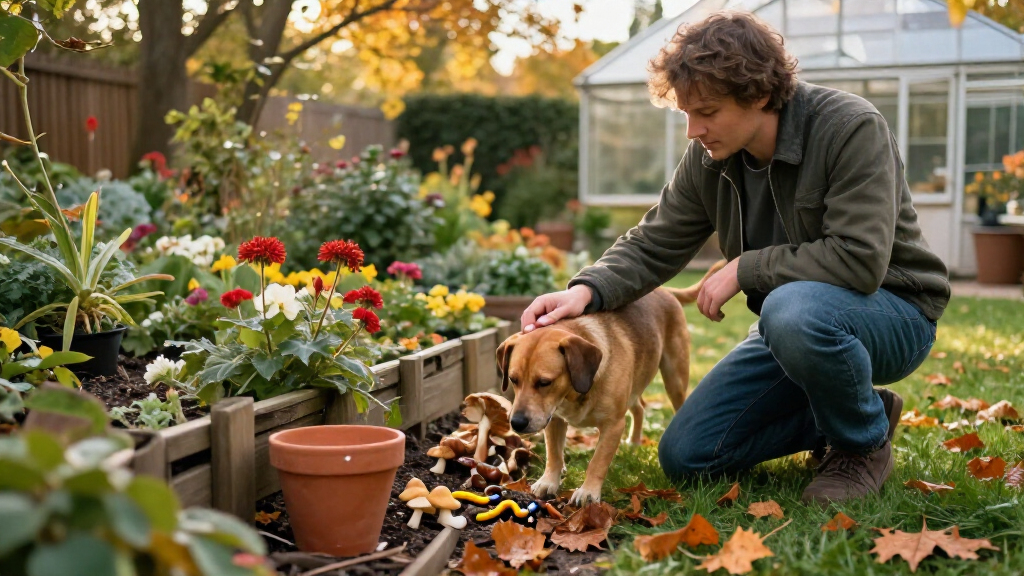
Fallen fruit and fungi are further concerns as autumn weather sets in. Apples, pears, plums and berries can rot, ferment or develop mould; Rivers says mouldy fruit, compost and decayed plants may contain toxins associated with vomiting, diarrhoea, shakiness, dizziness or twitching. Mushrooms are difficult for owners to identify reliably, so his advice is to stop dogs eating them and contact a vet if ingestion is suspected.
The remaining hazards are sticks and garden chemicals. Twigs can splinter or become lodged in a dog’s mouth, while high winds can bring down branches. Pest-control products, fertilisers, slug pellets and containers with chemical residue should be kept out of pets’ reach. The report recommends clearing debris and fallen fruit and supervising dogs in the garden.
Reducing Autumn Risks at Home
These warnings matter because dogs can encounter hazards while playing in a garden that owners may otherwise regard as a safe space. Ingestion, choking or mouth injuries can require veterinary attention, and the report notes that a blockage from a swallowed conker may involve surgery. It does not give typical treatment prices, so the potential expense cannot be quantified from the source.
Practical prevention focuses on removing what dogs might eat or chew and limiting access to chemicals. Regularly collecting fallen fruit, clearing sticks and checking for mushrooms can reduce opportunities for a dog to pick something up unnoticed. Secure storage also lowers the chance of accidental access to garden products.
As an affiliate, we earn on qualifying purchases.
Why Autumn Gardens Need Checks
Autumn brings fallen seeds, fruit and branches, while wet conditions can encourage fungi to appear. The report says hazards may be present both in gardens and on walks, so owners should remain alert beyond their own property. It does not identify a particular region or report a rise in veterinary cases.
The guidance comes from Dr. Fabian Rivers, described by Amateur Gardening as an award-winning veterinary surgeon. His comments are advice about potential hazards and symptoms, not a tally of confirmed poisonings or a veterinary study measuring risk. The six-item list is intended to help owners spot common seasonal dangers and reduce exposure.
“The safest advice is to stop dogs from eating any mushrooms and to contact a vet if ingestion is suspected.”
— Dr. Fabian Rivers, as quoted by Amateur Gardening
As an affiliate, we earn on qualifying purchases.
What the Report Does Not Quantify
The report provides no data on how often dogs encounter these hazards, how many require treatment or what a resulting vet bill might cost. It also does not identify specific fungi or chemical products, or give a dose-based risk assessment. The effects of ingestion can depend on what was eaten and how much; the source does not set out a treatment protocol for individual cases.
Rivers lists possible symptoms, including vomiting, diarrhoea, drooling, lethargy, shakiness, dizziness and twitching, but the report does not say that every exposure will cause them. Owners should not treat the list as a diagnosis or wait for symptoms before asking a vet for advice when ingestion is suspected.
dog-proof garden chemicals storage
As an affiliate, we earn on qualifying purchases.
As an affiliate, we earn on qualifying purchases.
Steps for Owners This Autumn
Owners can check garden areas for fallen conkers, acorns, fruit, mushrooms and branches, then clear hazards as they appear. Garden chemicals, slug pellets and containers with residue should be stored where pets and children cannot reach them. Supervise dogs outdoors, particularly during wet or windy weather and around trees.
If a dog may have eaten a mushroom, chemical or other potentially harmful item, contact a veterinarian promptly and explain what may have been consumed. The report offers no new official guidance or announced follow-up; its immediate recommendation is prevention and veterinary advice when exposure is suspected.
dog first aid kit for garden injuries
As an affiliate, we earn on qualifying purchases.
As an affiliate, we earn on qualifying purchases.
Key Questions
What are the six autumn garden hazards for dogs?
The report lists conkers, acorns, fallen fruit, fungi, sticks and garden chemicals, including fertilisers and slug pellets.
What should I do if my dog eats a mushroom?
Dr. Fabian Rivers advises owners to contact a vet if ingestion is suspected. The report says it can be difficult to identify safe and toxic mushrooms reliably.
Which symptoms does the report associate with possible ingestion?
It mentions vomiting, diarrhoea, drooling, lethargy, shakiness, dizziness and twitching. These are warning signs listed in the report, not a diagnosis of a particular exposure.
How can I reduce autumn garden risks for my dog?
Clear fallen fruit and debris, prevent dogs from eating mushrooms or seeds, supervise them outside and store chemicals and slug pellets securely away from pets and children.
Source: rss
Halloween Picks
halloween
As an affiliate, we earn on qualifying purchases.