
TL;DR

Get garden gear delivered free with Prime
- Fast, free delivery on millions of items
- Prime Video, Amazon Music and more included
- Member-only deals all year
Amateur Gardening editor and resilient-gardening expert Kim Stoddart has shared seven free approaches to caring for garden soil, including reducing digging, keeping roots in the ground, sowing green manures and using available organic materials as mulch. The report presents these as practical ways to protect soil and support its structure, while noting that claims about improved crop nutrition remain qualified.
Amateur Gardening has published a guide by editor and resilient-gardening expert Kim Stoddart describing seven free ways to protect and nourish garden soil, including disturbing it less, keeping roots in place, sowing green manures and applying homemade or readily available mulches. The advice focuses on autumn soil care and how gardeners can use materials already on hand to support soil structure and help beds cope with wet weather.
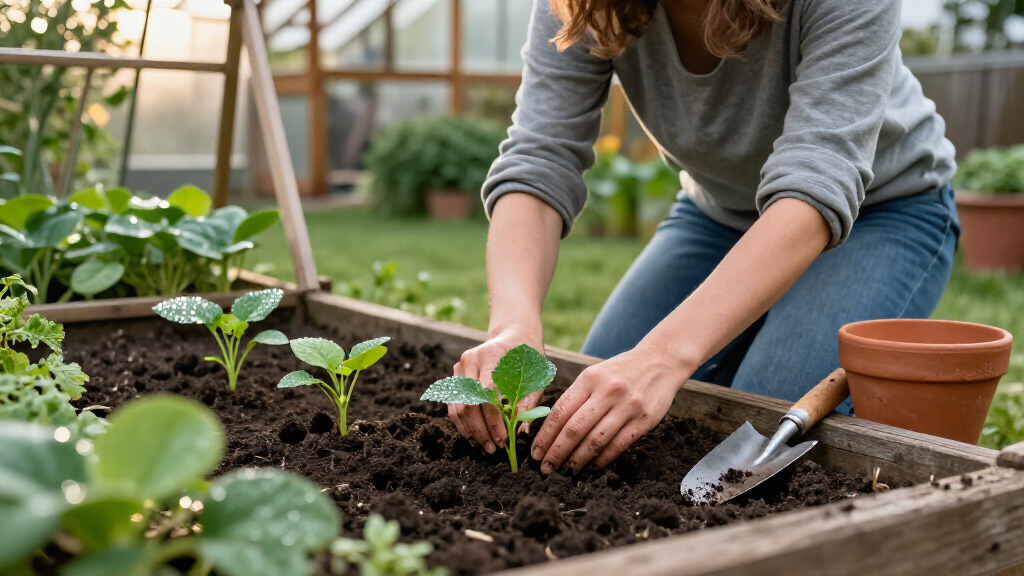
Stoddart’s first recommendation is to disturb soil as little as possible, using no-dig methods to preserve its structure. The report says undisturbed ground may be better able to retain fertility during heavy rainfall than freshly dug, loose soil, which can allow nutrients to wash away. It does not provide measurements or a comparison study for that claim.
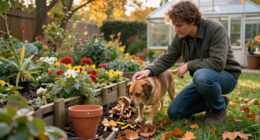
A second practice is to leave stems and roots in the ground after harvesting or cutting plants where practical. Stoddart says roots can help bind soil, while pea and bean roots contribute nitrogen. Plant remains left to die back can also form a surface covering and provide habitat for invertebrates; seed heads offer food for birds during colder months.
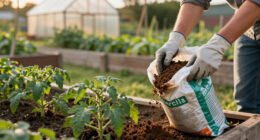
For bare patches, the report recommends allowing suitable non-invasive weeds to grow, covering the ground with mulch or sowing green manures. Suggested plants include field beans, which fix nitrogen, and phacelia, which should be cut back before it sets seed. The article also names poached egg plant as an option. Its four featured free mulches are homemade compost, leaves or leaf mould, grass clippings, and other available materials such as cut foliage, cardboard, sheep wool or locally gathered seaweed. It advises applying grass clippings thinly and securing leaves if wind is expected.
Protecting Soil Through Seasonal Care
The practical case in the report is that soil protection can begin with routine garden choices, rather than purchased products: leaving roots, reducing digging and reusing organic material. A protective covering can limit exposure to weather, while organic matter breaks down and contributes to soil improvement. For gardeners, the suggested methods may also reduce waste by putting leaves, clippings and kitchen or garden scraps to use.
Stoddart links healthier soil with gardens that are more able to cope with greater weather extremes. That is the report’s rationale, not a quantified forecast for any particular garden. The article also says organic, no-dig and mulching methods may be associated with better nutritional quality in home-grown produce, but frames this as a possibility amid ongoing research into nutrient density, not a proven outcome for these seven practices.
As an affiliate, we earn on qualifying purchases.
Autumn Methods in the Report
The source is an Amateur Gardening article focused on preparing soil in autumn. Its advice centers on keeping ground covered and feeding soil life with material that is already available, while limiting disturbance. It describes compost as a natural source of fertility and suggests stretching supplies with molehill soil or spent potting compost.
For leaf mulch, Stoddart reports that leaves placed directly on beds can encourage earthworm activity and protect ground through winter, although they may not have fully broken down by spring. She suggests removing remaining leaves then and adding them to a leaf-mould pile. The report’s broader discussion of soil microbiology is explanatory context; it does not claim that all soil processes are fully understood.
“Disturb the soil as little as possible”
— Kim Stoddart, Amateur Gardening editor and resilient-gardening expert
As an affiliate, we earn on qualifying purchases.
Evidence Behind the Benefits
The report is a gardening advice article, not a controlled trial. It gives no data quantifying how much no-dig methods, roots left in place or particular mulches reduce nutrient loss or improve resilience. It also does not specify conditions such as soil type, rainfall or the amount of mulch needed for most materials.
The proposed link between regenerative growing practices and higher nutrient density is described as an area of research, with the article saying such methods appear to yield the best results. It does not cite particular studies or establish that the practices will improve the nutritional value of every crop. The source also gives no publication date, so its reference to autumn should be understood as seasonal advice rather than a dated forecast.
As an affiliate, we earn on qualifying purchases.
Applying the Advice at Home
The next step for readers is to match the suggestions to their own beds and available materials: leave suitable roots in place, cover bare soil, and use compost or other mulch where available. Gardeners sowing green manures should follow the article’s directions to lightly rake the surface, cover seed with a thin layer of peat-free multipurpose compost and water if needed. Phacelia should be cut back before it sets seed.
The report does not announce a follow-up study, trial or scheduled update. Any assessment of how well these approaches work in a particular garden will depend on local conditions and observation over time. The article directs readers to Amateur Gardening for further gardening advice.
As an affiliate, we earn on qualifying purchases.
Key Questions
What are the seven free soil-care methods?
The report’s methods are to disturb soil less, leave roots and stems where practical, sow green manures, and use four groups of free mulch: homemade compost, leaves or leaf mould, grass clippings, and other available materials such as cardboard or cut foliage.
Which plants does the report suggest for green manure?
It names field beans, phacelia and poached egg plant. Stoddart says phacelia should be cut back before it sets seed; field beans can fix nitrogen and produce small crops in spring.
Can leaves be used directly on garden beds?
Yes. Stoddart says fallen leaves can be spread over beds to protect the soil, but they may not fully break down by spring. She advises securing them if windy weather is expected and moving remaining leaves to a leaf-mould pile later.
Does the report prove these methods improve crop nutrition?
No. It says research into nutrient density is continuing and that organic, no-dig and mulching approaches appear to yield the best results, but it does not cite evidence establishing a guaranteed nutritional benefit.
Source: rss
Fall yard work Picks
leaf blowers
As an affiliate, we earn on qualifying purchases.