
TL;DR

Get garden gear delivered free with Prime
- Fast, free delivery on millions of items
- Prime Video, Amazon Music and more included
- Member-only deals all year
Reading microclimates in your desert yard helps you decide where to plant for maximum health and water efficiency. Shaded spots stay cooler and retain moisture longer, reducing watering needs. Small changes in microclimate awareness can transform your landscape’s resilience.
Imagine walking through your yard and realizing some spots are noticeably cooler, moister, or shaded. That’s your yard’s microclimates at work. Recognizing these tiny climate variations isn’t just a science experiment — it’s a practical way to grow healthier plants and conserve water in your desert environment.
In this guide, I’ll show you how to read these microclimates, understand their impact, and use them to your advantage. Whether it’s a patch of afternoon shade under a tree or a corner that catches the morning breeze, knowing what’s around you makes all the difference in desert gardening.
Microclimates can change just a few feet apart, so don’t assume uniform conditions across your yard.
Reading your yard’s microclimates helps cut water use by up to 50%, especially in desert landscapes.
Shaded areas stay cooler and moister longer, making them perfect for sensitive or drought-prone plants.
Simple tools like thermometers and moisture meters turn microclimate reading into a quick, actionable process.
Design strategies like planting under trees or using shade cloths can dramatically improve plant health and water efficiency.
How to Spot Microclimates in Your Yard Without a PhD
Microclimates are small zones where environmental conditions differ from the general climate. In your yard, they might be shaded spots, areas with cooler soil, or places sheltered from the wind.
Start by observing. Walk around at different times of the day. Use a simple thermometer to check soil and air temperatures. Notice which spots stay cooler longer after sunset or dry out slower after watering.
For example, beneath your favorite tree, you might find a pocket of cooler, moister soil. Or, a corner shaded by your house’s overhang might stay cooler during the hottest afternoon hours.
Don’t overthink it. Small, practical clues — like plant growth differences, soil moisture, or temperature variations — tell you a lot. Recognizing these differences helps you identify where microclimates exist, which can inform your plant choices and watering routines. For instance, planting drought-sensitive species in warmer, sunnier zones may lead to stress or increased water use, while placing them in cooler, shaded microclimates can reduce watering needs and improve survival.
soil moisture meter for desert plants
As an affiliate, we earn on qualifying purchases.
As an affiliate, we earn on qualifying purchases.
Why Some Parts of Your Yard Get Smacked by Afternoon Sun (and Why It Matters)
Afternoon sun hits hard in desert yards. These areas bake from noon to 4 p.m., pushing soil temperatures 10-20°F higher and drying out plants faster. If you plant a delicate succulent or a young shrub there, it’s like giving them a sunburn.
Recognizing this pattern is crucial because it directly affects plant health and water efficiency. High afternoon temperatures can cause plants to wilt, stress, or become more susceptible to pests and diseases. It also means you’ll need to water more frequently to compensate for increased evaporation and transpiration. Conversely, understanding which areas get intense afternoon sun allows you to choose more heat-tolerant plants or add shade structures, reducing stress and conserving water.
For example, your south-facing wall might cast a shadow in the morning but turn into a scorching oven by mid-afternoon. Knowing this helps you avoid planting sensitive species there or provides the opportunity to install shade cloths or plant taller, more tolerant species to mitigate the heat. This strategic placement and shading can significantly improve plant survival rates and reduce water consumption, making your landscape more sustainable and resilient.
As an affiliate, we earn on qualifying purchases.
The Secret Weapon: Reading Your Yard’s Microclimates to Save Water and Stress
Understanding microclimates isn’t just about plant health — it’s a water-saving superpower. Shaded spots stay moist longer, needing less watering. Areas with full sun dry out faster, demanding more frequent watering.
When you identify these microclimates, you can tailor your watering schedules precisely, which is especially important in desert landscapes where water is precious. For example, placing drought-tolerant plants under a tree or in a shaded corner can cut your watering needs by half, because the soil remains cooler and retains moisture longer. Conversely, watering in full sun often leads to unnecessary runoff and evaporation, wasting water and stressing your plants. By matching plants to their microclimate, you reduce watering frequency, lower water bills, and promote healthier, more resilient plants. This targeted approach also minimizes runoff and erosion, helping preserve your soil quality over time.
Simple tools like a moisture meter or observing soil dryness can help you fine-tune watering schedules. It’s all about understanding the implications of microclimates — how they influence moisture retention and plant stress — and adjusting your watering habits accordingly. This strategic alignment of plant needs and microclimates can turn your landscape into a water-wise oasis that thrives despite the heat.
As an affiliate, we earn on qualifying purchases.
Smart Design Tricks to Maximize Shade and Minimize Heat Stress
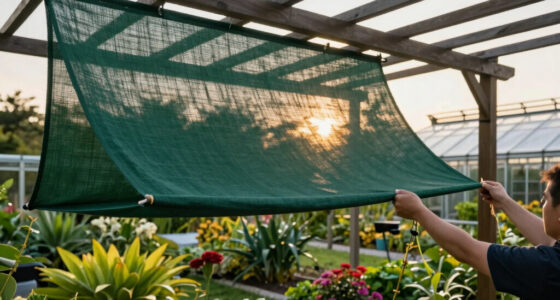
Use natural or man-made shade to create microclimates. A tall native mesquite or palo verde tree provides dappled afternoon shade, cooling nearby beds and reducing soil temperatures, which helps conserve water and keeps plants healthier. Shade cloths or pergolas can be moved as the seasons shift, providing flexible relief tailored to changing sunlight patterns.
Reflective surfaces like light-colored gravel or concrete bounce heat around, increasing soil and air temperatures. Strategic placement of plants near these surfaces can help cool the soil by absorbing and deflecting heat. For example, planting drought-resistant succulents in the shade of a trellis or under a tree keeps roots cooler, reducing evaporation and water needs. Additionally, positioning plants in shaded microclimates reduces thermal stress and extends their growing season.
Experiment with these design tricks — a little shade here, a reflective surface there — and observe how your plants respond. Over time, you’ll find that creating microclimates through thoughtful design not only enhances plant health but also significantly cuts down on watering and maintenance efforts, making your landscape more sustainable and enjoyable.
desert landscape water-saving irrigation system
As an affiliate, we earn on qualifying purchases.
As an affiliate, we earn on qualifying purchases.
Frequently Asked Questions
How do I identify microclimates in my desert yard?
Walk around at different times, use a thermometer to measure soil and air, and observe how long moisture stays in each spot. Small differences reveal microclimates quickly.What are the best plants for shaded areas in a desert landscape?
Native succulents, desert marigolds, and drought-resistant ferns thrive in shade. They handle cooler conditions and need less water in shade.How can I create more shade without building structures?
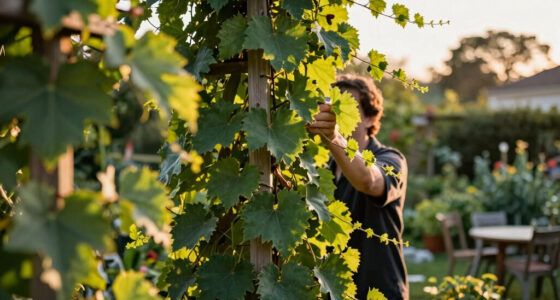
Plant native trees like mesquite or palo verde, install shade cloths that can be moved seasonally, or grow climbing plants on trellises for quick shade solutions.Does planting in full sun or shade matter for water use?
Yes! Shade reduces evaporation, helping plants stay hydrated longer. Match plant needs to your microclimate for less watering and healthier growth.Are there tools to analyze my microclimates easily?
Yes, basic soil thermometers, moisture meters, and sunlight sensors or apps help you map out your yard’s microclimates quickly and accurately.Conclusion
Mastering your yard’s tiny climate zones transforms how you garden in the desert. It’s about working smarter, not harder — matching plants to their perfect microclimate, and conserving water in the process.
Imagine your yard as a patchwork of cool, moist sanctuaries amid the heat. That’s the power of reading microclimates — turning a challenging landscape into a thriving oasis.
Halloween Picks
halloween
As an affiliate, we earn on qualifying purchases.