TL;DR
Listen free for 30 days with Audible
Thousands of audiobooks and originals — cancel anytime.
Start your free trialAs an affiliate, we earn on qualifying purchases.
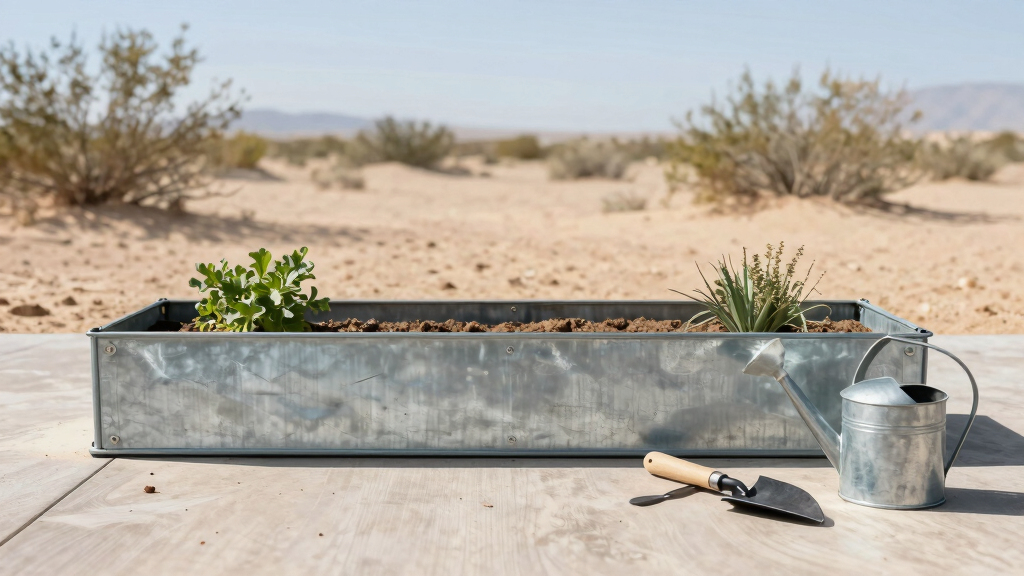
Metal raised beds can become very hot under desert sun, risking root damage. However, with shading, reflective paints, and mulch, you can keep soil temperatures manageable and protect your plants.
Ever seen a metal raised bed in a blazing desert yard and wondered, are my plants baking alive? It’s a fair worry. Metal conducts heat like a frying pan—fast and fierce. But the good news? You can counteract that with simple tricks. This guide shows you how to keep roots cool and happy, even in the hottest desert summers.
By understanding how metal interacts with desert heat and learning practical ways to shield your plants, you turn a potential problem into a gardening advantage. Ready to grow in the harshest conditions? Let’s get into it.
Metal beds can heat up to 115°F or more in desert sun, risking root damage.
Using reflective paint, shade, mulch, and liners can cut soil temps by 20°F or more.
Choose heat-tolerant plants for metal beds in hot climates, like succulents and herbs.
Placement and timing matter—position beds where they get some shade during the hottest part of the day.
Durability of metal beds makes them worth the extra effort for heat management.
Why Metal Gets So Hot and What That Means for Your Plants
Metal raised beds are like heat magnets under desert sun. Metals like steel, galvanized steel, or aluminum absorb sunlight efficiently because of their high thermal conductivity. This means they transfer heat rapidly from the sun into the soil inside. When soil temperatures inside a metal bed soar to 115°F or higher during peak summer, it creates a stressful environment for plants, especially those sensitive to heat. This rapid heat transfer can cause roots to become dehydrated or even ‘cook’ if no mitigation is employed. The implications are significant: roots that are too hot can slow down nutrient uptake, stunt growth, or cause root rot if combined with poor drainage. Understanding this process is crucial because it highlights the importance of controlling heat transfer — the faster and more intense the heat influx, the greater the risk of plant stress or failure. While metal’s durability and longevity are advantages, without proper precautions, the very property that makes it resilient can threaten plant health in extreme conditions. The tradeoff lies in balancing the metal’s benefits with effective heat management strategies to ensure your plants thrive rather than suffer.

Kesfitt Raised Garden Bed, 5x2x1 FT Galvanized Steel Metal Raised Garden Bed, Oval Open-Bottom Design, 12-Inch Deep for Outdoor Vegetable & Herb Gardening, Fruit Green
- Size: 5x2x1 feet oval shape
- Material: Galvanized steel for rust resistance
- Depth: 12-inch internal planting depth
As an affiliate, we earn on qualifying purchases.
As an affiliate, we earn on qualifying purchases.
How to Keep Metal Beds From Turning Your Roots Into Toast
- Paint with reflective coatings: Applying light-colored or reflective paint acts like a mirror, bouncing sunlight away from the metal surface. This reduces the amount of heat the metal absorbs, which directly lowers the soil temperature inside. Using reflective paint can cut heat absorption by up to 40%, meaning the bed heats up less during peak sun hours. This translates into a cooler root zone, less water stress, and healthier plants. The tradeoff is that reflective coatings may need reapplication over time, especially in harsh environments, but the long-term benefit of cooler soil outweighs the maintenance effort. It’s like giving your bed a sun-shield—preventing it from becoming a frying pan.
- Create shade: Positioning beds under shade trees or installing shade cloths during the hottest part of the day significantly reduces direct solar radiation hitting the metal surface. Shade reduces the heat load, which in turn keeps soil temperatures lower. Strategically placing beds where they receive some afternoon shade extends the time before soil heats up dangerously high. Think of shade as a cooling blanket—less heat transfer means roots stay cooler longer, and plants can maintain healthier growth rates. The major implication here is that placement and timing are critical; even a few hours of shade can make a substantial difference in soil temperature and plant vitality.
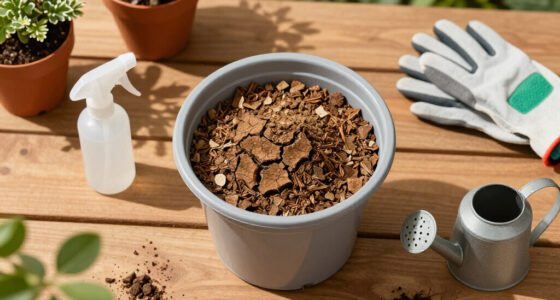
- Add mulch: A thick layer of organic mulch like straw, wood chips, or even gravel acts as an insulator, preventing rapid heat transfer from the metal to the soil. Mulch also reduces evaporation, maintaining soil moisture, which helps roots stay cool and hydrated. This is especially important in arid environments where water conservation is key. The tradeoff is that mulch needs regular replenishment and management, but its insulating properties can keep soil temperatures down by as much as 20°F, creating a more stable environment for roots.
- Use insulating liners: Lining the interior of the bed with foam or reflective foil creates a barrier that slows heat transfer from the metal to the soil. These liners effectively insulate the soil, preventing rapid temperature increases during peak heat. While adding liners may be more labor-intensive initially, they offer long-term benefits by maintaining a more consistent, cooler soil environment. This approach is especially useful in extremely hot climates or for sensitive plants that require cooler roots.
- Choose the right placement: Position your beds where they receive partial shade or are elevated to promote airflow. Elevated beds allow air to circulate around the structure, reducing overall heat buildup. Placement on the north or east side of structures or under natural shade sources can dramatically reduce peak soil temperatures. The key is to think of placement as a form of passive cooling—strategic positioning can make the difference between a thriving garden and one suffering from heat stress.
Imagine a galvanized bed painted with reflective white paint, shaded by a shade cloth, and topped with straw mulch. Your plants might be sitting in soil that’s a comfortable 85°F, even during the hottest desert afternoons. This combination of strategies works synergistically, providing multiple layers of defense against excessive heat and ensuring your roots stay cool and healthy.

Night Reflective Spray – 100ml Spray Paint | Weatherproof Safety Fluorescent Paint, Invisible Daytime Running Reflective Sprays For Outdoor Cycling Camping Hiking Walking Driveway Traffic
- Easy Application and Removal: Water rinse for simple cleanup
- Increases Safety: Reduces accident risks with 360° coverage
- Improves Night Visibility: Enhances visibility in low-light conditions
As an affiliate, we earn on qualifying purchases.
As an affiliate, we earn on qualifying purchases.
Comparison: Metal vs. Wood Raised Beds in Desert Heat
| Feature | Metal Beds | Wood Beds |
|---|---|---|
| Heat Conductivity | High — conducts heat quickly, can reach 115°F+ | Low — insulates better, stays cooler |
| Durability | Resists rot, pests, lasts 10-20 years | Prone to rot in desert heat, lasts 5-10 years |
| Maintenance | Requires painting or coating to prevent corrosion | Needs sealing or treatment to prevent decay |
| Cost | Generally more expensive upfront | Cheaper, readily available |
In the desert, metal beds are tough and long-lasting but need extra care for heat. Wooden beds are cheaper but may not hold up as well without treatment. The tradeoff involves durability versus heat management; metal lasts longer but requires proactive shading and insulation, whereas wood’s natural insulating properties can reduce some heat transfer but may decay faster in harsh conditions. Choosing the right material depends on your long-term goals and willingness to implement cooling strategies, as well as your budget and environmental considerations.

Brut Organic Aspen Mulch 10 QT – Natural Moisture Retainer & Root Protector – Odor-Free, Nutrient-Rich Bark Mulch for Landscaping, Garden Beds & Potted Plants
- Natural Garden Cover: Minimizes weeds and supports healthy soil
- High Carbon Organic Mulch: Contains 30% natural carbon for soil vitality
- Moisture-Retaining & Water-Efficient: Helps retain soil moisture and reduce watering
As an affiliate, we earn on qualifying purchases.
As an affiliate, we earn on qualifying purchases.
What Plants Love Metal Beds in the Desert and Which Hate Them
Heat-tolerant plants like succulents, cacti, and drought-resistant herbs are naturally adapted to handle extreme conditions. When grown in metal beds with proper shading and insulation, these plants benefit from the well-drained, warm soil that metal beds often provide. Their roots are resilient to high temperatures, and they often thrive in environments where other plants might struggle. The key is ensuring they are not exposed to direct, unfiltered sunlight during the hottest part of the day, which could cause overheating even for these hardy species.
Conversely, delicate or moisture-loving plants—such as leafy greens, carrots, and beets—prefer cooler, more stable soil conditions. When soil temperatures spike above 85°F, these plants can suffer from heat stress, wilting, or root damage. Their roots are sensitive to rapid temperature changes and excess heat, which can inhibit nutrient uptake and stunt growth. For these plants, incorporating extra shading, mulching, or even choosing different planting times becomes crucial to avoid damage. The tradeoff is that while some plants can tolerate high heat in metal beds with proper care, others require more cooling strategies or should be avoided altogether in hot climates.

TREEVEX 55% Shade Cloth for Garden, Black Shade Net 6.5X10 FT
- Size: 6.5×10 feet (2×3 meters)
- Customizable: Easily cut to desired size
- UV Protection: Blocks up to 55% of sunlight
As an affiliate, we earn on qualifying purchases.
As an affiliate, we earn on qualifying purchases.
Real-World Example: Managing Soil Temp in a 4×8 Metal Bed
Jane installed a galvanized steel bed in her backyard in Phoenix. Summers hit 110°F regularly. She painted the bed white, placed it in partial shade, and layered the soil with straw mulch. During peak heat, her soil stayed around 85-90°F, and her tomatoes thrived. This example highlights the importance of multiple heat mitigation strategies working together. White paint reflects sunlight, reducing heat absorption; shade cloth limits direct solar radiation; mulch insulates the soil and retains moisture. The combined effect prevents the soil from reaching damaging temperatures that could stress or kill roots.
This practical application demonstrates that, even in the desert’s oven-like heat, strategic planning can make metal beds viable. The key takeaway is that proactive measures—like shading and reflective surfaces—are essential for success in extreme environments. By adjusting placement and materials, gardeners can create a more hospitable environment for a variety of plants, overcoming the innate heat conduction properties of metal structures.
Jane’s experience shows that with thoughtful design, metal beds can be an effective and durable choice for desert gardening, provided the heat is managed appropriately.
Frequently Asked Questions
Will my plants get cooked in a metal bed in desert heat?
Not necessarily. Metal beds can get hot, but using shading, reflective paints, and mulch keeps soil temperatures manageable. Proper placement and timing make all the difference.What are the best plants for metal beds in hot, dry climates?
Heat-tolerant plants like succulents, cacti, rosemary, thyme, and drought-resistant herbs thrive in metal beds with proper shading. Avoid delicate leafy greens unless you can provide extra cooling.How do I prevent my metal bed from overheating?
Paint it with reflective or light-colored paint, add shade during the hottest hours, mulch generously, and consider insulating liners. These steps keep soil temps cooler and roots healthy.Are metal beds durable enough for desert gardening?
Yes, especially if coated properly. Galvanized steel and aluminum resist rot and pests and can last 10-20 years with minimal maintenance, making them a good investment.Should I choose wood or metal for my raised beds in the desert?
Wood insulates better but rots faster in desert heat. Metal lasts longer but needs extra heat management. Your choice depends on your budget and willingness to implement cooling strategies.Conclusion
Metal raised beds in desert heat are not doomed to cook your roots—if you add some shade, paint, and mulch, they become a surprisingly tough and attractive garden space. Think of them as a fiery challenge you can tame with just a few tweaks.
With a little planning, you turn a potential problem into a desert gardening win. Keep cool, stay strategic, and watch your garden flourish—even when the sun’s at its fiercest.
Baby shower & registry season Picks
baby registry must-haves
As an affiliate, we earn on qualifying purchases.