TL;DR

Get garden gear delivered free with Prime
- Fast, free delivery on millions of items
- Prime Video, Amazon Music and more included
- Member-only deals all year
Gophers and ground squirrels build different tunnels and leave distinct holes. Recognizing these clues helps you choose effective control methods. Recent eco-friendly options support coexistence without harming the ecosystem.
Ever step outside and notice a fresh, perfect little hole in your yard? Or maybe a mound of soil that looks like a tiny volcano? Those are signs of burrowing rodents, but telling if it’s a gopher or a ground squirrel changes everything. You can’t just guess and start trapping—knowing what you’re up against saves time, money, and frustration.
In this guide, you’ll learn how to read the clues left behind by these desert diggers. Recognizing their holes, tunnels, and habits helps you choose the right approach—whether it’s trapping, fencing, or simply coexisting. Let’s dig into how to tell them apart and what that means for your yard.
Gophers build deep, straight tunnels with small conical mounds; ground squirrels create shallow, irregular holes with surface activity.
Identify your pest by observing hole size, mound shape, and signs of activity like chewed plants or droppings.
Control methods include trapping, fencing, habitat management, and encouraging natural predators.
Humane, eco-friendly strategies are best; avoid poisons unless you check local laws and safety precautions.
Understanding their behavior helps you choose the right approach—less frustration, better results.
Gopher or Ground Squirrel?
A fresh hole is evidence, not an identification. Read the mound, entrances, tunnel pattern, surface activity and damage before choosing a trap, barrier—or a peaceful way to coexist.
Shape tells the first half of the story.
Conical soil mounds and deep, direct tunnels point toward gophers. Open, irregular burrows with several entrances and visible runners point toward ground squirrels.
Two diggers, two signatures
Do not judge by diameter alone—the ranges overlap. Mound shape, number of entrances and above-ground behavior provide the stronger identification.
Gopher
A tunnel-focused root eater that pushes excavated soil upward and spends most of its life out of sight.
- Fresh, rounded or conical mound of loose soil
- Small opening often plugged after excavation
- Several mounds aligned along an underground route
- Likely near irrigation lines, shrubs and edible roots
Ground squirrel
A colony-living forager that uses open, shallow burrows as bases for frequent surface activity.
- Irregular, clearly open hole with little mound structure
- Multiple entrances scattered across the same area
- Visible running, foraging or sunbathing nearby
- Chewed leaves, vegetables, droppings and worn paths
What the yard is telling you
Use several clues together. A confident identification prevents wasted effort and reduces the chance of harming a non-target animal.
| Feature | Gopher | Ground squirrel | Best clue to verify |
|---|---|---|---|
| Tunnel profile | GDeep, direct network | SShallow, spreading burrow | Probe the route only after locating fresh activity |
| Entrance | GOften plugged or mound-focused | SOpen, irregular and repeated | Count visible entrances in the immediate area |
| Surface activity | GMinimal; mostly underground | SRunning, feeding, sunbathing | Watch quietly around dawn or dusk |
| Typical damage | GRoots, irrigation, plant collapse | SLeaves, produce, seedlings | Check whether damage begins above or below soil |
| Social pattern | GSolitary and territorial | SSocial, often colony-living | Look for one tunnel line versus a busy shared zone |
Gopher tunnel reach
6–10 FTSquirrel burrow depth
1–2 FTIdentify before you intervene
A repeatable field check is faster than guessing. Observe first, then choose a response matched to the animal’s actual behavior.
Inspect the hole
Note diameter, mound shape, fresh soil and whether the opening is plugged or clearly accessible.
Watch the surface
Visible runners, foraging and sunbathing strongly favor ground squirrels over gophers.
Map the pattern
Aligned mounds imply a buried gopher route; scattered open entrances suggest a squirrel colony.
Read the damage
Collapsed plants and root loss point below ground. Leaf bites and debris point above it.
Fresh conical mound + plugged opening + collapsing plants = likely gopher. Open irregular entrances + visible animals + chewed produce = likely ground squirrel.
Match the method to the risk
Start with the least disruptive option that protects what matters. Combine techniques when one measure cannot address food, shelter and access together.
Underground fencing
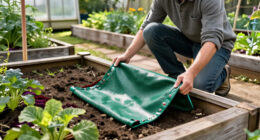
Bury hardware cloth about 12 inches around valuable beds or young trees. Check joins and exposed edges regularly.
Best for defined garden zonesCorrectly placed traps
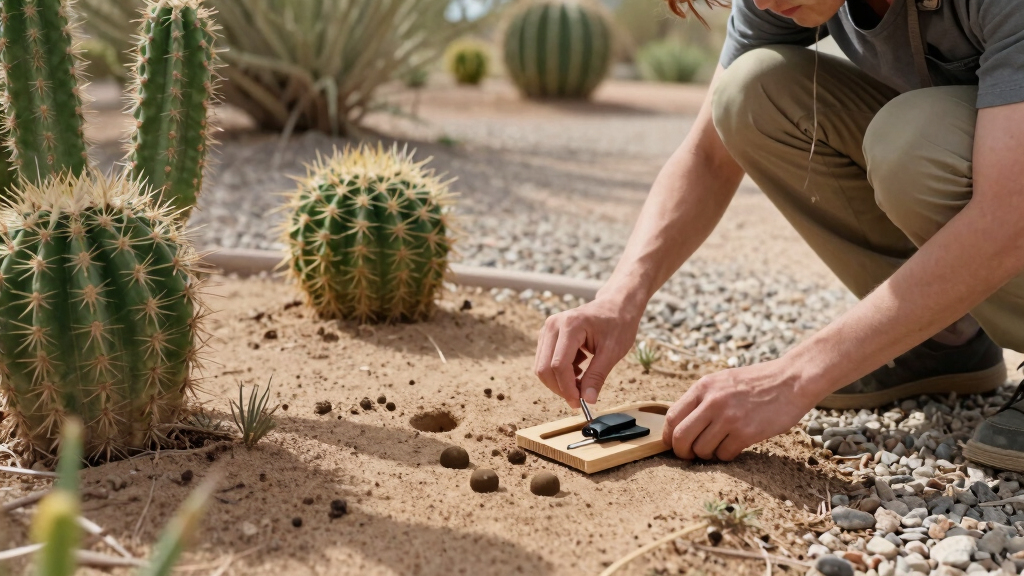
Place an appropriate trap near a confirmed active tunnel or entrance. Follow product directions and protect children, pets and wildlife.
Best after firm identificationRemove easy shelter
Clear brush piles, debris and dense ground cover. Reduce spilled seed and unprotected food sources that support repeat visits.
Best for long-term preventionUse repellents realistically
Garlic plantings and castor oil products are popular, but results vary. Treat them as one layer, not a guaranteed standalone fix.
Best as a supporting measureSupport natural predators
Owl boxes and suitable habitat for hawks or snakes can help moderate populations while supporting a balanced desert ecosystem.
Best for coexistenceCheck before using poisons
Wear gloves and eye protection around traps or repellents. Check local rules and non-target risks before considering toxic bait.
Protect people, pets and wildlifeFrom clue to smarter outcome
The strongest management decisions connect visible evidence to behavior, then behavior to a proportionate response.
Field-guide takeaways
- 1Gophers favor deep tunnel networks and fresh conical mounds; squirrels favor shallow, open, multi-entrance burrows.
- 2Combine hole shape, activity and damage evidence before deciding what animal is present.
- 3Use targeted traps, buried fencing, habitat changes and predator support according to the verified species.
- 4Prioritize humane, eco-conscious measures and confirm local rules before using poison.
- 5Monitor after intervention: fewer fresh mounds, tracks or chewed plants reveal whether the approach is working.
How to Spot Gopher Tunnels and Holes in Your Yard
Gopher holes are like tiny, perfect doorways—about 2-3 inches wide, with a smooth, rounded mound of dirt pushed out at the entrance. The soil here is fresh, often with a conical shape. Their tunnels run straight and deep, sometimes extending 6-10 feet underground before splitting or looping.
Imagine a slender pipe buried just beneath the surface, with a small mound of freshly excavated soil nearby. You might see a few of these holes lined up in your yard, especially along your irrigation lines or under your shrubs.
Pro tip: Gophers tend to avoid heavily trafficked areas. Look for a pattern: multiple holes connected by underground tunnels, creating a network that can threaten your plants’ roots and your irrigation system. Recognizing these signs is crucial because gopher activity can cause significant underground damage, leading to the collapse of garden beds or damage to underground wiring, which might go unnoticed until problems arise.
As an affiliate, we earn on qualifying purchases.
Spotting Ground Squirrel Holes and Surface Activity
Ground squirrel holes are generally larger, about 1-3 inches in diameter, and often have multiple entrances scattered around. Unlike gopher mounds, these holes are irregular, sometimes with a small dirt pile beside or inside the opening. Recognizing these irregularities helps prevent misidentification, which is important because the management strategies differ.
You’ll notice surface activity—squirrels running, foraging, and sometimes even sunbathing near their burrow entrances. Their tunnels are shallow, often less than 2 feet deep, and they leave behind chewed plants, droppings, and well-worn runways across your yard. This activity indicates that they are actively feeding and possibly damaging your plants, which can lead to decreased crop yields or damaged landscaping.
Picture a small, muddy hole in your flower bed with a squirrel darting out at dawn or dusk. If you see chewed-up leaves or half-eaten vegetables, that’s a good sign ground squirrels are munching away. Recognizing these signs early can help you implement control measures before significant damage occurs, preserving your plants and reducing pest populations.
As an affiliate, we earn on qualifying purchases.
Compare Gopher and Ground Squirrel Damage and Behavior
| Feature | Gopher |
|---|---|
| Tunnel Depth | Deep, straight tunnels (6-10 ft) |
| Holes | Small, conical mounds, 2-3 inches wide |
| Surface Activity | Minimal; mostly underground |
| Damage | Root destruction, irrigation damage, plant collapse |
| Behavior | Solitary, very territorial, tunnel-focused |
| Feature | Ground Squirrel |
|---|---|
| Tunnel Depth | Shallow, 1-2 feet |
| Holes | Larger, irregular, multiple entrances |
| Surface Activity | Active; running, foraging, sunbathing |
| Damage | Vegetable chews, plant damage, droppings |
| Behavior | Social, colony-living, surface-oriented |
Understanding these behavioral differences is vital because it influences your control approach. Gophers, being solitary and tunnel-focused, require targeted trapping and underground barriers, while ground squirrels, being social and surface-active, can be managed through habitat modification and population control methods like repellents or natural predators. Recognizing their behavioral patterns helps you choose the most effective, least invasive strategy, saving time and reducing unnecessary effort.
As an affiliate, we earn on qualifying purchases.
Easy Ways to Know Which Rodent Is Digging in Your Yard
- Check the holes: Small, smooth, conical mounds mean gophers. Larger, irregular holes with multiple entrances suggest ground squirrels. Understanding these physical clues helps prevent misidentification, which can lead to ineffective or unnecessary control measures.
- Observe activity: Look for surface runners, chewed plants, or droppings. Active squirrels are often visible during dawn and dusk. Recognizing active signs early allows for timely intervention, preventing extensive damage and reducing rodent populations more humanely.
- Follow the tunnels: Gopher tunnels are straight and deep, while squirrel burrows are shallow and spread out. Knowing the tunnel structure guides trap placement and fencing strategies, making your efforts more efficient.
- Look for damage: Root damage and irrigation pipe bites point to gophers. Chewed-up plants and scattered debris hint at ground squirrels. Differentiating damage helps target your control efforts accurately, avoiding unnecessary harm to non-target species or plants.
As an affiliate, we earn on qualifying purchases.
Practical Ways to Control or Coexist with These Rodents
Controlling gophers and ground squirrels isn’t about war; it’s about smart management. Here are options:
- Trapping: Live traps or lethal traps work well if you place them near active holes. Use gloves and protective gear. Proper trap placement and understanding their habits increase success rates and reduce unintended harm to other wildlife.
- Fencing: Bury hardware cloth 12 inches deep around gardens or trees to block burrow access. This method helps protect specific areas and minimizes rodent intrusion, but it requires proper installation to be effective over time.
- Habitat modification: Remove debris, dense ground cover, or brush piles that attract these rodents. Altering their environment reduces food and shelter sources, encouraging them to relocate naturally.
- Natural deterrents: Some gardeners swear by planting garlic or using castor oil-based repellents, but results vary. These methods can be part of an integrated pest management strategy but should be used with realistic expectations and in conjunction with other methods.
- Encourage natural predators: Owls, hawks, and snakes can help keep populations in check naturally. Installing nesting boxes or habitat enhancements can support these predators, fostering a balanced ecosystem.
Remember: humane trapping and habitat tweaks are the safest, most eco-friendly options. Always wear gloves and protective glasses when handling traps or applying repellents, and check local regulations before using poisons. Understanding the tradeoffs—such as the effectiveness of traps versus ecological impact—helps you choose the best approach for your yard and aligns with your values.
Frequently Asked Questions
How can I tell if I have gophers or ground squirrels in my yard?
Look at the holes and signs of activity. Gophers make small, conical mounds with deep, straight tunnels. Ground squirrels have larger, irregular holes with visible surface activity and chewed plants.What’s the most humane way to get rid of these pests?
Live trapping combined with habitat modification and encouraging natural predators is the most humane approach. Always wear protective gear, and check local laws before using poisons.When is the best time to trap or control these rodents?
Early spring or late summer works best, when young animals are active and food sources are scarce. Dawn and dusk are prime times to observe their activity.Can I coexist with gophers or ground squirrels without causing damage?
Yes. Using barriers, natural repellents, and encouraging predators can keep populations in check while maintaining a balance in your yard’s ecosystem.Are gophers or ground squirrels dangerous to pets or children?
Ground squirrels can carry diseases and might bite if threatened. Gophers are less aggressive but can damage underground wiring or pipes, which may affect your pets or kids indirectly.Conclusion
Reading the holes in your yard isn’t just about solving a mystery. It’s about understanding what’s living beneath your plants and how they affect your desert oasis. Clear signs make all the difference in choosing the right move—whether that’s trapping, fencing, or coexisting.
Remember, these pests are part of your desert ecosystem. Managing them with care keeps your yard healthy without turning it into a battleground. Next time you see a tiny hole or a scurry of activity, know which rodent is causing it—and act accordingly.
Halloween Picks
halloween
As an affiliate, we earn on qualifying purchases.