
TL;DR

Get garden gear delivered free with Prime
- Fast, free delivery on millions of items
- Prime Video, Amazon Music and more included
- Member-only deals all year
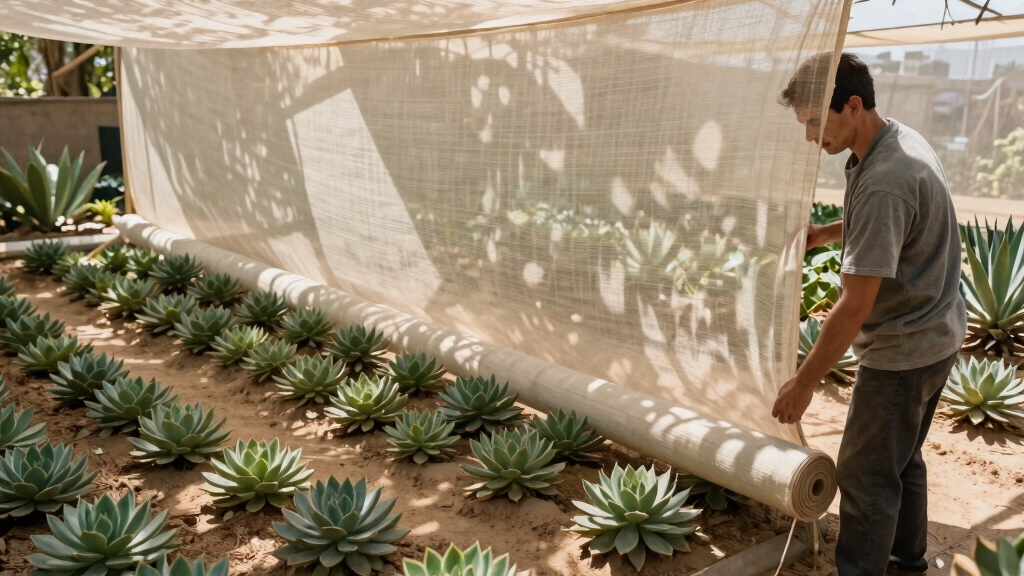
Matching the right shade cloth percentage—30%, 50%, or 70%—to your desert crops helps reduce heat stress and conserve water. Proper selection boosts crop health, yield, and longevity of your fabric. It’s about balancing sunlight, temperature, and airflow for optimal growth.
Match shade percentage to your crop’s sun and heat tolerance for the best results.
Use higher shade (70%) for delicate seedlings and very hot days, and lower (30%) for hardy, mature plants.
Layer different densities for varied crops or growth stages to optimize your garden’s microclimates.
Proper maintenance extends the life of your shade cloth and keeps your plants protected.
Understanding the specific needs of desert crops can boost yields by up to 30%.
30, 50 or 70 Percent Shade Cloth
Matching density to desert crops is a balancing act: block enough solar heat to prevent stress and evaporation, while preserving the light and airflow plants need for photosynthesis. The right cloth turns an exposed bed into a productive microclimate.
Light protection for hardy, mature, sun-loving crops.
Balanced cooling for greens, transplants and mixed beds.
Maximum summer shelter for delicate or very young plants.
Choose by crop, stage and heat
No percentage is universally “best.” Begin with the crop’s light tolerance, then adjust for its growth stage, local sun intensity and the season’s peak temperature.
Protect without dimming
Blocks roughly 30% of sunlight and transmits about 70%. It softens harsh exposure while retaining strong photosynthetic light and generous airflow.
Moderate heat and light
Halves direct sunlight, creating a practical middle ground for crops that need cooling but still require enough energy for steady growth.
Create a cooler refuge
Blocks nearly three-quarters of intense sun. Reserve it for sensitive plants, propagation areas and exceptional heat to avoid limiting photosynthesis.
Density comparison
Match protection to biological need. Too little shade risks scorching and dehydration; too much can slow growth by restricting usable light.
| Shade cloth | Sun transmitted | Cooling level | Best fit | Mature tomatoes | Leafy greens | Delicate seedlings |
|---|---|---|---|---|---|---|
| 30% | About 70% | Light | Hardy, mature crops | ✓ Strong match | ~ Peak heat only | ✗ Often insufficient |
| 50% | About 50% | Moderate | Mixed beds and greens | ~ Climate dependent | ✓ Strong match | ~ Monitor closely |
| 70% | About 30% | High | Extreme heat and tender plants | ✗ May restrict growth | ~ Short-term heat use | ✓ Strong match |
Rule of thumb: increase shade as heat sensitivity rises; reduce it as plants mature and tolerate stronger light.
What each density changes
Shade percentage describes light blocked—not an exact temperature reduction. Airflow, cloth color, mounting height, humidity and wind all influence the microclimate below.
Solar light blocked
Denser fabric increases protection, cooling potential and evaporation control—but also raises the risk of insufficient light.
Build adaptable microclimates
One garden can use several densities. Divide beds by crop type and growth stage, then use adjustable frames or tie-downs to change protection as conditions evolve.
Map crop needs
Group plants by light tolerance and heat sensitivity.
Read exposure
Note afternoon sun, reflected heat, wind and seasonal extremes.
Assign density
Use 30%, 50% or 70% based on crop and growth stage.
Monitor response
Watch leaf color, scorch, wilting, soil moisture and growth.
Adjust with time
Reduce shade as plants mature or increase it during heat spikes.
Seedling pocket · 70%
Give fragile starts a cooler nursery zone, then transition toward 50% as roots and foliage strengthen.
Greens bed · 50%
Maintain moderate shade for lettuce and spinach, with temporary extra protection during exceptional heat.
Mature crop row · 30%
Preserve strong light for tomatoes and hardy herbs while softening the harshest desert exposure.
Protect the cloth—and the crop
Material quality and simple upkeep determine whether a shade system performs for a few seasons or more than a decade.
Choose UV-stabilized fabric
Woven polyethylene or polyester designed for intense exposure can provide an 8–15 year service life.
Secure every edge
Limit flapping, abrasion and tearing with firm tie-downs and a frame that keeps fabric clear of foliage.
Repair damage early
Check for sagging, loose anchors, fraying and small tears before wind turns minor wear into failure.
Wash gently twice yearly
Use mild soap and water to remove dust, dirt and algae without degrading the fabric or coating.
Use the lowest density that prevents visible stress.
This protects photosynthesis while controlling leaf scorch, soil heating and water loss. Treat 70% as targeted protection for tender crops or extreme conditions—not a default for every bed.
Reassess when…
How to Match Shade Cloth Percentages to Your Crops’ Needs
Shade cloth percentages directly influence how much sunlight, heat, and airflow reach your plants. 30% shade cloth allows about 70% of sunlight through, which is suitable for crops that thrive on high light levels, such as tomatoes or herbs. 50% reduces sunlight by half, providing a more moderate environment ideal for greens like lettuce or young seedlings that are prone to sunburn or heat stress. 70% blocks nearly three-quarters of the sun, creating a cooler, shadier microclimate best suited for delicate flowers or very young, heat-sensitive plants in extreme conditions. Choosing the right percentage affects not only plant health but also water use and temperature regulation. For example, a 70% shade cloth can significantly lower the temperature beneath it, reducing water evaporation and preventing heat stress, but it might also limit photosynthesis if overused. Conversely, too little shading for sensitive plants can lead to leaf scorch, reduced growth, or even plant death. Understanding these tradeoffs helps you create an environment that balances growth needs with environmental stressors.
As an affiliate, we earn on qualifying purchases.
Comparison Table: Shade Percentages and Their Best Uses
| Shade Percentage | Sunlight Blocked | Best For |
|---|---|---|
| 30% | About 30% | Sun-loving crops, mature tomatoes, herbs |
| 50% | About 50% | Moderate-shade plants, leafy greens, seedlings |
| 70% | About 70% | Delicate flowers, young seedlings, heat-sensitive crops |
This quick guide helps you match your crop’s needs with the right shading. Remember, the goal isn’t just to block sunlight but to create a microclimate that optimizes plant health. For example, using 70% shade during the hottest months can significantly lower soil and air temperatures, reducing water needs and stress. However, excessive shading might hinder photosynthesis if used inappropriately for sun-loving crops. Conversely, minimal shading for sensitive plants in peak heat can cause damage or reduce yields. The key is understanding the specific growth stage and environmental conditions to select the most effective shading level, balancing protection with growth potential.
50 percent shade cloth for vegetable garden
As an affiliate, we earn on qualifying purchases.
As an affiliate, we earn on qualifying purchases.
How to Use Multiple Shade Densities for Different Crops
Layering different densities can really maximize your garden’s performance. For instance, you could cover a section with 70% shade for seedlings and neighboring beds with 30% for mature plants. This approach allows each crop to experience optimal conditions at different growth stages, improving overall health and productivity. It also helps you manage microclimates within your garden, creating shaded pockets for sensitive plants while allowing sun-loving crops to thrive in less shaded areas. The tradeoff here is complexity—managing multiple shading setups requires planning, adjustable structures, and regular monitoring. But the payoff is a more resilient, productive garden that adapts to the specific needs of each crop, reducing stress and water use while maximizing yields.
Start by planning your planting zones based on crop type and growth stage. Use adjustable shade frames or tie-downs to modify shading as plants grow or weather conditions change. For example, a young seedling bed might need 70% shade initially, but as plants mature, you can reduce shading to 50% or less. This dynamic management ensures your microclimates remain optimal, leading to healthier plants and less water consumption over time.
As an affiliate, we earn on qualifying purchases.
Why Proper Shade Matching Boosts Your Yield and Saves Water
Getting the shade level right is crucial because it directly impacts plant physiology and resource use. Too much shade can inhibit photosynthesis—the process by which plants convert sunlight into energy—leading to slower growth and reduced yields. Conversely, too little shade exposes plants to excessive heat, causing stress, dehydration, and potential damage to leaves and flowers. Proper shading creates a microclimate that moderates temperature, reduces water evaporation, and minimizes stress, resulting in healthier, more productive plants. For example, a gardener in Phoenix who increased her shade from 50% to 70% during peak summer noticed her lettuce remained crisp and vibrant, and she reduced watering by 20%. This demonstrates how adjusting shade levels to match environmental conditions and crop needs can lead to significant resource savings and higher yields. It’s a delicate balance—too much or too little shade can both be detrimental, but the right match optimizes growth, conserves water, and extends crop longevity.
Furthermore, proper shading reduces sunburn and heat stress, which can cause irreversible damage to delicate plant tissues. By creating a stable microclimate, you enable your crops to develop better root systems, produce more fruit or flowers, and resist pests and diseases more effectively. The tradeoff is that improper shading can either limit growth or cause stress—so understanding your crops’ specific needs and environmental conditions is essential for making informed shading decisions that ultimately enhance yield and sustainability.
As an affiliate, we earn on qualifying purchases.
Tips for Choosing and Maintaining Your Shade Cloth
- Pick UV-stabilized fabric, rated for 8-15 years, especially in sun-heavy environments.
- Match the fabric’s weave density to your desired shade percentage, considering how tightly woven fabrics block sunlight and airflow.
- Secure the edges well to prevent flapping, which can cause wear and tear over time, reducing the lifespan of your shade cloth.
- Regularly check for tears, fraying, or sagging—address issues promptly to maintain effective shading and prevent further damage.
- Clean with gentle soap and water twice a year to remove dust, dirt, and algae, which can degrade fabric over time.
For example, a gardener in Tucson found that annual rinsing with a garden hose kept her shade cloth looking new and functioning effectively for over 10 years. Proper maintenance not only extends the life of your fabric but also ensures your plants remain protected under optimal conditions.
Frequently Asked Questions
How do I determine the right shade percentage for my desert crops?
Start by considering each crop’s sunlight needs and how sensitive it is to heat. For most heat-tolerant vegetables like tomatoes, 30% might suffice, while tender seedlings or flowers often benefit from 50% or more. Local climate and sun intensity also influence your choice.Can I combine different shade percentages on my farm?
Absolutely. Using multiple densities allows you to create microclimates suited to each crop’s stage. For example, young seedlings under 70% shade and mature plants under 30% can thrive side by side.Will shade cloth reduce my crop yield?
When matched properly, shade cloth actually boosts yield by reducing heat stress and water loss. Excessive shading, however, can limit photosynthesis—so it’s about finding the sweet spot for each crop.How long does shade cloth last, and how do I care for it?
High-quality, UV-stabilized fabrics typically last 8-15 years with proper care. Regularly inspect for tears, clean with gentle soap and water, and store or repair damaged sections to extend its life.Is shade cloth environmentally friendly?
Many modern fabrics are recyclable or biodegradable. But always check product specs—using durable, UV-stabilized, and eco-friendly materials helps reduce waste and environmental impact over the long haul.Conclusion
Choosing the right shade cloth isn’t just about blocking sun—it’s about creating a healthy, water-wise microclimate that your desert crops will thank you for. Think of it as giving each plant a custom umbrella, tailored to its needs. When you match shade density carefully, your garden turns into a thriving oasis—no matter how fierce the sun beats down.Halloween Picks
halloween
As an affiliate, we earn on qualifying purchases.