TL;DR

Get garden gear delivered free with Prime
- Fast, free delivery on millions of items
- Prime Video, Amazon Music and more included
- Member-only deals all year
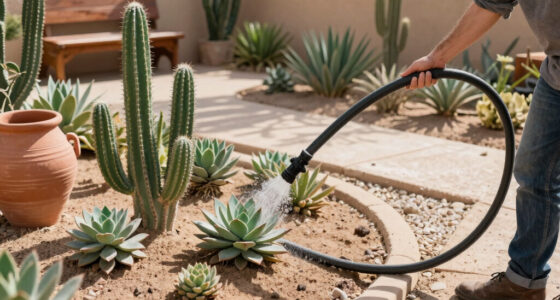
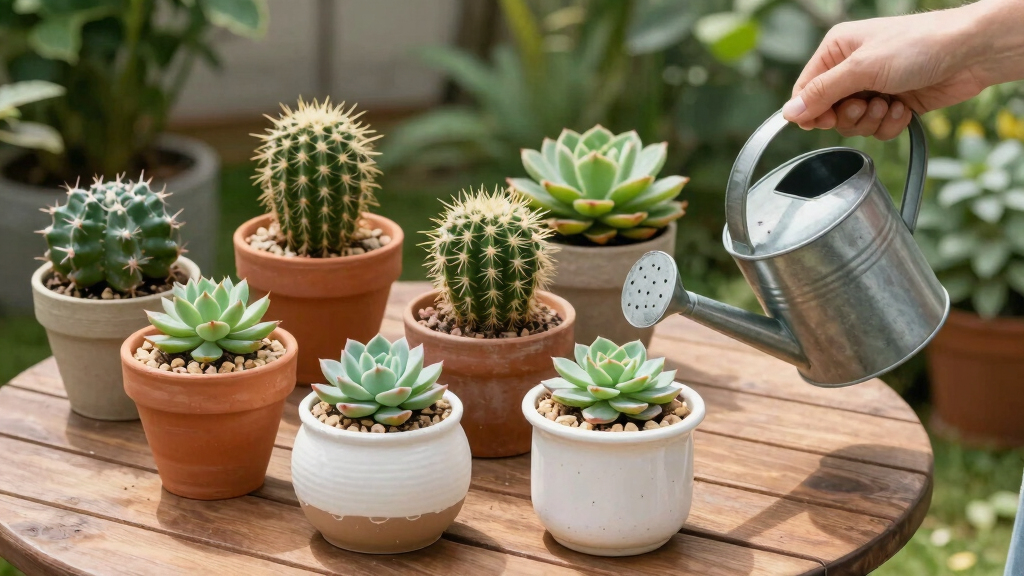
Cacti and succulents in pots generally need watering once a month during their active season and much less during dormancy. Always check soil dryness first, use well-draining soil, and avoid overwatering to prevent root rot.
Always check soil moisture before watering—wait until it’s completely dry.
Reduce watering frequency during dormancy—sometimes just once every 2-3 months.
Use well-draining soil and pots with drainage holes to prevent root rot.
In hot weather, watering once a month often suffices; in cooler months, even less.
Consider smart moisture sensors or drip systems for precise watering control.
Watering Cactus and Succulents in Pots: Monthly, Weekly or Never
Less really is more. Most potted cacti and succulents need a deep drink only after their soil has dried completely—often monthly in active growth and far less during dormancy.
Monthly is a baseline—not a deadline.
Temperature, light, humidity, pot material and soil all change how quickly moisture disappears. Check dryness first, then adjust the interval to the plant’s real environment.
Active growth
Every 3–4 weeksFor many indoor plants, one thorough monthly watering is sufficient. Allow the mix to become completely dry before repeating.
Fast drying
Every 2–3 weeksOutdoor heat, strong sun, small pots and terracotta can accelerate drying. Check more often—but water only if fully dry.
Dormancy
Every 2–3 monthsCooler temperatures and slower growth reduce demand. Some plants need almost no winter water in cool conditions.
Too much water moves faster than too little.
Succulents store reserves in their tissues. Drought stress usually develops gradually; waterlogged roots can lose oxygen, rot and decline quickly.
Soft, dark, unstable
Shriveled, pale, light
Drainage determines the schedule.
A gritty mix and an open drainage hole let roots breathe after watering. Dense soil and sealed containers turn a modest drink into prolonged saturation.
| Setup | Drainage | Moisture retention | Watering effect | Verdict |
|---|---|---|---|---|
| Terracotta + gritty mix | Fast | Low | Dries predictably; check sooner | ✓Best control |
| Ceramic + drainage hole | Moderate | Moderate | Reliable if excess drains freely | ✓Good choice |
| Glazed or plastic pot | Slower | Higher | Extend the interval between drinks | ~Watch closely |
| No drainage hole | Blocked | Very high | Water pools around roots | ✗Avoid |
| Dense general potting soil | Slow | Very high | Stays wet below the dry surface | ✗Rot risk |
Ideal mix / cactus soil amended with coarse sand, perlite or pumice
Soak, then escape
Pour slowly over the soil until water exits the drainage hole. Empty the saucer so the pot never sits in runoff.
Absorb, then drain
Stand the pot in shallow water for 15–20 minutes, remove it and let excess moisture drain completely.
Five checks before every drink.
This sequence connects season, soil, plant symptoms and drainage. If any wet-soil warning appears, stop and wait.
Use technology to confirm—not override—the plant.
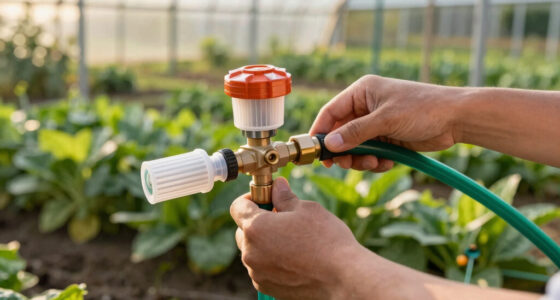
Moisture sensors, alerts and carefully configured drip systems can reduce guesswork, especially for large collections. Manual observation remains essential because readings vary by soil composition and sensor placement.
Moisture sensor
Automated drip
Why Overwatering Kills Your Cacti and Succulents (And How to Spot It)
Watering too often is the biggest mistake you can make with these desert plants. They store water in their tissues, so they don’t need daily drinks. Overwatering leads to soft, rotting roots that quickly take down even the toughest-looking succulents. If your plant’s stem feels mushy or turns dark, it’s a sign you’ve gone overboard.
Imagine a cactus with a rotting base—water sat too long in the soil. That’s a recipe for fungal infections and plant death. The key is to let the soil dry completely between waterings, especially in cooler months or indoor settings.
This is crucial because roots need oxygen to stay healthy. Excess moisture creates an anaerobic environment that encourages root rot and fungal pathogens. The tradeoff is that if you wait too long, the plant may become stressed from drought, leading to shriveled tissue and slowed growth. Finding the right balance means understanding your plant’s environment and adjusting watering accordingly.
As an affiliate, we earn on qualifying purchases.
How Often Should You Water? The Simple Seasonal Rule
Most cacti and succulents need watering roughly once a month during their active growing season—spring and summer. During winter dormancy, cut back to every 2-3 months or even less. Think of it as their internal clock: they’re wired to survive dry spells, not constant rain.
For example, a thriving aloe or jade plant outdoors in July might get a deep soak every 3-4 weeks. When temps drop in December, they might not need water for 8-10 weeks. Adjust based on your climate, pot type, and how quickly the soil dries.
This schedule matters because it aligns with the plant’s natural growth cycle and environmental cues. Overwatering during dormancy can lead to root rot, while underwatering during active growth can cause dehydration stress. The tradeoff involves understanding your specific conditions—some climates dry out faster, requiring more frequent checks, while others retain moisture longer. Striking this balance ensures healthy development without risking disease or drought stress.
As an affiliate, we earn on qualifying purchases.
The Best Way to Check if Your Plant Needs Water
Before watering, always test the soil. Stick your finger about 2 inches down—if it feels dry, it’s time to water. If it’s still moist, wait a few more days. Using a moisture meter can help, but a simple finger test works fine in most cases.
Picture this: you lift a pot and feel the weight. A dry, lightweight pot signals it’s time for a drink. Conversely, a heavy, damp pot means the soil still holds plenty of water.
This method is effective because it provides a tactile sense of soil moisture, which can be more reliable than visual cues. The tradeoff is that finger testing might be less precise if the soil surface dries quickly but deeper layers remain moist, or vice versa. Using a moisture meter can give a more accurate reading but adds cost and complexity. Understanding these nuances helps you avoid both underwatering and overwatering, leading to healthier plants.
soil moisture sensor for succulents
As an affiliate, we earn on qualifying purchases.
As an affiliate, we earn on qualifying purchases.
Choosing the Right Soil and Pot to Minimize Watering
Use well-draining soil mixes designed for cacti and succulents—think coarse sand, perlite, or pumice blended into potting soil. This prevents water from lingering and roots from rotting.
Pair this with pots that have drainage holes—ceramic or terracotta are excellent options. These materials wick moisture away and allow excess water to escape, keeping roots healthy.
For example, a clay pot with a gritty soil mix dries out faster than a glazed ceramic pot with dense, moisture-retentive soil. That’s a big help in reducing watering frequency.
Choosing the right soil and container means you’re creating an environment where excess water can escape quickly, reducing the risk of root rot. The tradeoff is that faster-draining soils may require more frequent watering, but the overall health benefits outweigh this. Proper drainage and soil composition are essential for minimizing watering needs and ensuring long-term plant vitality.
As an affiliate, we earn on qualifying purchases.
Watering Techniques: Top-Down or Bottom? Which Is Better?
Both methods work, but bottom watering can be gentler and reduces the risk of over-soaking leaves or stems. Simply fill a saucer with water and let the pot soak up moisture for 15-20 minutes.
Top watering is more common—just pour water until it drains out the bottom. Always make sure excess can escape to prevent soggy roots.
Imagine watering a succulent sitting in a shallow dish of water—this method ensures deep, even moisture without overdoing it.
Choosing between these methods depends on your plant’s needs and your setup. Bottom watering minimizes surface moisture, reducing fungal risks and leaf rot, especially in crowded or humid environments. Top watering is quicker but requires careful monitoring to avoid overwatering. Both techniques, when done correctly, support healthy roots and prevent water-related issues. The tradeoff involves convenience versus control—bottom watering can be more precise but takes longer, while top watering is faster but demands vigilance.
Recent Advances Make Watering Easier and Safer
Today, many gardeners use moisture sensors and automated drip systems specifically tailored for succulents. These tools help you water only when needed—no guesswork involved.
Research also shows that soil mixes with added grit or sand improve drainage, reducing the need for frequent watering. Plus, new container designs with better drainage features keep plants dry and healthy.
For example, a smart moisture sensor in a cactus pot can alert you when the soil hits the perfect dryness point, saving you from accidental overwatering.
These innovations are significant because they reduce the risk of human error and help maintain optimal moisture levels, especially for busy gardeners or those new to succulents. The tradeoff is the initial investment in technology, but the long-term benefits include healthier plants and less stress over watering schedules.
What Happens If You Water Too Much or Too Little?
Overwatering causes soft, yellowing stems, root rot, and, eventually, plant death. Underwatering, on the other hand, leads to shriveled, wilted leaves and dry, brittle stems. Both extremes stress your plants and stunt their growth.
A good example: a succulent that’s been underwatered for months will look shriveled and pale, but a plant overwatered for a week might have blackened roots and a mushy base.
Understanding these symptoms helps you catch problems early. Overwatering often results in a soggy, foul-smelling soil, indicating root decay. Underwatering manifests as dry, shrunken leaves and a loss of turgor. Recognizing these signs allows you to adjust your watering practices promptly, preventing long-term damage and promoting recovery.
Frequently Asked Questions
How often should I water my cactus or succulent?
Generally, once a month during active growing months and much less during winter dormancy. Always check soil moisture first to avoid overwatering.
Can I overwater my succulents?
Yes, overwatering is the main cause of succulent death. Ensure soil dries out completely between waterings to keep roots healthy.
What signs show I’m watering too much or too little?
Overwatered plants become soft, discolored, and may rot at the base. Underwatered succulents look shriveled, dry, and wilted. Watch for these signals to adjust your watering habits.
Should I water more in summer or winter?
More frequently in summer when plants grow actively, and less in winter when they go dormant. Always check soil dryness first.
What’s the best soil for watering less often?
Use a well-draining mix with sand, pumice, or perlite, and select pots with drainage holes. This setup helps prevent excess moisture and root rot.
Conclusion
Less watering is almost always better for cacti and succulents. Think of them as plants that thrive on neglect—watering only when their soil is bone dry keeps them happy and healthy. Keep an eye on soil, adjust seasonally, and resist the urge to overdo it. Your desert plants will thank you with vibrant growth and resilience.Fall Picks
fall essentials
As an affiliate, we earn on qualifying purchases.