
TL;DR
Young citrus trunks face sunburn, frost, and mechanical damage. Paints reflect heat, wraps provide physical barriers, and shade reduces stress—using a tailored mix boosts survival and growth.
Young citrus trees are like babies—fragile and needing protection. Without it, the brutal sun, sudden frosts, or careless handling can stunt growth or kill them outright. Protecting the trunk during those first critical years isn’t just smart; it’s essential.
Using paint, wraps, or shade—sometimes all three—can make the difference between a thriving orchard and a bunch of scrappy, sunburned saplings. But which method works best in your desert garden? Let’s break down what each does well, what it costs, and how to use it effectively.
Start protecting your citrus trunk as soon as the tree is planted—early defense matters.
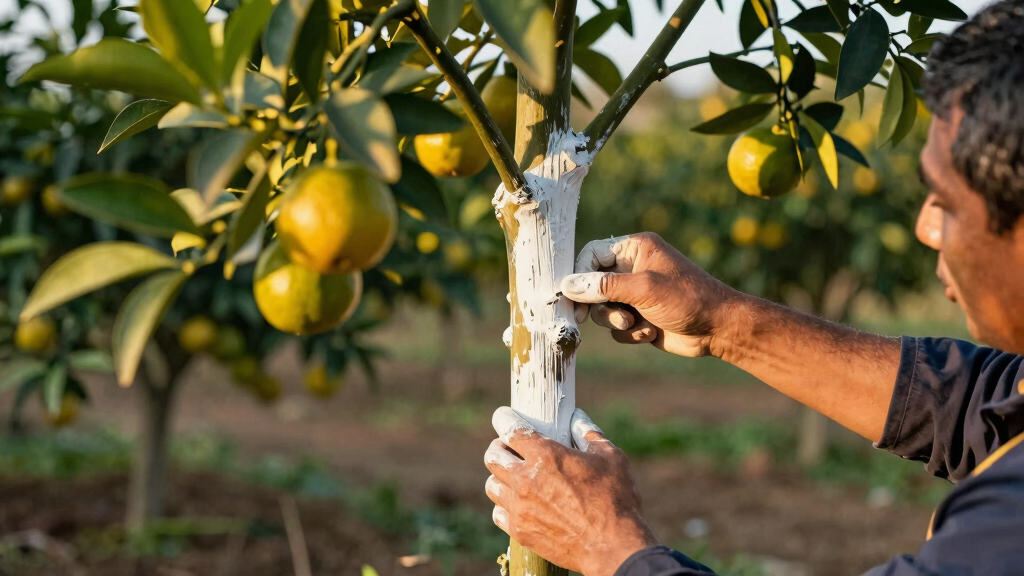
A white reflective trunk paint can cut trunk temperature by up to 15°F, reducing sunburn risk.
Breathable, UV-resistant wraps protect against mechanical damage and frost without trapping moisture.
Shade cloths offer flexible protection but should be used carefully to avoid over-shading young trees.
Combining protection methods—paint plus shade or wraps—provides the best defense in desert climates.
Protecting Young Citrus Trunks: Paint, Wraps and Shade Compared
Young citrus trunks face a three-way threat: scorching sun, sudden frost and physical injury. Paint reflects heat, wraps form a protective barrier and shade reduces environmental stress. A tailored combination gives fragile trees the strongest start.
Why a young trunk needs serious protection
The trunk is the tree’s structural and vascular backbone. Early bark damage can open entry points for pests and disease, interrupt growth and reduce the tree’s productive life.
Sunburn
Intense light overheats tender bark, causing cracking, dieback and long-term vulnerability—especially on the south and west sides.
Frost
Rapid temperature drops can kill young tissue, leaving blackened, brittle bark and permanently distorted growth.
Mechanical damage
Mowers, trimmers, animals and careless handling can wound bark and create fast routes for infection.
Paint, wraps or shade?
No single method wins every category. Match protection to the tree’s dominant risk, then layer methods where climate extremes overlap.
| Method | Best for | Sun defense | Frost defense | Physical barrier | Maintenance & limitations |
|---|---|---|---|---|---|
| Paint | Sunburn-prone trunks | ✓ Strong | ✗ Low | ✗ Low | Inspect annually. Use white latex or citrus-safe reflective paint; avoid thick or oil-based coatings. |
| Wraps | Frost and impact risk | ~ Medium | ✓ Strong | ✓ Strong | Check every few months for moisture, wear and constriction. Breathable, UV-resistant material is essential. |
| Shade | High heat and UV stress | ✓ Strong | ✗ Low | ~ Medium | Adjust seasonally. Excess density or poor placement can reduce the light needed for healthy growth. |
Protection profile
Shade-cloth sweet spot
Protect the trunk from day one
Begin when the tree is planted. Early defense prevents bark damage that cannot simply be reversed later.
Reflect the heat
Apply white latex or commercial citrus-safe trunk paint within the first few months. Cover the full trunk, with special attention to the south and west faces.
Reassess each yearAdd a barrier
Where frost, animals or equipment are concerns, install a breathable UV-resistant wrap. Keep it secure but never tight enough to restrict growth.
Inspect every few monthsControl exposure
Use 30–50% shade cloth or a portable canopy during the hottest months. Keep material clear of the trunk and adjust it as weather changes.
Remove when conditions coolAvoid protection that causes new damage
Most failures come from the wrong material, excessive tightness or skipped inspections—not from the basic protection strategy itself.
Using oil-based or overly thick paint
Impermeable coatings can trap moisture against bark, encouraging mold and decay.
Wrapping the trunk too tightly
A snug plastic wrap can retain humidity and girdle the expanding trunk.
Skipping routine inspections
Storm damage, mold and material wear can progress quickly between checks.
Blocking too much sunlight
Heavy or dense shade cloth can slow growth and weaken natural defenses.
Choose by risk, then combine
Protection should change with climate, season and tree growth. The best plan is specific enough to address today’s risk and flexible enough to avoid tomorrow’s problem.
- At planting: inspect the bark and apply suitable reflective paint before intense exposure begins.
- Before summer: position 30–50% shade cloth without rubbing the trunk or heavily shading the canopy.
- Before frost: add breathable insulation where cold events threaten tender bark.
- Every few months: check wraps for moisture, wear, pests and constriction.
- After storms: inspect all barriers, supports and paint coverage immediately.
- As the tree grows: loosen, replace or remove materials so protection never restricts expansion.
Why Your Citrus Trunk Needs Serious Protection (And How Sun, Cold, and Damage Hit Hard)
Think of your young citrus trunk as the tree’s backbone—crucial for stability and growth. In desert zones, sunburn can crack the bark, leading to infections or pest invasions. Frost can turn tender bark into brittle, blackened tissue that never heals.
Mechanical injuries—like mower blades or animal gnaws—also threaten young trees. Without a sturdy trunk, the whole tree’s future is at risk. Protecting it early means fewer setbacks and more fruit-bearing years down the line.
Understanding why these threats are so damaging helps you prioritize your protection strategy. Sunburn weakens the bark, making it susceptible to disease; frost damage can kill tissue outright, stunting growth or causing deformities; mechanical injuries can introduce infections that spread rapidly. Each of these stresses not only risks immediate damage but can compromise the entire tree’s health long-term, leading to reduced yields or early death. Therefore, choosing appropriate protection methods involves assessing the specific threats in your environment and understanding that a well-protected trunk is the foundation for healthy, productive citrus trees.
As an affiliate, we earn on qualifying purchases.
Paint, Wraps, or Shade? The Pros and Cons of Each Method
| Method | Best For | Advantages | Limitations & Implications |
|---|---|---|---|
| Paint | Sunburn-prone areas | Reflects heat, reduces bark temperature, easy to reapply, inexpensive over time | Requires annual reapplication; overuse or improper application can trap moisture, leading to mold or decay. The choice of paint matters—latex or commercial citrus paint are safer options, but some cheap or oil-based paints can cause more harm than good. |
| Wraps | Mechanical damage & frost protection | Provides a physical barrier, insulates against cold, can be durable if chosen correctly | Must be installed correctly—loose enough to avoid constriction but snug enough to stay in place. Poorly maintained wraps can trap moisture, leading to mold, rot, or girdling. Regular checks are essential to prevent unintended damage. |
| Shade | High heat & UV stress | Reduces overall stress, allows natural cooling, adjustable based on weather | Less effective in cooler climates or during cold snaps; improper setup can cause over-shading, which hampers growth. Proper shading density (around 30-50%) and placement are key to maximizing benefits without unintended side effects. |
As an affiliate, we earn on qualifying purchases.
How to Protect Your Young Citrus Trunk in 3 Easy Steps
- Apply a reflective trunk paint—white latex or commercial citrus-safe options—within the first few months after planting. Cover the entire trunk, especially the south and west sides where sun hits hardest. This step is crucial because early application can prevent sunburn that weakens the bark and makes the tree vulnerable to pests and diseases later on.
- Install a breathable, UV-resistant wrap around the trunk if mechanical damage or frost is a concern. Check it every few months for mold or wear, and replace if needed. Proper installation prevents moisture buildup, which can cause mold or rot, and ensures the wrap doesn’t constrict growth.
- Set up shade cloths or a portable canopy during the hottest months. Attach loosely to prevent damage, and remove when temperatures drop or weather shifts. This provides immediate relief from intense heat, helping the tree maintain healthy growth and preventing stress-related issues that can stunt development.
shade cloth for young citrus trees
As an affiliate, we earn on qualifying purchases.
As an affiliate, we earn on qualifying purchases.
Why Combining Methods Packs the Biggest Punch
Research indicates that using a mix—like painting the trunk white and providing shade—can cut heat stress by up to 15°F. This combo keeps the bark cooler, reduces sunburn, and guards against frost and mechanical injuries all at once.
Implementing multiple protection strategies addresses the multifaceted nature of environmental stressors. For example, in a desert garden, applying reflective paint and then draping shade cloths during peak summer heatwaves has been shown to significantly improve tree health. The trees experience less stress, recover faster from extreme conditions, and produce higher-quality fruit. By understanding the tradeoffs—such as the need for regular maintenance or potential shading overgrowth—you can tailor your protection plan to your specific climate and orchard management goals. Combining methods isn’t just about layering for the sake of it; it’s about creating a synergy that enhances overall resilience and productivity in challenging environments.
frost protection for citrus trunks
As an affiliate, we earn on qualifying purchases.
As an affiliate, we earn on qualifying purchases.
Avoid These Common Mistakes When Protecting Citrus Trunks
- Overpainting or using thick, oil-based paints that trap moisture, leading to increased risk of mold and bark decay. For example, a grower who used oil-based paint found that mold developed under the coating, weakening the trunk. The tradeoff here is that while paint can be very effective, improper selection or application can introduce new problems, so understanding product labels and proper techniques is essential.
- Wrapping too tightly—this can suffocate the trunk and trap humidity, fostering mold and rot. A common mistake is using plastic wraps that are too snug, which can cause girdling or constriction, especially as the trunk grows. Regular checks and proper sizing help prevent long-term damage.
- Ignoring regular inspections—damage or mold can develop rapidly, especially after storms or heavy rain. Setting reminders to check wraps and paint can prevent long-term issues. Developing a routine inspection schedule ensures early detection of problems, saving time and resources.
- Using shade cloths that block too much light or are too heavy for young trees. For example, dense fabrics might reduce necessary sunlight, hampering growth and weakening the tree’s natural defenses. Understanding the appropriate shading density and adjusting as the tree matures helps optimize growth and stress reduction.
Frequently Asked Questions
Which protection method is best for my citrus trees—paint, wraps, or shade?
It depends on your climate and risks. In hot, sunny areas, a reflective paint plus shade cloth works well. In cooler or frost-prone zones, adding wraps for insulation makes sense. Often, a combination offers the most reliable protection. Evaluate your environment’s specific challenges and consider integrating multiple methods to create a comprehensive protection plan tailored to your orchard’s needs.
Are trunk paints safe for edible citrus and the environment?
Yes, many commercial trunk paints are formulated to be non-toxic and safe for citrus trees. Always choose products labeled for use on edible crops and apply according to instructions, wearing gloves and a mask to avoid inhalation. Confirming the product’s safety ensures you don’t inadvertently introduce chemicals that could affect fruit quality or environmental health.
How often should I reapply paint or check wraps?
Reapply trunk paint once a year or as needed after heavy rain or wind. Regularly inspect wraps every 3-4 months for mold, tears, or mold buildup, replacing them if necessary. Consistent maintenance prevents long-term damage and ensures the protection remains effective throughout the vulnerable early years of growth.
Can shade cloths harm young citrus trees?
If used at the right density—around 30-50% shade—they help reduce heat stress without depriving the tree of essential sunlight. Proper placement and tension are crucial; avoid overly dense or heavy fabrics that can cause over-shading or heat buildup underneath. Adjust shading based on seasonal needs to optimize growth and stress reduction.
When should I start protecting young citrus trunks?
Protection should begin as soon as the trunk is sturdy enough—usually within the first year after planting. Early defense helps prevent sunburn, frost damage, and mechanical injuries that stunt growth. Establishing a protection routine early on creates a strong foundation for healthy development and future productivity.
Conclusion
Your young citrus trees depend on you to shield them from the harsh desert sun, cold snaps, and careless bumps. Using a mix of reflective paint, wraps, and shade cloths ensures they stay healthy and grow strong.
Think of protection as giving your trees a gentle, constant hug—making sure they face the world with a sturdy trunk and a bright future.