
TL;DR

Get garden gear delivered free — and shop member deals
- Fast, free delivery on millions of items
- Access to Prime Big Deal Days deals on October 6–7
- Prime Video, Amazon Music and more included
Frost cloths are lightweight fabrics that trap heat and shield plants from frost. Proper installation, timing, and material choice can prevent cold damage and extend your growing season in low-desert winters.
Winter nights in the low desert can turn cold fast, sometimes dropping below freezing when you least expect it. Your plants, especially young or tender ones, are vulnerable to frost and cold damage. But with the right frost cloth, you can keep those plants safe and extend your growing season.
This guide covers everything you need to know—what frost cloths are, how to use them, and tips for making the most of this simple, water-wise protection. Protecting your garden during cold snaps doesn’t mean heavy, complicated gear. Sometimes, a light piece of fabric is all you need to keep your plants happy through the chilly desert nights.
Choose breathable, UV-resistant frost cloth in 30-60% light transmission for best protection.
Install before temperatures hit freezing, securing edges tightly to prevent wind damage.
Remove frost cloth in the morning to avoid overheating and moisture buildup.
Use watering as an insulation trick—soil holds heat longer if you water plants before cold nights.
Regularly inspect and care for your frost cloth to prolong its lifespan and effectiveness.
What is a frost cloth, and why does it work in low desert winters?
A frost cloth is a lightweight, breathable fabric designed to trap heat and prevent frost from settling on plants. Made from spun-bonded polypropylene or polyester, they let air and moisture escape while holding warmth close to your plants.
In low desert winters, temperatures can plummet suddenly—often dropping 10°F or more overnight. Frost cloths act like a cozy blanket, raising the immediate environment’s temperature by 3-8°F, according to Gardener AZ. That small bump can be the difference between a healthy plant and a frostbitten wreck.
Imagine a small, fuzzy blanket wrapped around your tomato seedlings on a frosty night—yet it’s breathable enough to prevent mold or moisture buildup. That’s the magic of a good frost cloth.
As an affiliate, we earn on qualifying purchases.
How to choose the right frost cloth for your desert garden
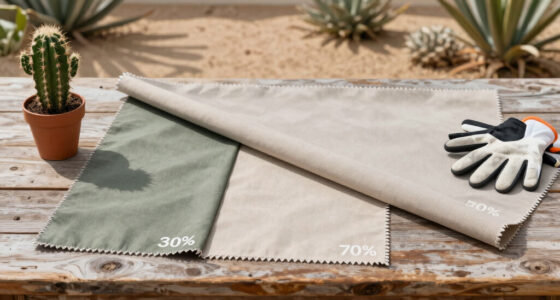
Not all frost cloths are created equal. In low desert conditions, you want a fabric that balances protection with light transmission. Look for materials labeled 30-60% light transmission—more protection means thicker fabric, but too dense can block sunlight.
For example, Gardener AZ recommends a 60% light transmission fabric for most vegetables and delicate plants—it offers good insulation without sacrificing too much sun.
When shopping, consider:
- Durability: UV-resistant and tear-proof fabrics last several seasons.
- Breathability: Ensures moisture escapes, preventing mold.
- Size and fit: Measure your plant beds carefully, or craft DIY covers with breathable fabric cut to size.
Choosing the right frost cloth matters because it directly impacts your plant’s health and growth. A fabric that’s too dense might protect from cold but also block essential sunlight, which can stunt growth or cause plants to become leggy. Conversely, a fabric that’s too thin may not provide enough warmth, risking frost damage. Balancing these tradeoffs is key—opt for materials that offer sufficient protection while maintaining good airflow and light transmission.
UV-resistant garden frost protection fabric
As an affiliate, we earn on qualifying purchases.
As an affiliate, we earn on qualifying purchases.
Step-by-step: How to install frost cloth for cold desert nights
- Check the weather forecast. When temperatures are predicted to dip below 32°F, it’s time to prepare.
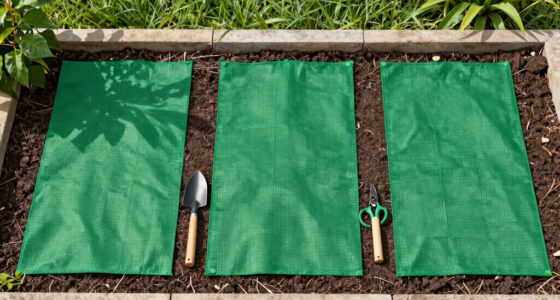
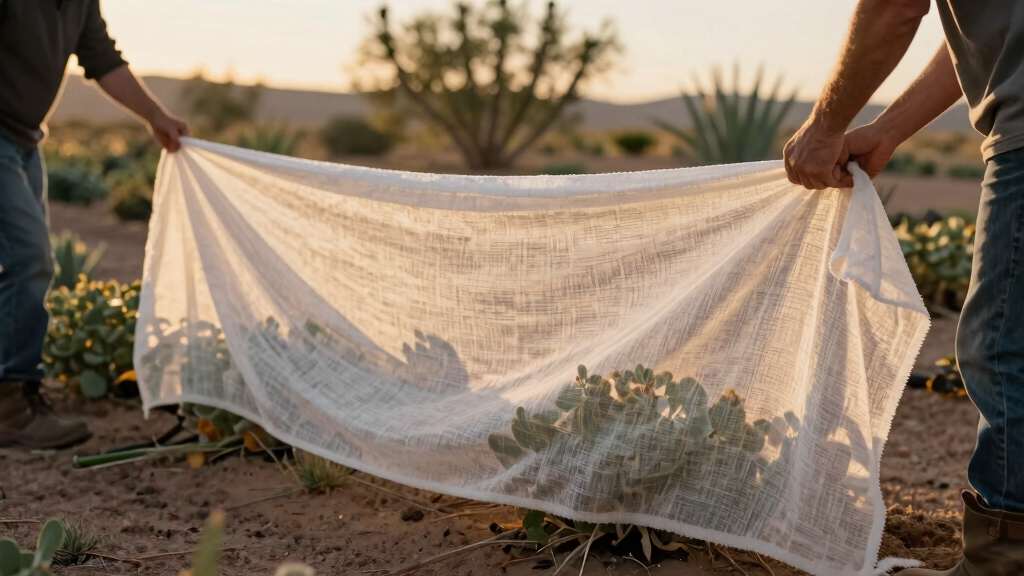
- In the late afternoon or early evening, gently drape the frost cloth over your plants. Avoid dragging or tearing the fabric.
- Secure the edges with stakes, bricks, or heavy objects—make it taut but not overly stretched.
- Ensure there are no gaps or loose corners where cold air can seep in.
- Remove the cloth early the next morning once temps rise above freezing, to prevent overheating and moisture buildup.
This simple process helps trap enough heat without smothering the plants or trapping excess moisture that can cause rot.
As an affiliate, we earn on qualifying purchases.
Common mistakes and how to avoid damaging your frost protection
One big mistake? Leaving the frost cloth on all day during winter. It blocks sunlight and can cause overheating or mold. Always remove it once temperatures go above freezing.
Another slip-up is not securing the edges well. Loose cloth can flap in the wind, tearing or exposing plants to cold. Use enough stakes or weights, and keep the fabric snug.
Too thick or dense fabric can trap too much moisture, leading to fungal issues. Stick to breathable fabrics and ventilate if you notice condensation or fogging inside.
Lastly, don’t cover fragile or small plants too tightly—give them some room to breathe and grow.
Understanding these common mistakes is crucial because improper use of frost cloth can do more harm than good. For instance, leaving it on during the day might seem protective but can trap heat and moisture, creating a humid microclimate conducive to mold and disease. Securing edges tightly prevents wind damage but over-tightening can stress the fabric and damage plants. Recognizing and avoiding these pitfalls ensures your frost protection is both safe and effective, preserving plant health through the coldest nights.
As an affiliate, we earn on qualifying purchases.
Comparison table: Frost cloths vs. other winter plant protectors
| Protection Method | Pros | Cons |
|---|---|---|
| Frost cloth | Lightweight, breathable, reusable, easy to install | Less effective in heavy rain or snow, needs removal during day |
| Plastic sheeting | Blocks cold completely, cheap | Traps moisture, causes mold, reduces airflow, not breathable; can create a greenhouse effect if left on too long, leading to overheating and plant stress |
| Old blankets or bedsheets | Cheap, readily available, provides decent insulation | Less durable, can retain moisture, not designed for outdoor use; risk of mold and damage in prolonged exposure |
| Thermal blankets | High insulation, easy to handle | Expensive, not breathable, can cause overheating during the day, and may trap moisture if not ventilated |
Tips for caring for your frost cloth and extending its life
To get the most out of your frost cloth, handle it gently. When removing, fold it neatly and store in a dry place.
Wash with mild soap and cold water if it gets dirty—avoid harsh chemicals that can weaken the fabric.
Inspect for tears or holes regularly. Small rips can be sewn or patched to keep the fabric functional for seasons.
Avoid leaving it out in heavy rain or snow for long periods—excess moisture can degrade the fabric faster. Proper storage during off-season prolongs its usability and maintains its protective qualities.
With proper care, your frost cloth can last several winters, protecting your plants through many cold spells.
When and why you should combine frost cloth with other protection tricks
Frost cloth alone can often handle mild cold snaps. But when temperatures plunge below 28°F, adding extra layers or heat sources becomes critical. These additional measures provide a safety net for especially vulnerable plants.
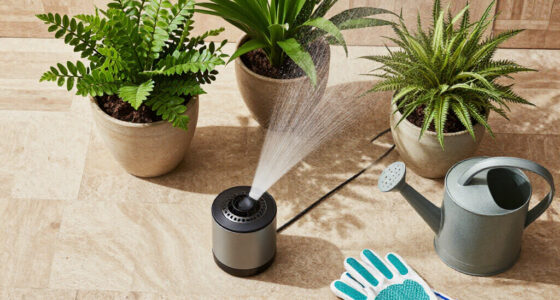
For instance, watering your plants in the evening adds thermal mass—moist soil retains heat longer, creating a warmer microenvironment. Covering with frost cloth traps that stored warmth overnight, effectively buffering against extreme cold.
Using small, low-voltage heaters or thermal blankets can be a game-changer during the coldest nights, especially for sensitive or young plants that can’t tolerate even brief frost exposure. These tools generate gentle heat, reducing the risk of frost damage.
Always remember to remove these supplemental heat sources during the day to prevent overheating or dehydration. Combining frost cloth with other tricks creates a layered defense, making your garden more resilient against unpredictable desert winter nights, where temperatures can vary rapidly and unexpectedly.
Frequently Asked Questions
How early should I put on frost cloth in a low-desert winter?
Put it on when forecasted lows fall below 32°F, but keep an eye on local weather reports—sometimes frost hits even earlier than expected.Can I leave frost cloth on plants during the day if it’s still cold?
It’s best to remove it once temperatures rise above freezing. During the day, it can block sunlight and cause overheating or mold, especially in mild winter days.What’s the best way to secure frost cloth so it won’t blow away?
Use stakes, bricks, or heavy weights around the edges. Taut but not overstretched works best—tight enough to prevent flapping but gentle on the fabric.Is plastic sheeting better than frost cloth?
Plastic blocks cold completely but traps moisture, leading to mold and damage. Frost cloth is breathable and safer for plants, especially in low desert winters.How long can I leave frost cloth on plants?
Typically overnight—remove it in the morning once temperatures are safely above freezing to prevent overheating and moisture issues.Conclusion
Frost cloths are your best friend when winter nights dip into the freezing zone. A simple, well-placed piece of fabric can mean the difference between a thriving plant and a frostbitten loss. Remember, timing and proper installation make all the difference.
So next chilly night, grab your frost cloth, secure it well, and relax. Your desert garden will thank you come spring.
Fall Picks
fall essentials
As an affiliate, we earn on qualifying purchases.