TL;DR

Get garden gear delivered free with Prime
- Fast, free delivery on millions of items
- Prime Video, Amazon Music and more included
- Member-only deals all year
Frost cloth weight is the key to protecting bougainvillea at 28°F. Heavier fabrics (1.5 oz/yd² and above) or layering can add 6–10°F of protection, often enough to prevent damage. Proper sealing and soil heat retention boost survival chances in cold snaps.
When temperatures plunge to 28°F, a delicate tropical vine like bougainvillea faces serious risk. A light frost cloth might seem like enough, but it often isn’t. You need real weight, real protection.
This guide breaks down exactly what frost cloth weight you need, how to use it, and what tricks can boost your plant’s chances of bouncing back from a deep freeze. No fluff — just what works in the desert heat and cold.
Choose frost cloth rated at 1.5 oz/yd² or heavier for real protection at 28°F.
Layer lightweight fabrics to boost insulation and add 2–4°F of protection per layer.
Seal the edges of your frost cloth with soil or bricks to trap heat and block cold air.
Deep watering before a freeze helps soil hold and release more heat, protecting roots.
Extra tricks like lights and soil mounding can give your bougainvillea a survival edge.
Why Frost Cloth Weight Matters More Than You Think
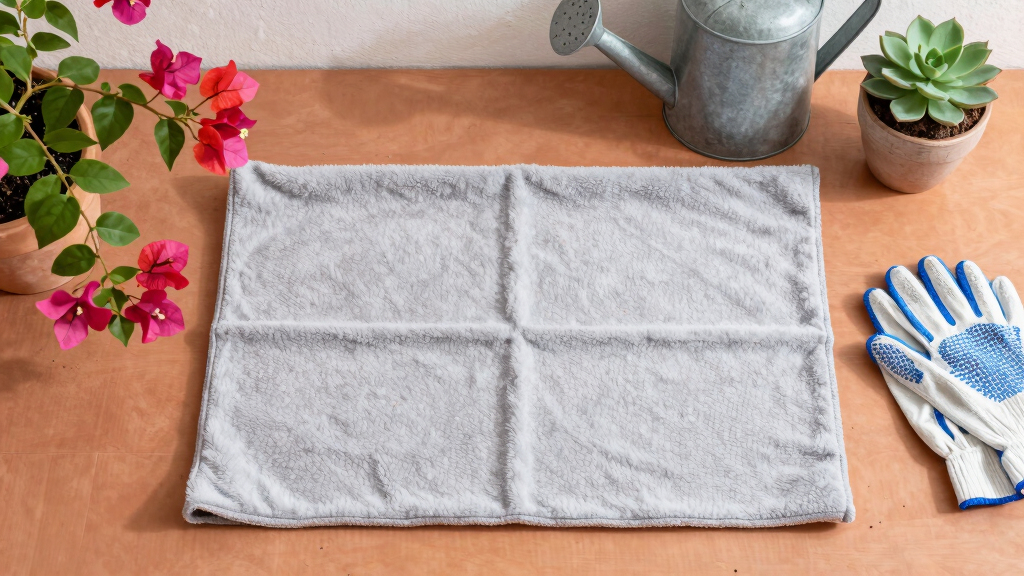
Frost cloth is rated in ounces per square yard (oz/yd²). That number isn’t just a label — it’s your plant’s armor against freezing temperatures. 0.5–0.55 oz/yd² is lightweight. It’s great for insects and light frost, but won’t stop a 28°F night.
For real protection, you want at least 1.5 oz/yd². That heavyweight fabric can add up to 6–10°F of frost protection. Think of it as a warm blanket that traps heat radiating from the soil, especially if you seal the edges well.
Layering matters, too. Doubling a 1-oz fabric can bump protection by an extra 2–4°F. That might be enough to keep your bougainvillea safe during a cold snap.
Understanding these differences is crucial because choosing insufficient fabric weight can give a false sense of security. Lightweight fabrics may seem protective, but under a 28°F night, they often fail to prevent damage. Conversely, heavier fabrics require more effort to set up but significantly increase your plant’s survival odds. Layering offers a flexible, cost-effective way to adapt protection based on specific weather forecasts, giving you control over how much heat retention you achieve.
As an affiliate, we earn on qualifying purchases.
How to Pick the Right Frost Cloth for a 28°F Night
- Check the fabric’s oz/yd² rating — go for 1.5 oz or heavier.
- Layer if you have lighter fabric — two layers of 1 oz can outperform a single layer of 2 oz.
- Seal the edges with soil, bricks, or landscape pins to trap heat.
- Cover all the way to the ground — don’t leave gaps that let cold air in.
- Secure the cover tightly against wind, especially in open areas.
Choosing the right frost cloth isn’t just about meeting a minimum weight; it’s about understanding how much heat it can trap and retain. For example, a fabric rated at 0.55 oz/yd² might seem sufficient, but if cold weather is forecasted, doubling that layer or upgrading to a 1.5 oz/yd² material can make a critical difference. This isn’t just about preventing frostbite—it’s about giving your bougainvillea a fighting chance to survive the cold without damage. Heavier fabrics are more effective because they provide a denser barrier that better insulates and retains warmth. Layering offers flexibility—if you’re short on heavy fabric, layering lightweight fabrics can still reach the protection level needed for 28°F. Proper sealing is equally vital; gaps can let in cold air and compromise your plant’s defenses, so take the time to secure the edges thoroughly. Remember, the goal is to create a microclimate that traps as much heat as possible, mimicking the natural warmth of summer nights.
As an affiliate, we earn on qualifying purchases.
Sealing the Cloth: Why It’s the Secret to Success
Frost cloth works best when it traps heat. That means it must touch the soil or be sealed against it. Just draping it over the plant isn’t enough.
Use soil, bricks, or landscape pins to seal the edges. This prevents cold air from sneaking in and heat from escaping.
Picture this: a bougainvillea with a snug cloth sealed around its base, sitting on moist soil. The moisture holds more heat, giving your plant a few extra degrees of warmth during the long, cold night.
Remember, plastic sheeting isn’t a good substitute. It conducts cold and traps condensation, which can damage plants.
Sealing the frost cloth effectively turns it into a thermal barrier. Any gaps or loose edges allow cold air to enter, rapidly cooling the plant and undermining your protection efforts. Especially at 28°F, even small leaks can mean the difference between survival and damage. Ensuring a tight seal around the base and edges traps the warm air close to the plant and reduces heat loss, maximizing the insulating effect of your fabric. This step is often overlooked but is critical for cold nights—think of it as creating a cozy cocoon for your bougainvillea that keeps the cold out and warmth in.
As an affiliate, we earn on qualifying purchases.
Soil and Water: Your Hidden Freeze Allies
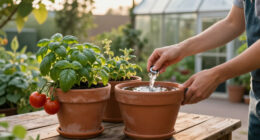
Deep watering before a freeze isn’t just good garden practice — it’s science. Moist soil stores and releases heat better than dry soil, helping your bougainvillea stay warmer through the night.
If you’re expecting a cold snap, water deeply a day before. A well-moistened bed can add 2–4°F of protection during a radiative freeze.
For example, in a recent cold spell, gardeners who soaked their beds saw less damage. The moist soil acted like a heat battery, slowly releasing warmth as the night wore on.
Don’t overdo it with watering — too much water can lead to other issues. Just enough to keep the soil moist, not soggy.
Understanding the role of soil moisture helps you leverage natural heat retention. Moisture in the soil acts like a thermal buffer, absorbing heat during the day and slowly releasing it during cold nights. This process can be the difference between a plant surviving or succumbing to frost. However, overwatering can cause root rot or other problems, so balance is key. The goal is to keep the soil consistently moist—not waterlogged—to maximize heat retention without creating new vulnerabilities. Incorporating soil moisture management into your cold weather strategy enhances your protection efforts, making your plants more resilient during unexpected freezes.
As an affiliate, we earn on qualifying purchases.
Extra Tricks: Lights, Mulch, and Moving Your Plants
Want to boost your bougainvillea’s chances? Add a string of old-fashioned Christmas lights under the frost cloth. The tiny heat they generate can raise temperatures by 3–5°F.
Mulch heavily around the base to insulate roots. Mound soil or mulch over the crown—this creates a thermal barrier that keeps heat in.
If your bougainvillea is in a pot, move it against a warm wall or into the garage. Container roots are far more exposed and vulnerable than in-ground plants.
Imagine a potted bougainvillea snug against a brick wall, wrapped in heavy cloth, with a strand of lights glowing beneath. That’s a recipe for survival at 28°F.
Additional protective strategies like using lights and mulch are about creating microclimates. Christmas lights emit a small amount of heat, which can be enough to tip the scales during borderline freezes. Mounding soil or mulch around the base adds an insulating layer that reduces heat loss from the roots and crown. Moving potted plants into protected spots minimizes exposure to harsh conditions. These methods are especially useful when weather forecasts are uncertain or when you want to give your plant an extra edge of safety. Combining multiple strategies creates a layered defense, significantly increasing the chances of survival during cold nights.
When to Remove the Cover and How to Prune After a Freeze
Remove the frost cloth only after the danger has passed — usually after the last frost date. Leaving it on too long can trap heat and cause overheating during warm days.
Wait until all danger is gone, then inspect your bougainvillea. Prune away dead or damaged wood, but only after all frost warnings are over.
Remember: dead wood insulates the healthy tissue below, so premature pruning can expose fresh growth to more cold. Patience pays off.
For example, after a 28°F night, wait a week before pruning. Look for new green tips and healthy buds before cutting back.
Understanding the timing of removal and pruning is critical because improper timing can jeopardize recovery. Removing the cover too early exposes the plant to subsequent cold snaps, risking further damage. Conversely, leaving it on too long can cause heat buildup and fungal issues. The best practice is to wait until the threat of frost is fully over, then carefully assess the plant’s health. Pruning should be done selectively—removing only dead or severely damaged wood—after confirming that new growth is healthy and resilient. This approach promotes vigorous recovery and minimizes stress, ensuring your bougainvillea bounces back stronger.
Frequently Asked Questions
What frost cloth weight do I need for a 28°F night?
For 28°F, you should use at least 1.5 oz/yd² fabric or layer lighter fabrics to achieve similar protection. Lighter cloths alone won’t be enough.Will my bougainvillea die at 28°F, or will it bounce back?
Most established bougainvillea can survive 28°F if protected properly, but young or potted plants are at higher risk. Proper covering and soil insulation greatly increase survival chances.Should I double-layer lightweight cloth or buy one heavy one?
Double-layering lightweight cloth often provides better insulation than a single heavy layer, and it’s more flexible for quick adjustments.Does the frost cloth need to touch the leaves?
Not necessarily. It’s best if the fabric drapes close to the plant but doesn’t press directly on the leaves. Sealing the edges to the ground traps more heat without damaging foliage.Can I use plastic sheeting instead of frost cloth?
Plastic traps condensation and conducts cold, which can harm plants. Heavy frost cloth is a better, safer choice for frost protection.Conclusion
Protecting bougainvillea at 28°F isn’t about luck — it’s about knowing the right fabric weight, sealing carefully, and stacking every trick you can. Heavy frost cloth and smart techniques turn a near disaster into a close call.
Next time a cold snap hits, picture your plant snug in its thermal blanket, soil whispering warmth, and a few lights glowing underneath. That’s how you give your bougainvillea its best shot at bouncing back.
Fall Picks
fall essentials
As an affiliate, we earn on qualifying purchases.