
TL;DR

Get garden gear delivered free — and shop member deals
- Fast, free delivery on millions of items
- Access to Prime Big Deal Days deals on October 6–7
- Prime Video, Amazon Music and more included
After an Arizona heat wave, plants often suffer wilting, leaf scorch, and root stress. Deep watering, mulching, pruning damaged parts, and planting native, drought-tolerant species help them recover faster and better withstand future heat.
Deep, infrequent watering encourages roots to grow deep, making plants more resilient to future heat.
Mulching around plants helps keep soil temperatures down and conserves moisture, speeding recovery.
Prune away scorched or dead parts carefully to redirect energy and promote healthy growth.
Plant native and drought-tolerant species to reduce vulnerability to heat stress.
Use shade cloths and windbreaks during extreme heat to protect sensitive plants.
How to Spot the Damage and Know What Your Plants Need
Heat stress shows up in many ways: browning leaf edges, drooping stems, or dead branches. Sometimes, plants seem to wilt even after watering. Knowing what damage looks like helps you decide if they need recovery help or if they’re beyond saving. For example, a young desert marigold might just have scorched leaves, while a mature palo verde with dead branches needs pruning.
To assess, look for signs like crispy leaf edges, yellowing, or soft, squishy stems. Deeply affected plants might also show slow growth or dieback. Spotting these early lets you act before damage becomes permanent.
As an affiliate, we earn on qualifying purchases.
Deep Watering and Mulching: Your Best Tools for Recovery
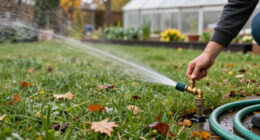
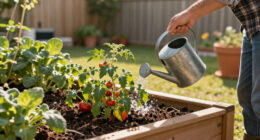
Deep, infrequent watering is a must after a heat wave. It encourages roots to grow downward where they’re cooler and moister. When roots grow deep, plants can access water stored further underground, which is crucial during prolonged heat. Shallow watering, on the other hand, encourages roots to stay near the surface, making plants more vulnerable to future droughts because surface roots dry out quickly. Mulch acts as an insulating layer, moderating soil temperature fluctuations and reducing evaporation, which means your plants retain moisture longer. This creates a more stable environment for root growth and overall plant recovery. The tradeoff is that mulch can sometimes harbor pests if not maintained properly, so it’s important to choose the right type and apply it correctly.
Here’s a quick checklist:
- Water early morning or late evening
- Apply mulch around plants’ base
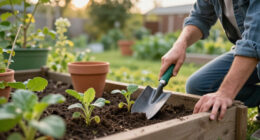
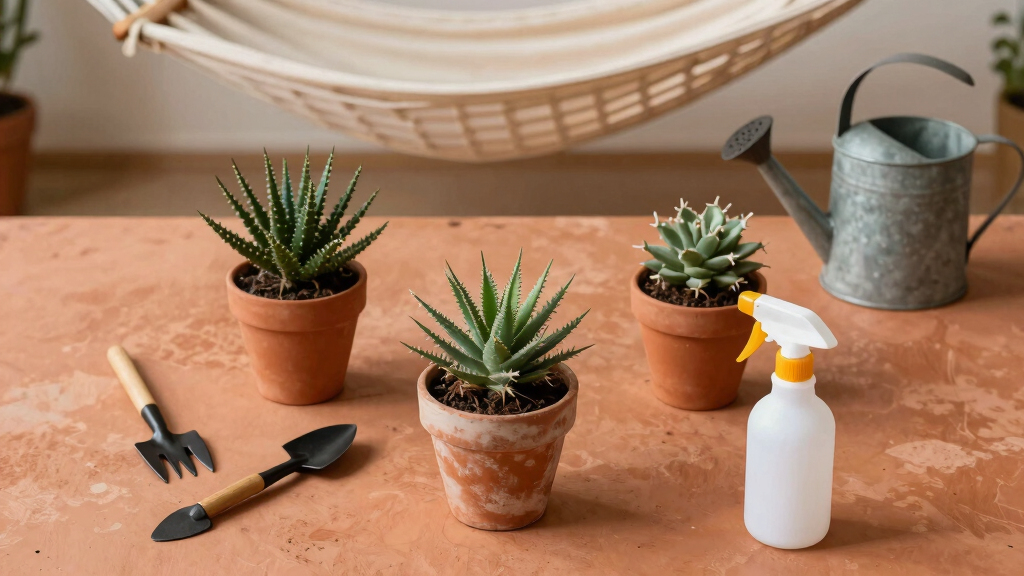
- Check soil moisture with a trowel or moisture meter
As an affiliate, we earn on qualifying purchases.
Prune Carefully to Redirect Energy and Remove Dead Parts
Pruning damaged foliage and dead branches helps plants focus their limited energy on recovery and new growth. Removing dead or scorched parts prevents diseases that often take hold in compromised tissue, thereby protecting the overall health of the plant. For example, snipping off scorched leaves from your bougainvillea not only improves appearance but also reduces stress on the plant’s resources. However, over-pruning can be detrimental, especially if it exposes the plant to further stress or sunburn. The key is to remove only what’s necessary and ensure the plant still retains enough healthy foliage for photosynthesis. Proper timing—preferably after watering or during cooler parts of the day—reduces additional stress. Using clean, sharp tools minimizes tissue damage and lowers infection risk, which is vital for healthy recovery.
As an affiliate, we earn on qualifying purchases.
Supporting Soil Health and Fertilizer Use
Healthy soil provides the essential nutrients and structure that support plant recovery. When plants are stressed by heat, their nutrient uptake can be impaired, making supplementation important. Testing your soil helps identify deficiencies—common issues include nitrogen shortages that cause yellowing leaves or potassium deficiencies that weaken cell walls. Using slow-release, balanced fertilizers ensures a steady supply of nutrients without overwhelming stressed plants, which could lead to further damage or nutrient runoff. Incorporating organic matter like compost boosts microbial activity, which in turn improves nutrient availability and soil structure, creating a more resilient root zone. The tradeoff is that over-fertilizing can cause salt buildup or nutrient imbalances, so applying sparingly and following guidelines is critical for safe and effective recovery.
By supporting your soil health, you’re not just helping plants recover from the immediate heat stress but also building a foundation that enhances their resilience against future heat waves.
As an affiliate, we earn on qualifying purchases.
Frequently Asked Questions
How can I tell if my plants are too damaged to recover?
Look for extensive browning, dead branches, or wilting that doesn’t improve after watering. Severely damaged plants may not bounce back, but many will with proper care if damage is caught early.What are the best native plants to plant in Arizona for heat resistance?
Desert marigold, palo verde, agave, yucca, and desert willow are all tough, drought-tolerant options that thrive with minimal water and handle extreme heat well.How often should I water after a heat wave?
Deeply water once or twice a week, depending on soil moisture and plant type. Avoid shallow, frequent watering, which encourages weak roots and more stress.Can fertilizer help my stressed plants recover?
Yes, but use balanced, slow-release fertilizers sparingly. Over-fertilizing stressed plants can cause further damage, so follow instructions carefully.What steps can I take now to prevent heat damage next summer?
Incorporate shade structures, mulch heavily, select native drought-tolerant plants, and optimize watering routines. These steps build resilience against future heat waves.Conclusion
A heat wave doesn’t have to mean the end for your garden. With targeted watering, strategic pruning, and smart plant choices, your garden can bounce back stronger. Think of it as giving your plants a gentle, protective hug—helping them recover and thrive again in the desert’s relentless heat.Fall yard work Picks
leaf blowers
As an affiliate, we earn on qualifying purchases.