
TL;DR
Extreme heat damages tomato pollen, preventing pollination and fruit set. Using shade cloths and strategic shading during peak heat can greatly improve your tomato yield in hot weather.
Imagine the first ripe tomato of the season. Bright red, heavy, bursting with flavor. Now picture a heatwave hitting your garden. The flowers drop, and those juicy fruits never form. That’s not bad luck — it’s physics. When the thermometer climbs past 85°F, tomatoes struggle to produce fruit. Understanding why this happens and how a simple shade can save your harvest is the secret to thriving in the heat.
This article will explain what causes tomatoes to stop setting fruit during extreme heat and show you easy, practical ways to shade your plants. No fancy gadgets — just straightforward tips you can use today. If your tomatoes have been dropping like flies during summer, keep reading. You’re about to learn how to beat the heat and keep those plants productive.
Tomato pollen viability drops sharply above 85°F, causing poor fruit set during heatwaves.
Using a 30-50% shade cloth can lower canopy temperatures by 10-15°F, improving pollination conditions.
Apply shade during the hottest hours — early afternoon to early evening — for maximum benefit.
Natural shade options like taller plants or structures can also protect tomatoes effectively.
Selecting heat-tolerant tomato varieties can help maintain fruit production in extreme heat.
Why Heat Wreaks Havoc on Tomato Pollination and Fruit Set
Tomatoes are sensitive to high temperatures, especially during flowering. When daytime temps rise above 85°F (29°C), pollen grains begin to lose their ability to fertilize. This means fewer flowers turn into fruits. During a scorching July, I watched my neighbor’s tomatoes flower, then drop almost overnight — all because the thermometer hit 92°F.
In simple terms, heat damages the tiny pollen grains — they become sterile and can’t do their job. The stigma, the part that catches pollen, also struggles under extreme heat, making fertilization even harder. The result? Flowers fall off before they can turn into ripe, juicy tomatoes.
According to an anonymous researcher, pollen viability drops by over 50% when temperatures hit 85°F, making fruit set nearly impossible. So, if you notice your plants blooming but not producing fruit during heatwaves, this is why.
As an affiliate, we earn on qualifying purchases.
How High Temperatures Stop Your Tomatoes from Giving You Fruit
Extreme heat causes tomatoes to divert energy away from fruit development. Instead of putting nutrients into growing a tomato, the plant focuses on surviving the stress. When daytime temps soar above 90°F (32°C), the plant’s reproductive system simply shuts down.
For instance, last summer, I noticed my tomato plants in full bloom during a 95°F spell. The flowers looked healthy, but no fruit appeared. It was all about temperature — the plant couldn’t pollinate or set fruit in those conditions.
This isn’t just theory. Research shows fruit set drops dramatically when temperatures stay above 90°F for several days in a row. That’s why a heatwave can wipe out an entire crop, even if the plants look green and healthy otherwise.
As an affiliate, we earn on qualifying purchases.
Simple Shade Fixes That Keep Tomatoes Fruitful During Heatwaves
Shading your tomatoes is one of the easiest ways to keep fruit production steady in hot weather. A good rule of thumb is to use a 30-50% shade cloth. It blocks enough sunlight to lower temperatures while still letting in enough light for photosynthesis.
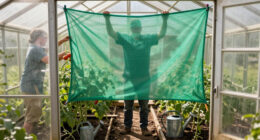
During last summer’s heatwave, I draped a 40% shade cloth over my tomato cages from early afternoon till sunset. The temperature underneath cooled by about 12°F — enough to keep pollination going. That small change made a big difference.
Here’s what works best:
- Shade cloths: Adjustable, reusable, and affordable.
- Natural shade: Plant taller companion plants or use garden structures.
- Timing: Apply shade during the hottest part of the day, from early afternoon to early evening.
Natural shade options include planting sunflowers or tall beans nearby. They act as living umbrellas, shielding your tomatoes from the worst heat. You can also build a simple shade frame with PVC pipes and shade cloth for a permanent setup.
As an affiliate, we earn on qualifying purchases.
Comparison Table: Shade Cloth Options for Tomato Gardens
| Shade Percentage | Temperature Reduction | Pros | Cons |
|---|---|---|---|
| 30% | About 8-10°F | Allows more sunlight, good for growth | Less effective in extreme heat |
| 40% | 10-12°F | Balanced shade and light | Requires careful setup |
| 50% | 12-15°F | Maximizes cooling, ideal for very hot days | Reduces sunlight for photosynthesis |
garden shade structures for tomatoes
As an affiliate, we earn on qualifying purchases.
As an affiliate, we earn on qualifying purchases.
When and How to Apply Shade for Best Results
Timing is everything. The hottest part of the day is usually from 1 p.m. to 4 p.m. in most desert zones. Set up your shade cloth before that peak kicks in, and remove it as the temperature drops in the evening. This way, your plants get relief during critical hours without sacrificing too much sunlight.
For example, I use a simple PVC frame to drape shade cloth over my tomato cages. I start attaching it around noon and take it down by sunset. It’s quick, easy, and keeps my plants cooler — and my harvest on track.
Make sure your shade structure is secure, especially in windy conditions. Also, check your plants regularly for signs of overheating or stress — wilting, yellowing, or dropping flowers are clues you need more shade or water.
Frequently Asked Questions
How do I know if my tomatoes need shade during the heatwave?
Watch for wilting, yellowing leaves, or flowers dropping prematurely. If daytime temperatures exceed 85°F consistently, shade will help protect your plants.Can I use natural shade instead of commercial shade cloth?
Yes. Taller plants like sunflowers or structures like shade sails can provide natural relief. Just ensure they block enough sun during peak heat hours.What’s the best way to install shade cloth over my tomato cages?
Build a simple frame with PVC pipes or stakes, then drape the shade cloth over it. Secure the edges with clips or weights to prevent it from blowing away.Will shading reduce the sunlight needed for my tomatoes to grow?
A 30-50% shade cloth balances cooling with enough light for healthy growth. Too much shade can slow growth, so don’t cover your plants all day.Are there heat-tolerant tomato varieties I should try?
Absolutely. Varieties like ‘Heatmaster,’ ‘Solar Fire,’ and ‘Juliet’ are bred for higher temperature resilience and can set fruit better in hot climates.Conclusion
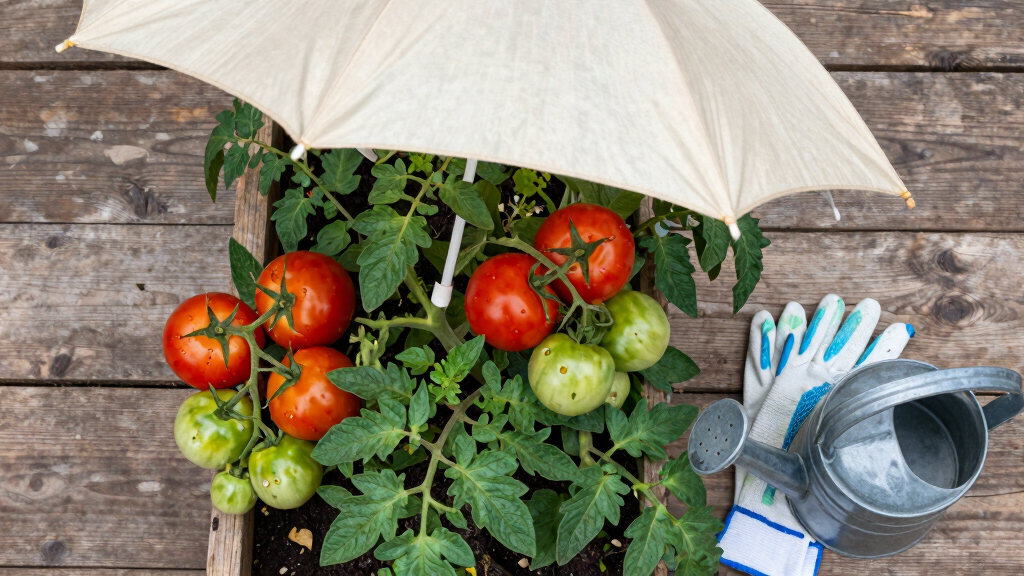
Heat can be a tomato’s worst enemy, but a simple shade fix can turn the tide. Think of shade as your plant’s cooling blanket — it’s quick, affordable, and surprisingly effective. When the mercury rises, don’t let your tomato crop suffer. Cover up, cool down, and keep those fruits coming.
Next time a heatwave hits, set up your shade cloth early and watch your plants thrive. Remember, a little shade goes a long way in turning extreme heat from a crop killer into a manageable challenge.