TL;DR
Open a free Amazon Business account
Business pricing, bulk buying and tax-exempt orders.
Create a free accountAs an affiliate, we earn on qualifying purchases.
Misting can cool the air and help plants survive extreme heat, but its primary benefit is often for people. Effectiveness depends heavily on humidity and plant needs, with misting being more about humidity than temperature drop.
When temperatures hit 110°F, many desert gardeners wonder: does misting really cool plants, or is it just a trick to make us feel better? It’s a fair question. Misting is everywhere—greenhouses, outdoor patios, even personal cooling systems. But what does it actually do in that scorching heat?
This guide cuts through the hype to show you how misting works for plants and people. You’ll learn when it helps, when it doesn’t, and how to use misting systems wisely—saving water, protecting plants, and maybe even keeping your own sweat at bay.
Misting mainly cools the air and benefits people more than plants, especially in high humidity.
In dry environments, misting can lower air temperatures by up to 15°F, but in humid zones, its cooling power drops sharply.
Use misting early in the morning or late at night to avoid fungal issues and water waste.
Adjust nozzles for fine sprays and keep misting sessions brief—around 5-10 minutes.
Don’t rely solely on misting for plant survival during 110°F days; shade, watering, and proper plant selection matter more.
What Does Misting Actually Do — Cool Plants or Just the Air and You?
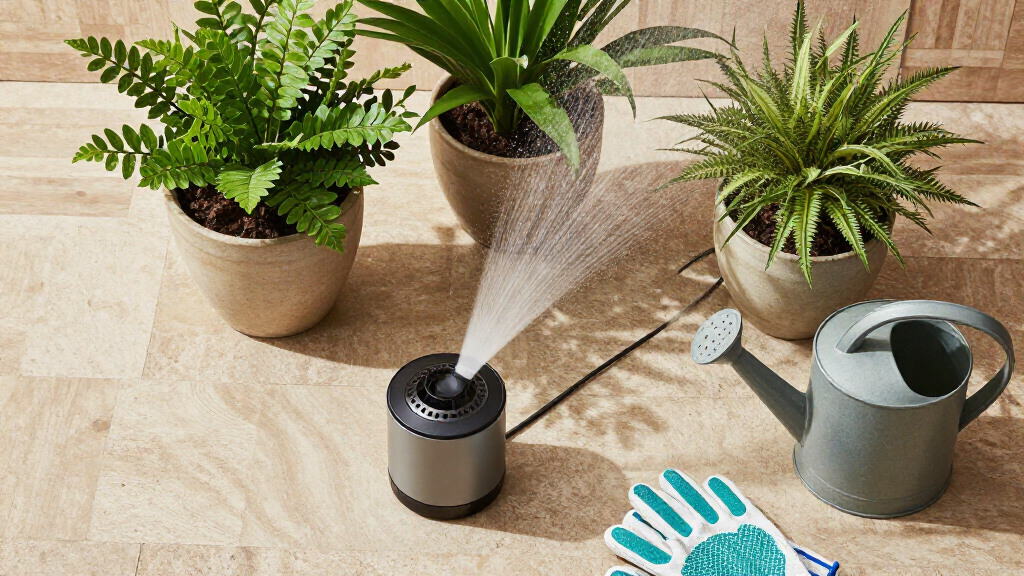
Misting mainly cools the air and helps people sweat less. When you spray a fine mist, water droplets evaporate—taking heat away from the surrounding air. This is evaporative cooling. For people, it’s like standing under a gentle rain on a hot day. The moisture on your skin evaporates, pulling heat away and giving you that temporary chill.
For plants, misting can raise humidity levels around leaves, especially in dry, desert-like air. Some plants, like orchids or ferns, thrive in moist conditions. But if you mist too often or in high humidity, water lingers—fostering fungal diseases or rot. So, misting isn’t a magic bullet for cooling plants, just a way to boost local humidity or give humans a quick relief from the heat.
Understanding these effects matters because it influences how you manage your garden or outdoor space. Excessive misting in humid conditions can actually harm plants by promoting fungal growth, which may lead to disease outbreaks. Conversely, in dry air, misting can be a strategic way to mimic the humid environments some plants need, but it’s a delicate balance—overdoing it can be as harmful as doing nothing.
As an affiliate, we earn on qualifying purchases.
How Misting Cools — The Science You Need to Know
- Evaporation absorbs heat: Water droplets absorb heat from the air and surface they contact, turning into vapor. This process effectively removes heat from the environment, creating a cooling effect. But the magnitude and duration of this cooling depend on environmental conditions—dry versus humid air dramatically influence the outcome.
- Humidity matters: In dry air (<20% humidity), misting can significantly lower air temperatures—up to 15°F—because water evaporates rapidly, drawing heat away. In humid air (>60%), evaporation slows, and misting adds moisture without much temperature change, sometimes making conditions feel muggier and less comfortable.
- Temperature drop is short-lived: Once the mist evaporates, the cooling effect diminishes quickly—often within minutes. This means that misting provides only temporary relief, and frequent application may be necessary to maintain a cooler microclimate, which can increase water use and risk fungal issues.
For example, in Phoenix during a 110°F afternoon, a well-placed misting system can drop local air temps by 10-15°F if the air is dry, creating a more tolerable environment. However, in humid climates like Miami, the same misting setup might do little more than increase moisture levels, offering no real cooling benefit. Recognizing these differences helps you decide when and where misting will be most effective, avoiding wasteful or harmful overuse.
Understanding the physics of evaporative cooling underscores the importance of environment-specific strategies. It’s not just about spraying water—it’s about timing, humidity, and knowing your local climate. This awareness allows you to optimize misting for maximum benefit while minimizing drawbacks like fungal growth or water waste.
As an affiliate, we earn on qualifying purchases.
Frequently Asked Questions
Does misting really cool plants or just the air around them?
Misting primarily increases humidity and can cool the air through evaporation. It helps some plants by raising local moisture levels, but it doesn’t significantly lower soil or plant tissue temperatures if overused or in high humidity.
How often should I mist my plants during a heatwave?
In dry conditions, mist early morning and late evening for about 5–10 minutes. Avoid misting during peak heat or when humidity is high. Observe your plants—if leaves look crispy or wilted, light misting might help.
Can misting harm desert plants or succulents?
Yes. Most desert natives and succulents prefer dry conditions. Excess moisture can cause fungal issues or rot. Use misting sparingly—mainly as humidity boosts for sensitive plants, not as a regular watering method.
What’s a smarter way to cool my garden besides misting?
Shade structures, reflective mulches, and planting in the shade of larger plants make a bigger difference. Watering deeply early in the day and using windbreaks also help keep temperatures manageable.
As an affiliate, we earn on qualifying purchases.
Conclusion
In the heat of 110°F, misting is more about creating humidity and offering quick relief—especially for people. For plants, it’s a delicate tool that can help or harm, depending on how and when you use it. Think of misting as a supplement, not a cure-all.
Keep your focus on shade, watering, and plant choice. Mist wisely, water smartly, and your garden will thank you—hot days included.
evaporative cooling misting system
As an affiliate, we earn on qualifying purchases.
As an affiliate, we earn on qualifying purchases.
Flea & tick season Picks
flea and tick prevention
As an affiliate, we earn on qualifying purchases.