
TL;DR
Frost cloths generally offer more reliable protection for citrus trees during freeze nights, but Christmas lights can serve as a helpful supplement. Combining both methods can maximize your cold-weather defenses.

Get garden gear delivered free with Prime
- Fast, free delivery on millions of items
- Prime Video, Amazon Music and more included
- Member-only deals all year
How Each Method Actually Protects Your Citrus
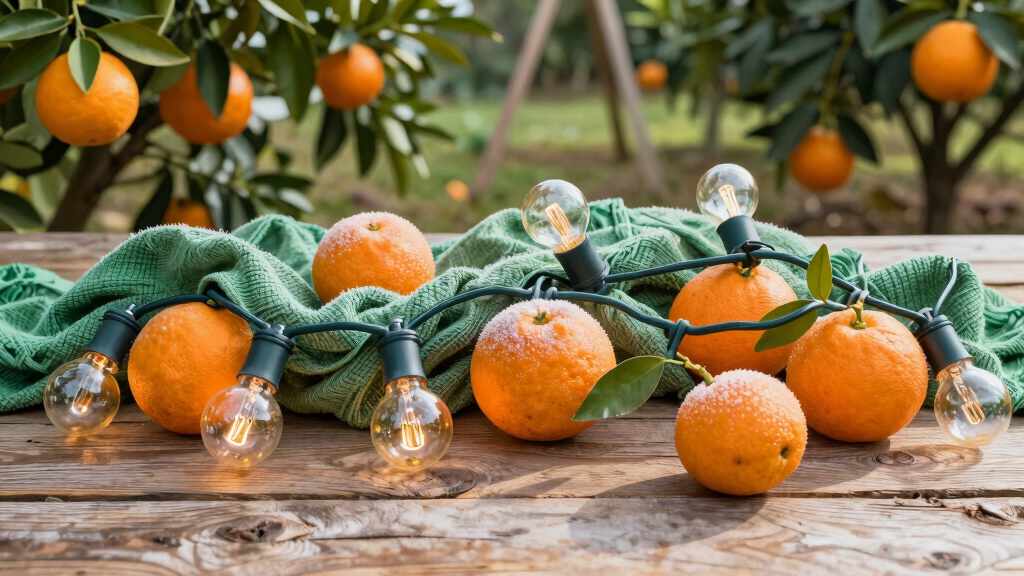
Christmas lights emit a tiny amount of heat when plugged in, raising the temperature around the tree by a few degrees. Think of it like a tiny campfire for your plant—enough to stop frost from settling but not enough for a deep freeze. In contrast, frost cloths trap a layer of warm air close to the foliage, creating a physical barrier against the cold wind and frost.
For example, during a typical cold snap where temperatures drop to 28°F, lights might keep a small young tree safe, but a mature tree needs the insulation of a frost cloth to stay unharmed.
Popular right now

eufy C28 Robot Vacuum and Mop with 15,000 Pa Suction

De'Longhi Classic Signature Espresso Machine with Adjustable Milk Frother

DREAME D20 Air Plus Robot Vacuum and Mop with Auto-Empty Dock
As an affiliate, we earn on qualifying purchases.
Which Protects Better? Christmas Lights or Frost Cloth?
| Feature | Christmas Lights |
|---|---|
| Protection Level | Light, suitable for mild freezes or as a supplement |
| Coverage | Limited, best for small trees or specific areas |
| Ease of Use | Simple for small setups, requires power |
| Durability | Less durable, seasonal use only |
| Cost | Low upfront, ongoing electricity cost |
Frost cloths outperform Christmas lights in severe freezes, covering large trees and trapping more heat. They’re a tough, reusable barrier—if you can manage the setup.
Real-World Example: Protecting Your Citrus During a 25°F Night
Imagine a typical winter night where the forecast drops to 25°F. You have a young lemon tree about 6 feet tall. Wrapping it in frost cloth, you trap a warm air pocket, preventing frost from damaging the buds. Adding string lights beneath the cloth might boost warmth a few degrees more, giving extra security. In this scenario, the frost cloth acts as your main shield, while the lights are a bonus.
This combo might seem like overkill, but it’s a smart move if that cold snap is expected to last several hours.
How to Use Frost Cloths Effectively — 5 Easy Steps
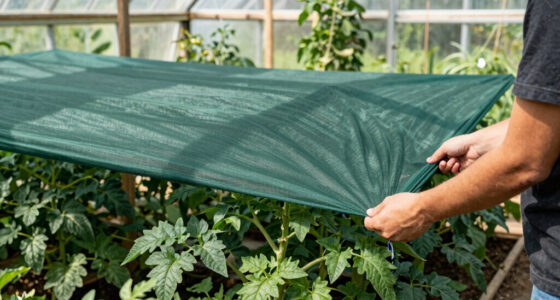
- Choose the right size—wrap the entire canopy without touching leaves directly.
- Secure edges with stakes, bricks, or weights to prevent wind from lifting it.
- Cover before sundown, ideally when temperatures start dropping.
- Ensure the cloth doesn’t touch the foliage directly—use spacers if needed.
- Remove in the morning once temperatures rise above freezing.
For a typical 3-foot citrus tree, draping frost cloth over it and anchoring with bricks is fast and effective. Always check the weather forecast—plan your protection before the cold hits.
Safety Tips for Using Christmas Lights and Frost Cloths
Christmas lights, especially incandescent ones, generate heat but also pose fire risks if not used properly. Always plug into outdoor-rated outlets, avoid overloading circuits, and keep wiring away from water or moisture. For frost cloths, make sure they’re made from breathable, UV-resistant fabric. Never leave them on overnight if they’re wet, as moisture can damage the plant or cause mold.
Safety first—your trees and your home are worth it.
Why Combining Methods Often Works Best
Using frost cloth as your main protector and adding Christmas lights underneath can boost your chances during a serious freeze. Lights add a little extra warmth—sometimes enough to tip the odds in your favor.
For example, during a forecast of 23°F, wrapping a mature orange tree with frost cloth and placing lights underneath can prevent frost damage more reliably than either method alone. It’s like layering a jacket and a blanket—you stay warmer, safer.
Key Takeaways for Protecting Citrus During Cold Snaps
- Frost cloths are more reliable for severe freezes and can be reused year after year.
- Christmas lights help by adding a small amount of heat, best for small trees or as a backup.
- Timing matters—set up before the coldest part of the night and remove in the morning.
- Combine methods for best results in really cold nights.
- Safety: ensure electrical safety when using lights and secure frost cloths properly.