
TL;DR

Get garden gear delivered free with Prime
- Fast, free delivery on millions of items
- Prime Video, Amazon Music and more included
- Member-only deals all year
Shade cloth should generally stay a few inches above plant leaves to prevent heat transfer and promote airflow. Touching cloth can increase leaf temperatures and humidity, risking damage and disease.
Shade cloth is a gardener’s best friend in scorching weather. But a question comes up often: should it touch the leaves? The answer isn’t as simple as yes or no. Understanding how heat moves around and how air flows can make all the difference between thriving plants and scorched leaves.
In this guide, you’ll learn how shade cloth interacts with leaves — focusing on heat transfer and airflow. Get ready to tweak your setup for cooler, healthier plants, even in the driest desert heat.
Keep shade cloth at least 6 inches above plant leaves to improve airflow and reduce heat transfer.
Choose breathable, UV-resistant fabrics with mesh patterns for best cooling and durability.
Direct contact between shade cloth and leaves can cause heat buildup, stress, and disease.
Adjust the height seasonally and based on plant sensitivity to optimize microclimate.
Proper installation makes a big difference — suspension is better than draping tightly.
Why Touching Shade Cloth Can Wound Your Plants
Shade cloth touching leaves isn’t just a minor detail; it can cause real harm. When cloth rests against foliage, heat can transfer directly through conduction. That means the leaves heat up faster, especially under intense sun.
Imagine a hot day — the fabric, warmed by the sun, presses against your plant’s delicate leaves. The contact acts like a tiny radiator, raising leaf temperature. This can lead to leaf scorch, wilting, or increased vulnerability to pests and diseases.
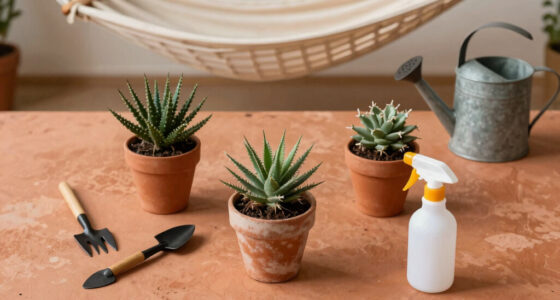
For example, in a desert garden, a tightly draped shade cloth can make cactus pads and succulents sweat — but in a bad way. The heat buildup stresses the plant’s cells, making recovery slower and growth stunted.
In short, touching shade cloth often boosts heat transfer, which plants hate. The direct contact creates a microenvironment where heat accumulates against the leaf surface, amplifying stress. Over time, this can weaken plant tissues, making them more susceptible to diseases and pests that thrive in stressed conditions. The tradeoff is that while some gardeners think tight contact offers more shading, it actually compromises plant health by trapping heat and humidity at the leaf surface, which can foster fungal growth and decay.
As an affiliate, we earn on qualifying purchases.
How Airflow Keeps Plants Cool — And Why Contact Matters
Airflow acts like a natural cooling system. When breeze or fan moves air around leaves, it carries away heat and moisture, preventing fungal problems. But if shade cloth presses against the leaves, airflow gets cut off.
Imagine a breezy afternoon — the air whips around your plants, cooling them down. Now picture a dense fabric pressing against leaves — the breeze can’t reach, trapping hot, humid air close to the plant surface.
Research shows that even a small gap of 6 inches can improve airflow significantly, reducing leaf surface temperature by up to 10%. That tiny space allows hot air to escape and fresh air to flow in, keeping plants healthier. When shade cloth touches leaves, it creates a barrier that blocks this essential exchange. This can lead to increased humidity around the foliage, which promotes fungal diseases like powdery mildew or leaf spot. The tradeoff is that while close contact might seem to provide more shade, it actually hampers the cooling process, leading to higher leaf temperatures and a greater risk of disease. Maintaining a gap ensures that airflow can do its job, providing a cooling effect that is crucial in hot environments.
As an affiliate, we earn on qualifying purchases.
Material Matters: What Makes a Breathable Shade Cloth?
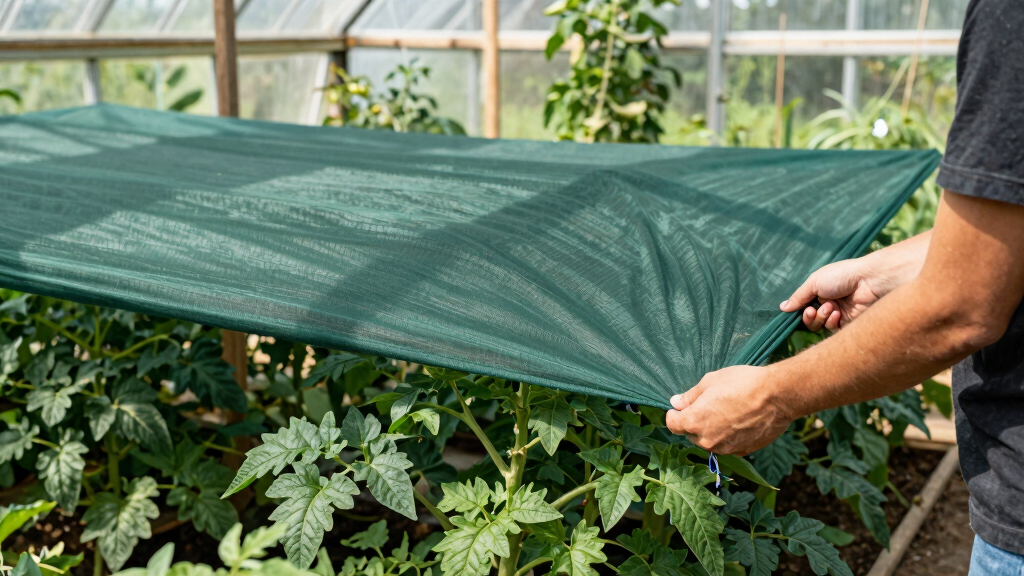
Not all shade cloths are created equal. Breathable, UV-resistant fabrics like woven polyethylene let air pass through while filtering sunlight. They’re designed to reduce heat transfer and keep the microclimate around your plants just right.
Compare this with tightly woven or plastic-like fabrics that trap heat and block airflow. Such fabrics can turn your garden into a greenhouse — not what you want in the desert.
Pro tip: Look for shade cloth with a mesh pattern, ideally with a shade percentage around 50-70%. This strikes a balance between light reduction and airflow, keeping leaves cool and dry.
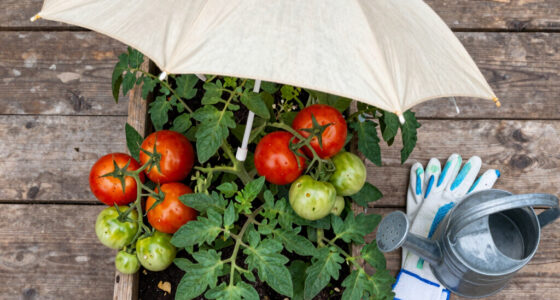
For example, in a hot Arizona garden, a 60% breathable shade cloth suspended 8 inches above tomato plants kept temperatures down by 12°F compared to direct contact setups.
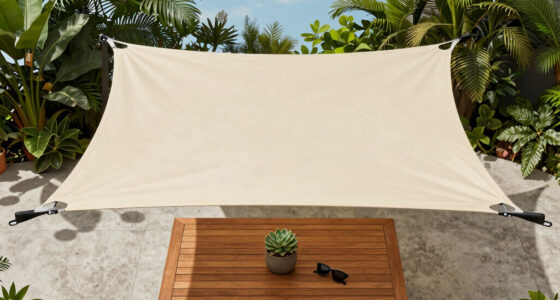
garden shade cloth with mesh pattern
As an affiliate, we earn on qualifying purchases.
As an affiliate, we earn on qualifying purchases.
Best Ways to Install Shade Cloth for Happy, Healthy Plants
- Choose a breathable fabric with 50-70% shade factor.
- Install the cloth at least 6 inches above the plant canopy. Use sturdy frames or posts.
- Use clips, ties, or grommets to secure it without letting it sag onto leaves.
- Regularly check for sagging or contact, especially after storms or high winds.
- Adjust height seasonally or for different plant needs.
Imagine your garden as a well-ventilated tent, floating above your plants, letting cool breezes pass through. That’s the sweet spot.
In practice, a simple setup with a few wooden stakes and lightweight fabric can drastically improve plant health, especially in summer’s peak.
As an affiliate, we earn on qualifying purchases.
The Tradeoffs: When to Touch and When to Keep Distance
Sometimes, you might need the shade cloth close — like for delicate seedlings or during extreme heat waves. But it’s a balancing act. When cloth touches the leaves, it can trap heat and humidity directly against the plant tissue, increasing the risk of leaf scorch, fungal infections, and stress. This can stunt growth and lead to long-term health issues. Conversely, hanging the cloth too high reduces shade effectiveness, exposing plants to more heat and sunlight than they can tolerate. The key is understanding the implications: close contact may provide more immediate shade but at the cost of increased heat stress and disease risk, while keeping a proper gap supports healthier microclimates. The tradeoff is about finding the right balance—closer for protection when necessary, but generally maintaining a gap of at least 6 inches to ensure good airflow and cooling. For sensitive plants, a larger gap of 12 inches or more might be best, as it maximizes cooling while still providing shade.
For example, in a recent desert project, adding a 10-inch gap reduced leaf temperature by 8°F and cut disease incidence in half, illustrating the importance of proper spacing for plant health and disease prevention.
Frequently Asked Questions
Is it okay for shade cloth to touch plant leaves?
It’s best if shade cloth doesn’t touch leaves. Contact can transfer heat directly, raising leaf temperatures and increasing the risk of scorch and disease.How far should shade cloth be from the plants?
A gap of 6 to 12 inches usually works well. This distance allows air to circulate freely and keeps leaves cooler in hot climates.Can touching shade cloth damage my plants?
Yes, especially in intense sun. Contact can cause heat stress, leaf burn, and promote fungal issues due to trapped moisture and humidity.What type of shade cloth should I pick?
Look for breathable, UV-resistant fabrics with a mesh pattern, ideally around 50-70% shade. These promote airflow and last longer in desert conditions.Does higher shade percentage mean better cooling?
Not necessarily. Higher shade reduces light but can restrict airflow if installed too tightly. Balance shade with proper spacing for best results.Conclusion
When in doubt, give your plants some breathing room. Suspend shade cloth at least 6 inches above leaves, and choose a fabric that promotes airflow. It’s a simple tweak that keeps plants cooler, healthier, and happier in the desert heat.
Think of your shade setup as a gentle breeze for your plants — not a heavy blanket pressed against them. Small changes now can save you headaches later.
Halloween Picks
halloween
As an affiliate, we earn on qualifying purchases.