TL;DR

Get garden gear delivered free — and shop member deals
- Fast, free delivery on millions of items
- Access to Prime Big Deal Days deals on October 6–7
- Prime Video, Amazon Music and more included
Hard water contains minerals like calcium that deposit inside drip emitters, causing clogs. Regular maintenance, filtration, and smart emitter choices prevent buildup and keep your irrigation running smoothly.
Ever notice your drip emitters suddenly watering less or not at all? That stubborn little clog might be calcium deposits from your hard water. If your garden’s water supply is high in minerals, your irrigation system faces a slow, silent enemy. But don’t worry—understanding what causes these blockages is the first step to fixing and preventing them.
This guide dives into why calcium buildup happens, how it sneaks into your drip emitters, and the simple, practical ways you can keep your watering system flowing. Whether you’re a seasoned gardener or just starting out, these tips will help you dodge costly repairs and keep your plants happy in the desert heat.
Calcium carbonate deposits are the main cause of drip emitter clogs in hard water, and they build up slowly over time.
Using filters, water softeners, and selecting clog-resistant emitters can significantly cut down on maintenance and repair costs.
Regular flushing with vinegar or lemon juice prevents mineral buildup from becoming a serious clog.
Upgrading to smart, self-flushing, or pressure-compensating emitters makes your system more resilient against hard water issues.
Consistent maintenance and proactive water treatment are the best investments for a trouble-free drip irrigation system.
What Exactly Causes Drip Emitters to Clog in Hard Water?
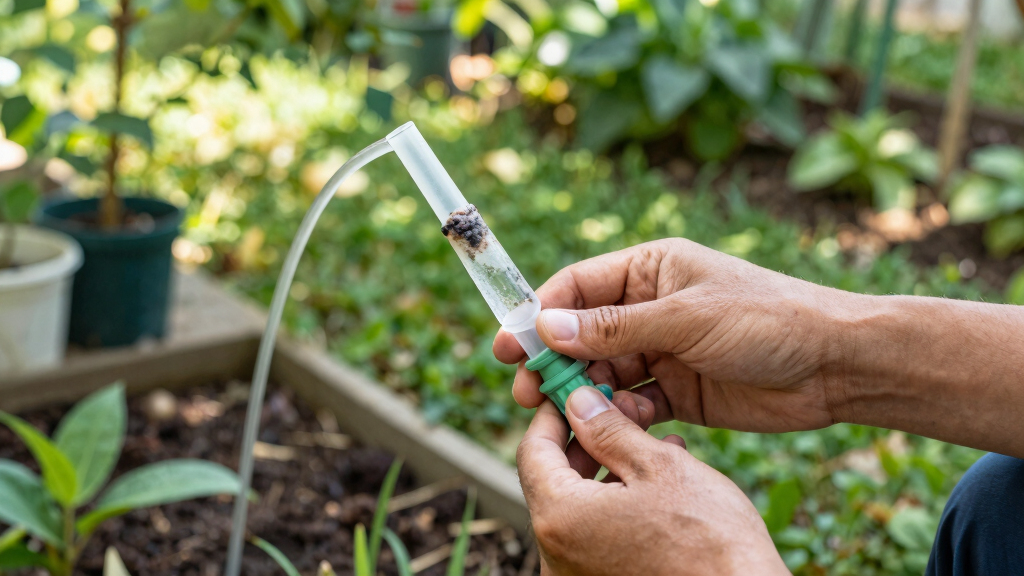
Drip emitters clog mainly because of calcium carbonate and other minerals in hard water. When water evaporates or dries, these minerals leave behind a crust that gradually builds up inside the tiny orifice. Over weeks or months, this crust thickens until water can’t flow properly.
Imagine watering your desert garden in July. The water’s so full of calcium that after a few weeks, your emitters start dripping unevenly or stop altogether. The deposits are like tiny rocks, slowly choking the flow.
According to Gardener AZ, calcium carbonate buildup is responsible for over 75% of emitter clogs in areas with hard water, especially where water has over 180 ppm of dissolved calcium. This mineral accumulation doesn’t just cause inconvenience; it can significantly reduce watering efficiency, stressing your plants and risking growth problems. The more mineral-rich your water, the faster these deposits can form, meaning a higher frequency of clogging and system failure if not addressed. Recognizing this helps you understand that it’s a gradual process—clogs aren’t just random failures but predictable, mineral-driven blockages that can be mitigated with proper water management.
As an affiliate, we earn on qualifying purchases.
Why Do Some Emitters Resist Clogging Better Than Others?
| Emitter Type | Clog-Resistance | Best Use |
|---|---|---|
| Standard Plastic | Low | General use, soft water |
| Pressure-Compensating | Medium | Uneven terrain, hard water |
| Self-Flushing | High | Very hard water, frequent clogging |
Choosing the right emitter can make a big difference. Self-flushing models, with tiny built-in mechanisms, clear out mineral buildup automatically, reducing the frequency of manual cleaning and system downtime. Pressure-compensating emitters maintain steady flow rates even if your water pressure varies, which is common in many garden setups, and this consistency helps prevent mineral buildup from causing flow restrictions. These features matter because they directly impact the longevity of your system; investing in clog-resistant designs can save you time, money, and frustration over the long run. Remember, the initial cost might be higher, but the reduced maintenance and fewer repairs make these emitters a smart choice for hard water areas.
As an affiliate, we earn on qualifying purchases.
How to Prevent Calcium Buildup Before It Starts
- Install a filter before the water reaches your emitters. A good sediment filter traps particles and reduces mineral load, preventing larger mineral deposits from entering the system and settling inside emitters. This upfront barrier is crucial because it addresses the problem at its source, reducing clogging frequency and extending system lifespan.
- Use a water softener or chemical treatment. Softening water with salt-based systems exchanges calcium ions for sodium, effectively reducing the mineral content that leads to buildup. This proactive step not only prevents clogs but also improves overall water quality for your plants, reducing stress caused by mineral imbalances. However, consider the environmental and maintenance implications of softeners, like salt discharge and regeneration cycles.
- Flush your system regularly with vinegar or lemon juice. Pouring a 50/50 mixture into your system every few months dissolves mineral deposits, preventing them from accumulating into larger, more stubborn clogs. Regular flushing acts as a preventative maintenance routine, much like dental check-ups, ensuring your system remains free of destructive mineral buildup over time.
- Use emitters designed for hard water. Check labels for ‘clog-resistant’ or ‘self-flushing’ features. These specialized emitters incorporate design elements that minimize mineral adherence and facilitate automatic cleaning, which is especially valuable in areas with persistent mineral issues. Investing in these can significantly reduce maintenance efforts and system downtime, keeping your garden watering consistent and reliable.
For example, one gardener in Phoenix installed a simple sediment filter and softened water before irrigation. Within a year, emitter clogs dropped by over 60%, saving hours of maintenance and ensuring their plants received consistent watering. These preventative measures, while requiring some initial investment, pay off by reducing long-term repair costs and system failures.
hard water calcium removal for irrigation
As an affiliate, we earn on qualifying purchases.
As an affiliate, we earn on qualifying purchases.
How to Clear Existing Clogs Without Damaging Your System
- Remove the clogged emitter carefully from the line.
- Soak it in a mixture of vinegar and water (1:1 ratio) for 15-30 minutes. The acidity dissolves calcium deposits and loosens mineral crusts, making it easier to remove buildup without damaging the plastic components. This method is effective because vinegar reacts with calcium carbonate, breaking it down safely.
- Use a soft brush or toothpick to gently scrub away any remaining buildup. This step ensures thorough cleaning and restores emitter flow. Be gentle to avoid damaging the small orifice or the emitter’s internal mechanisms, which could lead to leaks or further clogging.
- Flush your system with clean water after reattaching the emitter to remove loosened deposits and residual vinegar. This final rinse prevents any leftover acids from corroding the system over time and ensures your emitters are clear and ready for use.
Be cautious with chemical descalers; always wear gloves and eye protection. Avoid harsh acids not labeled for irrigation use, as they can damage plastic components and create safety hazards. Using mild, plant-safe acids like vinegar is effective and safe when handled properly, but always follow manufacturer recommendations for your system’s materials.
As an affiliate, we earn on qualifying purchases.
What Are the Long-Term Fixes for Hard Water Clogging?
Long-term solutions focus on reducing mineral content and upgrading your irrigation setup. Installing a water softener is the most effective move for areas with very hard water (over 200 ppm calcium). It can cut mineral levels by 80-90%, dramatically lowering clogging issues and extending the lifespan of your emitters. Softened water means fewer mineral deposits in your system, translating to less frequent cleaning and repairs—saving time and money over years of use.
Adding filtration systems, such as reverse osmosis or specialized irrigation filters, traps minerals before they reach your emitters, preventing them from depositing inside. These systems not only improve water quality but also protect your entire irrigation infrastructure from mineral-related damage. Upgrading to clog-resistant emitters designed for hard water can further extend your system’s durability, as these are specifically engineered to resist mineral buildup through innovative design features like self-flushing or larger orifices.
Keep in mind, regular system flushing with vinegar or biodegradable descaling agents every few months keeps deposits at bay and maintains optimal flow. Think of it as a dental check-up for your drip system—preventative care pays off by avoiding costly repairs and ensuring your garden receives consistent watering, even in mineral-rich environments.
Frequently Asked Questions
How can I tell if my drip emitters are clogged?
Look for uneven watering, reduced flow, or visible mineral crusts around emitter openings. If your garden’s watering looks patchy, it’s time to inspect your emitters closely.What’s the easiest way to prevent clogging in hard water?
Install a sediment filter, use a water softener if possible, and choose clog-resistant emitters. Regular flushing with vinegar also helps keep mineral deposits at bay.Can I fix clogged emitters with household acids?
Yes, soaking emitters in vinegar or lemon juice dissolves calcium buildup. Always wear gloves and eye protection, and avoid harsh acids that could damage plastic parts.How often should I flush my irrigation system?
Depending on your water’s hardness, every 2-4 months is ideal. Regular flushing prevents deposits from turning into stubborn clogs.Is upgrading to a different type of emitter worth it for hard water areas?
Absolutely. Self-flushing or pressure-compensating emitters resist clogging longer and reduce maintenance, especially in mineral-rich water conditions.Conclusion
Think of your irrigation system as a delicate river—if you don’t keep the channels clear, the flow slows or stops. Hard water’s calcium deposits are a slow, sneaky clogger, but with smart choices and regular care, you can keep your garden thriving.
Invest in filters, select the right emitters, and treat your water when needed. Your plants and your wallet will thank you—less repair, more growth, and a garden that drinks happily from your well-maintained system.
Fall yard work Picks
leaf blowers
As an affiliate, we earn on qualifying purchases.