
TL;DR

Get garden gear delivered free — and shop member deals
- Fast, free delivery on millions of items
- Access to Prime Big Deal Days deals on October 6–7
- Prime Video, Amazon Music and more included
Tomato growers are facing blossom end rot, a common problem causing dark spots on fruit. Experts advise selective harvesting and proper care to minimize damage. This guide explains what can be saved and what should be discarded.
Gardening experts confirm that **blossom end rot** can often be managed by careful harvesting and proper plant care. While some affected tomatoes can be salvaged, others should be discarded to prevent the spread of disease and future damage. This development provides practical guidance for home gardeners and farmers facing this common problem during the current growing season.
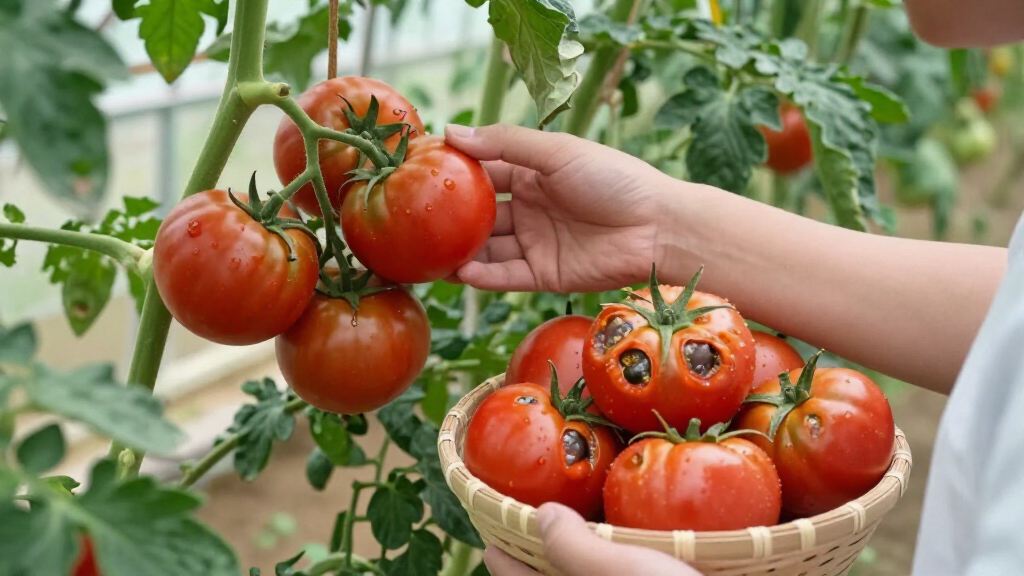
Blossom end rot is a physiological disorder characterized by dark, sunken spots on the bottom of tomatoes, caused primarily by calcium deficiencies and irregular watering, according to horticultural specialists. Recent advice emphasizes that gardeners should carefully inspect their tomatoes and selectively harvest those with minor symptoms, while removing severely affected fruit to prevent rot from spreading or attracting pests.
Experts recommend adjusting watering practices, ensuring consistent moisture levels, and supplementing calcium if necessary. They also advise that tomatoes with small, superficial blemishes may still be edible after peeling or cooking, but those with extensive rot should be discarded. The guidance underscores the importance of early detection and targeted intervention to minimize crop loss.
Practical Impact of Blossom End Rot Management for Growers
Understanding how to identify and properly handle blossom end rot is crucial for both home gardeners and commercial producers. Effective management can reduce crop loss, improve fruit quality, and prevent the spread of rot to healthy tomatoes. This guidance helps growers make informed decisions about which fruit to harvest, which to discard, and how to modify their care routines to prevent future issues.
As an affiliate, we earn on qualifying purchases.
Background on Blossom End Rot and Its Causes in Tomatoes
Blossom end rot has long been a common challenge during tomato season, especially in periods of irregular rainfall or drought. It results from calcium deficiency in the fruit, often exacerbated by inconsistent watering or poor soil conditions. Recent agricultural advice emphasizes that while the disorder is not caused by disease, improper handling and neglect can worsen its impact. Past seasons have seen increased awareness of preventative practices, including soil testing and calcium supplementation, to reduce incidence rates.
“Selective harvesting and proper watering are key to managing blossom end rot. Tomatoes with minor blemishes can often be salvaged, but severely affected fruit should be discarded to prevent further issues.”
— Dr. Lisa Martinez, horticultural specialist
As an affiliate, we earn on qualifying purchases.
Uncertainties About Long-term Solutions and Prevention
While current advice provides effective short-term strategies, it is still unclear how long-term solutions, such as soil amendments or breeding resistant varieties, will evolve. Researchers continue to study the precise causes of calcium uptake issues in tomatoes, and whether new cultivars can better withstand environmental stresses that lead to blossom end rot.
As an affiliate, we earn on qualifying purchases.
Next Steps for Gardeners and Researchers on Blossom End Rot
Gardeners are advised to implement recommended watering and fertilization practices immediately and monitor their plants closely. Researchers are expected to continue exploring genetic resistance and soil management techniques, aiming to develop more resilient tomato varieties and improved cultivation methods. Ongoing studies may lead to more definitive prevention strategies in coming seasons.
As an affiliate, we earn on qualifying purchases.
Key Questions
Can tomatoes with blossom end rot be saved?
Tomatoes with minor symptoms can often be salvaged by peeling or cooking, but severely affected fruit should be discarded to prevent rot spread and pests.
What causes blossom end rot in tomatoes?
Blossom end rot is caused primarily by calcium deficiency in the fruit, often due to irregular watering, poor soil conditions, or environmental stress.
How can I prevent blossom end rot in my tomato plants?
Maintain consistent watering, ensure adequate calcium levels through soil testing or supplements, and avoid environmental stress to reduce the risk of blossom end rot.
Is it safe to eat tomatoes affected by blossom end rot?
Minor blemishes can often be peeled away, making the tomatoes safe to eat. However, extensively affected fruit should be discarded.
What should I do with tomatoes that have blossom end rot?
Harvest and use tomatoes with minor symptoms promptly, discard severely affected fruit, and adjust watering and fertilization practices to prevent future problems.
Source: rss
Fall Picks
fall essentials
As an affiliate, we earn on qualifying purchases.