TL;DR

Get garden gear delivered free — and shop member deals
- Fast, free delivery on millions of items
- Access to Prime Big Deal Days deals on October 6–7
- Prime Video, Amazon Music and more included
Pepper plants in low desert areas need protection from cold temperatures below 55°F. Using site selection, mulching, coverings, and container moves can help them survive winter and even thrive.
Think your pepper plants are safe through winter? Think again. In the low desert, even mild winters can throw cold surprises—temperatures dropping unexpectedly, frost sneaking in, and chilly nights. Protecting your peppers isn’t about complicated tricks; it’s about simple, practical steps you can take today to keep them alive and productive.
Whether you’re growing peppers in a sunny backyard, a container on your patio, or a sheltered spot near a wall, this guide will help you understand how to shield your plants from cold, extend your harvest, and maybe even get a head start on next season’s peppers.
Choose cold-tolerant pepper varieties and plant them near microclimates like south-facing walls.
Use protective layers—mulch, frost cloths, and moveable containers—to shield plants from frost.
Growing peppers in containers allows easy winter relocation indoors or into protected spots.
Reduce watering and fertilizing during dormancy to prevent root issues.
DIY solutions like cold frames or simple covers can extend your growing season significantly.
Why Your Pepper Plants Need Special Care in Desert Winters
Pepper plants are true warm-weather lovers—they thrive above 55°F but suffer below that. In the desert lowlands, winter might seem mild, but cold snaps can dip into freezing or near-freezing temperatures. When this happens, peppers stop growing, leaves wilt, and stems can crack under stress.
Imagine a chilly night dropping to 28°F—your pepper plants, which were lush and green yesterday, could be damaged or die outright. The key is understanding their temperature needs and acting before the cold hits. This is crucial because the low desert’s climate can be unpredictable; a warm day can be followed by a sharp drop in temperature. The tradeoff here is balancing protection with practicality—overly covering or moving plants might stress them or inhibit growth if done unnecessarily. Recognizing the specific thresholds for damage allows you to intervene just in time, maximizing plant health while minimizing effort.
For example, a gardener in Southern California found that wrapping her potted jalapeños in frost cloths during unexpected cold snaps saved her plants from frostbite, allowing her to harvest peppers into January.
As an affiliate, we earn on qualifying purchases.
How to Choose the Right Pepper Varieties for Overwintering
Some peppers are tougher than others when it comes to cold. If you want your plants to survive winter, pick varieties with shorter growing seasons or known for better cold tolerance. This choice matters because selecting the right variety can significantly reduce your winter effort and increase your success rate.
Short-season or cold-tolerant varieties often develop thicker skins or more robust stems, which help them withstand fluctuating temperatures and frost. For instance, hot peppers like cayenne or certain jalapeños tend to be more resilient because their genetic makeup allows them to handle cooler conditions better than tender bell peppers. The tradeoff is that these varieties might produce slightly fewer or smaller fruits, but in winter, survival and regrowth are more critical than size.
For example, a gardener in Tucson switched from bell peppers to a hot pepper variety and saw better winter survival because those plants could handle cooler temperatures better. This decision underscores the importance of matching your plant choices to your climate for a more sustainable and less labor-intensive overwintering process.
Choosing the right variety is your first step toward a successful overwintering strategy, as it sets the foundation for all other protective measures.
As an affiliate, we earn on qualifying purchases.
Where to Plant Pepper for Winter Success
Location matters. Plant peppers close to south-facing walls or in sheltered spots where they can soak up extra heat during the day. These microclimates can raise nighttime temps just enough to avoid frost damage. The reason this matters is that even a few degrees of warmth can be the difference between survival and frostbite for your plants.
Think of a corner near your house with a brick wall that radiates warmth overnight. During a cold snap, that spot might stay just above freezing—perfect for pepper survival. The tradeoff here is that microclimates can sometimes create uneven growth or favor pests, so positioning should be balanced with regular monitoring.
A gardener in Phoenix placed her potted peppers next to her garage wall, and they weathered winter frost much better than those in open beds. This example illustrates how understanding local microclimates and positioning plants accordingly can dramatically improve winter resilience.
Use natural windbreaks or create your own with fencing or shrubs to cut down wind chill and maintain warmth around your plants. The goal is to create a microenvironment that buffers against the harshest cold, enhancing plant survival chances without extensive intervention.
cold frame for vegetable gardening
As an affiliate, we earn on qualifying purchases.
As an affiliate, we earn on qualifying purchases.
Simple Ways to Protect Peppers from Cold Nights
Protection is your best friend during desert winter nights. Use these tried-and-true methods:
- Mulching: Cover roots with straw, leaves, or wood chips to insulate against cold soil. This prevents the soil from cooling rapidly, which in turn keeps root zones warmer and reduces stress on the plant.
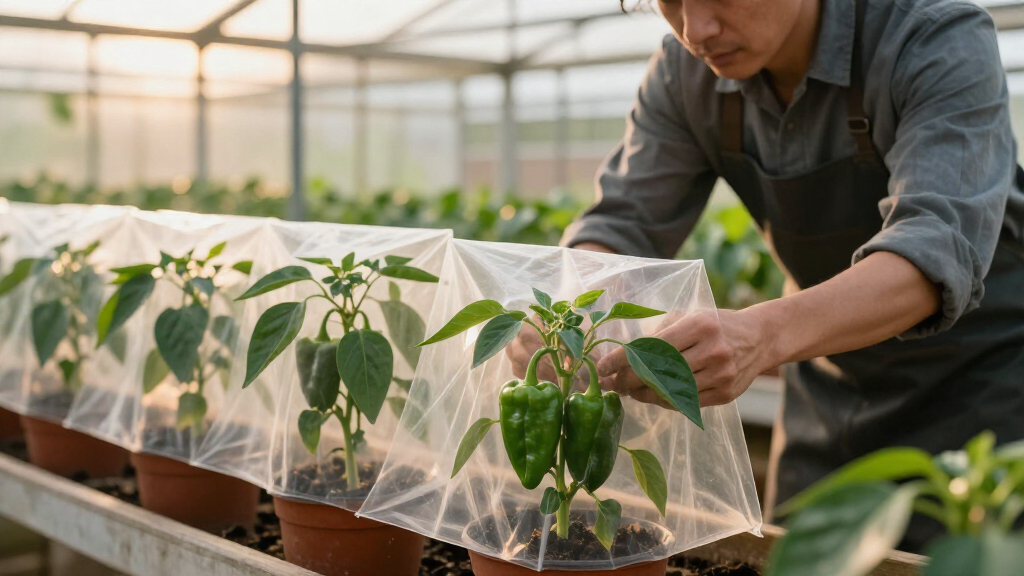
- Frost cloths: Drape lightweight fabric over plants before sunset, removing in the morning. This barrier traps the heat radiating from the ground and plant tissues, creating a microclimate that can raise temperatures by several degrees—often enough to prevent frost damage.
- Container mobility: Move potted peppers into a garage, shed, or indoors when frost is forecast. This allows you to control the environment directly, eliminating exposure to damaging cold.
- Supplemental heat: Use string lights or small heat lamps, but keep safety in mind—never leave unattended. These can provide extra warmth during the coldest nights, especially if your microclimate isn’t sufficient.
For example, a gardener in Nevada draped old blankets over her pepper plants during a cold front, then removed them with the sunrise. It’s simple but effective. The key is understanding that combining methods—like mulching and covering—provides layered protection, which is more reliable than relying on a single approach. This layered strategy minimizes the risk of frost damage and ensures more consistent plant health during unpredictable cold snaps.
As an affiliate, we earn on qualifying purchases.
Why Container Growing Makes Overwintering Easier
Growing peppers in containers makes overwintering much simpler. You can move pots indoors or into a protected spot when cold weather hits. This flexibility reduces the risk of frost damage and allows you to manage the environment directly. It’s like having a portable greenhouse, giving you control over temperature and humidity.
Imagine a gardener bringing her potted peppers into her sunroom for the winter. They still get enough light and warmth without the risk of frost. This approach also means you can position plants in the warmest spots during cold spells, maximizing their chances of survival.
Plus, containers warm up faster than ground soil, giving your plants a slight edge in cooler weather. The tradeoff is that containers require regular watering and fertilizing, but the ease of moving plants indoors often outweighs these concerns.
Just make sure your pots have good drainage, and bring them inside before temperatures drop below freezing. This method offers a practical, low-effort way to maintain productive plants through winter, especially if you have limited space or unpredictable weather.
Latest Tools and Tricks to Keep Peppers Warm in Winter
Technology and DIY solutions are making overwintering easier. Cold frames, mini-greenhouses, and soil heating cables are becoming more affordable and accessible, allowing gardeners to customize their protection strategies. These tools extend the growing season and reduce the need for constant manual intervention.
A garden in Southern California built a simple cold frame from old windows, which raised temperatures inside by 10-15°F—enough to keep peppers safe during cold nights. This demonstrates how repurposing materials can create effective microclimates without significant expense.
Indoor grow lights are another game-changer. With a few LED grow lamps, you can keep your peppers happy and productive through winter, even in a small apartment. The tradeoff here is the initial investment and energy use, but the payoff is a continuous harvest and healthier plants.
Breeding new, cold-tolerant pepper varieties is also on the rise, promising more options in future seasons. These innovations mean that overwintering is becoming more accessible and less labor-intensive, enabling even novice gardeners to succeed.
Watering and Fertilizing Your Pepper Plants in Winter
During winter, your pepper plants enter a dormancy-like state, so they need less water. Overwatering can lead to root rot, especially when soil stays cold and damp. Proper watering is essential because excessive moisture combined with cold temperatures creates an environment conducive to fungal diseases, which can quickly devastate your plants.
Reduce watering to once every couple of weeks or when the soil feels dry a couple of inches down. Use a balanced, low-nitrogen fertilizer if they’re still growing a little. Over-fertilizing during dormancy can encourage weak, leggy growth that’s vulnerable to cold stress. The key is to strike a balance—providing enough nutrients to maintain plant health without stimulating vigorous growth that’s unfit for winter conditions.
For example, a gardener in Arizona notices her potted peppers drop their leaves during the cold, so she waters sparingly and avoids fertilizing until spring. This cautious approach helps prevent stress and keeps plants healthy for the next growing season. Monitoring soil moisture and adjusting your routine based on weather conditions ensures your plants aren’t over- or under-fed, which is critical during the winter months when their resilience is tested.
Pruning and Maintenance to Keep Pepper Plants Healthy in Cold
Pruning helps keep your pepper plants in shape and removes damaged or dead limbs. It also improves airflow, reducing disease risk during damp winter nights. Proper pruning encourages the plant to allocate energy toward healthy growth and can help prevent fungal infections that thrive in cold, humid conditions.
Trim back any weak stems or leaves that look stressed. This encourages new growth when spring arrives and reduces the plant’s overall stress during the cold season. The tradeoff is that over-pruning can weaken the plant or reduce fruit production; therefore, pruning should be strategic—focusing on removing only the most damaged or diseased parts.
For example, a gardener in Las Vegas prunes her peppers heavily in fall, leaving just a few healthy branches wrapped in frost cloth. This focused pruning minimizes disease risk and prepares the plant for winter recovery. Always clean tools after pruning to prevent pests or disease from spreading, ensuring your plant remains healthy and resilient through the cold months.
Frequently Asked Questions
When should I start protecting my pepper plants for winter?
Begin covering or moving plants when nighttime temperatures drop below 55°F. Keep an eye on local forecasts, especially during late fall.Can I keep my pepper plants outside during winter in the low desert?
Yes, if temperatures stay above freezing and you use protection like frost cloths or microclimates. Otherwise, moving them indoors or into a greenhouse is safer.What’s the easiest way to protect peppers from frost?
Drape frost cloths over plants before sunset and remove in the morning. For potted plants, moving them into a sheltered spot or indoors works even better.Is overwintering worth the effort?
Absolutely. It saves your mature plants and gives you an early start in spring, with less replanting and more consistent harvests.How do I know if my pepper plant is too cold?
Signs include slowed growth, wilting, blackened leaf tips, or cracking stems. Protect early and often to avoid damage.Conclusion
Protecting your pepper plants in the desert isn’t about complex magic—it’s about smart, simple steps that shield them from cold and keep them thriving. With a little effort, you can enjoy fresh peppers well into winter, even when the nights turn chilly.
Think of your garden as a warm little refuge for your plants. When you give them that extra layer of protection, you’re not just saving plants—you’re extending your season and boosting your harvest. Keep it simple, stay attentive, and your peppers will thank you.
Halloween Picks
halloween
As an affiliate, we earn on qualifying purchases.