
TL;DR

Get garden gear delivered free — and shop member deals
- Fast, free delivery on millions of items
- Access to Prime Big Deal Days deals on October 6–7
- Prime Video, Amazon Music and more included
Starting tomatoes in June can give you a fall harvest if timed right. It involves managing heat, timing seedling growth, and choosing the right varieties. Proper care ensures your plants are ready for a September transplant and fruitful season ahead.
Imagine planting tomato seeds in June and harvesting ripe tomatoes by September—sounds ambitious, but it’s doable in the right desert climate. The trick lies in timing, variety choice, and keeping seedlings healthy through the heat. This guide walks you through how to get those plants from seed to harvest, even in the sizzling months.
If you’re tired of waiting until spring or summer’s relentless heat crushes your plans, starting fall tomatoes early can stretch your gardening season. It’s about working with your climate, not against it. Let’s explore how to make June sowing work for a lush, productive fall crop.
Work backward from your first frost date to time your seed sowing accurately.
June sowing can work if seedlings are pottered into larger containers or propagated via cuttings.
Choose heat-tolerant, early-maturing varieties for a better fall harvest.
Gradually harden seedlings outdoors to reduce transplant shock in September heat.
Monitor pests and diseases daily, especially in fall, to keep plants healthy.
Starting Fall Tomatoes in June for a September Transplant
June sowing can produce a productive fall crop—but only with active management. Work backward from cold weather, protect seedlings from extreme heat, pot them up before roots bind, and favor fast, heat-tolerant varieties.
Start with frost, then count backward.
“Days to maturity” usually begins at transplant—not at sowing. Your schedule must include establishment, flowering, fruit set, and slower autumn ripening.
A practical 80-day runway
A 70-day tomato plus a 10-day adjustment needs about 80 days after transplant. If frost arrives in mid-November, the plant should be established well before that final window closes.
Early sowing works only when the hold is managed.
June offers backup plants and a head start before peak heat. It also creates extra weeks in which seedlings can become crowded, root-bound, stressed, or prematurely reproductive.
You can control the environment.
- Seeds are started before extreme midsummer heat.
- Seedlings receive strong light and cooler nights.
- Plants are shifted into progressively larger containers.
- Backup plants or later cuttings are part of the plan.
- Shade, airflow, and watering are checked consistently.
Mid-July to early August
This timing more closely matches the normal six- to eight-week seedling window for a September transplant. A younger, actively growing plant can establish faster than a large transplant already under stress.
- Less time spent holding plants in containers.
- Lower risk of early flowering and root congestion.
- Reduced labor for repeated potting and pruning.
Give the roots room before the top gets unruly.
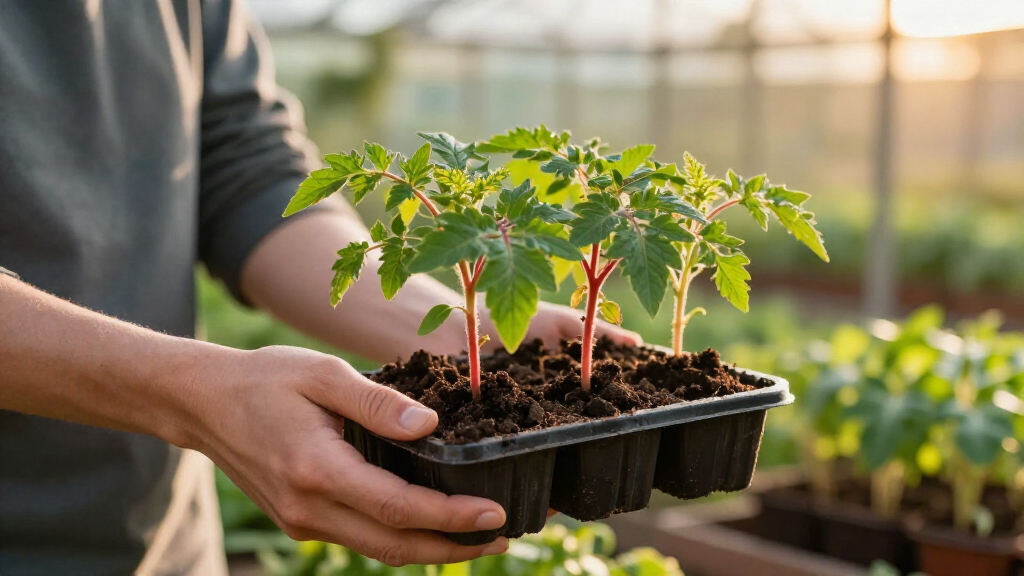
Seedlings started in June should never remain in tiny cells until September. Pot up before roots circle densely and keep growth compact with light, spacing, and measured feeding.
Seed-starting cell
Use sterile, free-draining medium in a protected location.
First true leaves
Move promptly once the first true leaves are established.
3–4 inch pot
Build a sturdy root system without keeping the mix saturated.
Quart–1 gallon
Use the larger container only when plants must be held longer.
What keeps seedlings compact
Choose the path that matches your capacity.
The best sowing date depends on whether you can provide repeated potting, bright light, airflow, shade, and daily attention through the hottest part of the year.
| Strategy | Labor | Overgrowth risk | Backup value | Best use |
|---|---|---|---|---|
| June sowing + potting up | ~ High | ~ Moderate | ✓ Excellent | Controlled environments and careful growers |
| Mid-July sowing | ✓ Moderate | ✓ Lower | ~ Good | Balanced timing for many September transplants |
| Early-August sowing | ✓ Lower | ✓ Low | ~ Limited | Fast varieties and long, warm autumns |
| June stock plant + cutting | ~ High | ✓ Resettable | ✓ Excellent | Fresh September clones from proven plants |
| June sowing in tiny cells | ✗ False economy | ✗ Very high | ✗ Poor | Not recommended for a long hold |
Favor speed, heat tolerance, and resilience.
Short-season tomatoes improve the odds of ripening before cold weather. Warm-night fruit set and disease resistance become especially valuable in a fall crop.
Cherry types
Smaller fruit often ripens sooner and may set more reliably during warm conditions. ‘Juliet’ is one example to investigate for local suitability.
Determinate types
A compact production window can be useful when the autumn season is short and frost creates a hard deadline.
Heat + disease traits
Look for heat-setting performance and resistance codes for threats such as Fusarium wilt or nematodes. ‘Heatmaster’ is one example.
Every decision supports the next.
Transplant a growing plant—not a stressed survivor.
Harden seedlings gradually, transplant during a cooler weather window when possible, and continue watching for pests, disease, water stress, and blossom drop.
How to Time Your Tomato Start for a September Harvest
The secret to a successful fall tomato crop begins with timing. You need to work backward from your first expected frost date. In most desert zones, frost hits around late October or early November, giving you roughly 10–14 weeks from sowing to harvest.
Calculate your variety’s days to maturity—this means days from transplanting to ripe fruit. Add 10–20 days for seedling recovery and flowering. Short-season or early-maturing varieties are your best bets. If the first frost is in mid-November, planting in late July or early August often hits the sweet spot.
For example, if your chosen variety takes 70 days to ripen, and you add 10 days for transplant adjustment, sow in mid-July. This timing ensures your plants are flowering and setting fruit when temperatures are cooler, boosting your odds of a fall harvest.
As an affiliate, we earn on qualifying purchases.
Why June Sowing Isn’t Always the Best Choice (But When It Works)
Sowing in June can be tricky. Tomato seedlings started too early risk becoming root-bound, flowering prematurely, or suffering nutrient stress by September. When seedlings are overgrown or too mature, they often prioritize foliage over fruit development, which can lead to delayed or reduced yields. Additionally, overly mature plants may struggle to produce new fruit quickly once transplanted, especially under the intense heat of late summer. This means your efforts could result in a plant that’s less productive during the critical fall window.
However, June can work if you use controlled environments—like potting up seedlings into larger containers, taking cuttings, or growing under shade until cooler weather arrives. For instance, if you start seedlings in early June and pot them into 1-gallon containers, you can hold them until September without overgrowth. This approach allows you to circumvent the issues of overmaturity and heat stress, giving your plants a fresh start at the right time.
The key is to avoid waiting too long in small pots or letting plants flower early, which can delay fruiting and reduce overall yield. It’s more about managing plant size and health than just sowing early. The tradeoff involves extra effort in potting and timing but can pay off with a healthier, more productive plant in the fall.
tomato seed starting kit for fall harvest
As an affiliate, we earn on qualifying purchases.
As an affiliate, we earn on qualifying purchases.
Mastering Tomato Germination and Seedling Care in Hot Weather
Tomatoes love warmth but hate extreme heat during germination. The ideal soil or root-zone temperature is around 75–85°F (24–29°C). In desert heat, start seeds indoors or in shaded, air-conditioned spots to prevent scorching. If you place trays in direct sun, germination slows or stalls, and seedlings can become weak or spindly.
Once seedlings emerge, give them bright, consistent light—about 14–16 hours daily—and cool nighttime temperatures. Proper lighting prevents leggy, weak plants. Keep airflow high and avoid overwatering, which can cause damping-off disease. This combination ensures seedlings develop strong stems and healthy roots, critical for their future resilience.
If you’re starting seeds in June, consider using grow lights and a fan to create a stable, cool environment that promotes strong, stocky seedlings ready for potting up and eventual transplanting. This control over environment reduces stress and increases the likelihood of healthy plants that can withstand the heat and transplant shock later.
As an affiliate, we earn on qualifying purchases.
Potting Up and Managing Seedlings for a Long Hold
Seedlings started in June should never stay in tiny cells until September. They need room to grow, so move them into larger containers as soon as true leaves appear. A practical approach: start in small cells, then transfer to 3-4 inch pots, and eventually into 1-quart or 1-gallon containers.
This prevents root binding and allows plants to develop sturdy stems and healthy root systems, which are essential for their long-term health and productivity. Well-drained, sterile potting mix is a must—nothing kills seedlings faster than soggy, disease-prone media. Proper potting up not only supports healthy growth but also reduces the risk of transplant shock when moving plants outdoors.
For instance, if your seedlings are in 2-inch pots by mid-June, switch them into 1-gallon containers by late July. Proper potting up keeps the plants healthy and ready for transplanting in September, even after a long haul. This strategic move ensures your seedlings are robust enough to handle the final transition to outdoor conditions and the upcoming heat stress.
As an affiliate, we earn on qualifying purchases.
Controlling Plant Size Without Stressing Young Tomatoes
Keeping seedlings manageable is key in a long hold. Avoid overfeeding nitrogen, which makes lush foliage but delays flowering, and can lead to overly floppy, weak plants that are prone to disease. Use intense light—LED grow lights work great—to keep plants compact and sturdy, mimicking natural sunlight. Let the surface of the soil dry slightly between watering to prevent overhydration, which can cause root rot and other issues.
Spacing is critical. Crowded plants compete for light and air, increasing disease risk. When plants are too large, root cuttings can be a smart move—simply take a healthy stem, root it in moist medium, and grow a clone of your best plant. This method allows you to maintain genetic consistency and manage plant size effectively, especially when space or timing becomes tight.
For example, if a seedling gets too tall and floppy by late August, root a cutting from the top to produce a fresh, vigorous plant for September transplanting. This approach minimizes stress on the main plant and ensures a healthy, productive crop in the limited time remaining.
Picking the Right Tomato Varieties for a Fall Finish
Choose varieties that are early, heat-tolerant, and disease-resistant. Cherry tomatoes often ripen faster and set fruit more reliably during warm nights, making them ideal for shorter seasons. Determinate types produce a concentrated crop, which is perfect if your season is short and you want a quick harvest. These traits matter because they directly influence your success—early maturity ensures fruit before the first frost, heat tolerance prevents blossom drop, and disease resistance reduces losses from common pathogens.
Look for seed packets with resistance codes—like Fusarium wilt or nematodes—and pick those suited for your region. A good example: ‘Juliet’ cherry tomatoes or ‘Heatmaster’ are known for setting fruit under high temps. Selecting the right varieties minimizes the risks associated with unpredictable weather and helps you achieve a reliable, abundant fall harvest.
In your desert garden, selecting varieties with a reputation for heat tolerance and early maturity boosts your chances of a successful, bountiful fall harvest. These choices are investments in your garden’s resilience and productivity, especially when the season window is tight.
Getting Your Young Tomatoes Ready for Outdoor Life
Gradual hardening is a must. About a week before transplanting, start exposing your seedlings to outdoor conditions—shade first, then increasing sun and wind exposure gradually. This process helps plants develop toughened tissues, making them more resilient to the stresses of sudden outdoor conditions. Proper hardening reduces transplant shock, which can cause wilting, slowed growth, or even plant death if not managed well.
For example, place seedlings in a shaded area for a couple of hours daily, then extend exposure over several days. Protect plants from intense afternoon sun initially, especially in late summer heat, to prevent sunscald and stress. Transplant late in the day or on a cloudy day to minimize shock and give plants a gentle start in their new environment. Proper hardening ensures your plants settle in quickly, start flowering sooner, and produce fruit more reliably.
Handling September Heat and Protecting Your Tomato Plants
September can still be scorchingly hot—sometimes over 100°F (38°C). To help your plants survive, transplant during cooler parts of the day or late afternoon. Use mulch to keep roots cool and soil moist, but keep it away from stems to prevent rot. Mulching conserves soil moisture and moderates temperature fluctuations, which is crucial during extreme heat. It also reduces watering frequency, helping prevent stress-related issues like blossom-end rot.
Temporary shade cloth or a light row cover during peak heat can ease transplant shock and reduce stress. Water consistently to prevent uneven watering or blossom-end rot, which is often caused by inconsistent moisture levels. Avoid fertilizing heavily at planting—wait until plants are established—to prevent excessive growth that can make plants more susceptible to heat stress. These small measures collectively create a more stable environment, allowing your plants to focus energy on fruit production even in high temperatures.
In your desert garden, these strategic steps can mean the difference between a stressed, stunted plant and a thriving, fruiting tomato. Managing microclimates and providing shade during extreme heat are vital for extending your harvest window into September.
Stay Ahead of Pests and Disease in Fall Tomatoes
Fall seedlings are vulnerable to pests like whiteflies, aphids, thrips, and hornworms, plus fungal and bacterial diseases. Regular inspections are essential—check the undersides of leaves daily—and early detection is key to preventing outbreaks that can devastate your crop. Start with clean containers and media, water early in the day to allow foliage to dry, and space plants for airflow to reduce humidity-related issues. Remove infected leaves or plants immediately to contain problems. Use pest barriers, like fine mesh netting, and rotate planting sites when possible to disrupt pest life cycles.
For instance, if you notice whiteflies, using a gentle insecticidal soap or introducing beneficial insects like ladybugs can help control populations. Vigilance now prevents crop devastation later, saving you time, effort, and potential harvest loss. Implementing integrated pest management strategies ensures your fall tomatoes stay healthy and productive throughout the season.
Creating a Fall Tomato Timeline That Works
For a transplant around September 10, here’s a simple timeline:
- June: Start a few backup plants or stock cuttings. This provides insurance against early setbacks and allows flexibility in timing.
- July: Pot up seedlings, keep them healthy, and plan transplant beds. This stage is critical for developing robust plants that can withstand late-season stresses.
- August: Maintain optimal light, water, and airflow; root cuttings if needed. Focus on strengthening plants and managing growth to prevent overmaturity.
- Early September: Harden seedlings, prepare beds, and ensure irrigation is set. This prepares your plants for a smoother transition outdoors.
- Transplant: Late in the day or during cloudy weather, provide temporary shade if necessary. Proper timing and care in this step are vital to reduce shock and promote quick establishment.
This schedule gives your tomatoes enough time to develop and ripen in cooler weather, even if the calendar’s tight. The key is flexibility and attentive care to adapt to weather fluctuations, ensuring your fall harvest is both successful and timely.
Frequently Asked Questions
Is June too early to start tomatoes for September planting?
Usually, yes, if you’re just sowing seeds in small trays. But if you pot them into larger containers or take cuttings, you can hold plants until September. It’s about managing plant size and health, not just timing.
When should I normally sow for a September transplant?
Most gardeners sow about 6–8 weeks before their targeted transplant date—around mid-July to early August—allowing seedlings to develop fully before planting out.
Can I keep tomato seedlings alive for three months?
Yes, with proper care—larger pots, strong light, balanced nutrition, and vigilant watering—you can sustain seedlings for that long, though they might not all develop into optimal transplant size.
Should I remove flowers before transplanting?
If plants are small or stressed, removing flowers helps redirect energy to root and foliage development. Healthy, vigorous plants may keep some flowers, but removing tiny fruit can speed establishment.
How do I root a tomato cutting?
Take a healthy, non-flowering stem about four to six inches long, remove lower leaves, and place it in moist, sterile medium. Keep humid and out of direct sun until roots develop—then harden before planting outdoors.
Conclusion
Starting fall tomatoes in June is a balancing act—timing, variety, and care are your tools. With patience and attention, you can stretch your garden’s productivity into cooler months. Visualize those bright red tomatoes hanging in early autumn, a reward for your strategic planning and effort.
Remember, in desert gardening, patience and adaptability turn a challenging season into a lush, fruitful one. Now, grab your seeds and get growing—your fall bounty awaits.
Fall yard work Picks
leaf blowers
As an affiliate, we earn on qualifying purchases.