TL;DR

Get garden gear delivered free — and shop member deals
- Fast, free delivery on millions of items
- Access to Prime Big Deal Days deals on October 6–7
- Prime Video, Amazon Music and more included
In the low desert, winterizing your drip irrigation system is a smart move, especially during cold snaps. Proper drainage, insulation, and timing prevent freezing damage and costly repairs, ensuring your garden stays healthy year-round.
Think your low desert climate means you can skip winterizing your drip system? Think again. Even with mostly mild winters, occasional cold spells can send temperatures plunging below freezing, risking cracks or clogs in your carefully installed lines. A little prep now saves you headaches and cash later.
This guide covers whether winterization is necessary, how to do it right, and the latest tips to keep your drip irrigation running smoothly through even the coldest nights.
Even in the low desert, occasional cold snaps justify winterizing to protect your drip system.
Drain lines, disconnect components, and insulate exposed parts before the first freeze.
Newer materials and smart controllers make winterization easier and more reliable.
Timing is key—winterize late fall, before cold nights arrive.
Regular inspection and proper winterization extend your system’s life and save money.
Why Even Mild Winters Can Damage Your Drip System
Drip irrigation is built for desert heat, not freezing cold. When temperatures dip below 32°F, water left in lines or emitters expands as it freezes. That expansion can crack tubing or cause emitters to clog, leading to leaks or total system failure.
Imagine a cold snap late November—your system looks fine until you turn it back on in spring and find broken lines or clogged emitters. That’s a costly fix you can avoid with a bit of winter prep.
Deepening this understanding, it’s important to recognize that water expands approximately 9% when it freezes. This seemingly small increase can exert enough pressure to rupture plastic pipes or dislodge fittings, especially if the system isn’t designed with freeze protection in mind. Moreover, repeated freeze-thaw cycles weaken the integrity of the tubing over time, increasing the likelihood of leaks. Therefore, even minor freezes pose a significant threat to the longevity and functionality of your irrigation system. Proper winterization—draining, insulating, and protecting—acts as a safeguard against the cumulative damage caused by these freeze events, ensuring your system remains reliable season after season.
According to Gardener AZ, even occasional freezes in the low desert can cause damage, especially if the system isn’t drained or insulated.
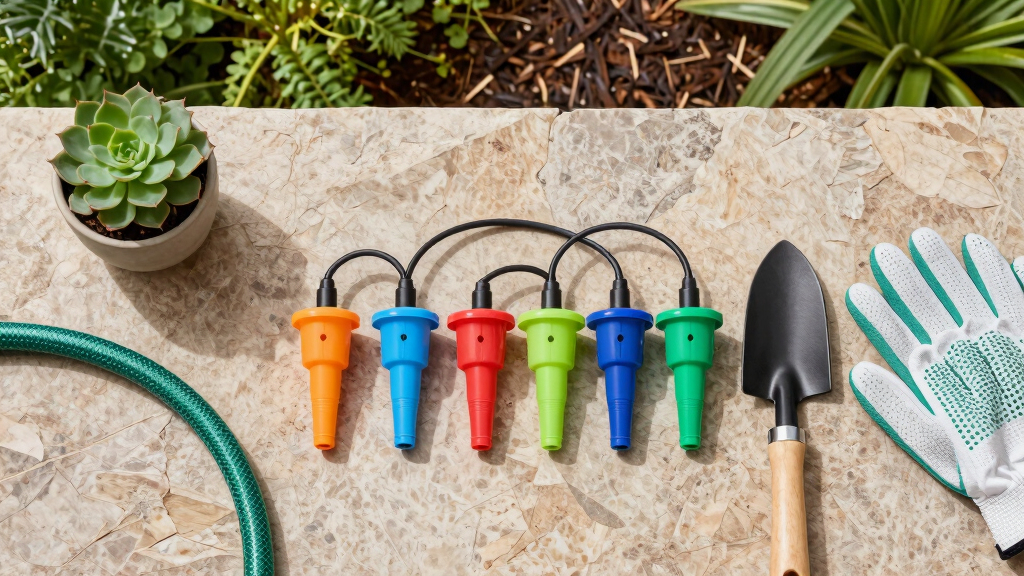
drip irrigation system winterization kit
As an affiliate, we earn on qualifying purchases.
As an affiliate, we earn on qualifying purchases.
How to Winterize Your Drip System in 4 Easy Steps
- Drain the Lines: Use a compressor or manually blow out water from the tubing and emitters. For example, connecting an air compressor to drain valves can clear stubborn water. Properly removing water reduces the risk of expansion and cracking during freezing temperatures. It’s crucial because residual water can remain in small nooks and crannies, which are difficult to drain completely without compressed air or specialized tools. This step is the most effective way to prevent freeze damage, as even tiny amounts of water can cause significant harm when frozen.
- Disconnect Components: Remove hoses, timers, and filters. Store them in a dry place to prevent cracking or corrosion. This prevents water from collecting in these parts and freezing, which could cause cracking or damage. Additionally, storing these components indoors or in a protected area prolongs their lifespan and ensures they function properly when the system is reassembled in spring. Neglecting to disconnect and store can lead to costly repairs or replacements due to freeze-related damage.
- Insulate Exposed Parts: Wrap exposed tubing, valves, or fittings with foam or bubble wrap. This shields against unexpected cold snaps. Insulation acts as a thermal barrier, slowing heat transfer and preventing the temperature of critical parts from dropping below freezing. Especially in areas with unheated sheds or exposed piping, insulation is a simple yet effective method to maintain a slightly warmer microenvironment around vulnerable components. The tradeoff is that improper or insufficient insulation may give a false sense of security, so assess your system’s exposure carefully.
- Adjust or Disable Timers: Stop watering or set timers to off, so the system isn’t running during cold nights. This prevents water from remaining in the lines during freezing conditions, reducing the chance of expansion-related damage. Additionally, disabling timers avoids accidental system activation during cold spells, which could cause further stress or damage. It’s important to note that even if your system automatically turns off, residual water in the lines can still freeze and cause harm, so this step complements the draining and insulation processes.
Imagine a cold night in December—your system is drained, insulated, and turned off. When spring arrives, it’s ready to go, with no cracks or clogs to fix.
According to recent best practices, using manual drain valves and insulated covers greatly reduces winter damage risk.
garden water line blowout compressor
As an affiliate, we earn on qualifying purchases.
As an affiliate, we earn on qualifying purchases.
New Materials and Tech That Make Winterization Easier
| Feature | Benefit |
|---|---|
| Resistant Tubing & Emitters | Less prone to cracking even if some water remains or freezing occurs. |
| Smart Controllers | Automatically adjust watering schedules, reducing winter runoff and freeze risk. |
| Professional Winterization Services | Ensure thorough drainage and protection, especially for large or complex systems. |
In the low desert, newer drip systems use more durable materials that resist cracking. Smart controllers can automatically skip watering when temperatures drop, saving you time and effort.
Many homeowners now hire pros for winterization, especially if they have a large system or limited time. These advances make winter protection more reliable and less hassle.
drip irrigation insulation sleeves
As an affiliate, we earn on qualifying purchases.
As an affiliate, we earn on qualifying purchases.
Should You Skip Winterizing in Mild Winters?
If your area rarely dips below freezing, you might get away without full winterization. But watch the weather. Even a few nights below 32°F can cause damage.
For example, if you live in a part of the low desert where the thermometer stays above freezing most of winter, you could opt for simpler measures like draining lines and insulating exposed parts. Just remember: a single cold snap can undo all that work.
Deepening this understanding, it’s important to consider that even in milder winters, microclimates or unexpected cold fronts can create localized freezing conditions. These microclimates might be influenced by factors such as elevation, proximity to cold bodies of water, or shaded areas that retain cold longer. While the overall temperature trend might be mild, these pockets can still pose a threat to unprotected irrigation components. Therefore, selectively insulating or draining vulnerable parts in these zones can be a prudent approach—balancing effort with risk mitigation. Ignoring winter protection altogether, even in generally mild conditions, can lead to unpredictable damage and repair costs, especially if you rely heavily on your irrigation system for plant health year-round.
As an affiliate, we earn on qualifying purchases.
Timing Matters: When to Winterize in the Low Desert
The best time to winterize your drip system is before the first hard freeze hits. That’s usually late November, but it depends on your local weather. Keep an eye on nightly lows—if they’re approaching freezing, it’s time to act.
For example, in Phoenix, the average first freeze is around December 1st, but cold fronts can arrive earlier. Being proactive means draining and insulating before frost sets in.
Deepening this advice, timing is critical because the window for effective winterization is narrow. Waiting too long not only risks damage from unexpected cold snaps but also means more rushed work, which can lead to incomplete drainage or insulation. Conversely, winterizing too early might be unnecessary if a warm spell is forecasted, but the slight inconvenience is often outweighed by the peace of mind. Monitoring local forecasts and understanding the typical first freeze date helps in planning. For instance, in areas with variable winter weather, it’s wise to prepare a few days before the expected cold snap. Proper timing ensures your system is protected when it’s most vulnerable, reducing the likelihood of costly repairs and system downtime in spring.
Tools and Supplies to Have on Hand
- Air compressor or shop air pump
- Drain valves or quick-connect fittings
- Insulation materials (foam, bubble wrap)
- Protective gloves and goggles
- Optional: professional winterization service
For example, a homeowner in Scottsdale uses a small air compressor to blow out lines each fall. It’s quick, effective, and keeps the system safe from freeze damage.
Having these tools ready before cold weather hits ensures you won’t rush or forget critical steps.
Frequently Asked Questions
Do I need to winterize my drip irrigation system every year?
If your area experiences freezing temperatures, yes. Annual winterization prevents damage from unexpected cold snaps and prolongs your system’s lifespan.
Can I winterize my drip system myself, or should I hire a professional?
Many homeowners can perform basic winterization, like draining and insulating. For large or complex systems, or if you’re unsure, hiring a professional ensures everything is done thoroughly and correctly.
What are the signs my system needs winterization?
Visible leaks, lines that freeze or crack during cold nights, or if you live in an area with occasional freezes, it’s safest to winterize to avoid costly repairs.
Is winterization necessary if I only use my drip system seasonally?
Yes. Even if you only run it part of the year, any risk of freezing means winterization helps prevent damage during cold spells.
Are there alternatives to full winterization?
In milder winters, some homeowners choose to drain lines and insulate exposed parts rather than complete winterization. It depends on your local temps and risk tolerance.
Conclusion
Protecting your drip irrigation from cold damage isn’t about overkill—it’s about smart care. A few simple steps now mean fewer repairs and a healthier garden come spring.
Imagine your system ready to spring back to life after winter, not frozen and cracked. That peace of mind is worth a little effort—your plants will thank you.
Fall yard work Picks
leaf blowers
As an affiliate, we earn on qualifying purchases.