TL;DR

Get garden gear delivered free with Prime
- Fast, free delivery on millions of items
- Prime Video, Amazon Music and more included
- Member-only deals all year
For seedlings started in February, a careful drip schedule keeps roots moist without drowning them. Daily watering of 10-15 minutes, adjusted by soil moisture, supports healthy growth and easy transplanting.
Start with a 10-minute daily drip cycle immediately after transplanting seedlings in February.
Use soil moisture checks or sensors regularly to adjust watering and prevent over- or underwatering.
Tailor watering frequency and duration to specific plant needs, remembering that greens prefer moist soil, herbs like a bit drier.
Automate your drip system with timers or smart controllers for consistent, stress-free watering.
Watch for signs of improper watering—wilting, yellowing, mold—and adjust your schedule accordingly.
Drip Schedules for Seedlings Started in the February Window
Seedlings started in February need steady moisture, not soaked soil. A careful drip schedule begins with a 10 to 15 minute daily cycle, then shifts by crop, container size, weather, and soil moisture readings.
Moisture sensors can reduce water waste by up to 30% while keeping seedlings evenly hydrated.
The February Watering Baseline
Begin immediately after transplanting seedlings into pots or beds. Keep the first schedule gentle and predictable, then let the soil tell you when to reduce, extend, or skip a cycle.
Settle the Soil
Run drip lines right after transplanting to firm the growing medium around delicate roots without washing them out.
Keep It Light
Most February seedlings prefer 10 to 15 minutes per cycle, enough for moisture without soggy roots.
Adjust by Crop
Lettuce and leafy greens like consistent moisture, while woody herbs prefer a little more drying time.
Compare Schedule Options
Use this as a starting map. Soil type, sun exposure, indoor humidity, pot size, and crop stage should still shape the final timer setting.
| Method | Frequency | Duration | Best For | Water Control |
|---|---|---|---|---|
| Daily short cycles | Every day or every other day | 10-15 minutes | Moisture-loving greens like lettuce and tender herbs | ✓ Strong |
| Alternate day watering | Every 2 days | 15-20 minutes | Peppers, deeper containers, slightly larger seedlings | ~ Monitor |
| Sensor-based scheduling | Automatic by soil moisture | Varies | Mixed crops, smart timers, water-saving setups | ✓ Best |
| Fixed long watering | Infrequent heavy cycles | 25+ minutes | Established plants, not tender February seedlings | ✗ Risky |
Five-Step Drip Rhythm
Think of the schedule as a loop: water, read the soil, watch the plant, adjust the timer, repeat.
Transplant
Set seedlings into pots or beds and confirm emitters reach each root zone.
Drip
Start with a 10 minute daily cycle for gentle, even moisture.
Check
Test soil a couple inches down or read a moisture sensor.
Tune
Skip, shorten, or extend cycles based on dampness and crop response.
Harden
Prepare seedlings for stronger sun and transplanting with resilient roots.
Moisture Intelligence
The best schedule is not the wettest schedule. It is the one that keeps the root zone evenly moist while leaving enough oxygen in the soil.
Crop Moisture Preference
Watch These Signals
Trace the Water-Wise Chain
A good February drip plan connects each decision to the next, from timer settings to transplant strength.
Fast Answers for February Starts
Use these quick checks when the timer is set but the seedlings are telling a different story.
How do I know they need watering?
Feel the soil a couple inches down. If it is dry there, water. If it is still damp, skip or shorten the next cycle.
Can I automate the schedule?
Yes. Timers and smart controllers keep watering consistent, and sensor-based systems adjust when soil moisture changes.
How long should each cycle last?
Most February seedlings do well with 10 to 15 minutes per drip cycle, then fine-tuning by crop and container size.
What is the biggest mistake?
Overwatering. Soggy soil invites root rot, mold, and damping-off, especially in cool indoor or greenhouse conditions.
When to Start Watering Your February Seedlings with Drip Irrigation
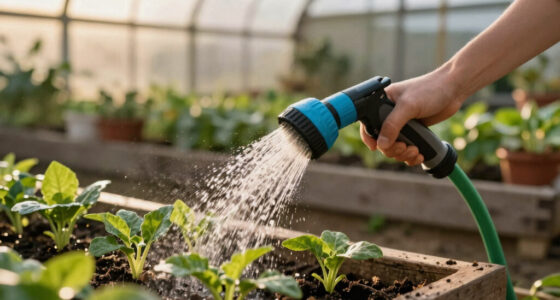
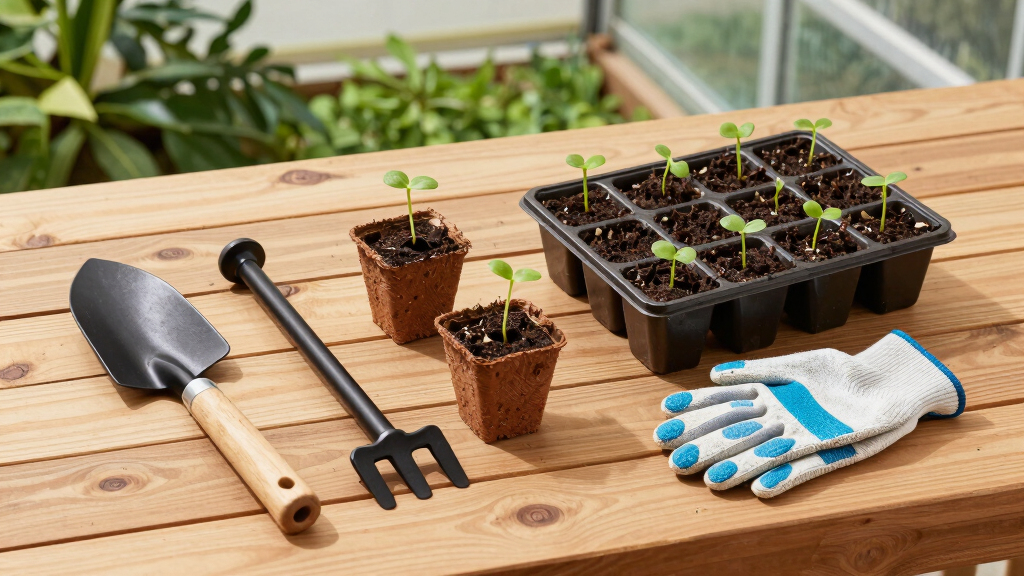
Right after transplanting into their pots or beds, your seedlings need a gentle, consistent supply of moisture. Early watering helps settle the soil and prevents damping-off disease. For seedlings started indoors or in greenhouses, this means running the drip system for just 10 minutes daily. Outdoors, keep a close eye—soil can dry out faster with the spring sun beating down.
Imagine planting a row of basil on a warm February morning. You water lightly, just enough to settle the soil without washing away delicate roots. As days warm, your watering routine must adapt—more on that below.
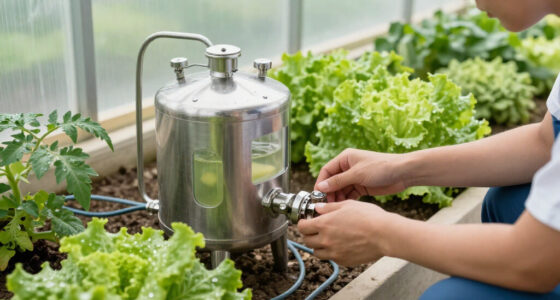
automatic drip irrigation system for seedlings
As an affiliate, we earn on qualifying purchases.
As an affiliate, we earn on qualifying purchases.
How Often and How Long? Setting Your Drip Schedule Just Right
Seedlings in February thrive on regular, light watering. Most gardeners start with a daily 10-15 minute cycle. This keeps the soil moist but not soggy, preventing root rot and damping-off. As your seedlings grow, you might extend or reduce frequency depending on soil moisture and weather.
For example, lettuce seedlings in a 4-inch pot may need 10 minutes daily, while larger herbs might stretch to every other day. Use a timer or a smart controller to keep this consistent—your plants will thank you.
Here’s a quick rundown:
As an affiliate, we earn on qualifying purchases.
Compare: Drip Schedule Options for February Seedlings
| Method | Frequency | Duration | Best For |
|---|---|---|---|
| Daily short cycles | Every day or every other day | 10-15 minutes | Moisture-loving greens like lettuce, herbs |
| Alternate day watering | Every 2 days | 15-20 minutes | Plants with slightly deeper roots, like peppers |
| Sensor-based scheduling | Automatically adjusts based on soil moisture | Varies | Varied crops, water-saving focus |
As an affiliate, we earn on qualifying purchases.
Monitoring Moisture and Preventing Overwatering
Soil moisture is your best friend. Use simple tools like a moisture meter or check soil with your finger—if it feels damp a few inches down, hold off watering. Overwatering can drown roots and invite mold, especially in the cool, humid indoor or greenhouse environment of February.
Imagine gently poking your finger into the soil—if it’s still moist, skip a cycle. If it’s dry, give it a light soak. Adjust your drip timer accordingly. For example, if you notice yellowing leaves, it might be a sign of too much watering.
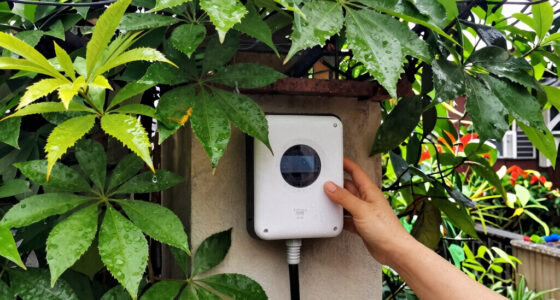
plant watering timer for seedlings
As an affiliate, we earn on qualifying purchases.
As an affiliate, we earn on qualifying purchases.
Tailoring Drip Schedules for Different Plants Started in February
Different plants have different water needs, even in the early weeks. Lettuce and leafy greens prefer consistently moist soil, while herbs like rosemary need a bit more leeway. Tomatoes, if started early indoors, may need a slightly deeper watering as they grow.
If you’re starting multiple crops, create a simple chart like this:
Automating Your Drip System for Consistent Care
Modern timers and smart controllers make watering a breeze. Set your drip to run daily or every other day for 10-15 minutes, and let the system do the work. Some controllers even use soil moisture sensors to adapt watering on the fly.
This takes the guesswork out of early spring care and ensures your seedlings stay consistently moist—even if you get busy or forget. It’s a small investment that pays off in healthy, vigorous plants.
Watch for Signs of Improper Watering
Wilting, yellowing, mold, or damping-off disease are red flags. If your seedlings wilt midday, they might be overwatered—check soil moisture and cut back. If they look droopy without symptoms of disease, they could be underwatered.
For example, a batch of cilantro started in February might look lush one day, then droopy the next. Adjust your drip schedule—maybe extend the cycle or increase frequency slightly.
Frequently Asked Questions
How do I know when my seedlings need watering?
Check the soil moisture by feeling it a couple of inches down. If it feels dry, it’s time to water. Also, observe your seedlings—wilting or drooping leaves often signal thirst or overwatering. Using a moisture sensor can help automate this check.Can I automate drip watering for seedlings started in February?
Yes! Using timers or smart controllers that respond to soil moisture sensors makes it easy to keep watering consistent and tailored to your seedlings’ needs. Automation saves time and reduces guesswork.How long should each drip cycle last for seedlings?
Most seedlings do well with 10-15 minutes per cycle. Adjust based on soil type, container size, and plant response. The goal is to keep the soil moist but not soggy—check regularly to fine-tune.What’s the biggest mistake I can make with drip watering in February?
Overwatering is the most common error. It leads to root rot and disease. Always monitor soil moisture and adjust your schedule accordingly—less is often more, especially in cooler, humid environments.Are there specific crop schedules for February-started seedlings?
Yes. Leafy greens like lettuce and spinach prefer consistently moist soil, while herbs such as rosemary and sage tolerate drier conditions. Tailor your drip schedule based on each crop’s natural water needs for best results.Conclusion
A well-tuned drip schedule isn’t just about watering — it’s about creating a steady rhythm that your seedlings rely on. As the desert warms, your plants will flourish if you keep that rhythm gentle, consistent, and tuned to their needs. Think of it as giving each tiny seedling a whispered promise: I’m here, I care, and I’ll keep you thriving. Water wisely, and your early spring garden will reward you with lush, strong plants ready for the desert sun.Fall yard work Picks
leaf blowers
As an affiliate, we earn on qualifying purchases.