TL;DR

Get garden gear delivered free — and shop member deals
- Fast, free delivery on millions of items
- Access to Prime Big Deal Days deals on October 6–7
- Prime Video, Amazon Music and more included
Drip irrigation saves water by delivering it directly to plant roots. Proper design involves planning lines, choosing the right emitters, and dividing your yard into zones—making your landscape thrive with less water.
Imagine your desert yard lush and thriving, not dried out and dusty. That’s achievable with a properly set up drip irrigation system. It’s not just about watering; it’s about watering smart—delivering just enough water directly to roots, where plants drink best. Understanding how to lay out lines, pick the right emitters, and divide your yard into zones makes all the difference.
If you’re tired of wasting water or struggling to keep plants alive in the heat, this guide will walk you through the essentials. From choosing pipe sizes to managing zones, you’ll learn how to build a system that works efficiently and lasts for years.
Match emitter flow rates to plant size and soil type to avoid over- or underwatering.
Divide your yard into zones based on plant needs and sun exposure for better water efficiency.
Regularly check and clean emitters and filters to prevent clogging and system failure.
Use appropriately sized pipes—½ inch for main lines in most desert yards—to balance flow and pressure.
Adopt smart controllers, timers, and eco-friendly materials to boost system sustainability and ease of use.
What Are Drip Irrigation Lines and How Do They Work?
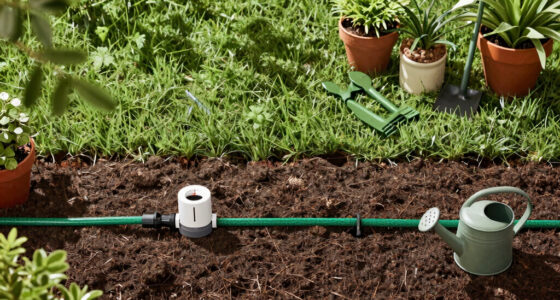
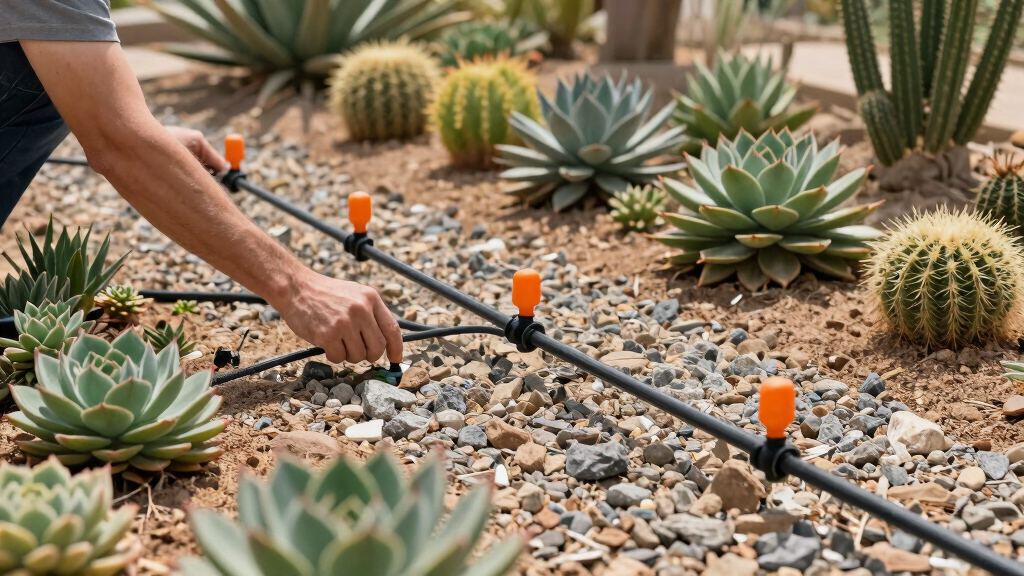
Drip irrigation lines are the backbone of your watering system. They’re usually made of flexible polyethylene tubing that snake along your garden beds. These lines connect to a main supply line, splitting into smaller branches that deliver water slowly—like a gentle rain—directly at the roots.
Imagine a garden bed with a thick, black main line running along the edge. From there, smaller tubes branch off, snaking between plants. Each of these smaller tubes has tiny holes or emitters that release water drop by drop. You can think of it as a tap tap-tapping water right where each plant’s roots are hungry for it.
Planning your lines means minimizing length, avoiding kinks, and positioning them where your plants need coverage. Burying lines just below the soil surface keeps them safe from the sun and critters, while still allowing water to seep out evenly. This careful planning ensures even distribution, reduces water waste, and prevents overwatering or dry patches, which can lead to plant stress or disease. Properly laid-out lines also make maintenance easier, as you can quickly identify and fix clogged or damaged sections, ensuring consistent watering over time.
Why does this matter? Well-placed and well-planned lines ensure your water reaches every plant efficiently, reducing waste and preventing the common issues of dry patches or over-saturation. If lines are too long or poorly positioned, water can unevenly distribute, leading to stressed plants or wasted resources. The tradeoff is between complexity and coverage: more intricate layouts may be more effective but require careful planning, so investing time upfront pays off with healthier plants and less water use.
drip irrigation system kit for desert yard
As an affiliate, we earn on qualifying purchases.
As an affiliate, we earn on qualifying purchases.
Choosing the Right Emitters for Your Desert Plants
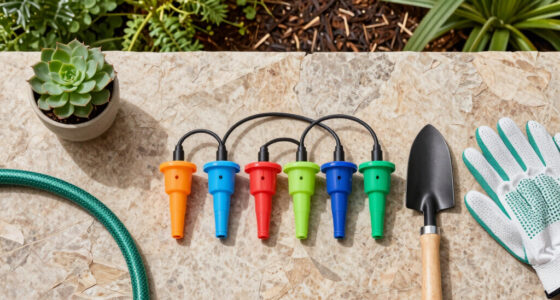
Emitters are tiny devices attached to your tubing that control water flow—measured in gallons per hour (GPH). Picking the right emitter depends on what your plants need and your soil type. For deep-rooted shrubs, 2 GPH emitters deliver enough water without over-saturating. Small succulents or cacti prefer 0.5 GPH or less, soaking in just a splash.
Understanding why emitter choice matters is key. Too high a flow rate for delicate plants can lead to waterlogging, root rot, or fungal diseases, especially in poorly draining soils common in desert environments. Conversely, too low a flow may result in under-watering, causing stress or stunted growth. The tradeoff lies in balancing water delivery with absorption capacity—overwatering wastes water and can harm plants, while underwatering stresses them and hampers growth.
For example, selecting an emitter with too high a flow rate for a cactus can drown its roots, leading to rot. On the other hand, using a very low GPH emitter on a large shrub might mean it doesn’t get enough water, affecting growth and resilience. The key is to match emitter flow rates to plant size, root depth, and soil absorption characteristics. Regularly checking and cleaning emitters prevents clogging from mineral deposits, which are common in desert water sources, ensuring consistent watering. Using filters at system entry points helps maintain emitter performance. Proper emitter choice and maintenance not only keep plants healthy but also conserve water—both vital in arid climates where resources are limited.
In essence, understanding the implications of your emitter choices means you can tailor watering precisely, avoiding the common pitfalls of over- or underwatering. This balance promotes healthier plants, better growth, and more efficient water use, which is crucial for sustainability in desert landscapes.
adjustable drip emitters for plants
As an affiliate, we earn on qualifying purchases.
As an affiliate, we earn on qualifying purchases.
How to Divide Your Yard into Water Zones for Maximum Efficiency
Dividing your yard into zones means grouping plants with similar water needs and exposure. Start by walking your yard with a notepad. Identify areas with shade or full sun, and note different plant types—succulents, shrubs, flower beds.
Assigning zones isn’t just about convenience; it’s about optimizing water efficiency. Plants with similar needs can be irrigated together, reducing waste and preventing over- or underwatering. For example, desert trees may require deep, infrequent watering, while succulents need only brief, light watering. Grouping these plants into separate zones allows for tailored schedules, which can save significant water and energy.
Follow these steps to set up zones:
- Map out your yard’s different areas.
- Group plants based on water needs and sun exposure.
- Designate separate valves and timers for each zone.
- Adjust watering schedules seasonally, considering changes in weather and plant growth cycles.
This strategic zoning prevents runoff, minimizes water waste, and ensures each plant receives appropriate hydration. Proper zoning also allows you to customize watering durations and frequencies for each group, which is especially important in desert environments where water conservation is vital. For example, a zone with desert trees might need deep, infrequent watering early in the morning, while a zone with succulents might only require a quick soak. The tradeoff is that more zones require more equipment and planning upfront, but the long-term water savings and healthier plants make it worthwhile.
Gardener AZ emphasizes that proper zoning not only conserves water but also reduces runoff and soil erosion, creating a healthier landscape overall.
As an affiliate, we earn on qualifying purchases.
Compare Main Pipe Sizes and Their Impact on System Performance
| Pipe Size | Water Flow Capacity | Ideal Use |
|---|---|---|
| ¼ inch | Up to 2 GPH per emitter | Branch lines to individual plants or small groups |
| ½ inch | Up to 8 GPH | Main supply lines, connecting to multiple zones or larger plant groups |
| ¾ inch | Up to 15 GPH | Primary water source connection in larger yards or systems requiring higher flow |
Choosing the right pipe size isn’t just about capacity; it influences the entire system’s performance. Smaller pipes, like ¼ inch, are suitable for targeted watering but are more prone to clogging if debris enters or if flow exceeds their capacity. Larger pipes, such as ½ or ¾ inch, carry more water with less pressure drop, ensuring uniform distribution across larger areas. In desert yards, using ½ inch main lines strikes a good balance—supporting adequate flow while maintaining manageable installation and reducing pressure issues. Proper sizing prevents problems like uneven watering, dry patches, or leaks, which can compromise plant health and waste water. The tradeoff is that larger pipes can be more expensive and less flexible to install in tight spaces, so understanding your yard’s needs helps optimize cost and efficiency. Ultimately, correctly sizing pipes ensures your system maintains consistent pressure, minimizes leaks, and operates reliably, supporting a resilient, water-efficient landscape.
drip irrigation tubing and connectors
As an affiliate, we earn on qualifying purchases.
As an affiliate, we earn on qualifying purchases.
Tips to Keep Your Drip System Running Smoothly Year-Round
Maintenance keeps your drip irrigation working like a charm. In desert climates, mineral buildup and debris can clog emitters or damage lines—so regular check-ups are vital.
- Flush lines at least twice a year—before and after the hottest season—to remove mineral deposits and prevent clogging. This helps maintain consistent water flow and prevents dry patches or overwatering.
- Inspect emitters for clogging or damage; replace as needed. Clogged emitters can cause uneven watering, stressing plants or wasting water.
- Clean filters monthly, especially if you notice uneven watering or pressure drops. Clean filters prevent debris from entering the system and clogging emitters.
- Adjust timers seasonally—longer in summer, shorter in winter—to match plant needs and weather conditions, ensuring optimal water use without waste.
- Cover lines with mulch or soil to prevent sun damage, reduce evaporation, and protect against physical damage from animals or foot traffic. Mulch also helps keep soil moist and cool, promoting healthier root systems.
Why does this matter? Well, in desert conditions, mineral deposits from hard water can quickly accumulate and clog emitters, reducing water flow and stressing plants. Regular flushing and maintenance prevent this buildup, ensuring your system continues to deliver water evenly and efficiently. Neglecting maintenance can lead to uneven watering, dry patches, or overwatering, all of which compromise plant health and waste precious water. The tradeoff here is effort versus efficiency: a little routine maintenance prevents costly repairs and plant losses down the line. Also, adjusting watering schedules seasonally is crucial—overwatering in winter can lead to root rot, while under-watering during peak heat stresses plants and reduces growth. Covering lines with mulch or soil further helps maintain system integrity and conserves moisture, especially in exposed desert environments. In the end, consistent, proactive maintenance ensures your drip system remains a reliable, water-efficient tool for a thriving landscape.
Gardener AZ stresses that simple, regular maintenance pays off—saving time, water, and frustration.
Latest Tech and Eco-Friendly Options for Desert Drip Systems
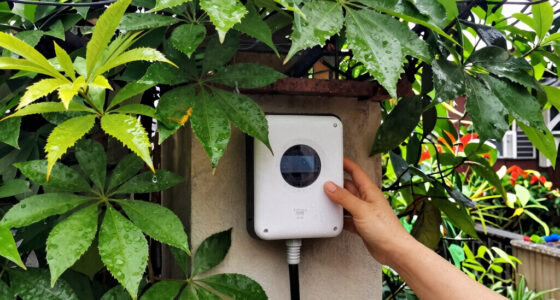
New gadgets make drip irrigation smarter and greener. Smart controllers connect to weather apps or soil moisture sensors, adjusting watering schedules automatically—saving water and energy.
Micro-drip emitters with clog-resistant designs and low-flow options provide uniform watering in tight spaces. Solar-powered timers are perfect for remote desert yards, eliminating the need for grid power.
Eco-friendly materials—recycled tubing and biodegradable fittings—cut down plastic waste. Combining rain sensors with drip systems prevents overwatering during monsoon or unexpected rain.
For example, a homeowner installed a solar timer connected to soil moisture sensors. It reduced water use by 40% compared to manual setups, proving that tech can be both simple and sustainable.
Integrating these innovations can significantly enhance water efficiency and sustainability. Smart controllers adapt to changing weather conditions, reducing unnecessary watering, which is especially important in drought-prone areas. Low-flow emitters and rain sensors prevent overwatering during unexpected rain, conserving resources. Eco-friendly materials help reduce plastic waste, aligning your landscape practices with environmental goals. The tradeoff is often upfront cost versus long-term savings—though initial investments can be higher, the water savings and reduced environmental impact justify the expense. Overall, embracing these new technologies supports a resilient, efficient, and environmentally conscious desert landscape, ensuring your system remains effective while reducing your ecological footprint.
Frequently Asked Questions
How do I figure out the right emitter flow rate for my plants?
Start by considering each plant’s size and water needs. Deep-rooted shrubs may need 2 GPH, while small succulents prefer 0.5 GPH or less. Observe your plants and adjust if you see signs of over- or underwatering. Consulting Gardener AZ’s recommendations helps tailor your system precisely.
How many zones should I set up in my desert yard?
Divide your yard into zones based on plant types, water needs, and sun exposure. Group similar plants together—like cacti in one zone, desert trees in another. This prevents overwatering or underwatering and allows customized schedules for each zone, saving water and encouraging healthy growth.
What’s the best way to maintain my drip system during a hot, dry season?
Inspect and flush your lines at least twice a year—before summer and after. Check emitters for clogging, clean filters monthly, and replace damaged parts promptly. Cover exposed lines with mulch to protect from sun damage and evaporation. Regular maintenance keeps your system running at peak efficiency.
Can I install a drip irrigation system myself?
Yes, DIY installation is doable with some planning, basic tools, and patience. Follow step-by-step guides, measure carefully, and test your system before burying lines. If unsure, consulting a professional can ensure your layout is optimized for water efficiency and plant health.
How does climate change affect drip irrigation scheduling?
Increased heat and wind accelerate evaporation, so you’ll need to water more frequently or for longer periods during hotter months. Using soil moisture sensors and weather-based timers helps adapt your schedule dynamically, making your system smarter and more water-wise.
Conclusion
Designing a drip irrigation system isn’t just about watering—it’s about smart, deliberate planning. When you understand how lines, emitters, and zones work together, your desert yard can thrive with less water and less fuss. Think of it as giving each plant exactly what it needs, right where it needs it.
Remember: a well-maintained drip system is your best tool for a lush, water-wise desert landscape. With a little planning and some regular care, you’ll turn your yard into a resilient oasis that stands up to the heat and keeps on thriving.
Fall yard work Picks
leaf blowers
As an affiliate, we earn on qualifying purchases.