
TL;DR
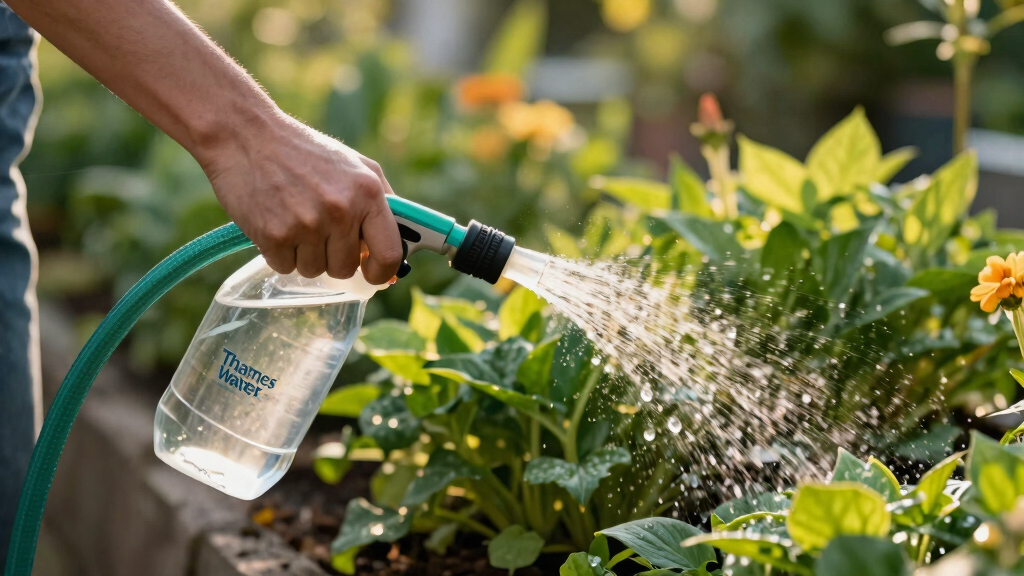
Thames Water has announced a hosepipe ban affecting millions of customers in southern England amid ongoing drought conditions. The restrictions aim to conserve water as supplies remain under pressure. The ban is scheduled to start immediately and will last until further notice.
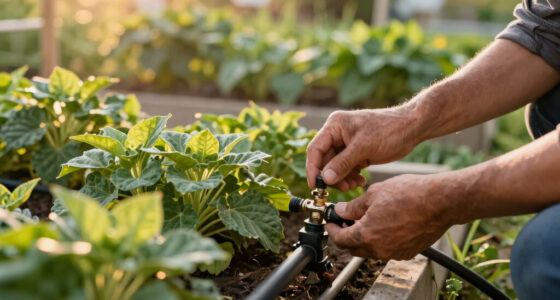
Thames Water has announced a hosepipe ban affecting millions of households and businesses in southern England, starting immediately due to ongoing drought conditions. The restrictions aim to conserve water and prevent supply shortages amid a period of low rainfall and high demand. The restriction aims to conserve water and prevent supply shortages amid a period of low rainfall and high demand. Customers are encouraged to consider using drip irrigation systems to reduce water use. This marks the first widespread hosepipe ban by Thames Water in 2024 and reflects increasing concerns over water security in the region.

Get garden gear delivered free with Prime
- Fast, free delivery on millions of items
- Prime Video, Amazon Music and more included
- Member-only deals all year
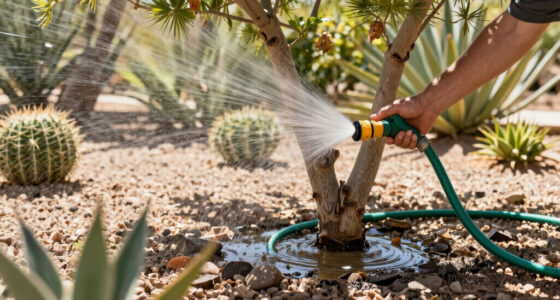
Thames Water confirmed on April 20, 2024, that it would impose a hosepipe ban across several counties, including Surrey, Berkshire, and parts of London. The ban restricts the use of hoses for watering gardens, cleaning cars, and filling swimming pools. The company stated that the decision was driven by persistent drought conditions and a significant drop in reservoir levels, which are now below 70% capacity.
Officials from Thames Water emphasized that the restrictions are necessary to protect water supplies and ensure long-term resilience. For those managing garden watering, understanding how to maintain drip emitters in hard water can help optimize water efficiency. The ban is expected to remain in effect until rainfall levels improve and reservoir levels recover to sustainable levels. Thames Water also urged customers to reduce water use voluntarily and adopt water-saving measures.
Local authorities and environmental groups have supported the move, citing the importance of conserving water during the drought. The company has also announced increased patrols and penalties for violations of the ban.
Implications for Regional Water Security and Public Awareness
The hosepipe ban highlights the ongoing challenges faced by Thames Water and other utilities in managing water resources amid changing climate patterns. It underscores the importance of public cooperation in water conservation efforts. The restrictions could also influence future policies on drought management and infrastructure resilience, especially as climate change intensifies.
For residents, the ban serves as a reminder to adopt sustainable water use practices. Failure to comply may result in fines or other penalties, increasing public awareness about the importance of conserving vital resources during periods of scarcity.
Popular right now

eufy C30 Robot Vacuum and Mop

Bose QuietComfort Headphones – Wireless Bluetooth Over-Ear Noise Cancelling Headphones, Petal Pink Limited Edition

Dyson Ball Animal 2 Upright Corded Vacuum Cleaner, Fuchsia
As an affiliate, we earn on qualifying purchases.
Recent Drought Trends and Water Supply Challenges in Southern England
Southern England has experienced below-average rainfall since late 2023, leading to critically low reservoir levels. Thames Water reported that reservoir storage has fallen below 70% capacity, a level that triggers emergency measures such as hosepipe bans. This follows a series of dry months and heatwaves that have increased water demand, particularly during the spring and early summer.
The region’s water infrastructure has faced increased pressure, with some areas already experiencing restrictions or alerts prior to this ban. Thames Water has previously issued warnings about the need for long-term water management strategies, including infrastructure upgrades and demand reduction programs.
Historically, hosepipe bans are implemented during drought periods to prevent supply shortages, but they also reflect broader issues related to climate variability and population growth in the region.
“We are implementing this hosepipe ban to protect our water supplies during this critical period and ensure we can meet the needs of our customers now and in the future.”
— Emma Wills, Thames Water spokesperson
Unclear Duration and Impact of the Hosepipe Ban
It is not yet clear how long the hosepipe ban will remain in effect, as it depends on rainfall recovery and reservoir levels. The precise geographic scope may also be adjusted based on weather patterns and reservoir monitoring. Additionally, the long-term effectiveness of the ban in restoring water supplies remains to be seen, and authorities have not yet announced specific future measures.
Monitoring Reservoir Levels and Public Compliance Measures
Thames Water will continue to monitor reservoir levels closely and assess weather forecasts for potential easing or extension of restrictions. The company has indicated that it will review the situation regularly and communicate updates to the public. Authorities are also expected to promote water-saving campaigns and enforce penalties for violations to ensure compliance.
Further measures, including infrastructure investments and demand management strategies, are likely to be discussed in upcoming regional planning sessions.
Key Questions
When does the hosepipe ban start?
The ban started immediately on April 20, 2024, following the official announcement by Thames Water.
Who is affected by the hosepipe ban?
The restrictions apply to residents and businesses in Surrey, Berkshire, and parts of London served by Thames Water.
How long will the ban last?
The duration depends on rainfall and reservoir recovery; it is currently indefinite and will be reviewed regularly.
What are the penalties for violating the ban?
Violators may face fines or other enforcement actions as specified by local regulations and Thames Water policies.
Can I still water my garden with a hose?
No, watering gardens with a hose is prohibited during the ban unless explicitly exempted for specific purposes.
Source: google-trends