
TL;DR

Get garden gear delivered free — and shop member deals
- Fast, free delivery on millions of items
- Access to Prime Big Deal Days deals on October 6–7
- Prime Video, Amazon Music and more included
In Arizona’s first summer, new plants need deep, frequent watering—often daily—especially early morning. Use drip systems, mulch, and native plants to save water and boost survival. Adjust based on soil moisture and weather conditions.
If you’ve recently planted new greenery in your Arizona yard, you already know the heat can be relentless. Summer temperatures often soar past 100°F, drying out soil fast and stressing delicate roots. Your goal isn’t just to water—it’s to water smart. This guide cuts through the guesswork, showing you how to keep those new plants alive and thriving through the hottest months.
From timing to techniques, you’ll learn why deep watering matters most, how to use drip systems effectively, and the best native plants to reduce water use. Summer in Arizona isn’t easy, but with the right approach, your new garden can flourish instead of wilt.
Why Deep Watering Is Your Best Friend in the Arizona Summer
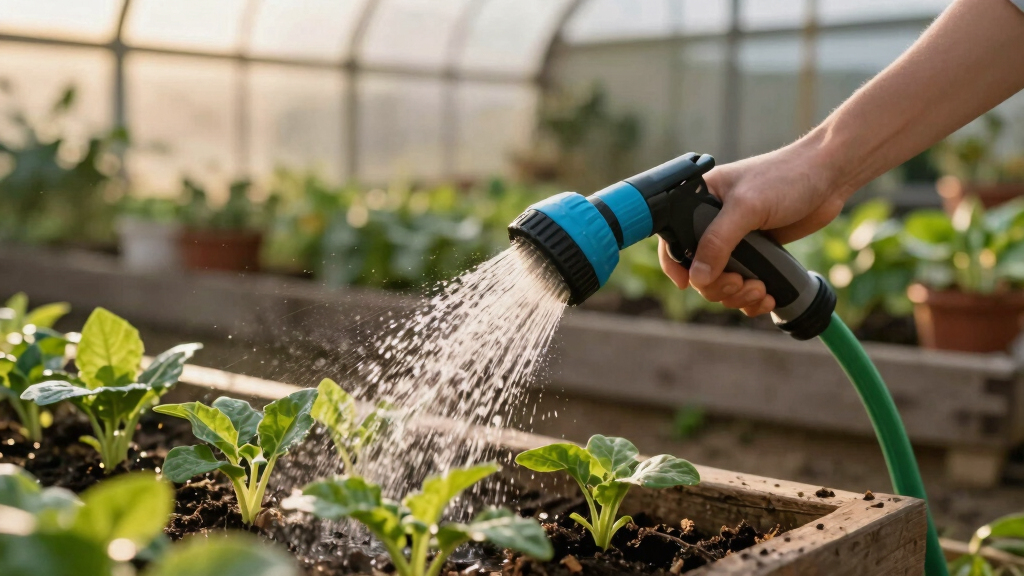
Deep watering is the secret weapon for summer survival. When you water deeply, you encourage roots to grow down rather than staying shallow where they can’t access moisture during dry spells. Shallow roots make plants highly susceptible to drought stress, rapid temperature fluctuations, and wind desiccation. By promoting deep root growth, you help plants access moisture stored deeper in the soil, making them more resilient to the intense Arizona heat.
Imagine a plant with shallow roots that only reach a few inches deep—during a heatwave, the surface soil dries out quickly, leaving the roots stranded and the plant vulnerable. Conversely, deep roots can tap into moisture reserves that remain stable even during prolonged dry spells. This reduces the frequency of watering needed over time and helps the plant withstand sudden hot days or drought conditions. The tradeoff is that deep watering requires more water per session and careful application to avoid runoff, but the benefits for plant health and survival are well worth it.
For example, a desert marigold grown with deep watering develops a robust root system that can access moisture deep underground, decreasing its vulnerability to the scorching sun and saving water in the long run.
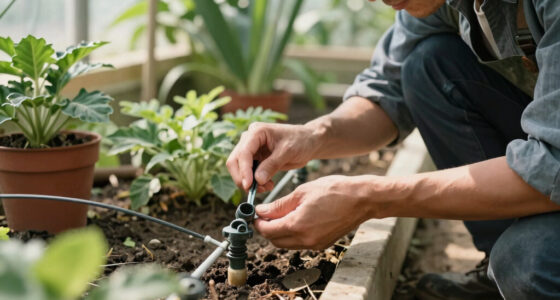
drip irrigation system for desert plants
As an affiliate, we earn on qualifying purchases.
As an affiliate, we earn on qualifying purchases.
How Often Should You Water? The Perfect Summer Schedule
In Arizona’s summer, watering frequency isn’t one-size-fits-all. Most new plants need to be watered at least every day or every other day, especially during heatwaves. The goal is to keep the soil consistently moist—never bone dry, but not waterlogged either. But understanding the implications of watering too often or too little is crucial. Overwatering can lead to root rot, especially since high temperatures accelerate decay in overly wet soils, while underwatering stresses plants, making them more susceptible to disease and drought damage.
Here’s a simple plan:
- Early morning: Water before the sun hits hardest. This helps plants absorb moisture and reduces evaporation, giving roots a vital moisture boost that lasts through the day.
- Check soil moisture: Feel the soil 2-3 inches down. If it’s dry, it’s time to water again. Consistent moisture at this depth encourages healthy root growth and prevents the stress caused by drought or overwatering.
- Adjust for weather: On windy or particularly hot days, you might need to water more often to compensate for increased evaporation. Conversely, after rains or cooler days, cut back to prevent overwatering, which can suffocate roots and promote fungal diseases.
For instance, a small shrub planted last month might need watering every morning during July, but once the monsoon arrives, you can cut back to twice a week. Recognizing the balance between too much and too little water helps avoid the tradeoffs—either root rot or drought stress—that can compromise plant health in the desert environment.
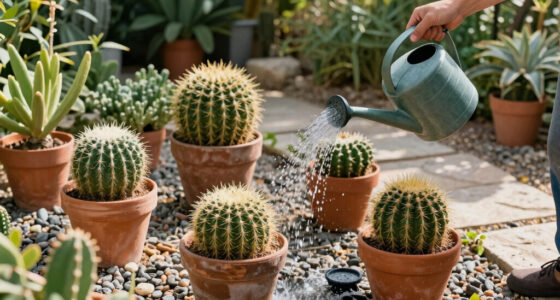
native Arizona drought-tolerant plants
As an affiliate, we earn on qualifying purchases.
As an affiliate, we earn on qualifying purchases.
Frequently Asked Questions
How often should I water new plants during an Arizona summer?
Most need watering every day or every other day, especially during peak heat. Adjust based on soil dryness and weather; always check moisture levels first.
What’s the best time of day to water in Arizona’s heat?
Early morning, before the sun heats up, is best. It minimizes evaporation and gives plants a moisture boost before the hottest part of the day.
How can I tell if my plants are getting enough water?
Feel the soil 2-3 inches down—if it’s moist, they’re fine. Wilting during hot afternoons also signals thirst. Overly mushy or yellowing leaves suggest overwatering.
Are native plants really easier to water and care for?
Yes. Native plants are adapted to Arizona’s climate, needing less frequent watering once established. They’re more resilient against drought and heat.
Can I overwater new plants? How do I avoid it?
Absolutely. Overwatering leads to root rot. Always check soil moisture before watering—deep, infrequent watering beats shallow, frequent watering in this climate.
As an affiliate, we earn on qualifying purchases.
Conclusion
If you want your new plants to survive Arizona’s brutal summer, focus on deep, consistent watering—preferably early morning. Combining good techniques with native plants and mulch turns a high-maintenance garden into a water-wise oasis. Remember, patience and observation are your best tools.
Think of your garden as a desert bloom waiting to flourish—water it wisely, and it will reward you with color and life even in the hottest months.
As an affiliate, we earn on qualifying purchases.
Halloween Picks
halloween
As an affiliate, we earn on qualifying purchases.