
TL;DR

Get garden gear delivered free — and shop member deals
- Fast, free delivery on millions of items
- Access to Prime Big Deal Days deals on October 6–7
- Prime Video, Amazon Music and more included
Certain plants can create shade and reduce patio temperatures naturally. This article highlights five top plants—elephant ears, star jasmine, crape myrtle, grapevine, and hostas—that help keep outdoor spaces cooler. These options are easy to grow and effective for summer cooling.
Five plants have been identified as effective natural options for cooling patios during hot summer days. These plants provide shade, reduce ambient temperature, and create a more comfortable outdoor environment, according to gardening experts.
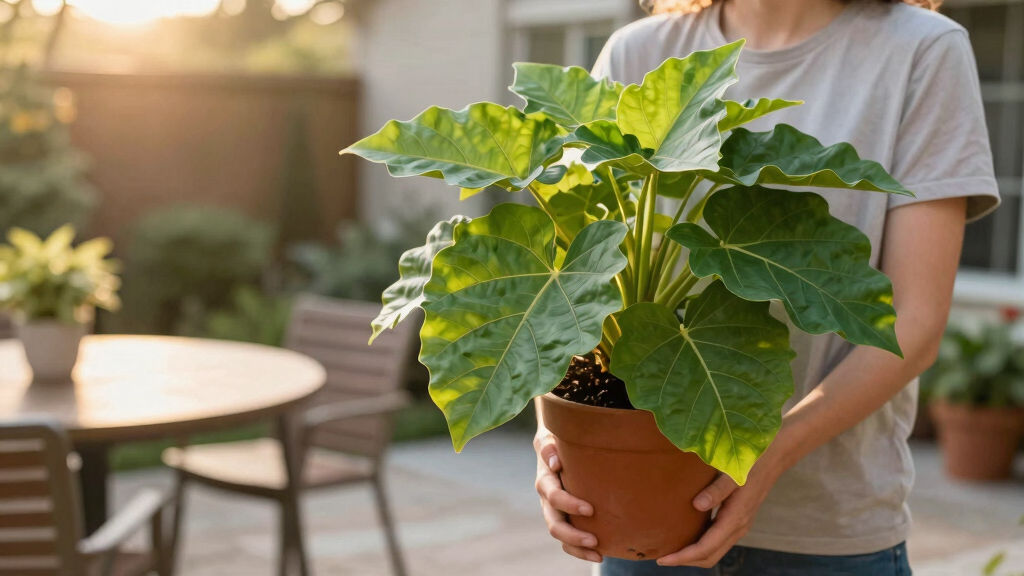
Elephant ears (Colocasia esculenta) with their large, heart-shaped leaves, can grow up to 6 feet tall and provide dense shade, especially varieties with dark foliage like ‘Black Coral’ and ‘Black Magic’. They thrive in warm, humid conditions and require moist, fertile soil.
Star jasmine (Trachelospermum jasminoides) is a fast-growing vine with fragrant, star-shaped flowers that can reach 6 feet in height and width. It is tolerant of sun and shade, making it ideal for creating a fragrant, leafy screen on trellises or fences.
Crape myrtle (Lagerstroemia indica) is a flowering tree that produces a canopy of airy foliage and colorful flowers, providing dappled shade. It grows well in zones 6-9 and can reach heights of 10 to 25 feet, depending on the cultivar.
Grapevines (Vitis vinifera) are fast-growing climbing plants that form dense canopies over pergolas or arbors, blocking direct sunlight and cooling the space below. They require full sun, well-draining soil, and annual pruning to maintain health and productivity.
Hostas (Hosta spp.), especially sun-tolerant varieties like ‘Big Daddy’, feature large, lush leaves that can provide cooling shade in containers or shaded patio corners. They are easy to care for and thrive in partial sun or shade.
Why These Plants Make a Difference for Summer Comfort
These plants offer a natural, eco-friendly way to reduce outdoor temperatures without artificial cooling systems. They enhance outdoor comfort, encourage outdoor living, and can even improve air quality. Their aesthetic appeal also adds to the beauty and privacy of patios, making them a practical choice for homeowners seeking sustainable summer solutions.
elephant ears large leaf plants for shade
As an affiliate, we earn on qualifying purchases.
As an affiliate, we earn on qualifying purchases.
How Plants Have Been Used Historically to Cool Outdoor Spaces
Using plants for cooling outdoor spaces is a practice rooted in traditional landscape design. Large-leafed tropical plants like elephant ears have long been used in warm climates to create shade and microclimates. Similarly, climbing vines like grapevines and star jasmine have been employed to provide natural shade in Mediterranean and Asian gardens. Recent interest in sustainable living has renewed focus on these natural cooling methods, especially as outdoor living becomes more popular in warmer regions.
“Plants with large, dense foliage can significantly lower local temperatures by providing shade and releasing moisture into the air.”
— Jane Smith, horticulturist
star jasmine fragrant climbing vine
As an affiliate, we earn on qualifying purchases.
As an affiliate, we earn on qualifying purchases.
What Aspects of Plant Cooling Are Still Being Studied
While the cooling effects of large-leafed and dense plants are well observed, precise measurements of temperature reduction in various climate zones are still being researched. The long-term impact of these plants on outdoor microclimates, especially in extreme heat conditions, remains an area of ongoing study. Additionally, the specific maintenance needs for optimal cooling performance are still being refined.
As an affiliate, we earn on qualifying purchases.
Next Steps for Homeowners and Gardeners
Homeowners interested in using plants for cooling should consider selecting species suited to their climate and space. Garden centers are expected to expand availability of these plants, and more detailed guidelines on placement and care will likely become available. Future developments may include hybrid plants with enhanced cooling properties and integrated landscape designs that maximize natural shade.
As an affiliate, we earn on qualifying purchases.
Key Questions
Can these plants survive in my climate?
Most of these plants thrive in USDA zones 6-11. It’s important to choose varieties suited to your specific zone and conditions. Local garden centers can provide guidance on the best options for your area.
How much cooling can I expect from these plants?
While exact temperature reductions vary, dense foliage and shade from these plants can lower local temperatures by several degrees, making outdoor spaces noticeably cooler and more comfortable.
Are these plants easy to maintain?
Yes, most of these plants are low-maintenance once established. Regular watering, pruning, and fertilization are typically sufficient to keep them healthy and effective at providing shade.
Can I use these plants in small patios or balconies?
Absolutely. Many of these plants, such as hostas and certain dwarf crape myrtles, are suitable for container planting and small spaces, offering cooling benefits without requiring large areas.
Source: rss
Fall yard work Picks
leaf blowers
As an affiliate, we earn on qualifying purchases.